

Menu

Medical & Dental Gas Plumbing in San Antonio – Code-Compliant Systems That Keep Your Facility Operational

Alpha Plumbing San Antonio installs and maintains medical gas piping systems that meet NFPA 99 standards and local health department requirements, minimizing downtime and protecting your license to operate.

Slider Image 1
Slider Image 2
Slider Image 3
Slider Image 4
Slider Image 5
Slider Image 7
Slider Image 8
Slider Image 9
Slider Image 10
Slider Image 11

Why Medical Gas Systems Require Specialized Plumbing in San Antonio

Medical and dental facilities in San Antonio face unique pressure from both state health inspectors and federal CMS auditors who scrutinize medical gas pipeline services during every facility review. A single cross-connection between oxygen and medical air lines can trigger an immediate shutdown order, costing you thousands per hour in lost revenue.

San Antonio's rapid healthcare expansion, particularly around the South Texas Medical Center and the new UT Health expansion, means more inspectors are actively auditing existing facilities. The Texas Department of State Health Services requires annual testing of all medical gas piping systems, and many older facilities built before the 2012 NFPA 99 update need complete re-piping to maintain accreditation.

Dental gas piping presents different challenges. Nitrous oxide systems must maintain precise pressure ratios with oxygen to remain safe and effective. San Antonio's temperature swings between summer heat and winter cold fronts cause pressure fluctuations in poorly designed systems, leading to inconsistent sedation delivery and patient safety concerns.

You cannot use standard plumbing contractors for med gas installation services. The work requires ASSE 6010 certification,brazing skills for copper medical gas lines, and knowledge of zone valve boxes, alarm systems, and medical air compressor specifications. Generic commercial plumbers lack this training and expose you to liability.

Facilities that postpone upgrades face escalating risks. Insurance carriers now audit medical gas systems during policy renewals, and outdated installations can void coverage or spike premiums.

Why Medical Gas Systems Require Specialized Plumbing in San Antonio
How Certified Med Gas Plumbers Design Compliant Systems

How Certified Med Gas Plumbers Design Compliant Systems

Alpha Plumbing San Antonio starts every medical gas pipeline project with a detailed facility assessment and load calculation. We map existing lines, identify compliance gaps, and calculate peak demand for each gas type based on your bed count, operatory stations, or surgical suite configuration.

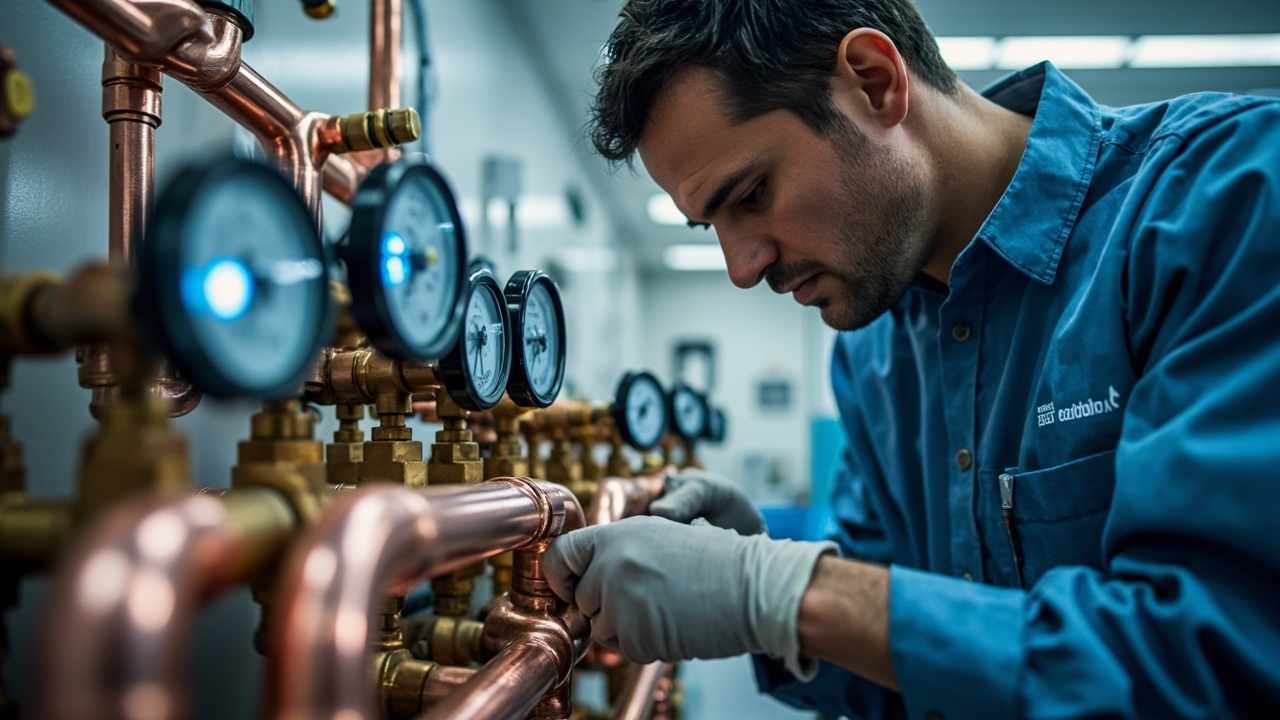
Medical gas piping systems require dedicated pipelines for oxygen, medical air, nitrous oxide, nitrogen, and vacuum. Each gas demands specific materials and joinery methods. We use Type K or L copper for oxygen and nitrous oxide, with brazed connections using BCuP-5 filler metal to prevent contamination. Medical air and vacuum lines receive oil-free treatment to meet USP specifications.

Our certified med gas plumbers install zone valve boxes at strategic locations to allow emergency shutoffs without affecting entire wings. Master alarm panels connect to your facility management system, triggering alerts when pressure drops below minimum thresholds or when reserve banks engage.

Pressure regulation requires precision. Oxygen systems operate at 55 PSI, medical air at 50 PSI, and nitrous oxide at 50 PSI, but each operatory or patient room needs point-of-use regulators to deliver gas at safe working pressures. We install pressure relief valves rated for each gas type to prevent over-pressurization from compressor failures.

Testing is non-negotiable. We perform standing pressure tests, pressure drop tests, and cross-connection tests on every installation. Nitrogen purging removes moisture and contaminants before the system goes live. All work receives documentation packages required for state inspection and Joint Commission surveys.

What Happens During Your Medical Gas Installation

Medical & Dental Gas Plumbing in San Antonio – Code-Compliant Systems That Keep Your Facility Operational
01

System Design and Engineering

We create detailed isometric drawings showing every pipe run, valve location, and connection point. Load calculations determine compressor sizing and reserve bank capacity. You receive stamped drawings for permit submission to San Antonio Development Services and the Texas Department of State Health Services. This engineering phase typically takes one to two weeks depending on facility complexity.
02

Installation and Brazing

Our ASSE 6010-certified installers run copper lines through existing chases or surface-mount them per code requirements. All joints receive silver brazing in nitrogen-purged environments to prevent oxidation. We label every line with color-coded tape and directional flow arrows. Zone valve boxes mount at accessible heights with clear operational signage. Installation duration depends on linear footage and facility access constraints.
03

Testing and Certification

We conduct standing pressure tests at 150 PSI for 24 hours, followed by pressure drop analysis under simulated load. Cross-connection testing verifies no mixing between gas types. Purity testing confirms oxygen meets USP standards. You receive complete test documentation, operator training for zone valves and alarms, and a certification package ready for inspector review and facility accreditation.

Why San Antonio Healthcare Facilities Choose Alpha Plumbing

Medical gas work is not standard plumbing. It requires specialized certification that most contractors in San Antonio do not possess. Alpha Plumbing San Antonio maintains current ASSE 6010 credentials and stays updated on NFPA 99 revisions that affect installation standards.

We understand San Antonio's inspection environment. The Metro Health District conducts annual surveys of ambulatory surgical centers, and we know exactly what inspectors examine during their walkthroughs. Our documentation packages include the chain-of-custody forms, material certifications, and test reports required to pass inspection on the first visit.

Local healthcare construction codes add another layer of complexity. San Antonio adopted the 2021 International Building Code with local amendments affecting medical gas installations in specific zoning districts. We maintain relationships with plan reviewers at Development Services who expedite permit approvals for projects on tight timelines.

Dental practices face different challenges than hospitals. Your nitrous oxide system must integrate with existing vacuum lines and scavenging systems to protect staff from chronic exposure. We size systems correctly the first time, avoiding the underpowered installations that cause sedation inconsistencies and patient discomfort.

Our work protects your largest asset. Facilities represent multi-million dollar investments, and a failed inspection can delay your certificate of occupancy or force operational shutdowns. We complete projects on schedule, coordinate with other trades, and deliver systems that pass inspection without callbacks or corrections.

You need a partner who understands healthcare operations, not just pipe fitting. We schedule installations during low-census periods, work overnight when necessary, and maintain sterile field protocols in active treatment areas.

What to Expect From Your Medical Gas Installation

Project Timeline and Scheduling

Medical gas installations move through distinct phases. Engineering and permitting take two to four weeks depending on San Antonio Development Services workload. Installation duration varies based on facility size, but most dental offices require five to seven days for complete systems. Hospitals and surgical centers need longer timelines due to phased construction and infection control protocols. We coordinate with your construction manager or facility director to minimize disruption to patient care areas. Testing adds three to five days for pressure holds and purity analysis. Rush projects receive priority scheduling when your opening date is fixed.

Initial Assessment and Planning

We start with a site visit to evaluate your space, identify pipe routing options, and determine source equipment locations. You tell us your patient capacity, procedure types, and simultaneous use requirements. We calculate demand for each gas type and size compressors, vacuum pumps, and reserve manifolds accordingly. Existing facilities receive compliance audits identifying outdated components or installation defects. We present a detailed scope of work with material specifications, test protocols, and a construction schedule that aligns with your operational needs and budget constraints.

System Performance and Reliability

Your completed system delivers medical-grade gases at precise pressures to every outlet. Alarms alert you immediately if pressure drops or reserve banks engage, giving you time to address issues before they affect patient care. Properly sized compressors and vacuum pumps handle peak demand without strain, extending equipment life and reducing maintenance calls. Clean, dry gas delivery protects your surgical instruments and anesthesia equipment from contamination. You receive operator training covering emergency shutoff procedures, alarm response, and basic troubleshooting. Systems installed to current standards support facility accreditation and satisfy insurance carrier requirements.

Ongoing Maintenance and Support

Texas requires annual testing of medical gas piping systems to maintain facility licensure. We provide scheduled maintenance contracts covering pressure testing, alarm verification, and compressor servicing. Preventive maintenance catches small issues before they cause system failures or inspection deficiencies. Emergency service responds to alarm conditions, pressure losses, or contamination concerns that cannot wait for regular business hours. We maintain detailed service records documenting all inspections, repairs, and test results required for regulatory audits. Parts inventory for common components means faster repairs and less downtime when equipment fails.

Frequently Asked Questions

You Have Questions,
We Have Answers

What is medical gas plumbing? +

Medical gas plumbing is the specialized installation and maintenance of piping systems that deliver therapeutic gases to patients in healthcare facilities. These systems distribute oxygen, nitrous oxide, medical air, nitrogen, and vacuum services throughout hospitals, surgical centers, and dental offices. The infrastructure requires strict adherence to NFPA 99 and state health codes to prevent contamination and ensure patient safety. In San Antonio, medical facilities must comply with Texas Department of State Health Services regulations for gas system design, installation, and testing. Only certified contractors can perform this work due to the life-safety implications of these systems.

What type of pipe is used for medical gas? +

Medical gas systems use Type K or Type L seamless copper tubing, which meets ASTM B819 standards for medical gas service. Copper is preferred because it does not shed particles, resists corrosion, and creates leak-tight brazed joints. All tubing must be cleaned, capped, and nitrogen-purged during installation to prevent internal contamination. Stainless steel is sometimes used in specific applications. San Antonio healthcare facilities require documentation proving materials meet medical grade specifications. Standard copper water pipe is never acceptable for medical gas use. The tubing remains color-coded throughout the facility for quick identification during maintenance or emergencies.

What is gas plumbing called? +

Gas plumbing is called medical gas piping when it serves healthcare applications, and fuel gas piping when it distributes natural gas or propane for appliances and equipment. The term varies based on the gas type and end use. Medical gas work falls under specialized life-safety codes. Commercial fuel gas systems follow NFSA 54 and International Fuel Gas Code requirements. San Antonio commercial buildings use both systems independently. Medical gas contractors hold different certifications than standard fuel gas plumbers. The distinction matters because medical gas systems require sterile installation practices, pressure testing protocols, and documentation that fuel gas work does not demand.

What is a med gas certification? +

A med gas certification verifies that a technician or installer meets the training and competency standards for medical gas system work. The most recognized certification comes from ASSE International, specifically the ASSE 6010 Medical Gas Installer credential. This certification requires documented training, field experience, and a written exam covering NFPA 99 standards, brazing techniques, pressure testing, and system verification. San Antonio healthcare facilities require proof of certification before allowing contractors to work on their gas systems. Certification expires and requires renewal every three years. It demonstrates compliance with Joint Commission requirements and protects facilities from liability related to improperly installed systems.

What is the highest paid type of plumber? +

Master plumbers specializing in industrial and medical gas systems typically earn the highest compensation. Medical gas plumbers command premium rates because they work in high-stakes healthcare environments where errors can be fatal. Industrial plumbers working in petrochemical facilities, pharmaceutical plants, or power generation also earn top wages. The specialization requires additional certifications, liability insurance, and extensive code knowledge. In San Antonio, medical gas technicians working at major hospital systems or surgical centers often earn 30 to 50 percent more than residential service plumbers. The work requires precision, detailed documentation, and scheduled facility shutdowns that justify higher billing rates.

What is a gas plumber called? +

A gas plumber is often called a gas fitter, fuel gas technician, or medical gas installer depending on the specialty. In commercial settings, the term gas fitter is common. Those working exclusively with therapeutic gases use the title medical gas technician or medical gas installer. Standard plumbers handling fuel gas lines for appliances may simply be called licensed plumbers with gas endorsements. San Antonio requires specific licensing for fuel gas work beyond basic plumbing credentials. The terminology matters when hiring because medical gas work demands specialized training and certification that general gas fitters do not possess. Always verify credentials match your facility needs.

What is considered a medical gas? +

Medical gases include oxygen, nitrous oxide, medical air, nitrogen, carbon dioxide, and helium used for patient treatment or diagnostics. Oxygen supports respiration in surgical and intensive care settings. Nitrous oxide provides anesthesia in dental and surgical procedures. Medical air powers respiratory therapy equipment and surgical tools. Nitrogen drives surgical instruments. Vacuum systems remove waste anesthetic gases and bodily fluids. Each gas requires separate piping with color-coded outlets. San Antonio healthcare facilities must maintain these systems under strict regulatory oversight. The gases arrive in high-pressure cylinders or from bulk storage tanks, then distribute through pressure-regulated piping to patient care areas.

Can schedule 40 PVC be used for gas? +

No. Schedule 40 PVC cannot be used for any gas service, medical or fuel. PVC lacks the mechanical strength to safely contain pressurized gas and becomes brittle over time. Gas systems require metallic piping that resists permeation and mechanical failure. Medical gas systems specifically require copper tubing meeting ASTM B819 standards. Fuel gas lines use black steel, corrugated stainless steel tubing, or approved flexible connectors. San Antonio building codes prohibit PVC for gas applications. Using PVC for gas creates explosion hazards, violates code, and voids insurance coverage. Only approved metallic materials ensure safe gas distribution in commercial facilities.

Which type of pipe cannot be used for a gas? +

Galvanized steel pipe cannot be used for medical gas systems because the zinc coating flakes off and contaminates the gas stream. Cast iron, PVC, CPVC, and PEX are also prohibited for medical gas use. Aluminum tubing is generally not acceptable. Medical gas systems require Type K or L copper tubing or stainless steel in specific applications. For fuel gas, copper is prohibited because gas additives cause copper corrosion. San Antonio inspectors verify material compliance during rough-in inspections. Using wrong materials creates contamination risks, violates NFPA 99 and health codes, and compromises patient safety. Material selection directly affects system certification and facility accreditation.

Does a plumber deal with gas pipes? +

Yes, but only plumbers with specialized training and certifications handle gas pipes. Standard plumbing licenses cover water and drainage systems. Gas work requires additional endorsements and certifications. Medical gas installation demands ASSE 6010 certification and extensive knowledge of NFPA 99 standards. Fuel gas work requires separate licensing in San Antonio. The distinction matters because gas systems operate under different codes, use different materials, and carry different liability than water systems. A residential service plumber typically cannot work on medical gas systems in hospitals or surgical centers. Always verify your contractor holds the specific credentials required for your facility's gas infrastructure.

How San Antonio's Healthcare Growth Affects Medical Gas Demand

San Antonio's healthcare sector is expanding faster than infrastructure can keep pace. The South Texas Medical Center added three major facilities in the past two years, and downtown's Medical Center campus is undergoing massive renovation. This growth increases demand for certified med gas plumbers who can deliver compliant installations on compressed timelines. Older facilities built in the 1980s and 1990s around Santa Rosa and Methodist hospitals need complete med gas installation services to replace outdated copper systems showing signs of corrosion from San Antonio's mineral-heavy water that infiltrates through faulty isolation valves.

Local health inspectors from the Metro Health District know which contractors consistently deliver quality medical gas pipeline services, and which ones generate repeat violations. Alpha Plumbing San Antonio has built a reputation for installations that pass inspection without corrections or callbacks. We understand the specific documentation requirements that San Antonio inspectors expect and the testing protocols they verify during site visits. When your facility license depends on system compliance, you need contractors who know local inspection standards and maintain working relationships with the officials who approve your certificate of occupancy.

Plumbing Services in The San Antonio Area

Although we are dedicated to serving San Antonio, Alpha Plumbing extends its reliable services throughout the surrounding areas. Our team is strategically located to respond promptly to your plumbing needs, whether you're in the heart of the city or a neighboring community. Explore our service area on the map to see if we cover your location, or contact us directly to confirm our availability and schedule a visit from our expert technicians.

Address:
Alpha Plumbing San Antonio, 700 North Saint Mary's Street, Riverwalk Place Ste 1400, San Antonio, TX, 78205

Additional Services We Offer

Our news updates

Latest Articles & News from The Blogs

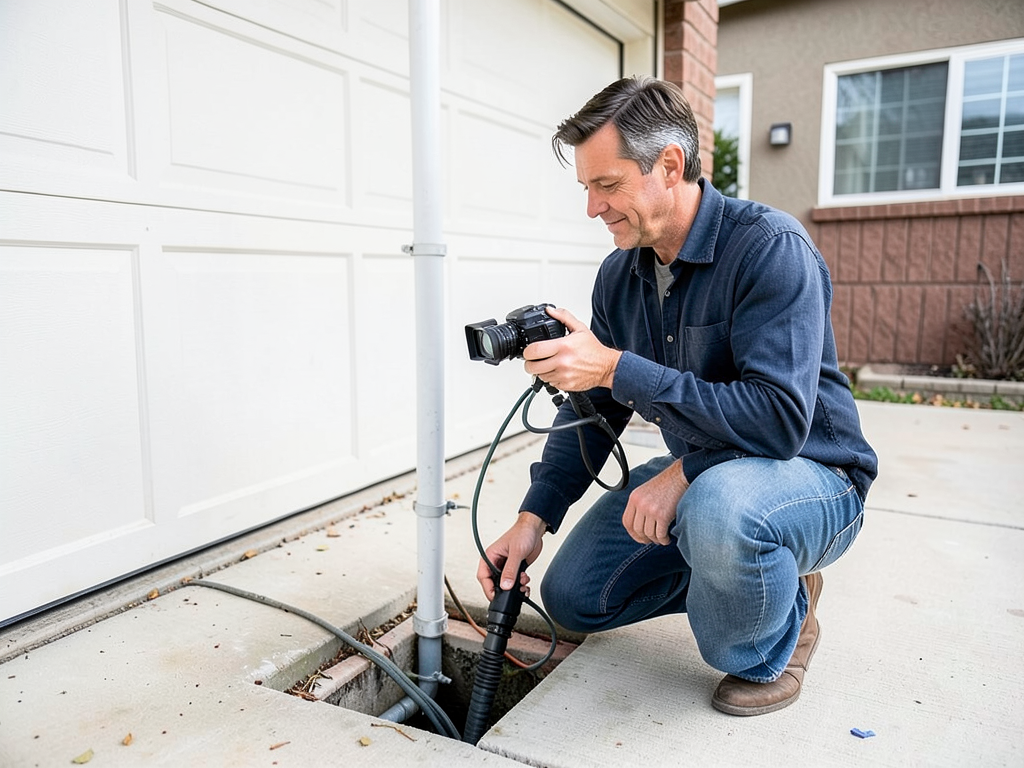
Keeping the floor drains in your San Antonio garage from drying out and smelling Your garage floor drain should quietly…

Keeping the floor drains in your San Antonio garage from drying out and smelling

Keeping the floor drains in your San Antonio garage from drying out and smelling Your garage floor drain should quietly…

What you should never put down the disposal in your Five Points apartment

What you should never put down the disposal in your Five Points apartment\n\nSan Antonio's hard water and Five Points' older…

Why a water softener alone isn't enough for the drinking water in Hill Country Village

Why a water softener alone isn’t enough for the drinking water in Hill Country Village \n\n Living in Hill Country…

Contact Us

Protect your facility license with properly installed medical gas systems. Call Alpha Plumbing San Antonio at (210) 374-7773 for a compliance assessment and project estimate. We deliver installations that pass inspection on schedule.