Menu

24/7 Frozen Pipe Thawing & Repair in San Antonio – Emergency Response in Under 60 Minutes

When a frozen pipe threatens your property with catastrophic water damage, every minute counts. Our emergency frozen pipe repair teams are standing by around the clock to unfreeze plumbing pipes, restore water flow, and prevent thousands in flood damage across San Antonio.

Slider Image 1
Slider Image 2
Slider Image 3
Slider Image 4
Slider Image 5
Slider Image 7
Slider Image 8
Slider Image 9
Slider Image 10
Slider Image 11

Frozen Pipes Are a Silent Crisis Until They Burst

You turn on the faucet and nothing happens. The shower sputters. Panic sets in when you realize a pipe has frozen somewhere in your walls or foundation.

San Antonio doesn't see hard freezes often, which makes them more dangerous. Most homes here lack the insulation standards common in northern climates. When temperatures drop into the 20s, exposed pipes in attics, crawl spaces, and exterior walls freeze fast. The real danger begins when ice expands inside copper or PEX lines, creating pressure that can crack pipes wide open.

A burst pipe releases 400 gallons per hour. That floods rooms, destroys drywall, ruins flooring, and can compromise structural integrity in under an hour. Insurance claims from frozen water line damage average $10,000 to $70,000 in San Antonio.

The freeze happens quickly, but professional pipe thawing services can stop the damage before catastrophe strikes. You need emergency frozen pipe repair teams who understand the difference between safely thawing a blocked line and rushing the process so fast the pipe ruptures from thermal shock.

When you call for help to fix frozen water pipes, you are racing against two clocks. The first is the freeze itself, cutting off water to your home or business. The second is the thaw, which can turn a contained problem into a flood zone. You need experts who can unfreeze plumbing pipes without creating the very disaster you are trying to avoid.

Frozen Pipes Are a Silent Crisis Until They Burst
How We Safely Restore Flow Without Rupturing Your Lines

How We Safely Restore Flow Without Rupturing Your Lines

Thawing a frozen pipe is not about applying heat and hoping. It requires precision, the right equipment, and knowledge of how different pipe materials respond to temperature changes.

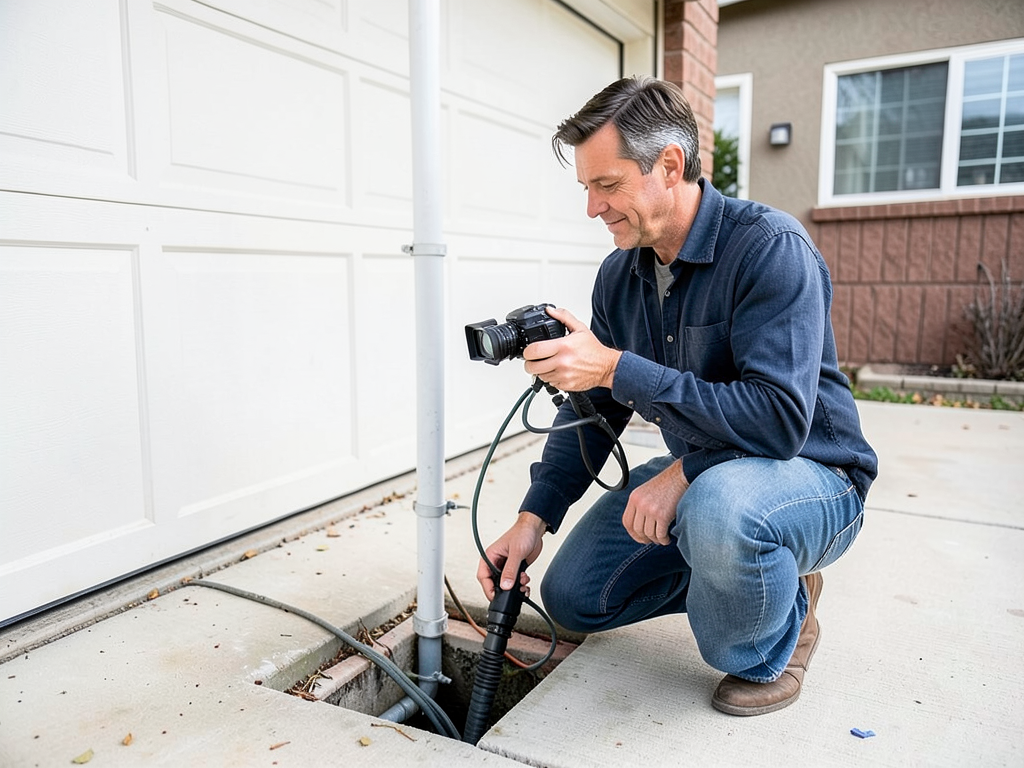
We use thermal imaging cameras to locate the exact freeze point without opening walls. This non-invasive diagnostic tool shows us where ice has formed and how far the blockage extends. Once we map the frozen section, we select the appropriate thawing method based on pipe material, location, and accessibility.

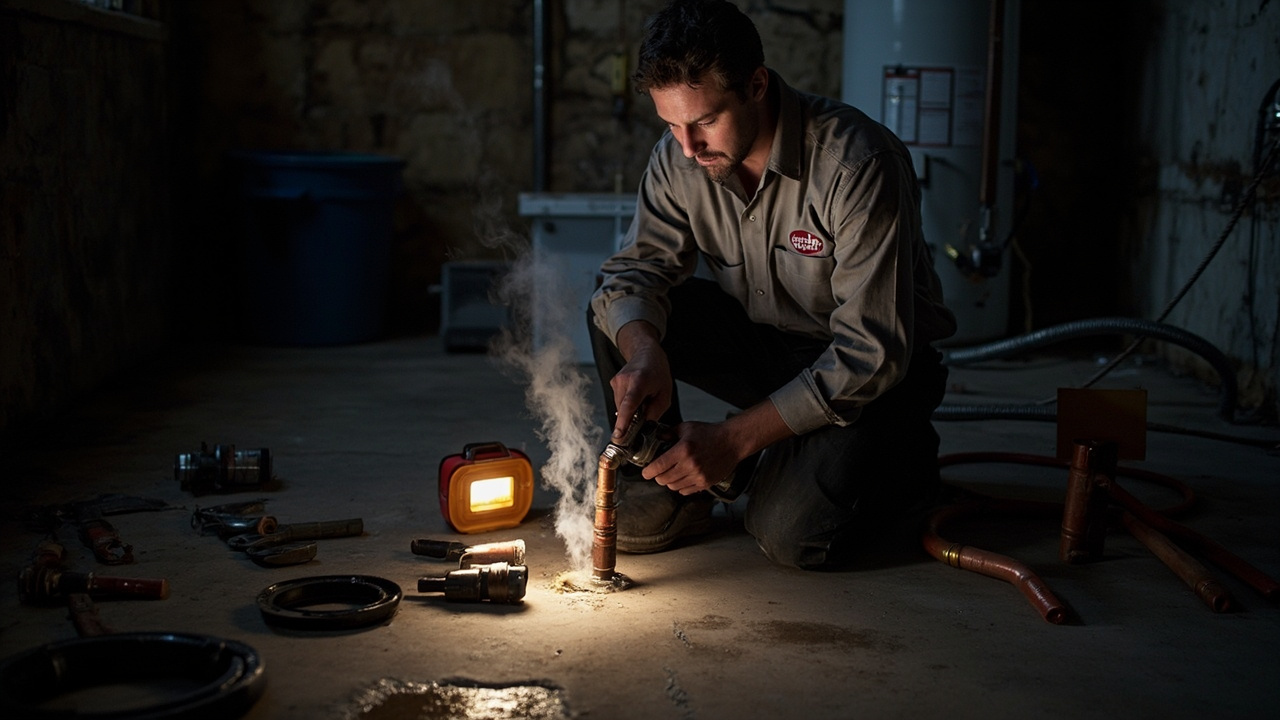
For accessible copper lines, we apply controlled heat using electric pipe heating blankets or hot water circulation. These methods warm pipes gradually, allowing ice to melt without creating steam pockets that spike internal pressure. For PEX or hard-to-reach pipes, we use pipe-specific thawing machines that circulate warm glycol through the system.

We never use open flames, heat guns, or propane torches. Those create hotspots that warp pipes and vaporize ice too quickly, causing ruptures. The goal is a steady, even thaw that relieves pressure as water returns to liquid form.

While one technician manages the thaw, another monitors for leaks. The moment flow resumes, we inspect joints, elbows, and the frozen section for micro-cracks or splits. If we find damage, we isolate that section, drain it, and execute repairs before turning water pressure back on.

We also identify why the pipe froze in the first place. Was it an uninsulated section? A gap in your vapor barrier? A vent left open? We document the vulnerability and recommend permanent fixes so you do not face this again next winter.

What Happens During an Emergency Frozen Pipe Call

24/7 Frozen Pipe Thawing & Repair in San Antonio – Emergency Response in Under 60 Minutes
01

Rapid Dispatch and Assessment

The moment you call, we dispatch a truck with thermal imaging equipment and pipe thawing tools. Our technician arrives in under 60 minutes, locates the freeze using infrared scanning, and determines whether the pipe has already cracked. You get a clear assessment of damage risk before we proceed. We shut off water to the affected zone to prevent flooding if a rupture occurs during thaw.
02

Controlled Thawing Process

We apply gradual, even heat to the frozen section using electric heating blankets or warm water circulation. The thaw progresses slowly to prevent pressure spikes and thermal shock. We monitor pipe temperature and internal pressure continuously, adjusting heat application to match the pipe material and thickness. This phase takes 20 to 90 minutes depending on freeze severity and pipe location.
03

Flow Restoration and Leak Check

Once ice clears and water flows again, we perform a full pressure test on the thawed section. We inspect every joint, elbow, and connection for leaks or hairline cracks. If damage occurred, we repair or replace the compromised section immediately. Before leaving, we document the freeze cause and give you a written plan to prevent recurrence, including insulation upgrades or pipe rerouting if needed.

Why San Antonio Homeowners Call Us First During a Freeze Event

San Antonio sits in a climate zone where freezing events are rare but devastating. Homes built for heat do not have the pipe insulation, crawl space sealing, or attic vapor barriers you find in Dallas or northern states. When a cold front drops temperatures into the low 20s, thousands of pipes freeze across Bexar County in a single night.

Most plumbing companies do not stock emergency thawing equipment because freeze calls happen once or twice a year. When demand spikes during a cold snap, response times stretch to 6, 12, or 24 hours. By then, pipes have burst and flooding has begun.

Alpha Plumbing San Antonio runs dedicated emergency units equipped with thermal cameras, pipe heating systems, and leak detection tools year-round. We do not wait for winter. Our trucks are ready.

We understand the specific vulnerabilities of San Antonio construction. Slab foundations with exposed risers. Attics with minimal insulation where supply lines run exposed. Exterior hose bibs that lack frost-proof valves. These are the failure points we see every freeze, and we know how to protect them.

Our technicians have thawed pipes in Alamo Heights historic homes with galvanized iron supply lines, in Stone Oak subdivisions with modern PEX systems, and in commercial properties near the Medical Center where a single frozen line can shut down critical operations. That local knowledge matters when you need fast, precise work.

You also get honesty. If a pipe has already burst, we tell you immediately and shift to flood mitigation and replacement. We do not waste time thawing a line that is already destroyed.

What You Can Expect When You Call for Emergency Pipe Thawing

Arrival Time and Availability

We answer emergency calls 24 hours a day, 7 days a week, including holidays and weekends. During freeze events, we run multiple crews and prioritize calls by damage risk. If you report no water flow but no visible leaks, we typically arrive in 45 to 90 minutes. If you report active flooding or suspect a burst, we escalate you to immediate dispatch and aim for arrival in under 60 minutes. You speak to a real person, not an answering service, and we give you an honest ETA based on current call volume.

Diagnostic Process and Damage Assessment

Before we start thawing, we use thermal imaging to locate the freeze and assess pipe condition. This scan shows us if the pipe has already split or if ice is still contained. We also check water pressure on both sides of the blockage to determine freeze severity. You get a verbal explanation of what we found, what the risks are, and what the thaw process will involve. If we discover a rupture, we give you options for temporary shutoff and permanent repair before proceeding.

Quality of Work and Results

Our goal is complete flow restoration without damage. We thaw pipes at a controlled rate that prevents ruptures, and we inspect the entire thawed section for micro-cracks or weak points before restoring full pressure. If the pipe survives the thaw intact, you get full water service back the same day. If we find damage, we complete repairs on the spot whenever possible. You do not get a temporary patch and a callback later. We finish the job.

Prevention Recommendations and Follow-Up

After restoring flow, we document what caused the freeze and give you a written prevention plan. This might include adding pipe insulation, sealing crawl space vents, installing heat tape on vulnerable sections, or rerouting exposed lines. We do not upsell unnecessary work, but we do tell you where your system is at risk. If you want us to implement the fixes, we schedule that work separately. If another freeze is forecasted, we offer proactive insulation or drip-line setup to protect your system before temperatures drop.

Frequently Asked Questions

You Have Questions,
We Have Answers

How much does it cost for someone to unfreeze your pipes? +

Frozen pipe thawing costs vary based on pipe location and access difficulty. Simple thawing for exposed pipes runs lower, while pipes hidden in walls or crawl spaces require more labor. If the freeze caused a burst, repair costs increase due to material replacement and water damage remediation. Emergency service calls during San Antonio's rare hard freezes often carry premium pricing. Most plumbers assess the situation first and provide upfront pricing. Factors include time on site, equipment needed, and whether drywall or flooring must be opened. Get multiple quotes if time permits, but prioritize speed to prevent burst damage.

Does homeowners insurance cover frozen pipe repair? +

Most homeowners policies cover sudden and accidental damage from burst frozen pipes, including water damage to your home and belongings. However, insurers expect you to maintain heat and take reasonable precautions. If you left your San Antonio home vacant during a cold snap without draining pipes or maintaining minimum heat, your claim may be denied for neglect. Gradual damage or lack of maintenance is excluded. Document everything immediately, shut off water, and call your insurer fast. Frozen pipe prevention is your responsibility, but the resulting burst damage is typically covered if you acted responsibly.

Can plumbers do anything for frozen pipes? +

Yes. Licensed plumbers have the tools and training to safely thaw frozen pipes without causing bursts. They use heat tape, infrared lamps, or hot water circulation methods to gradually warm pipes. Plumbers also inspect for cracks or weak spots that form during freezing. In San Antonio, where freezing events are infrequent, homeowners often lack experience with frozen pipes. A plumber can locate the freeze point, thaw it safely, and check your entire system for vulnerabilities. DIY thawing with open flames or excessive heat risks pipe rupture or fire. Professional thawing prevents bigger problems.

Is it okay to let frozen pipes thaw on their own? +

No. Letting frozen pipes thaw on their own is risky. Ice expands and creates pressure inside pipes. As it melts, that pressure can cause ruptures you will not see until water floods your home. You also cannot control the thaw rate. Rapid temperature swings in San Antonio after a freeze can make pipes fail suddenly. If you cannot access or thaw the pipe yourself safely, call a plumber immediately. Do not wait. Controlled, gradual thawing minimizes burst risk. Leaving it to chance invites water damage, mold growth, and costly repairs.

Are frozen pipes expensive to fix? +

It depends on the damage. Simple thawing without a burst is affordable. If the pipe cracked or burst, costs climb quickly. You pay for pipe replacement, drywall or flooring removal, water extraction, and sometimes mold remediation. Pipes in hard-to-reach areas like slab foundations or exterior walls add labor costs. San Antonio homes often have exposed outdoor hose bibs or irrigation lines that freeze first. These are cheaper to fix. Interior supply line bursts can flood rooms and require extensive restoration. Prevention is always cheaper than repair. Insulate exposed pipes before the next freeze.

Should I leave my faucet on if my pipes are frozen? +

Yes. Opening the faucet slightly relieves pressure inside the frozen pipe and gives expanding ice somewhere to go, reducing burst risk. Let both hot and cold taps drip. Even a trickle helps. The moving water also makes freezing harder. If you hear water trickling but nothing comes out, the freeze is between the faucet and the main line. Keep the faucet open while you thaw the pipe or call a plumber. Once thawed, water will flow and flush out ice chunks. This is a smart emergency step for San Antonio homeowners during unexpected hard freezes.

Are frozen pipes covered by a home warranty? +

Maybe. Home warranties vary widely in coverage. Many exclude frozen pipes or limit coverage to specific scenarios like sudden breaks. Review your contract carefully. Some warranties cover the pipe repair but not water damage or cosmetic fixes like drywall. Others exclude frozen pipe claims if the home was vacant or unheated. In San Antonio, where freezes are rare, warranty companies may dispute claims as preventable neglect. Always call your warranty provider first to confirm coverage before hiring a plumber. Know your deductible and service call fees upfront to avoid surprises.

Can I claim plumbing repairs on home insurance? +

Yes, but only for sudden and accidental damage. If a pipe bursts unexpectedly and floods your home, homeowners insurance typically covers repairs to the structure and damaged belongings. Gradual leaks, corrosion, or damage from deferred maintenance are excluded. You must show the damage was unforeseeable and immediate. Document the burst with photos, shut off water quickly, and mitigate damage by removing standing water. San Antonio insurers expect reasonable winterization during freezes. If you ignored weather warnings and left pipes unprotected, your claim may be denied. File promptly and keep all receipts.

What kind of water damage is not covered by insurance? +

Insurance excludes water damage from gradual leaks, neglect, or lack of maintenance. Seepage through foundations, long-term roof leaks, or slow drips that cause mold over months are not covered. Flooding from external sources like heavy rain or overflowing creeks requires separate flood insurance. Sewer backups need specific endorsements. If you knew about a plumbing issue and ignored it, resulting damage is your responsibility. San Antonio homeowners should also know that foundation shifts from clay soil movement can cause pipe stress and leaks, which insurers may classify as maintenance issues.

What not to do when pipes freeze? +

Do not use open flames like blowtorches or propane heaters near pipes. You risk fire, toxic fumes, and pipe rupture from uneven heating. Do not ignore a freeze and hope it resolves itself. Do not turn off your main water until you locate the freeze point, or you lose pressure needed for thawing. Do not pour boiling water directly on frozen metal pipes, which can crack from thermal shock. Do not leave cabinet doors closed, trapping cold air around pipes. In San Antonio, do not assume your pipes are safe because freezes are rare. Preparation prevents panic.

Why San Antonio's Mild Winters Make Frozen Pipes More Dangerous

San Antonio averages only 1 to 3 hard freezes per year, with temperatures dipping below 28 degrees just a handful of nights each winter. Because freezing weather is rare, builders do not insulate pipes the way they do in climates with sustained cold. Attic supply lines run exposed. Crawl spaces lack vapor barriers. Exterior walls have minimal insulation around plumbing chases. When a polar air mass drops temperatures into the low 20s for 12 to 24 hours, thousands of vulnerable pipes freeze simultaneously across Bexar County, overwhelming available emergency plumbing resources.

Alpha Plumbing San Antonio has served this community through every major freeze event of the past decade, including the 2021 winter storm that left over 200,000 homes without water. We know which neighborhoods flood first, which pipe materials fail under freeze stress, and how local building codes affect repair requirements. That institutional knowledge means faster diagnosis, better risk assessment, and repairs that meet city inspection standards. When you need professional pipe thawing services, you need a team that understands San Antonio construction vulnerabilities and has the equipment staged and ready before the next freeze warning hits.

Plumbing Services in The San Antonio Area

Although we are dedicated to serving San Antonio, Alpha Plumbing extends its reliable services throughout the surrounding areas. Our team is strategically located to respond promptly to your plumbing needs, whether you're in the heart of the city or a neighboring community. Explore our service area on the map to see if we cover your location, or contact us directly to confirm our availability and schedule a visit from our expert technicians.

Address:
Alpha Plumbing San Antonio, 700 North Saint Mary's Street, Riverwalk Place Ste 1400, San Antonio, TX, 78205

Additional Services We Offer

Our news updates

Latest Articles & News from The Blogs

Converting your Westover Hills home from an electric to a gas water heater Switching from an electric to a gas…

Converting your Westover Hills home from an electric to a gas water heater

Converting your Westover Hills home from an electric to a gas water heater Switching from an electric to a gas…

Putting a pot filler in your Alamo Ranch kitchen remodel

Professional Pot Filler Installation in Alamo Ranch, San Antonio Pot fillers are becoming a must-have upgrade for Alamo Ranch homeowners…

Common reasons why multiple toilets are backing up in your Meadow Village home

Common reasons why multiple toilets are backing up in your Meadow Village home When more than one toilet in your…

Contact Us

If you have no water flow and suspect a frozen pipe, call us now at (210) 374-7773. Our emergency crews are standing by with thermal imaging and thawing equipment. We will locate the freeze, restore flow, and prevent the catastrophic flooding that happens when pipes rupture.