Menu

Grease Trap Cleaning & Pumping in San Antonio | Minimize Downtime, Maximize Compliance

Protect Your Restaurant's Operations with Professional Grease Trap Cleaning & Pumping That Keeps You Compliant with San Antonio Health Codes and Prevents Costly Shutdowns

Slider Image 1
Slider Image 2
Slider Image 3
Slider Image 4
Slider Image 5
Slider Image 7
Slider Image 8
Slider Image 9
Slider Image 10
Slider Image 11

San Antonio's Restaurant Boom Demands Reliable Grease Interceptor Maintenance

San Antonio's culinary scene continues expanding across the River Walk, Pearl District, and Southtown. Your commercial kitchen depends on functional grease interceptors to stay compliant with City of San Antonio health regulations and avoid violations that shut down operations.

When grease traps fail, the consequences hit your bottom line immediately. Overflow creates health code violations, forces kitchen shutdowns, and triggers expensive emergency repairs. The Texas heat accelerates grease solidification in your plumbing lines, turning minor maintenance issues into major blockages that backup dishwashing stations and prep sinks during your busiest service hours.

San Antonio's municipal codes require regular grease trap cleanout and documentation. Health inspectors from the San Antonio Metropolitan Health District enforce strict compliance standards. Missing scheduled commercial grease trap pumping creates liability exposure and risks your operating permit.

The problem compounds in older buildings along Broadway and in the historic King William District, where aging plumbing systems cannot handle modern restaurant volume. Grease builds faster than many operators realize. What starts as slow drainage becomes a full system backup that forces you to close your dining room and lose revenue.

Your grease interceptor cleaning schedule protects your business continuity. Regular grease trap waste removal prevents the cascade of problems that start with ignored maintenance. The cost of scheduled service is minor compared to lost revenue from emergency shutdowns, failed inspections, and damage to your reputation when customers see health department notices posted on your door.

San Antonio's Restaurant Boom Demands Reliable Grease Interceptor Maintenance
High-Capacity Vacuum Extraction and Complete System Assessment

High-Capacity Vacuum Extraction and Complete System Assessment

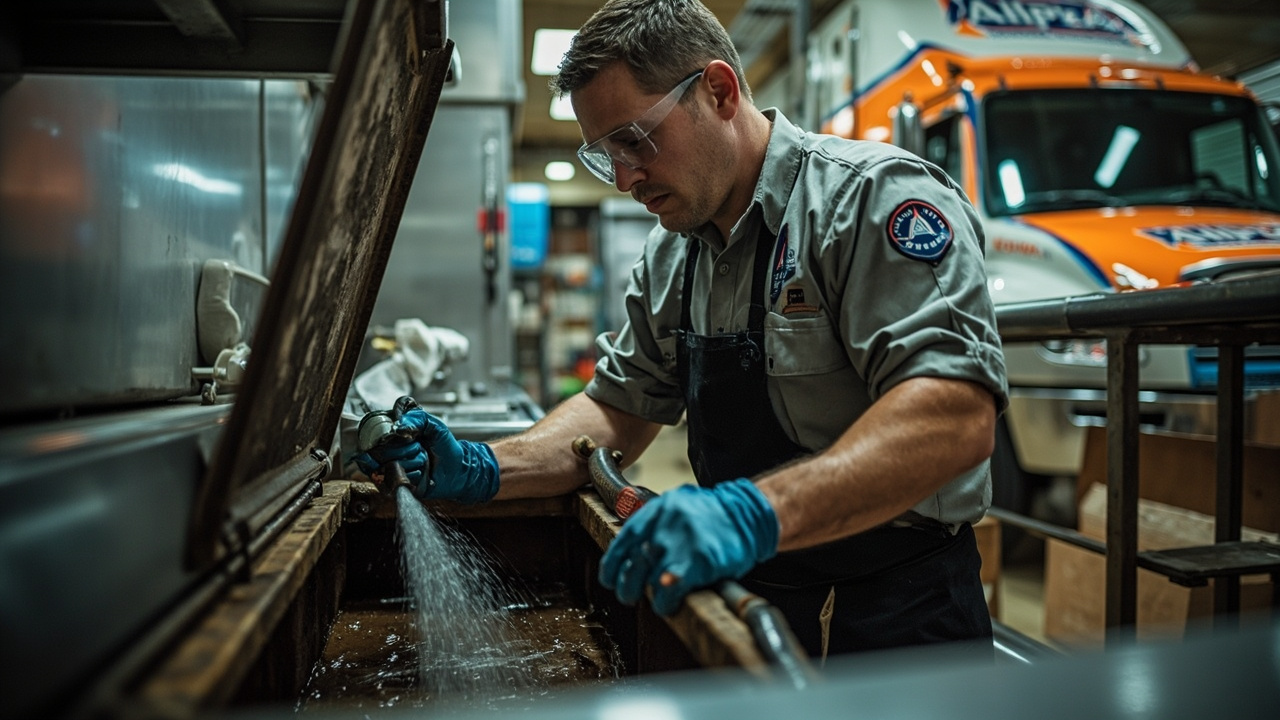
Alpha Plumbing San Antonio uses industrial vacuum trucks rated for commercial grease trap service. Our equipment handles interceptors from 500 to 5,000 gallons, extracting the full contents including settled solids, floating fats, and emulsified oils that standard pumping misses.

We extract from both the inlet and outlet baffles to remove the hardened grease layer that accumulates at connection points. This thorough approach prevents the partial cleaning that leaves residue buildup and accelerates your next service need. Our technicians measure remaining capacity and document compliance for your health inspection records.

During every restaurant grease trap service, we inspect baffle condition, check for cracks in the tank walls, and test the flow-restriction device. These components fail gradually, and catching problems early prevents catastrophic overflow situations. We verify that your interceptor sizing matches your current kitchen output, because menu changes and volume increases often exceed original specifications.

The extracted waste goes to licensed processing facilities that convert FOG (fats, oils, and greases) into biodiesel and other products. We provide manifests proving proper disposal, protecting you from environmental liability. Your documentation package includes pumping volume, service date, and next recommended service interval.

We flush inlet lines from your three-compartment sink and dishwasher to clear the accumulated grease that causes slow drainage between services. This additional step extends the effectiveness of each grease trap cleanout and reduces the frequency of line jetting needs. Our trucks carry enough water capacity to complete this flushing without impacting your kitchen operations.

How Commercial Grease Trap Pumping Works for Your Restaurant

Grease Trap Cleaning & Pumping in San Antonio | Minimize Downtime, Maximize Compliance
01

Scheduled Off-Hours Service

We coordinate pumping during your closed hours to eliminate operational disruption. Our technician confirms interceptor location, verifies access clearance for vacuum equipment, and sets up containment barriers. We document the current fill level and photograph tank condition before starting extraction. This scheduling flexibility means your kitchen staff never loses access to sinks or equipment during service hours.
02

Complete Tank Extraction

Our vacuum system removes all three layers: floating grease cap, middle water zone, and bottom solids. We extract from multiple access points to reach baffle pockets and dead zones where grease accumulates. The technician uses a high-pressure water lance to break up hardened deposits on tank walls and baffles. This complete removal restores your interceptor to full rated capacity and resets the separation efficiency.
03

Documentation and Compliance Records

We provide a detailed service report including gallons removed, tank condition assessment, and photographic documentation. You receive a compliance certificate with our contractor license number for your health inspection file. We note any needed repairs and provide recommendations for service interval adjustments based on your actual accumulation rate. This paperwork protects you during inspections and proves your maintenance commitment.

San Antonio Restaurant Owners Choose Experienced Commercial Plumbing Specialists

Alpha Plumbing San Antonio understands the specific requirements of City of San Antonio Ordinance 2018-04-19-0356, which governs FOG management programs. We know what health inspectors look for and ensure your documentation meets their standards. Our service records have helped numerous restaurant operators pass inspections and maintain uninterrupted operating permits.

We serve establishments throughout the San Antonio metro, from downtown hotel kitchens to Stone Oak casual dining chains. Our technicians understand the layout constraints of historic buildings on South Alamo Street and the high-volume demands of restaurants along Interstate 10 and Loop 1604. This local knowledge means faster service and better problem diagnosis.

Your grease interceptor system represents a significant investment in code compliance. We protect that investment with careful handling and thorough cleaning that extends tank lifespan. Unlike general pumping services that treat all tanks the same, we adjust our approach based on your kitchen type, menu profile, and actual grease load.

Our vacuum trucks are always ready for emergency calls when unexpected backups threaten your operations. We maintain relationships with San Antonio health inspectors and can coordinate re-inspections quickly after resolving violations. This responsiveness has saved operators from extended closures and the revenue loss that comes with them.

We service all interceptor brands including Zurn, Thermaco, Rockford, and Watts. Our parts inventory covers common baffle replacements and gaskets, allowing same-visit repairs that prevent return trips. When tank replacement becomes necessary, we handle permitting and coordinate with the City of San Antonio Development Services Department to minimize your downtime.

What Your Restaurant Experiences with Professional Grease Trap Service

Flexible Scheduling for Zero Kitchen Disruption

We pump grease traps during your closed hours, typically between 10 PM and 6 AM for dinner establishments or Sunday mornings for lunch-focused operations. Our technicians arrive in the scheduled window, complete extraction in 45 to 90 minutes depending on tank size, and leave your exterior access area clean. You can also request daytime service for slower periods. We maintain a schedule that matches your actual accumulation rate, typically every 30 to 90 days based on kitchen volume, rather than pushing unnecessary frequent service.

Comprehensive Inspection During Every Service

Each grease trap pumping includes a visual inspection of baffle integrity, inlet and outlet pipe condition, and tank structural soundness. We measure the grease and solids depth before pumping to track accumulation trends. Our technicians photograph problem areas and provide a condition report with every service. This diagnostic approach catches small issues before they become emergencies. We test your flow rates and verify that the interceptor is properly sized for your current menu and volume, recommending upgrades when kitchen expansion has exceeded original capacity.

Fully Restored Interceptor Capacity

After pumping, your grease interceptor returns to factory-rated separation efficiency. Drains flow freely from your prep sinks, dishwashing stations, and floor drains. The foul odors that accompany overloaded traps disappear immediately. You regain the full detention time needed for proper grease separation, which prevents FOG from entering the municipal sewer system and triggering violations. Our water-jetting of inlet lines ensures that grease buildup in your kitchen plumbing does not reduce the effectiveness of the freshly cleaned interceptor.

Compliance Documentation and Preventive Monitoring

You receive a compliance certificate immediately after service, along with waste manifests proving proper disposal at licensed facilities. We maintain digital service records accessible for health inspections and provide reminder calls before your next scheduled pumping. If we identify needed repairs during inspection, we provide written estimates with priority rankings so you can budget appropriately. Our preventive monitoring includes tracking your accumulation rate and adjusting service frequency recommendations as your business volume changes, preventing both wasteful over-servicing and risky under-servicing.

Frequently Asked Questions

You Have Questions,
We Have Answers

How much does it cost to pump out a grease trap? +

Grease trap pumping costs depend on trap size, location accessibility, and waste volume. In San Antonio, commercial kitchens typically pay between a baseline fee for small traps and higher rates for large interceptors exceeding 1,000 gallons. High-volume restaurants or facilities in areas like the Medical Center or downtown may face additional fees due to access challenges or frequency requirements. Service frequency also impacts pricing. Monthly contracts reduce per-visit costs compared to emergency calls. Request itemized quotes that include pumping, hauling, disposal fees, and compliance documentation. San Antonio businesses must budget for proper grease management to avoid city penalties and maintain health permits.

How much does it cost to get your grease trap cleaned? +

Grease trap cleaning costs mirror pumping fees but include additional labor for scraping baffles, removing solidified fats, and pressure washing the unit. San Antonio commercial operations pay based on trap capacity and condition. Heavily neglected traps require more time and disposal costs. Full-service cleaning includes pumping all contents, scraping interior walls, inspecting baffles and gaskets, and documenting service for city health inspectors. Restaurants in high-traffic zones like the River Walk or Alamo Heights need frequent service to stay compliant with San Antonio Water System discharge limits. Annual contracts reduce costs and ensure you meet Texas Commission on Environmental Quality standards without emergency surcharges or compliance violations.

How often should grease traps be pumped? +

Pumping frequency depends on your kitchen volume, grease output, and trap capacity. San Antonio health codes require commercial kitchens to pump when the trap reaches 25 percent solids capacity. High-volume operations like BBQ joints, Tex-Mex restaurants, and caterers typically need monthly or biweekly service. Lower-volume facilities may extend to quarterly schedules. Hot San Antonio summers accelerate grease breakdown and odor issues, requiring closer monitoring. Track your trap levels between services. Establish a maintenance log for health inspections. Skipping scheduled pumping causes backups, foul odors, and violations. Work with a licensed service provider to determine your optimal frequency based on actual grease loads and kitchen output.

How much does it cost to empty a grease trap? +

Emptying costs align with pumping services. You pay for labor, transportation, and proper disposal at approved facilities. In San Antonio, costs scale with trap size and waste quantity. A 50-gallon under-sink trap costs significantly less to empty than a 2,000-gallon outdoor interceptor. Distance from disposal facilities, accessibility issues, and service urgency affect pricing. Emergency same-day requests carry premium fees. Regular contracts reduce per-service costs and protect you from surprise charges. San Antonio businesses must verify their service provider holds proper hauling permits and disposes of grease waste at Texas-approved facilities. Request manifests for each service to prove compliance during city audits and health inspections.

Can I clean a grease trap myself? +

You can perform basic grease trap maintenance like scraping floating fats and cleaning baffles, but you cannot legally handle full pumping and disposal yourself. San Antonio and Texas regulations require licensed haulers to transport grease waste to approved treatment facilities. Improper disposal violates environmental codes and risks heavy fines. DIY cleaning also exposes you to confined space hazards, toxic gases, and biohazards. Commercial kitchens lack the vacuum trucks and equipment needed for complete extraction. You also forfeit compliance documentation required during health inspections. Leave pumping to certified professionals. Focus your staff on daily best practices like scraping plates and using strainers to reduce grease loads between professional services.

How much is a grease trap pump? +

A grease trap pump refers to the vacuum truck equipment used by service providers, not something businesses purchase. Industrial vacuum trucks cost upwards of six figures and require special licensing, maintenance, and disposal permits. San Antonio commercial kitchens do not need to buy pumps. You hire licensed contractors who own and operate this equipment. If you are asking about trap installation costs, small under-sink units start lower while large outdoor interceptors run significantly higher depending on capacity and installation complexity. Focus your budget on regular pumping contracts rather than equipment purchases. Licensed service providers handle all pumping logistics, disposal compliance, and documentation required by San Antonio health authorities.

Can a plumber clean a grease trap? +

Yes, licensed plumbers can clean grease traps, especially during installations, repairs, or emergency blockages. Routine pumping and disposal require specialized vacuum trucks and waste hauling permits that most plumbers do not carry. In San Antonio, you need contractors certified for grease waste transport to approved disposal sites. Plumbers handle mechanical issues like damaged baffles, leaking gaskets, or inlet pipe problems. For scheduled maintenance and pumping, use a dedicated grease trap service provider who maintains hauling permits and provides compliance manifests. Some full-service plumbing companies offer both services. Verify your contractor holds proper Texas credentials for waste hauling and disposal to avoid violations during city health inspections.

How long does it take to clean a grease trap? +

Cleaning time depends on trap size, access, and condition. Small under-sink traps take 30 to 60 minutes. Large outdoor interceptors require two to four hours for complete pumping, scraping, and washing. Heavily neglected traps take longer due to hardened grease and debris removal. San Antonio service providers schedule appointments based on your kitchen downtime to minimize business disruption. Morning appointments before lunch rushes work best for restaurants. The process includes pumping all liquids and solids, scraping baffles and walls, pressure washing the interior, and inspecting components. Technicians document the service for your compliance records. Regular maintenance reduces cleaning time because traps remain manageable between visits.

What are the signs of a full grease trap? +

A full grease trap shows multiple warning signs. Slow drainage in sinks, floor drains, and dishwashers indicates restricted flow. Foul sewage odors in your kitchen or dining areas signal decomposing grease. Grease or wastewater backing up into sinks or onto floors means the trap has exceeded capacity. You may notice grease floating at the trap opening or pooling around outdoor interceptors. In San Antonio heat, odors intensify quickly. Check your trap weekly. If solids reach 25 percent of total capacity, schedule pumping immediately. Ignoring these signs leads to health code violations, kitchen shutdowns, and expensive emergency cleanouts. Document inspections to prove diligence during city audits.

What happens if you don't empty a grease trap? +

Failing to empty grease traps causes operational, legal, and financial consequences. Grease solidifies and blocks drain lines, causing backups into your kitchen and dining areas. You face forced closures during health inspections and violations from San Antonio health authorities. Overflows damage flooring, equipment, and create biohazard conditions. Fats entering the municipal sewer system cause blockages and sanitary overflows, triggering fines from San Antonio Water System and potential lawsuits. You risk losing your food service permit. Cleanup costs and lost revenue during shutdowns far exceed regular maintenance expenses. Texas environmental agencies can levy penalties for improper grease disposal. Maintain your pumping schedule to protect operations, stay compliant, and avoid catastrophic business interruptions.

Why San Antonio's Tex-Mex Kitchen Loads Require Specialized Grease Management

San Antonio restaurants produce higher grease volumes than national averages due to the prevalence of Tex-Mex cuisine, barbecue establishments, and fried food concepts. Deep fryers, griddles running carnitas and carne asada, and the constant production of flour tortillas create FOG loads that overwhelm undersized grease traps. The summer heat intensifies the problem as grease liquefies in kitchen lines but solidifies rapidly in underground interceptors, creating blockages that backup during peak hours. Commercial grease trap pumping schedules must account for this regional cuisine profile.

San Antonio's FOG program enforcement has intensified following sanitary sewer overflows in older neighborhoods near downtown and along the San Antonio River watershed. The San Antonio Water System tracks repeat violators and imposes escalating fines for restaurants that discharge excessive grease into the municipal system. Local expertise matters because we understand how inspectors calculate your required pumping frequency based on actual kitchen output rather than arbitrary schedules. Our service documentation meets the specific formatting requirements that San Antonio health inspectors expect during their reviews.

Plumbing Services in The San Antonio Area

Although we are dedicated to serving San Antonio, Alpha Plumbing extends its reliable services throughout the surrounding areas. Our team is strategically located to respond promptly to your plumbing needs, whether you're in the heart of the city or a neighboring community. Explore our service area on the map to see if we cover your location, or contact us directly to confirm our availability and schedule a visit from our expert technicians.

Address:
Alpha Plumbing San Antonio, 700 North Saint Mary's Street, Riverwalk Place Ste 1400, San Antonio, TX, 78205

Additional Services We Offer

Our news updates

Latest Articles & News from The Blogs

Converting your Westover Hills home from an electric to a gas water heater Switching from an electric to a gas…

Converting your Westover Hills home from an electric to a gas water heater

Converting your Westover Hills home from an electric to a gas water heater Switching from an electric to a gas…

Putting a pot filler in your Alamo Ranch kitchen remodel

Professional Pot Filler Installation in Alamo Ranch, San Antonio Pot fillers are becoming a must-have upgrade for Alamo Ranch homeowners…

Common reasons why multiple toilets are backing up in your Meadow Village home

Common reasons why multiple toilets are backing up in your Meadow Village home When more than one toilet in your…

Contact Us

Protect your operating permit and prevent costly violations. Call Alpha Plumbing San Antonio at (210) 374-7773 to schedule your commercial grease interceptor cleaning. We service all of San Antonio and surrounding areas with flexible scheduling that fits your restaurant hours.