Menu

Low Water Pressure Issues in San Antonio – Expert Diagnosis and Permanent Fixes for Weak Flow

Alpha Plumbing San Antonio uses precision diagnostic tools and targeted repairs to solve weak water pressure, poor water pressure, and low water flow problems caused by San Antonio's hard water and aging infrastructure.

Slider Image 1
Slider Image 2
Slider Image 3
Slider Image 4
Slider Image 5
Slider Image 7
Slider Image 8
Slider Image 9
Slider Image 10
Slider Image 11

Why San Antonio Homes Struggle with Weak Water Pressure

You turn on the shower and wait. The water trickles out. You fill a pot and it takes three minutes. This is not normal, and you are not imagining it.

San Antonio sits on the Edwards Aquifer, one of the most mineral-rich water sources in Texas. That means hard water. High calcium and magnesium content builds up inside your pipes, narrowing the diameter and choking flow. Over time, galvanized steel pipes corrode from the inside out. You lose water pressure gradually, room by room, fixture by fixture.

Many homes in older neighborhoods like Alamo Heights, Monte Vista, and Terrell Hills still have original plumbing from the 1950s and 1960s. Those pipes are failing. You might also have a pressure regulator that has drifted out of spec, a hidden slab leak bleeding pressure underground, or sediment clogging your water heater inlet.

Decreased water pressure is not just annoying. It signals a deeper issue. Weak flow means your fixtures work harder. Your water heater struggles. Your washing machine takes twice as long. Your dishwasher leaves spots. If you have poor water pressure on the second floor but normal pressure downstairs, you likely have a blockage or a failing branch line.

San Antonio's clay soil shifts with moisture changes. This movement stresses underground supply lines and can crack them. A small crack does not flood your yard, but it bleeds pressure silently. You notice the symptom at the tap, but the cause is hidden six feet down.

Low water flow is a diagnostic problem. Most homeowners guess. We measure, test, and isolate the true cause.

Why San Antonio Homes Struggle with Weak Water Pressure
How We Diagnose and Solve Loss of Water Pressure

How We Diagnose and Solve Loss of Water Pressure

We do not guess. We use a calibrated pressure gauge at multiple test points to map your system. We check static pressure at the meter, dynamic pressure at the fixtures, and residual pressure under load. This tells us whether the problem is municipal supply, your pressure regulator, internal corrosion, or a hidden leak.

If your static pressure at the street is 70 psi but your shower only delivers 25 psi, we know the restriction is between the meter and the fixture. We isolate sections. We test before and after the pressure regulator. We check for partially closed gate valves. We inspect your water heater's inlet screen for sediment buildup.

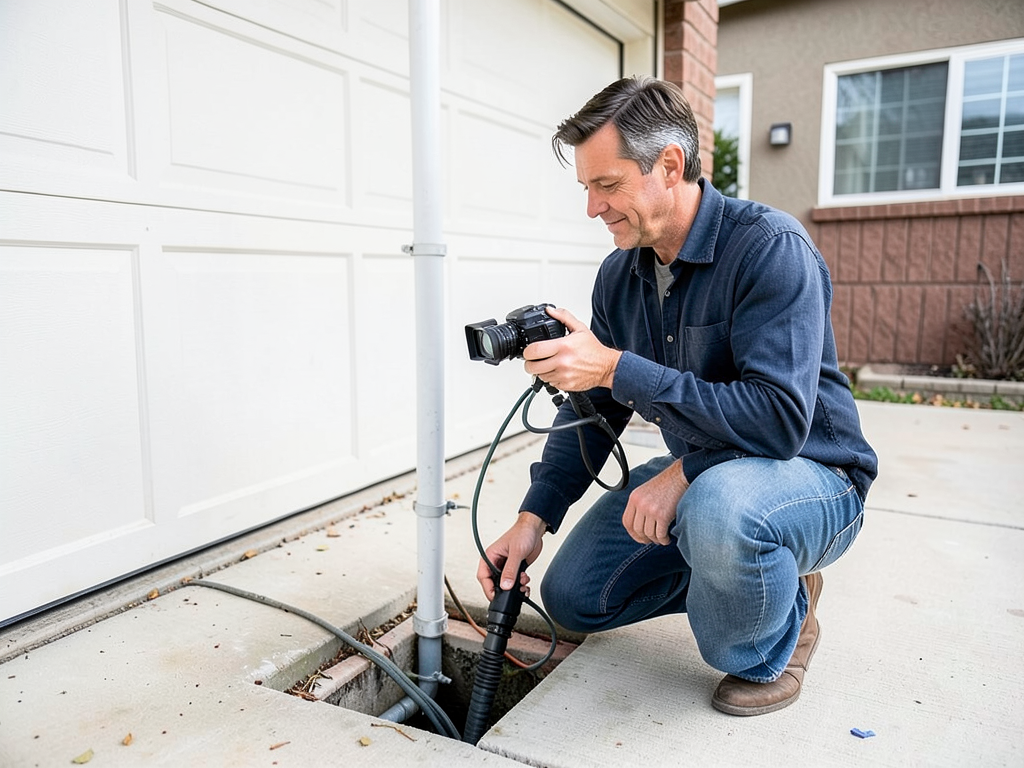
Hard water scale is visible under a borescope. We can scope your main line and branch lines to see the actual internal diameter. If your galvanized pipes are choked down to half their original size, no amount of flushing will fix it. You need a repipe.

We also test for leaks using acoustic listening equipment. A slab leak does not always show up as a wet spot. It shows up as lost pressure and a water bill that creeps higher each month. We pinpoint the leak location without tearing up your entire floor.

Alpha Plumbing San Antonio does not sell you a water softener as a bandaid. We fix the root cause. If your pressure regulator is set too low or has failed, we replace it and restore proper pressure throughout the house. If your main supply line is corroded, we repipe it with PEX or copper. If your water heater is clogged with sediment, we flush it or recommend replacement based on age and condition.

We explain what we find, what it means, and what your options are. You decide. We execute.

What Happens When You Call Us About Weak Water Pressure

Low Water Pressure Issues in San Antonio – Expert Diagnosis and Permanent Fixes for Weak Flow
01

Initial Pressure Testing

We arrive with a calibrated gauge and test your static pressure at the water meter and at key fixtures throughout your home. This baseline data tells us whether the city supply is adequate and where pressure is being lost. We document readings room by room to isolate the problem zone and rule out simple causes like a stuck valve or clogged aerator.
02

System Inspection and Diagnosis

We inspect your pressure regulator, check for visible corrosion on exposed piping, test your water heater for sediment buildup, and use acoustic tools to listen for hidden leaks in slab lines. If needed, we deploy a borescope to view the inside of your pipes and measure the actual flow diameter. This step identifies whether the issue is mechanical failure, scale buildup, or a concealed leak.
03

Targeted Repair or Replacement

We present you with clear options based on what we found. If your regulator failed, we replace it and restore normal pressure. If your pipes are scaled or corroded, we recommend a partial or full repipe. If a slab leak is stealing pressure, we reroute or repair the line. Once the work is complete, we retest pressure at every fixture to confirm full restoration and proper flow throughout your home.

Why San Antonio Homeowners Trust Alpha Plumbing for Pressure Problems

We have been diagnosing low water pressure in San Antonio homes since we opened. We know the plumbing fingerprint of this city. We know which neighborhoods have galvanized pipe from the 1960s. We know where the clay soil shifts hardest. We know how the Edwards Aquifer's mineral content accelerates scale buildup.

Most plumbers show up, check one faucet, and recommend a whole-house water softener. That does not fix existing blockages. It does not repair a failed pressure regulator. It does not solve a slab leak. We dig deeper.

Our technicians carry diagnostic equipment most companies do not own. We use pressure differential testing, acoustic leak detection, and video inspection to find the true cause. We do not upsell you on equipment you do not need. If your problem is a $150 regulator replacement, we tell you that. If your problem is a $4,000 repipe, we show you why.

San Antonio's building codes require specific materials and installation methods for repiping. We follow those codes. We pull permits when required. We use licensed plumbers who know the difference between a compression fitting and a push-fit connection, and when each is appropriate.

We also understand the urgency. Poor water pressure affects your daily routine. You cannot shower properly. Your washing machine takes forever. Your irrigation system underperforms. We schedule fast. We show up on time. We complete most diagnostics in a single visit.

Alpha Plumbing San Antonio does not subcontract. The person who answers your call works for us. The technician who shows up works for us. We control quality from first contact to final testing.

You get straight answers, fair pricing, and work that lasts.

What to Expect When We Fix Your Water Pressure Problem

Fast Scheduling and Prompt Arrival

We know weak water pressure disrupts your day. We schedule diagnostic appointments within 24 to 48 hours for most calls. Emergency situations get same-day response. Our technicians call ahead when they are on the way and arrive during your scheduled window. Most diagnostics take 60 to 90 minutes. If we need to return for a repair, we schedule it at your convenience. We do not leave you waiting or guessing.

Thorough Diagnostic Process

We test pressure at the meter, at the main shutoff, at your water heater, and at multiple fixtures. We check your pressure regulator setting and condition. We inspect visible piping for corrosion and scale. If needed, we use acoustic listening devices to detect hidden leaks in slab lines or underground supply pipes. We explain what we find in plain language. You see the pressure readings. You understand the problem before we discuss solutions.

Restored Flow and Consistent Pressure

When the repair is complete, you get water pressure that works. Showers run strong. Faucets fill quickly. Your washing machine cycles normally. Your dishwasher cleans properly. We retest every fixture to confirm consistent pressure throughout the house. If we replaced a regulator, we set it to the optimal range for your home and fixtures. If we repiped a section, we pressure test the new lines before closing walls or floors.

Clear Documentation and Maintenance Guidance

We provide a detailed summary of what we found, what we fixed, and what you should monitor going forward. If your home has hard water, we explain how to maintain your fixtures and when to consider a water softener. If you have older piping in other areas, we flag that for future attention. We do not pressure you, but we give you the information you need to plan. Our work comes with clear documentation of parts, materials, and labor for your records.

Frequently Asked Questions

You Have Questions,
We Have Answers

What is the most common cause of low water pressure? +

The most common cause of low water pressure in San Antonio is sediment buildup inside galvanized pipes, especially in older homes built before the 1980s. Our hard water, high in calcium and magnesium, leaves mineral deposits that gradually narrow pipe diameter. Corroded pipes restrict flow the same way. Leaking fixtures and partially closed shut-off valves also cause drops. In some neighborhoods near the edges of the city, main line issues from SAWS create temporary pressure loss. If you notice weak flow at multiple fixtures, sediment or corrosion is the likely culprit.

What to do if your water pressure is low? +

First, check if the problem affects one fixture or your whole house. Run faucets in different rooms. If only one fixture has weak flow, clean the aerator by unscrewing it and flushing debris. If every tap runs weak, locate your main shut-off valve near the water meter and confirm it is fully open. Check your pressure regulator if you have one. San Antonio water can fluctuate, so test pressure at different times. If the issue persists after these checks, call a licensed plumber to diagnose pipe corrosion, leaks, or regulator failure.

Why is the water pressure in my sink suddenly low? +

A sudden drop in sink pressure usually means a clogged aerator. Unscrew the aerator at the faucet tip and rinse out sediment and mineral buildup. San Antonio hard water clogs aerators quickly. If cleaning does not help, check the shut-off valves under the sink. They can get bumped or partially closed during cleaning. A failing cartridge inside the faucet can also restrict flow. If only hot water is weak, your water heater may have sediment blocking the outlet. Inspect these areas before assuming a bigger plumbing issue.

Do I need a plumber for low pressure? +

Yes, if basic troubleshooting does not fix the problem. Cleaning aerators and checking valves are simple tasks you can handle. But if pressure stays low after those steps, a plumber should inspect your system. Hidden leaks, corroded pipes, and failed pressure regulators require professional diagnosis. In San Antonio, older homes with galvanized plumbing often need repiping. A plumber uses a pressure gauge to measure your system and pinpoint the exact cause. Ignoring low pressure can lead to bigger problems like pipe bursts or water damage.

Who is responsible for low water pressure? +

Responsibility depends on where the problem originates. SAWS handles issues from the main line to your meter. If pressure is low citywide or on your street, contact SAWS directly. From the meter into your home, you own the pipes and pressure. Homeowners are responsible for leaks, clogged aerators, faulty regulators, and corroded pipes on their property. If you rent, your landlord must fix plumbing issues affecting water pressure. Check your lease terms. For persistent problems in your home, hire a licensed plumber to diagnose and repair the issue.

How can I get my water pressure back up? +

Start by cleaning all faucet aerators to remove mineral deposits. Flush sediment from your water heater by draining a few gallons from the bottom valve. If you have a pressure regulator, adjust it slightly clockwise to increase pressure, but do not exceed 80 PSI. Check that your main shut-off valve is fully open. In San Antonio, hard water and aging pipes often require professional help. A plumber can install a booster pump if your pressure is too low or repipe sections with heavy corrosion. These fixes restore strong, consistent flow.

How much for a plumber to fix low water pressure? +

The cost depends on the cause. Cleaning aerators or adjusting a regulator may cost 100 to 150 dollars for a service call. Replacing a faulty pressure regulator runs 300 to 600 dollars. If corroded galvanized pipes need replacing, expect 1,500 to 5,000 dollars depending on how much piping is damaged. Whole-house repiping costs more but solves chronic pressure loss in older San Antonio homes. Get a written estimate before work begins. Prices vary by plumber and the complexity of access to your pipes. Address the issue early to avoid costlier water damage.

How to unclog a p-trap? +

Place a bucket under the P-trap beneath your sink. Loosen the slip nuts by hand or with pliers and remove the curved pipe section. Dump contents into the bucket and flush the trap with hot water. Use a small brush to scrub away grease and debris. Check the pipe for cracks before reinstalling. Tighten slip nuts snugly but do not overtighten, which can crack plastic. Run water and check for leaks. If your trap is metal and corroded, replace it with PVC. This simple task prevents clogs and improves drainage without calling a plumber.

Can I adjust the water pressure myself? +

You can adjust your pressure regulator if you have one and feel comfortable doing so. Locate the bell-shaped device near your main shut-off valve. Turn the adjustment screw clockwise to increase pressure, counterclockwise to decrease. Make small quarter-turn adjustments and test pressure at a faucet. Do not exceed 80 PSI, which stresses pipes and fixtures. If you lack a regulator or are unsure, hire a plumber. Incorrect adjustments can damage your system. San Antonio homes without regulators connected directly to city supply cannot adjust pressure without installing a regulator first.

Is low water pressure a plumbing emergency? +

Low water pressure is not an emergency unless it signals a serious leak or sudden main line break. If pressure drops suddenly and you see water pooling, wet walls, or hear rushing water, shut off your main valve and call a plumber immediately. Gradual pressure loss from sediment or corrosion is a maintenance issue, not an emergency. However, do not ignore it. Weak pressure stresses your water heater and fixtures, and corroded pipes can burst. Address the problem within a few days to prevent damage. Schedule a diagnostic visit during normal business hours.

How San Antonio's Hard Water and Aging Infrastructure Create Chronic Pressure Loss

San Antonio's water comes from the Edwards Aquifer, which carries some of the highest mineral content in Texas. This hard water deposits calcium and magnesium scale inside your pipes every day. Over years, that buildup narrows the inside diameter of your supply lines and chokes flow. Older neighborhoods with galvanized steel piping see the worst effects because those pipes corrode from the inside as the minerals react with the metal. The combination of hard water and aging infrastructure makes decreased water pressure a common issue across Alamo Heights, Terrell Hills, and other areas with homes built before 1980.

Alpha Plumbing San Antonio has diagnosed water pressure problems in every part of this city. We know which subdivisions were plumbed with galvanized steel, which areas have higher mineral content, and how San Antonio's expansive clay soil stresses underground lines. Local expertise matters because fixing poor water pressure requires understanding the specific causes that affect this region. We follow San Antonio building codes for all repipe work, pull permits when required, and use materials rated for our water conditions. Choosing a plumber who knows this city means you get the right diagnosis and the right fix the first time.

Plumbing Services in The San Antonio Area

Although we are dedicated to serving San Antonio, Alpha Plumbing extends its reliable services throughout the surrounding areas. Our team is strategically located to respond promptly to your plumbing needs, whether you're in the heart of the city or a neighboring community. Explore our service area on the map to see if we cover your location, or contact us directly to confirm our availability and schedule a visit from our expert technicians.

Address:
Alpha Plumbing San Antonio, 700 North Saint Mary's Street, Riverwalk Place Ste 1400, San Antonio, TX, 78205

Additional Services We Offer

Our news updates

Latest Articles & News from The Blogs

Converting your Westover Hills home from an electric to a gas water heater Switching from an electric to a gas…

Converting your Westover Hills home from an electric to a gas water heater

Converting your Westover Hills home from an electric to a gas water heater Switching from an electric to a gas…

Putting a pot filler in your Alamo Ranch kitchen remodel

Professional Pot Filler Installation in Alamo Ranch, San Antonio Pot fillers are becoming a must-have upgrade for Alamo Ranch homeowners…

Common reasons why multiple toilets are backing up in your Meadow Village home

Common reasons why multiple toilets are backing up in your Meadow Village home When more than one toilet in your…

Contact Us

Call Alpha Plumbing San Antonio at (210) 374-7773 right now. We will schedule a diagnostic visit, find the cause of your weak water pressure, and restore strong, consistent flow throughout your home. No guessing. No upselling. Just real solutions.