Menu

Wet Spots in Yard San Antonio – Expert Underground Leak Detection and Permanent Repair

When you notice soggy patches in your lawn or unexplained standing water pooling in your yard, you need fast, accurate underground leak detection that pinpoints the exact source and stops water waste before it damages your foundation.

Slider Image 1
Slider Image 2
Slider Image 3
Slider Image 4
Slider Image 5
Slider Image 7
Slider Image 8
Slider Image 9
Slider Image 10
Slider Image 11

Why San Antonio Yards Develop Persistent Wet Spots

You walk across your lawn and step into a saturated area in grass that shouldn't be there. The sprinklers haven't run. It hasn't rained in days. Yet those damp spots in your lawn keep spreading.

San Antonio's expansive clay soil creates a perfect storm for hidden plumbing failures. When temperatures swing from 95 degrees in summer to occasional hard freezes in winter, the soil expands and contracts. This constant movement puts stress on underground water lines, irrigation pipes, and sewer laterals. A small crack becomes a steady leak. That leak saturates the soil above it, creating pooling water in your yard that won't dry.

The clay soil compounds the problem. It holds water instead of draining it. What starts as a pinhole leak in a pressurized water line can create a saturated zone three times the size of the actual failure point. You see the symptom on the surface, but the real damage happens underground where the constant flow erodes soil, undermines driveways, and threatens foundation stability.

Soggy patches in your lawn are not a drainage problem. They are a plumbing emergency masquerading as a landscaping issue. Every gallon that seeps into your yard adds to your water bill, wastes a precious resource in a region that knows drought, and slowly destabilizes the ground under your home. The longer you wait, the more soil washes away through that underground breach.

Why San Antonio Yards Develop Persistent Wet Spots
How We Locate and Repair Hidden Underground Leaks

How We Locate and Repair Hidden Underground Leaks

We do not guess. We do not dig exploratory trenches across your yard hoping to find the problem. We use electronic leak detection equipment that pinpoints failures within inches.

The process starts with pressure testing your water lines. We isolate sections of your plumbing system and measure pressure loss. This tells us which zone contains the breach. Then we deploy acoustic listening devices that detect the sound signature of water escaping under pressure. Different pipe materials create different acoustic profiles. PVC sounds different than copper. A pinhole leak sounds different than a split joint.

Once we identify the leak location, we use ground-penetrating equipment to map the exact depth and position of the failed pipe. This precision matters in San Antonio because many homes have irrigation lines, main water lines, and sewer laterals running within feet of each other. You cannot fix a water line leak if you accidentally cut into a sewer pipe three inches away.

We excavate only the necessary area. For water line failures, we cut out the damaged section and install a new coupling or pipe segment. For sewer line issues causing surface saturation, we assess whether a targeted repair or a full lateral replacement makes sense based on pipe age and condition. All repairs meet or exceed San Antonio Water System standards for depth, bedding material, and backfill compaction.

After the repair, we pressure test again to confirm zero leakage. Then we restore your yard with proper soil compaction so you don't end up with a sunken trench six months later.

What Happens During Your Underground Leak Investigation

Wet Spots in Yard San Antonio – Expert Underground Leak Detection and Permanent Repair
01

Initial Assessment and Testing

We start by listening to your water meter while all fixtures are off. If the meter shows flow, you have an active leak. We inspect the wet areas in your yard, check for correlation with plumbing runs, and test your home's water pressure. This baseline data tells us whether we are dealing with a supply line failure, irrigation leak, or sewer line infiltration.
02

Electronic Leak Pinpointing

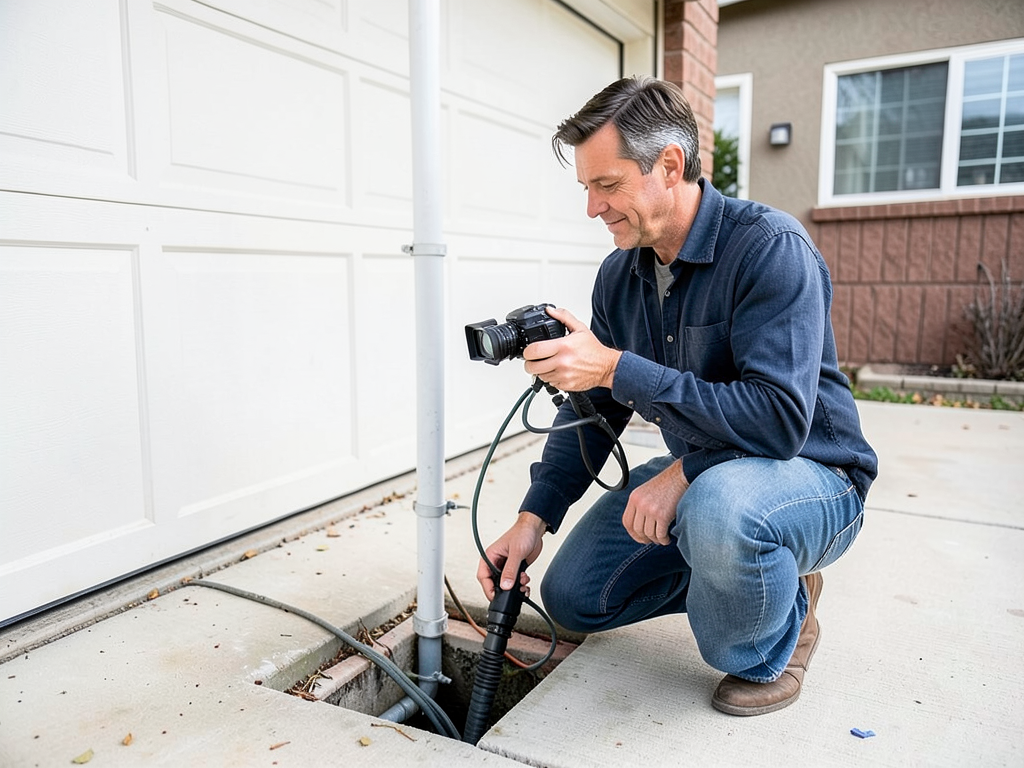
Using acoustic sensors and electromagnetic pipe locators, we trace your underground lines and listen for the distinct sound of pressurized water escaping through a breach. We mark the exact location on the ground surface. For sewer lines, we may use video inspection to confirm the failure point before excavation. This precision prevents unnecessary digging and landscape damage.
03

Repair and Verification

We expose the failed pipe section, remove the damaged area, and install the appropriate repair using code-compliant materials and fittings. After connecting the new section, we pressure test the entire line to confirm the repair holds under normal operating pressure. Only after verification do we backfill with compacted soil and restore the surface grade.

Why San Antonio Homeowners Trust Alpha Plumbing for Leak Detection

When you have unexplained standing water in your yard, you need a plumber who understands how San Antonio's soil and infrastructure create unique challenges.

We know that homes built before 1990 in older neighborhoods like Terrell Hills and Monte Vista often have galvanized steel water lines that corrode from the inside out. We know that properties in northern Bexar County with well water systems deal with different pressure dynamics than homes on city water. We know that the caliche layer common in San Antonio soil sits 18 to 36 inches below grade in most areas, and that impacts how we excavate and backfill.

This local knowledge prevents costly mistakes. A plumber unfamiliar with San Antonio's building patterns might assume your main water line runs in a straight shot from the meter to the house. But in many older properties, the line takes a curved path to avoid established tree roots or follows the original property lines from decades-old subdivisions. We check the records, we probe carefully, and we respect the reality of what lies underground.

We also understand the urgency. A water line leak in San Antonio's clay soil does not stay contained. The water follows the path of least resistance, which often means it migrates toward your foundation. That creates hydrostatic pressure against your slab or pier-and-beam structure. Left unchecked, you go from a plumbing problem to a foundation problem, and the cost multiplies by ten.

When we say we will locate your leak, we mean it. We do not stop until we find the source, and we do not leave your property until the repair is tested and verified.

What You Can Expect from Our Underground Leak Service

Same-Day Response for Active Leaks

If you call us about soggy patches in your lawn and we confirm an active underground leak, we prioritize your job. Most leak detection appointments happen within 24 hours of your call. For severe leaks causing foundation risk or significant water loss, we dispatch same-day. Our goal is to stop the flow and prevent further damage before your water bill climbs into four figures or your slab starts shifting.

Transparent Diagnosis Process

Before we dig, we explain what we found and show you the data. You will see the pressure test results, hear the acoustic signature if possible, and understand exactly where the failure is located. We provide a written estimate for the repair that includes excavation, materials, labor, backfill, and surface restoration. No hidden fees. No surprise charges when the dirt starts flying. You approve the work before we proceed.

Permanent, Code-Compliant Repairs

We use materials approved for underground installation in Texas. That means Schedule 40 PVC for water lines, properly rated PEX where applicable, or Type K copper for premium installations. Every joint is pressure-tested. Every connection meets San Antonio Water System standards. When we backfill, we compact in lifts to prevent settling. The repair will outlast the surrounding pipe, and your yard will not collapse into a trench next spring.

Post-Repair Monitoring Guidance

After we complete the repair and restore your yard, we provide simple instructions for monitoring the area. Watch for new wet spots. Check your water meter periodically to confirm zero flow when all fixtures are off. If you notice any issues within the first 30 days, we return to inspect at no charge. We also provide documentation of the repair location so future plumbers or landscapers know where the work was done.

Frequently Asked Questions

You Have Questions,
We Have Answers

How do I fix a wet spot in my yard? +

Start by identifying the source. Check for broken sprinkler heads, leaking irrigation lines, or underground pipe leaks. Turn off all water in your home and check your meter. If it's still spinning, you have a leak. For San Antonio's expansive clay soil, wet spots can also signal poor drainage or natural springs. Dig down 12 inches to see if water pools. If the leak is from your main line or sewer, call a licensed plumber immediately. For drainage issues, you may need French drains or regrading to redirect water away from the affected area.

What causes wet spots in the yard? +

Common causes include broken water lines, leaking irrigation systems, or failed sewer pipes. San Antonio's clay soil compounds the problem because it holds water and expands when saturated, creating depressions that trap moisture. You might also have a broken underground sprinkler line or a damaged main water supply pipe. Poorly graded yards allow water to pool instead of draining. Natural groundwater springs can surface during heavy rains. Check your water bill for sudden spikes, which signal a leak. If the wet spot smells foul, you're dealing with a sewer line issue that needs immediate attention.

How to fix water runoff in yard? +

Install a French drain system to capture and redirect runoff. Dig a trench sloped away from your home, line it with landscape fabric, fill with gravel, and add perforated pipe. For San Antonio yards with heavy clay soil, consider a dry creek bed using river rock to channel water during storms. Regrade problem areas so water flows toward the street or alley, not your foundation. Add soil to low spots and compact it properly. Downspout extensions should carry roof water at least 10 feet away. If runoff is severe, a professional may need to install a catch basin.

How to fix muddy spots in yard? +

Address the water source first. Fix leaking pipes or sprinklers causing the saturation. For San Antonio's clay soil, mix in coarse sand and organic compost to improve drainage. Aerate the muddy area with a core aerator to break up compaction. Fill low spots with a sand and topsoil blend, then overseed with St. Augustine or Bermuda grass. Install a French drain if water pools after rain. Avoid walking on muddy areas until they dry, as foot traffic worsens compaction. For chronic mud problems, consider installing pavers or gravel pathways in high-traffic zones.

How do I fix a swampy area in my yard? +

Swampy areas need aggressive drainage solutions. Install a French drain or dry well to capture standing water. For San Antonio properties with severe clay soil, you may need to excavate 18 to 24 inches, remove the clay, and backfill with sandy loam mixed with compost. Create berms or swales to redirect water flow. If the swamp is near your foundation, this is urgent. You could be dealing with a broken sewer line or main water leak. Have a plumber camera-inspect underground lines. Persistent swampy conditions damage foundations and attract mosquitoes, so act quickly.

Who is responsible for water leaks outside the house? +

You own the responsibility for leaks on your property, including the main water line from the meter to your home. The city of San Antonio maintains the water main in the street and the meter itself, but everything past the meter is yours. If a leak originates from your irrigation system, sewer lateral, or supply line, you pay for repairs. Homeowners insurance rarely covers gradual leaks, only sudden catastrophic failures. If you notice a wet spot, shut off your water at the meter and call a plumber. Delaying repairs increases your water bill and risks foundation damage.

How to dry up a wet yard fast without drainage? +

Spread a 2 to 3 inch layer of coarse sand or pea gravel over the wet area to promote evaporation and create temporary drainage. Aerate the soil with a pitchfork or core aerator to break surface tension. Redirect downspouts and turn off irrigation. In San Antonio's heat, wet soil can dry in 48 to 72 hours if the source is stopped. Rake leaves and debris that trap moisture. For small areas, use a wet-dry shop vacuum to extract standing water. If the yard stays wet without rain, you have an underground leak that requires professional detection and repair.

Should you still water your lawn in October? +

Yes, but reduce frequency. San Antonio's October temperatures still reach the mid-80s, and St. Augustine or Bermuda grass remains active. Water once or twice weekly instead of three times. Check soil moisture by inserting a screwdriver 6 inches down. If it goes in easily, skip watering. October brings unpredictable rain, so adjust based on weather. Overwatering in fall stresses roots and invites fungus. If you have a wet spot in your yard during this time, it's not from lack of rain. You likely have a leak or drainage problem that needs diagnosis.

Does dew on the grass mean no rain? +

No. Dew forms when overnight temperatures drop and moisture in the air condenses on cool grass blades. It has nothing to do with incoming rain. San Antonio mornings often show heavy dew, even during drought. Dew can reduce watering needs slightly, but it does not replace irrigation or rainfall. If your yard has wet spots that persist all day in areas without dew elsewhere, you have a subsurface leak or drainage issue. Dew evaporates by mid-morning. Persistent moisture signals a problem with your plumbing, irrigation system, or grading.

What to put on the ground to absorb water? +

Coarse sand, pea gravel, or expanded shale work well for absorbing and draining water in San Antonio's clay soil. Spread a 2 to 4 inch layer over wet areas. Mulch like pine bark or hardwood chips absorbs some moisture but decomposes quickly in saturated conditions. For permanent solutions, till in coarse builder's sand and compost to amend clay. River rock creates dry creek beds that channel water. Do not use fine sand, as it clogs clay pores and worsens drainage. If water keeps pooling, you need drainage infrastructure, not just surface amendments.

How San Antonio's Soil and Climate Make Underground Leaks Worse

San Antonio sits on expansive clay soil that shrinks during drought and swells when saturated. When an underground pipe fails, the escaping water creates a localized saturation zone. The surrounding clay absorbs that water and expands. This expansion puts pressure on the already-damaged pipe, often turning a small leak into a full break. Meanwhile, the saturated soil loses bearing strength. If the leak is near your foundation, the soil under your slab becomes unstable. This is why a simple water line leak can trigger foundation movement in San Antonio faster than in cities with sandy or loamy soil.

Alpha Plumbing San Antonio has worked in every major neighborhood from Alamo Heights to Stone Oak. We understand the plumbing infrastructure timelines in this city. We know which subdivisions used polybutylene supply lines in the 1980s and are now failing. We know where the water pressure spikes because of elevation changes near the Balcones Escarpment. This local expertise means we diagnose faster and fix it right the first time. You are not our learning opportunity. You are our neighbor, and we protect your property like it's our own.

Plumbing Services in The San Antonio Area

Although we are dedicated to serving San Antonio, Alpha Plumbing extends its reliable services throughout the surrounding areas. Our team is strategically located to respond promptly to your plumbing needs, whether you're in the heart of the city or a neighboring community. Explore our service area on the map to see if we cover your location, or contact us directly to confirm our availability and schedule a visit from our expert technicians.

Address:
Alpha Plumbing San Antonio, 700 North Saint Mary's Street, Riverwalk Place Ste 1400, San Antonio, TX, 78205

Additional Services We Offer

Our news updates

Latest Articles & News from The Blogs

Planning the plumbing and drainage for a new workshop or hobby shed in Beacon Hill Adding water and waste lines…

Planning the plumbing and drainage for a new workshop or hobby shed in Beacon Hill

Planning the plumbing and drainage for a new workshop or hobby shed in Beacon Hill Adding water and waste lines…

How to use SAWS rebates to upgrade the toilets in your North Central home

How to use SAWS rebates to upgrade the toilets in your North Central home San Antonio homeowners in North Central…

Why your water heater is making a popping sound and how to fix it (Oakwell Farms)

Why Is My Water Heater Making a Popping Sound? (San Antonio Guide) Your water heater is making a popping sound…

Contact Us

Call Alpha Plumbing San Antonio at (210) 374-7773 right now. We will schedule your leak detection service, locate the problem with precision equipment, and provide a transparent repair estimate before we dig. Every day you wait, more water escapes and more soil washes away.