Menu

Water Stains on Ceiling or Walls in San Antonio | Expert Leak Detection and Permanent Repair

Stop wondering where that moisture is coming from. Alpha Plumbing San Antonio uses thermal imaging and pressure testing to find hidden leaks fast, then fixes the source before your drywall, insulation, and framing suffer permanent damage.

Slider Image 1
Slider Image 2
Slider Image 3
Slider Image 4
Slider Image 5
Slider Image 7
Slider Image 8
Slider Image 9
Slider Image 10
Slider Image 11

Why Water Stains Spread So Fast in San Antonio Homes

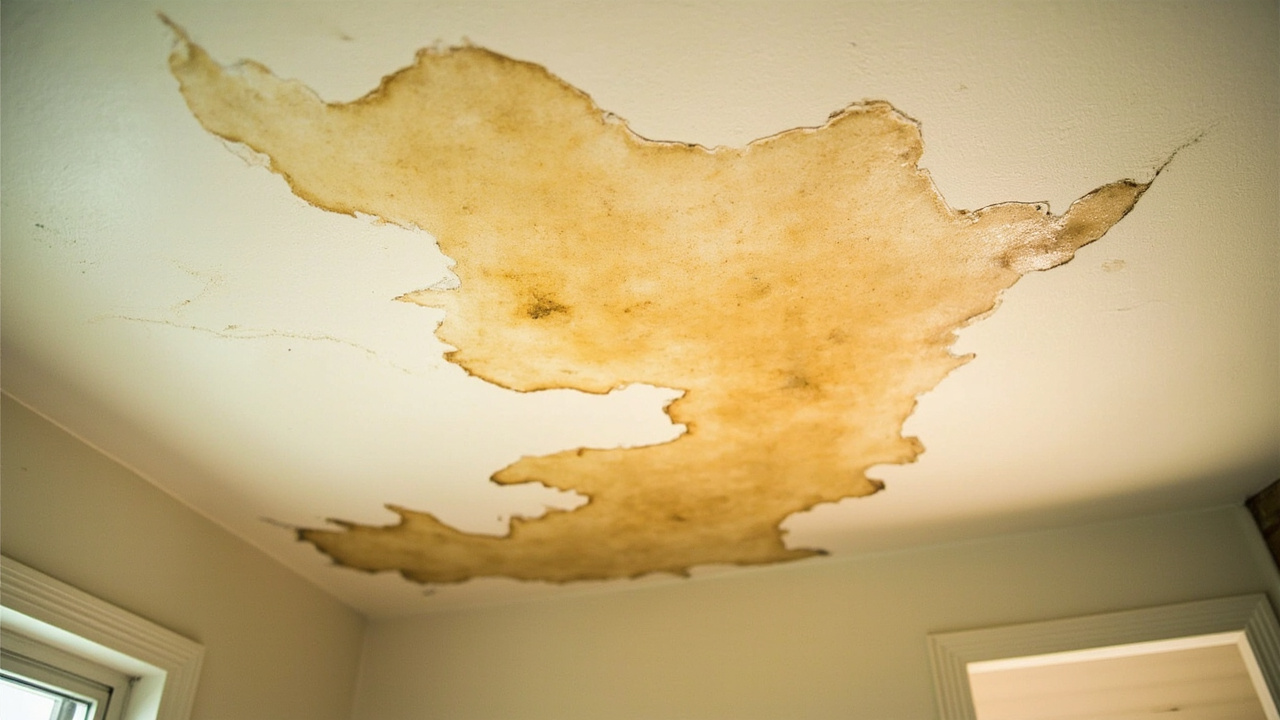
You spot a small brown spot on your ceiling near the bathroom. Two weeks later, it has doubled in size and the drywall feels soft to the touch. Water stains do not stay small in San Antonio. Our high humidity accelerates mold growth, and our hard water leaves yellow mineral deposits that telegraph exactly where moisture has been traveling through your walls.

Ceiling discoloration from a leak is not just cosmetic. That damp patch on your wall means water has already saturated the drywall, soaked the insulation, and possibly reached the wooden studs or joists. In older San Antonio homes with original cast iron drain lines or galvanized supply pipes, small pinhole leaks can go unnoticed for months. The moisture travels along framing, showing up as moisture stains on drywall far from the actual leak source.

San Antonio's expansive clay soil also plays a role. When the ground shifts during dry spells or after heavy rain, it stresses your slab foundation and can crack water supply lines buried in the concrete. The result is slow seepage that wicks up through walls or drips down from ceiling joints. You see yellow water marks, but the real problem is hidden behind the surface.

Brown spots on your ceiling often mean one of three things: a roof leak, a plumbing supply line failure, or a drain line issue. Each requires a different fix. Ignoring the stain will not make it go away. It will grow, the drywall will sag, and eventually you will face a ceiling replacement instead of a simple pipe repair.

Why Water Stains Spread So Fast in San Antonio Homes
How We Find and Fix the Leak Behind Your Water Stains

How We Find and Fix the Leak Behind Your Water Stains

Most companies cut a hole in your ceiling, look around, and guess. We use non-invasive diagnostics first. Thermal imaging cameras detect temperature differences caused by moisture. Wet insulation and framing show up as cool spots on the screen. We scan your ceilings, walls, and floors to map the moisture trail back to its origin.

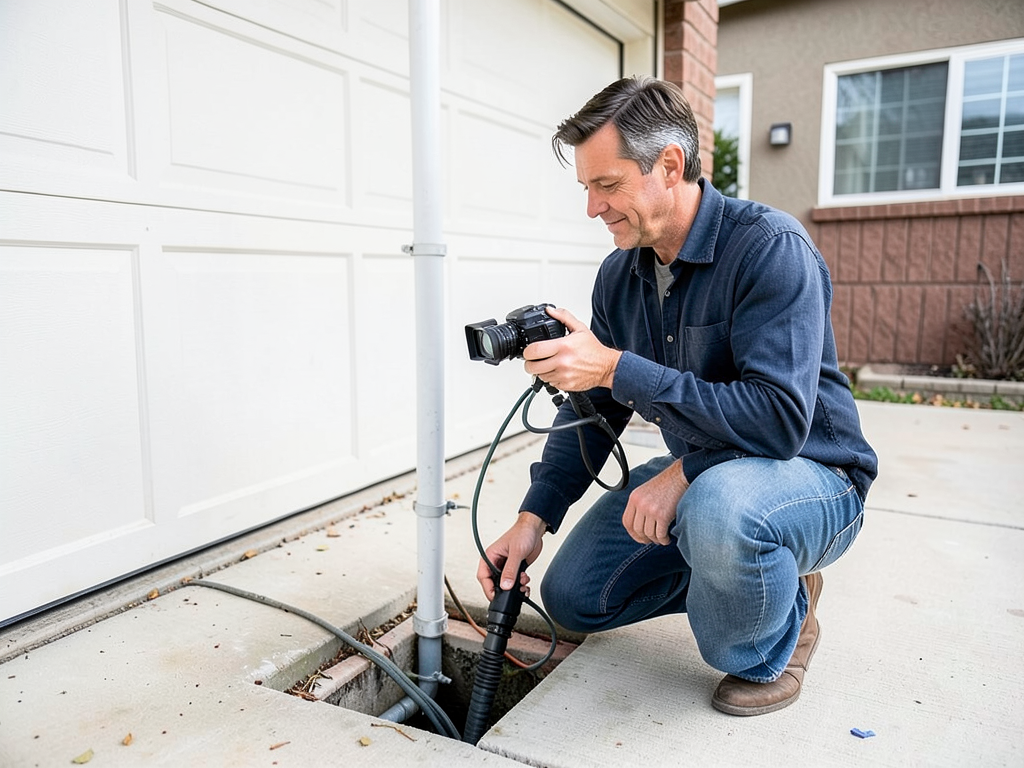
Once we narrow down the location, we use static pressure testing on your supply lines. We isolate sections of your plumbing system, pressurize them, and monitor for pressure drop. A failing pressure reading tells us exactly which line is leaking without tearing apart your home. For drain lines, we use video inspection. A waterproof camera feeds through your cleanouts and shows us cracks, root intrusion, or failed joints from the inside.

After we confirm the source, we access the damaged pipe using the smallest possible opening. If the leak is in a wall cavity, we cut a precise access panel instead of demolishing the entire wall. If it is in your attic, we work from above. If it is under your slab, we may use epoxy pipe lining to seal the crack from the inside, avoiding a full slab penetration.

We replace the damaged section with the correct material. If you have old galvanized pipe, we upgrade that section to PEX or copper. If a solder joint failed, we re-sweat it properly. If a drain boot seal has dried out, we replace it with a modern neoprene seal. The goal is not just to stop the leak, but to prevent the same failure from happening again in five years.

What Happens During Your Leak Detection and Repair Appointment

Water Stains on Ceiling or Walls in San Antonio | Expert Leak Detection and Permanent Repair
01

Moisture Mapping and Diagnostics

We start with a visual inspection of the stained area, then use moisture meters to measure saturation levels in your drywall and framing. Thermal imaging scans the surrounding walls and ceiling to trace the moisture path. We check attic spaces, crawl spaces, and adjacent rooms to rule out roof leaks or condensation. This step tells us whether the source is plumbing, roofing, or HVAC related.
02

Source Identification and Access

Once we confirm it is a plumbing leak, we use pressure testing or video inspection to pinpoint the exact failure point. We mark the location, explain what we found, and show you the diagnostic evidence. Then we create the smallest access point needed to reach the damaged pipe. We protect your floors and furniture, contain dust with plastic sheeting, and work cleanly.
03

Repair and Drywall Restoration

We replace the failed pipe section, test the repair under full pressure, and verify no other leaks exist nearby. If drywall is saturated beyond drying, we remove and replace it with new moisture-resistant board. We tape, mud, and texture-match the patch. You get a detailed photo record of the repair and recommendations for monitoring other aging pipes in your system.

Why San Antonio Homeowners Trust Alpha Plumbing for Leak Detection

San Antonio has a mix of housing stock. Older homes in neighborhoods like Monte Vista and Alamo Heights have cast iron drain stacks and galvanized supply lines installed in the 1940s and 1950s. Newer construction on the north side uses PEX and PVC, but builders sometimes take shortcuts with improper slope on drain lines or undersized venting. We have worked in both and know what fails first.

Our technicians understand how San Antonio's water quality affects your plumbing. The Edwards Aquifer supplies hard water with high mineral content. Calcium and magnesium build up inside pipes, narrow the flow path, and increase pressure at joints. Over time, this stress causes pinhole leaks in copper and corrosion in galvanized steel. We account for this when diagnosing why a pipe failed and recommend whole-home water softeners when appropriate.

We also know local building codes. If your repair involves opening a wall or replacing a section of drain line, we pull permits and schedule inspections as required by the City of San Antonio Development Services Department. This protects your home value and keeps your homeowner's insurance valid. Some handymen skip this step. We do not.

You are not hiring a one-truck operation. Alpha Plumbing San Antonio has the diagnostic tools, replacement parts inventory, and trained staff to handle leak detection the right way. We do not outsource to subcontractors. The technician who finds your leak is the same person who fixes it. That means faster turnaround, clear communication, and accountability from start to finish.

What You Can Expect From Start to Finish

Same-Day Diagnostic Appointments Available

Water stains grow fast. We offer same-day and next-day appointments for leak detection. When you call, we ask about the size, color, and texture of the stain so we can bring the right equipment. Most diagnostics take 60 to 90 minutes. If the leak is active and accessible, we can often complete the repair the same day. If we need to order a specialty part or schedule a slab penetration, we give you a clear timeline before we start work.

Transparent Diagnostics With Visual Proof

You will see what we see. We show you the thermal image, moisture meter readings, and video footage if we scope your drain lines. We explain what caused the leak, how much damage has occurred, and what needs to be repaired versus replaced. You receive a written estimate before any repair work begins. No surprises, no upselling. If your ceiling stain is actually a roof issue, we tell you and save you from paying for the wrong fix.

Clean, Precise Repairs With Minimal Disruption

We protect your home during the repair. Drop cloths go down, plastic sheeting contains dust, and we use HEPA vacuums to clean up drywall debris. Access holes are cut square and clean so the drywall patch blends seamlessly. If we need to shut off your water, we communicate the timeline and restore service as quickly as possible. You get a functional repair that does not look like a patchwork.

Follow-Up Guidance and Prevention Tips

After the repair, we walk you through what we fixed and how to monitor for future issues. If you have other aging pipes in the same system, we flag them and explain the expected lifespan. We provide a detailed invoice with photos of the before, during, and after stages. If you want to schedule a whole-home plumbing inspection to catch other potential failures, we offer that as a standalone service.

Frequently Asked Questions

You Have Questions,
We Have Answers

Why is there a water stain on my ceiling but no leak? +

A water stain without an active leak usually means condensation, past leaks, or roof issues. In San Antonio, high humidity and poor attic ventilation cause moisture to collect and stain ceilings. During summer, cold air conditioning meets hot attic air, creating condensation that mimics leak damage. Old roof damage from past storms can also leave residual stains even after repairs. Check your attic insulation and ventilation first. If the stain grows or changes color, you have an active problem that needs professional inspection to prevent structural damage or mold growth.

How to tell if water is leaking behind a wall? +

Look for warped baseboards, bubbling paint, or soft drywall. You may notice a musty smell or discolored patches spreading along the wall. In San Antonio homes with foundation movement from clay soil, wall cracks can hide slow leaks. Touch the wall, if it feels damp or cool compared to surrounding areas, water is present. Listen for dripping sounds or running water when fixtures are off. Water meter tests help confirm hidden leaks. Turn off all water, check the meter, wait 30 minutes, and check again. Movement means you have a leak somewhere in the system.

When to be concerned about water spots on a ceiling? +

Worry immediately if the stain grows, darkens, or feels wet. Any bulging, sagging, or soft spots in the ceiling mean structural damage is happening. Brown or copper-colored stains suggest active leaks, while yellow stains often indicate older moisture issues. In San Antonio, sudden ceiling stains after heavy rain point to roof damage that needs fast repair before monsoon season worsens the problem. Black or dark spots signal potential mold growth, which spreads quickly in our humid climate. Do not ignore fresh stains or any change in existing marks. Early action prevents costly ceiling replacement and health hazards.

Why am I getting wet spots on my ceiling? +

Wet spots mean active water intrusion from plumbing leaks, roof damage, or HVAC condensation. In San Antonio, aging clay tile roofs and summer thunderstorms commonly cause ceiling leaks. Check your attic during or after rain to locate the source. Bathroom and kitchen wet spots usually trace back to supply lines, drain pipes, or toilet wax rings. HVAC units in attics can overflow from clogged drain pans, especially during peak cooling months. Turn off water to suspect areas and call a plumber immediately. Wet ceilings deteriorate fast and create mold within 24 to 48 hours in humid conditions.

How to tell if water is leaking in the ceiling? +

Look for discoloration, sagging drywall, or peeling paint. Run your hand across the ceiling to feel for dampness or temperature changes. Active leaks often create rings that expand outward as water spreads. In San Antonio homes, check attic spaces above the stain for wet insulation, standing water, or dripping pipes. Inspect roof penetrations like vents and chimneys after storms. Use a moisture meter to confirm water presence before cutting into ceilings. Track your water bill for unexplained increases. Professional leak detection uses thermal imaging and acoustic tools to pinpoint sources without destructive exploratory cuts.

Do water stains always mean mold? +

No, but water stains create perfect mold conditions. Mold grows within 24 to 48 hours when moisture, warmth, and organic material combine. San Antonio's humidity accelerates this process, making quick action critical. Not all stains develop mold, especially if the leak dried quickly. However, you cannot see mold behind drywall or inside ceiling cavities. Dark or black stains strongly suggest mold presence. Musty odors confirm growth even without visible signs. Professional inspection determines contamination levels. Never assume stains are mold-free. Even dry stains indicate past moisture events that may have created hidden colonies requiring remediation.

How do plumbers detect leaks in walls? +

Plumbers use acoustic listening devices to hear water moving inside walls. Thermal imaging cameras detect temperature differences caused by moisture. Moisture meters measure wetness levels in drywall and wood framing. For hidden leaks, plumbers may inject tracer dye or use pressurized air tests to isolate problem areas. In San Antonio homes with slab foundations, electronic leak detection locates underground breaks without excavation. Video pipe inspection cameras examine drain and sewer lines from inside. Experienced plumbers also check water pressure drops and meter activity to confirm leak locations before cutting into walls, minimizing repair damage and costs.

How to find a leak in a wall or ceiling? +

Start by isolating the area. Turn off water to specific fixtures and monitor if the leak stops. Check above the stain in attics, crawl spaces, or upper floors for obvious water sources. In San Antonio's two-story homes, second-floor bathrooms often leak into first-floor ceilings. Look for pipe connections, supply lines, and drain traps. After heavy rain, inspect roofing and flashing around chimneys and vents. Use a moisture meter on surrounding walls to trace the wetness path. For concealed leaks, professional thermal imaging and acoustic detection pinpoint sources without destructive guesswork. Document everything with photos for insurance claims.

How to detect a water leak behind drywall? +

Watch for soft or discolored drywall, peeling paint, and warping baseboards. Moisture meters detect hidden wetness without cutting walls open. Thermal cameras show cool spots where water absorbs heat differently than dry materials. Listen for hissing or dripping when the house is quiet and all fixtures are off. In San Antonio homes, check exterior walls after rain for staining patterns that suggest intrusion points. Professional plumbers use pressure testing to isolate leaks in supply lines. For older homes with galvanized or polybutylene pipes, leaks often occur at joints and fittings behind walls. Early detection prevents major drywall replacement.

Who should I call for a water stain in my ceiling? +

Call a licensed plumber immediately to diagnose the source and prevent further damage. Water stains indicate active or past leaks that worsen without professional repair. In San Antonio, choose a plumber experienced with local foundation shifts and seasonal roof leak patterns. A qualified plumber will locate the leak, assess structural damage, and coordinate with roofers if needed. For insurance claims, document everything before repairs start. Do not delay. Ceiling stains spread quickly in our humid climate, creating mold risks and expensive repairs. Fast response protects your home value and family health from water damage complications.

How San Antonio's Hard Water and Slab Foundations Accelerate Hidden Leaks

San Antonio sits on expansive clay soil that swells when wet and shrinks when dry. This seasonal movement stresses your slab foundation and any water lines embedded in the concrete. A small shift can crack a copper supply line or separate a PVC joint, causing a slow leak that wicks up through your walls. You see ceiling discoloration or damp patches on walls, but the actual break is under your foundation. Add in our hard water, which corrodes metal fittings and leaves mineral buildup inside pipes, and you have a recipe for pinhole leaks that go unnoticed until the damage is visible.

Alpha Plumbing San Antonio has been diagnosing and repairing slab leaks and wall cavity failures across Bexar County for years. We understand how local conditions age your plumbing faster than the national average. Our technicians are trained in epoxy pipe lining, re-piping through attics to avoid slab penetration, and working with the City of San Antonio's permit requirements. When you hire local experts who know how San Antonio homes are built and how they fail, you get the right fix the first time.

Plumbing Services in The San Antonio Area

Although we are dedicated to serving San Antonio, Alpha Plumbing extends its reliable services throughout the surrounding areas. Our team is strategically located to respond promptly to your plumbing needs, whether you're in the heart of the city or a neighboring community. Explore our service area on the map to see if we cover your location, or contact us directly to confirm our availability and schedule a visit from our expert technicians.

Address:
Alpha Plumbing San Antonio, 700 North Saint Mary's Street, Riverwalk Place Ste 1400, San Antonio, TX, 78205

Additional Services We Offer

Our news updates

Latest Articles & News from The Blogs

Keeping the floor drains in your San Antonio garage from drying out and smelling Your garage floor drain should quietly…

Keeping the floor drains in your San Antonio garage from drying out and smelling

Keeping the floor drains in your San Antonio garage from drying out and smelling Your garage floor drain should quietly…

What you should never put down the disposal in your Five Points apartment

What you should never put down the disposal in your Five Points apartment\n\nSan Antonio's hard water and Five Points' older…

Why a water softener alone isn't enough for the drinking water in Hill Country Village

Why a water softener alone isn’t enough for the drinking water in Hill Country Village \n\n Living in Hill Country…

Contact Us

Water stains do not fix themselves. Call Alpha Plumbing San Antonio at (210) 374-7773 right now for same-day leak detection. We will find the source, explain your options, and repair it before your ceiling collapses or mold takes over.