Menu

Understanding Backflow Testing in San Antonio – Your Complete Resource for Compliance and Safe Water

Learn everything you need to know about backflow prevention assembly testing, inspection requirements, and San Antonio's unique water system challenges to protect your property and meet city regulations.

Slider Image 1
Slider Image 2
Slider Image 3
Slider Image 4
Slider Image 5
Slider Image 7
Slider Image 8
Slider Image 9
Slider Image 10
Slider Image 11

Why San Antonio Property Owners Need to Understand Backflow Testing

Your water system works under pressure. When that pressure drops or reverses, contaminated water can flow backward into the clean supply. This is backflow, and it poses a serious health risk.

San Antonio's water infrastructure serves over 1.5 million people across a sprawling metro area. The city's rapid growth in neighborhoods like Stone Oak, Alamo Ranch, and the Medical Center district means constant pressure fluctuations. New construction, water main breaks, and high-demand periods create conditions where backflow events become more likely.

The San Antonio Water System requires annual backflow certification for properties with irrigation systems, fire sprinkler connections, commercial kitchens, and industrial facilities. This is not optional. The backflow preventer inspection verifies your device actually works when pressure drops occur.

Most property owners do not understand what triggers a backflow test requirement. If you have any cross-connection between your plumbing and the public water supply, you need a backflow prevention assembly. These devices contain check valves and relief valves that prevent reverse flow. They fail over time due to mineral buildup, debris, and worn seals.

Water backflow testing requirements in San Antonio follow strict protocols. Only certified testers can perform the backflow device testing procedures. The test involves shutting off supply valves, checking differential pressure, and verifying that relief valves open at the correct pressure points. Failed tests mean immediate repairs before the city allows reconnection.

Understanding these requirements protects you from contamination risks, potential fines, and water shutoffs. The process is straightforward once you know what to expect.

Why San Antonio Property Owners Need to Understand Backflow Testing
How Backflow Testing Actually Works

How Backflow Testing Actually Works

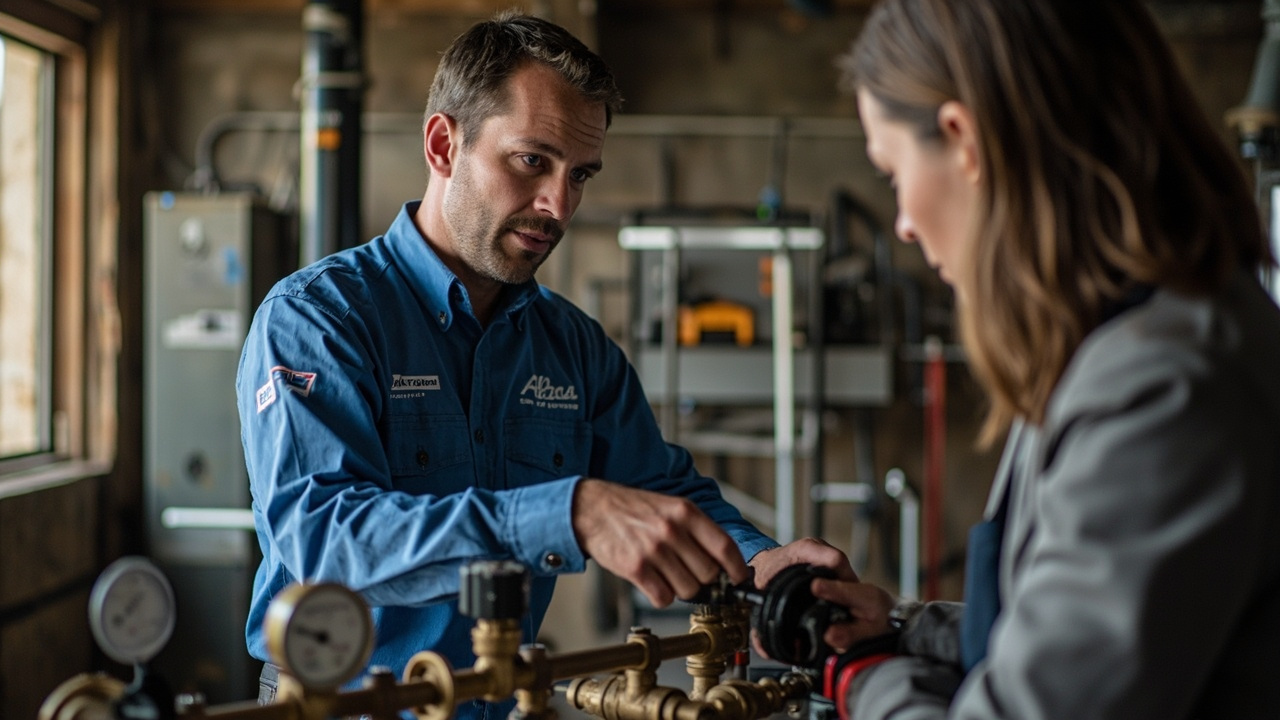
The backflow prevention assembly testing process follows a precise sequence. A certified tester arrives with calibrated gauge equipment that measures pressure differentials across the valve assembly. This is not a visual inspection. The test applies actual pressure conditions to verify mechanical function.

The tester first isolates your backflow preventer by closing the upstream and downstream shutoff valves. They attach test cocks to access ports on the device. The gauge kit connects to these ports and measures pressure at specific points during the test sequence.

For a reduced pressure zone assembly, the most common type in San Antonio, the test checks four conditions. First, the check valve must hold against reverse flow. Second, the relief valve must open when pressure drops below a safe threshold. Third, the second check valve must maintain a pressure differential. Fourth, all components must respond within acceptable ranges.

The backflow device testing procedures differ for double check valve assemblies and pressure vacuum breakers. Each device type has specific test requirements and acceptance criteria. The tester records every measurement on a standardized form.

If your device passes, the tester submits certification directly to San Antonio Water System. You receive a compliance tag with the next test due date. If it fails, you need immediate repairs. Common failures include stuck check valves, leaking relief valves, and fouled seats from sediment buildup in San Antonio's hard water supply.

Alpha Plumbing San Antonio employs state-certified backflow testers who understand the nuances of local water conditions. We test hundreds of assemblies each year and know exactly what the city requires for documentation and compliance.

What Happens During Your Backflow Test Appointment

Understanding Backflow Testing in San Antonio – Your Complete Resource for Compliance and Safe Water
01

Device Location and Preparation

The tester locates your backflow preventer, typically found near the water meter or irrigation system connection. They verify the device type, serial number, and last test date. The area around the assembly must be accessible. If vegetation or storage blocks access, you need to clear it before testing begins. The tester inspects for visible damage, corrosion, or leaks that indicate potential problems before the pressure test starts.
02

Pressure Testing Sequence

Using calibrated test gauges, the technician performs the complete test sequence according to backflow device testing procedures. They close isolation valves, attach test equipment to the test cocks, and measure pressure at each checkpoint. The relief valve gets tested for proper opening pressure. Both check valves get tested for closure and pressure differential maintenance. Every measurement gets recorded on the official test form for city submission.
03

Documentation and Compliance Filing

After completing the test, the technician generates a detailed report showing all measurements and pass or fail status. Passing devices receive a dated compliance tag attached to the assembly. The tester submits results electronically to San Antonio Water System within the required timeframe. You receive a copy for your records showing your next annual backflow certification due date. Failed devices require repair and retest before the city considers you compliant.

Why Local Expertise Matters for San Antonio Backflow Testing

San Antonio's water chemistry creates specific challenges for backflow preventers. The Edwards Aquifer supplies most of our municipal water. This aquifer water is extremely hard, with high mineral content that accelerates scale buildup inside valve assemblies. The calcium deposits cause check valves to stick and relief valves to seize.

A technician who understands these local conditions recognizes failure patterns before they cause problems. They know that assemblies serving irrigation systems in Dominion or Terrell Hills fail more frequently due to higher seasonal usage and sediment intrusion from landscaping connections.

The city's backflow prevention ordinance contains specific requirements for assembly placement, installation standards, and testing frequency. Commercial properties with multiple connections need comprehensive testing schedules. Industrial facilities with chemical systems face additional scrutiny. A local tester knows these regulations and ensures your property meets every requirement.

Alpha Plumbing San Antonio maintains current certification through the American Backflow Prevention Association. Our testers recertify annually and stay current on San Antonio Water System policy changes. We have established relationships with city inspectors and understand their documentation standards.

When you work with technicians who test in San Antonio every day, you avoid the common problems that cause compliance delays. We know which device manufacturers hold up best in local conditions. We understand the difference between residential and commercial testing requirements. We can explain why your particular property needs testing and what type of assembly serves your application best.

Many property owners discover testing requirements only after receiving a city notice. By then, you face deadlines and potential penalties. Local expertise means proactive compliance management instead of reactive crisis response.

What You Can Expect from Professional Backflow Testing

Scheduling and Response Time

Backflow testing does not require emergency response, but timing matters for compliance. Most property owners need annual backflow certification completed before the due date stamped on their existing tag. We schedule appointments within three to five business days during normal testing season. Spring months see higher demand as irrigation systems activate. Commercial properties often need testing coordinated around business hours to minimize disruption. The actual test takes 20 to 40 minutes per device, depending on assembly type and accessibility. We arrive during your scheduled window, complete the work efficiently, and submit documentation the same day. If you face a city deadline or notice of non-compliance, we prioritize urgent scheduling to prevent water service interruption.

The Testing Evaluation

Before testing begins, the technician performs a visual assessment of the backflow preventer. They check for proper installation angle, adequate clearance for testing, and signs of physical damage or corrosion. They verify the device matches city records for your property. During the backflow preventer inspection, they note any conditions that might affect performance even if the device technically passes the pressure test. This includes minor leaks, worn test cock caps, or corroded housing that suggests replacement timing. The evaluation provides you with a complete picture of your assembly's condition. You learn whether the device will likely pass next year's test or if you should budget for replacement. This proactive approach prevents surprise failures and service interruptions.

Test Results and Compliance

You receive a detailed test report showing every pressure measurement and the pass or fail determination. Passing assemblies get a new compliance tag with the next test due date clearly marked. The technician explains what the measurements mean and answers questions about your specific device. If the assembly fails any checkpoint, the report identifies which component caused the failure. Common issues include fouled check valves from sediment, failed relief valve springs, or worn seats that allow pressure loss. The technician explains repair options and provides a separate estimate for corrective work. After repairs, the device gets retested to verify compliance. Only then does certification get submitted to San Antonio Water System, ensuring your property record shows current compliance status.

Ongoing Compliance Management

Annual testing creates a compliance cycle that property owners need to track. We maintain records of every test and send reminder notices 30 days before your next test comes due. This prevents missed deadlines and city notices. For commercial properties with multiple backflow preventers, we create a master schedule showing each device's test date and location. Property managers receive comprehensive reports covering all assemblies on their portfolio. If you install a new irrigation system or add a fire sprinkler connection, we help you understand whether a backflow preventer is required and what testing schedule applies. The goal is seamless compliance that happens automatically each year without you tracking dates or worrying about city requirements. Your property stays protected and your water service stays uninterrupted.

Frequently Asked Questions

You Have Questions,
We Have Answers

How does backflow testing work? +

A certified tester connects specialized gauges to your backflow preventer's test cocks. They close valves in a specific sequence to measure differential pressure between check valves and relief valve operation. The tester simulates back-pressure and back-siphonage conditions to confirm each internal component functions correctly. In San Antonio, hard water deposits and mineral buildup from our aquifer supply can affect readings, so testers clean test cocks before starting. The process takes 15 to 30 minutes per device. Failed components trigger immediate repairs or replacement recommendations. You receive documentation showing test results, which San Antonio Water System requires for compliance records.

Can I do backflow testing myself? +

No. Texas law requires a state-licensed backflow prevention assembly tester to perform annual testing. You cannot self-certify. The Texas Commission on Environmental Quality mandates specific training, testing equipment calibration, and liability insurance that homeowners do not possess. San Antonio Water System rejects self-reported test results. DIY testing voids your compliance status and risks contaminating the public water supply. Improper gauge connections can damage the assembly or provide false readings. Attempting your own test may result in fines from local authorities. Always hire a certified professional who understands San Antonio's reporting requirements and can submit results directly to the municipal database.

How to tell if a backflow is bad? +

Warning signs include visible leaks from the relief valve, constant dripping, or water spraying during normal use. You may notice reduced water pressure throughout your property or discolored water after irrigation cycles. Listen for hissing sounds near the assembly. Check for corrosion, rust stains, or mineral deposits on the device body. In San Antonio's climate, UV exposure and temperature swings accelerate wear. If your landscape shows unexplained dry spots despite watering, the backflow preventer may restrict flow. Annual testing catches internal failures before they become obvious. Failed check valves allow contaminated water to reverse direction without external symptoms you can see.

What are the basics of backflow preventer? +

A backflow preventer is a mechanical valve assembly that stops water from flowing backward into the public supply. It contains check valves that close when forward pressure drops, preventing contaminated water from reversing direction. The relief valve opens to discharge water if back-pressure exceeds safe limits. San Antonio requires backflow preventers on irrigation systems, fire sprinklers, commercial kitchens, and any connection with potential contamination sources. Devices install at the property line or point of use. They need annual testing because internal springs, seals, and check valves wear over time. Hard water common in San Antonio accelerates component degradation, making regular inspection essential for public health protection.

Do all plumbers do backflow testing? +

No. Backflow testing requires specialized state certification beyond standard plumbing licenses. Many plumbers focus on installation and repairs but lack Texas Commission on Environmental Quality testing credentials. The certification process involves classroom training, field experience, and passing a comprehensive exam on cross-connection control. Certified testers must maintain calibrated gauge kits and carry specific liability insurance. In San Antonio, look for plumbers who display their TCEQ backflow tester license number. Some companies employ both licensed plumbers and certified testers. Always verify current certification before scheduling testing. Using an uncertified tester results in rejected reports and continued non-compliance with San Antonio Water System requirements.

What is the difference between PVB and RPZ? +

A Pressure Vacuum Breaker (PVB) protects against back-siphonage only and must install at least 12 inches above downstream piping. It works well for residential irrigation with no elevation changes. A Reduced Pressure Zone (RPZ) assembly defends against both back-siphonage and back-pressure, making it suitable for higher hazard applications. RPZ devices can install below grade in vaults, which San Antonio often requires for commercial properties. RPZ assemblies cost more but provide superior protection. They discharge water during testing and when operating properly, so you need drainage. PVB units are simpler and cheaper but limited to specific installations. Your hazard level determines which device meets code.

Is backflow testing hard? +

For certified professionals, backflow testing is straightforward but requires precision. The procedure follows strict steps and gauge reading interpretation that takes training to master. Technicians must understand hydraulics, valve operation, and pressure differentials. In San Antonio, testers encounter complications from mineral buildup, corroded test cocks, and improperly installed assemblies. Hard water makes gauge connection difficult. Field conditions vary widely from clean indoor installations to outdoor devices buried in landscape beds. Accurate documentation and proper reporting to municipal databases add administrative complexity. For homeowners, testing is impossible without certification. For trained professionals with calibrated equipment and local knowledge, it becomes routine but demands attention to detail on every device.

How much to charge to test a backflow? +

Backflow testing costs in San Antonio typically range based on device type, quantity, and accessibility. Most homeowners with a single residential irrigation backflow preventer pay a standard service rate. Commercial properties with multiple assemblies or high-hazard RPZ devices may see different pricing. Travel time, after-hours scheduling, and emergency testing affect costs. Prices include gauge calibration maintenance, liability insurance, reporting to San Antonio Water System, and documentation for your records. Some companies bundle testing with repairs if failures occur. Request quotes from certified testers who clearly explain what the fee covers. Remember that annual testing prevents costly contamination events and maintains your water service without interruption.

How many questions are on the backflow test? +

The Texas Commission on Environmental Quality backflow tester certification exam contains approximately 100 questions covering hydraulics, cross-connection control, device types, testing procedures, regulations, and field scenarios. Candidates must achieve a passing score to earn state certification. The exam tests knowledge of TCEQ rules, health hazards, assembly components, troubleshooting, and proper documentation. Questions include multiple choice and scenario-based problems requiring calculation and analysis. San Antonio testers must understand local water system requirements beyond state standards. Candidates typically complete preparatory courses before attempting the exam. Recertification requires continuing education to maintain current knowledge of evolving codes and testing protocols. This rigorous process ensures only qualified professionals perform testing that protects public health.

Is backflow testing really necessary? +

Yes. Annual backflow testing is legally required in San Antonio and protects the entire community water supply from contamination. Your irrigation system, fire sprinkler, or commercial equipment creates cross-connection hazards that can introduce chemicals, bacteria, or wastewater into drinking water lines. Internal components fail silently over time. Springs weaken, seals deteriorate, and check valves stick open without visible symptoms. San Antonio Water System enforces testing through compliance tracking and can discontinue service for non-compliance. One failed backflow preventer can contaminate water serving your entire neighborhood. Testing costs far less than health consequences or water service restoration fees. It verifies your safety device actually works when needed.

How San Antonio's Water Pressure Zones Affect Backflow Risk

San Antonio's topography creates distinct water pressure zones across the metro area. Properties at higher elevations near the hill country receive lower static pressure, while low-lying areas near downtown experience higher baseline pressure. This variation affects backflow risk because pressure fluctuations trigger backflow events. During high-demand periods or water main work, pressure drops can occur system-wide. The Edwards Aquifer's artesian characteristics also create unique pressure dynamics. When the aquifer level drops during drought periods, the city supplements supply with surface water from Canyon Lake. This mixing changes water chemistry and can accelerate valve deterioration. Understanding these local conditions helps property owners recognize why consistent backflow prevention assembly testing matters more in San Antonio than in cities with simpler water distribution systems.

San Antonio Water System enforces backflow prevention ordinances more strictly than many Texas municipalities. The city tracks over 50,000 backflow devices and maintains a comprehensive database of test due dates. Property owners who miss testing deadlines receive certified notices and face potential water service disconnection. The city's cross-connection control program regularly inspects commercial properties to verify required assemblies are installed and tested. Local plumbing contractors who perform regular water backflow testing requirements understand these enforcement patterns and help property owners maintain continuous compliance. Alpha Plumbing San Antonio works directly with city inspectors and stays current on ordinance updates that affect testing frequency or documentation standards. This local knowledge protects you from compliance gaps that trigger penalties or service interruptions.

Plumbing Services in The San Antonio Area

Although we are dedicated to serving San Antonio, Alpha Plumbing extends its reliable services throughout the surrounding areas. Our team is strategically located to respond promptly to your plumbing needs, whether you're in the heart of the city or a neighboring community. Explore our service area on the map to see if we cover your location, or contact us directly to confirm our availability and schedule a visit from our expert technicians.

Address:
Alpha Plumbing San Antonio, 700 North Saint Mary's Street, Riverwalk Place Ste 1400, San Antonio, TX, 78205

Additional Services We Offer

Our news updates

Latest Articles & News from The Blogs

Keeping the floor drains in your San Antonio garage from drying out and smelling Your garage floor drain should quietly…

Keeping the floor drains in your San Antonio garage from drying out and smelling

Keeping the floor drains in your San Antonio garage from drying out and smelling Your garage floor drain should quietly…

What you should never put down the disposal in your Five Points apartment

What you should never put down the disposal in your Five Points apartment\n\nSan Antonio's hard water and Five Points' older…

Why a water softener alone isn't enough for the drinking water in Hill Country Village

Why a water softener alone isn’t enough for the drinking water in Hill Country Village \n\n Living in Hill Country…

Contact Us

Do not wait for a city notice or missed deadline. Schedule your annual backflow certification now and maintain continuous compliance. Call Alpha Plumbing San Antonio at (210) 374-7773 to book your test appointment and get expert answers to your backflow questions.