Menu

Commercial Kitchen Plumbing in San Antonio | Minimize Downtime with Industrial-Grade Food Service Systems

Alpha Plumbing San Antonio delivers high-capacity commercial kitchen plumbing designed for San Antonio's demanding food service operations, ensuring code compliance and uninterrupted service during your busiest hours.

Slider Image 1
Slider Image 2
Slider Image 3
Slider Image 4
Slider Image 5
Slider Image 7
Slider Image 8
Slider Image 9
Slider Image 10
Slider Image 11

Why San Antonio Restaurants and Food Service Operations Need Specialized Commercial Kitchen Plumbing

Your restaurant or food service facility cannot afford plumbing failures during peak service hours. A single backed-up grease trap or failed dishwasher line costs you revenue, damages your reputation, and risks health code violations that shut down operations entirely.

San Antonio's booming hospitality sector, concentrated in areas like the Pearl District, Southtown, and along the River Walk, faces unique challenges. The city's hard water, with elevated calcium and magnesium levels from the Edwards Aquifer, accelerates mineral buildup in commercial dishwashers, ice machines, and steam equipment. This buildup restricts flow, damages seals, and causes premature equipment failure.

Local health code enforcement through San Antonio Metro Health is strict. Violations related to plumbing failures, cross-contamination risks from backflow, or inadequate grease interceptor maintenance trigger immediate closure orders. The cost is not just the repair bill. You lose inventory, payroll continues, and customers go elsewhere.

Industrial kitchen plumbing demands differ fundamentally from residential work. High-volume dishwashers cycle hundreds of gallons per hour. Grease traps require proper sizing and maintenance schedules tied to your kitchen's output. Floor drains need correct pitch and trap primers to prevent sewer gas infiltration. Professional kitchen plumbing systems must handle thermal shock from rapid temperature swings and chemical exposure from sanitizers and degreasers.

Restaurant plumbing services require technicians who understand food service codes, fixture scheduling, and the operational tempo of commercial kitchens. Generic plumbing knowledge does not address the specialized fixtures, backflow prevention assemblies, and grease management systems that keep your operation compliant and functional.

Why San Antonio Restaurants and Food Service Operations Need Specialized Commercial Kitchen Plumbing
How Alpha Plumbing San Antonio Delivers Commercial Kitchen Plumbing Solutions That Protect Your Business

How Alpha Plumbing San Antonio Delivers Commercial Kitchen Plumbing Solutions That Protect Your Business

We approach commercial kitchen plumber projects with a focus on minimizing disruption and maximizing system longevity. Our methodology begins with a detailed assessment of your current plumbing infrastructure, fixture loads, and operational demands.

We map your waste lines, vent stacks, and supply mains to identify bottlenecks, undersized piping, or code violations that threaten compliance. Many older San Antonio buildings, especially those in the historic districts near downtown, have plumbing systems that predate modern food service demands. Cast iron waste lines corrode internally, reducing flow capacity. Inadequate venting causes slow drainage and trap siphoning that allows sewer gas into your kitchen.

Our installations use schedule 40 PVC or cast iron rated for commercial discharge temperatures. We size grease interceptors based on your fixture unit load and menu type, not arbitrary guesses. A high-volume fryer operation demands different grease management than a sandwich shop. We install compliant backflow prevention assemblies on all potable water connections to protect against cross-contamination, a non-negotiable requirement under San Antonio's plumbing code.

For food service plumbing upgrades, we schedule work during your closed hours or slow periods. We stage materials in advance, prefabricate assemblies off-site when possible, and coordinate with your kitchen manager to avoid interfering with prep or service. Our technicians carry commercial-grade parts and fixtures to eliminate delays from parts runs.

We test all connections under full load conditions. We verify proper trap seal retention, check for leaks under pressure, and confirm that all fixtures drain at the required rate. We document all work for your health inspection records and provide as-built drawings for future reference.

How Commercial Kitchen Plumbing Installation Works in Your San Antonio Facility

Commercial Kitchen Plumbing in San Antonio | Minimize Downtime with Industrial-Grade Food Service Systems
01

Site Assessment and Load Calculation

We conduct a full site survey to inventory all fixtures, measure current flow rates, and calculate your total fixture unit load. We review your menu, peak service volume, and equipment specifications to determine required capacity. We identify code compliance gaps, structural constraints, and access points for new piping. This assessment includes photographing existing conditions and measuring all critical dimensions to ensure accurate material ordering and minimal field adjustments during installation.
02

System Design and Permitting

We prepare detailed plumbing drawings showing all supply lines, waste lines, vent routing, and fixture placements. We size all piping according to the International Plumbing Code and San Antonio amendments. We submit permit applications to the city and coordinate inspection schedules around your operational calendar. Our designs account for future expansion, equipment changes, and maintenance access. We specify fixture models, valve types, and connection methods before ordering materials to avoid delays and ensure compatibility with your existing kitchen equipment.
03

Installation and Final Testing

We complete all rough-in work during your closed hours, pressure-test all lines, and install fixtures according to manufacturer specifications. We verify proper drainage under simulated load conditions, test all backflow prevention devices, and confirm grease trap operation. We walk through the completed system with your kitchen manager, explaining maintenance requirements and providing operation manuals. We remain on-site for your first full service period to address any issues immediately and ensure all systems perform as designed under real-world conditions.

Why San Antonio Food Service Operators Choose Alpha Plumbing San Antonio for Commercial Kitchen Projects

We understand the stakes. A plumbing failure during Saturday dinner service or Sunday brunch costs you thousands in lost revenue and damages relationships with customers who waited weeks for reservations. We respond to emergency calls from food service clients within two hours because we know every minute of downtime multiplies your losses.

Our technicians know San Antonio's commercial building stock. We have worked in repurposed historic buildings downtown, strip center conversions in the Medical Center area, and purpose-built facilities in the hospitality zones near the AT&T Center and airport. Each building type presents different challenges. Historic structures often lack adequate venting or have undersized supply mains. We know how to retrofit modern commercial plumbing systems into these spaces without compromising structural integrity or violating historic preservation requirements.

We maintain relationships with local health inspectors and code officials. We know what triggers red flags during inspections and how to document our work to satisfy their requirements. We pull our own permits, schedule our own inspections, and take responsibility for passing on the first attempt. You do not chase paperwork or reschedule failed inspections.

Our trucks stock commercial-grade parts for major equipment brands. When a dishwasher fill valve fails or a three-compartment sink drain clogs during service, we carry the parts to fix it immediately. We do not leave to find parts while your kitchen sits idle.

We also provide preventive maintenance contracts tailored to your operation. Regular grease trap pumping and enzyme treatment, quarterly drain line cleaning, annual backflow testing, and fixture inspections keep your systems compliant and operational. Scheduled maintenance costs less than emergency repairs and prevents the catastrophic failures that shut down your business.

What to Expect When You Partner with Alpha Plumbing San Antonio for Commercial Kitchen Plumbing

Rapid Response and Flexible Scheduling

We schedule installations and upgrades during your closed hours or slow periods to avoid disrupting service. For emergency repairs, we arrive within two hours with fully stocked trucks ready to address the problem immediately. We understand that every hour your kitchen is down costs you revenue and damages your reputation. Our technicians work efficiently, complete repairs correctly the first time, and verify all systems before leaving your site. We provide 24/7 emergency support for our commercial clients because plumbing failures do not respect business hours.

Comprehensive System Evaluation

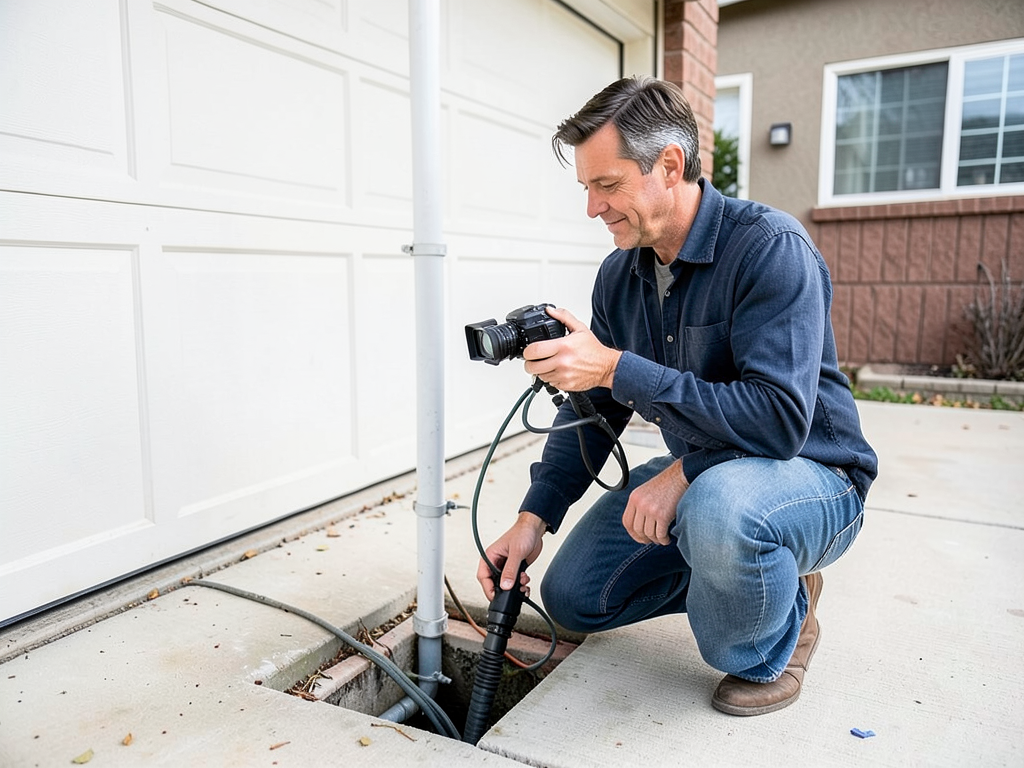
We conduct detailed assessments of your entire plumbing system, not just the immediate problem area. We use video inspection equipment to examine waste line interiors, identify developing problems like root intrusion or corrosion, and document conditions for your records. We measure flow rates, test water pressure at all fixtures, and verify proper venting throughout your system. Our evaluation includes checking grease trap sizing, backflow prevention device functionality, and compliance with current San Antonio health codes. You receive a written report with photographs documenting all findings and recommended actions prioritized by urgency.

Code-Compliant, Durable Installations

Every installation meets or exceeds International Plumbing Code standards and San Antonio amendments. We use commercial-grade materials rated for the thermal stress, chemical exposure, and high flow volumes your kitchen generates. Our work passes inspection the first time because we know the code requirements and build to those standards automatically. You receive as-built drawings showing all piping routes, valve locations, and fixture specifications. These documents prove invaluable for future renovations, equipment changes, or troubleshooting. We stand behind our installations because we use quality materials and proper techniques from the start.

Ongoing Preventive Maintenance Support

We offer customized maintenance agreements that keep your plumbing systems running smoothly and ensure continuous code compliance. Regular services include grease trap pumping on schedules matched to your kitchen's output, quarterly drain line cleaning with enzyme treatments to prevent buildup, annual backflow prevention device testing and certification, and semi-annual fixture inspections. These proactive services cost less than emergency repairs and prevent the failures that shut down operations. We maintain detailed service records for your health inspection files and send automatic reminders when scheduled services are due. Your maintenance agreement also qualifies you for priority emergency response and preferred rates on repairs.

Frequently Asked Questions

You Have Questions,
We Have Answers

Are floor drains required in commercial kitchens? +

Yes. San Antonio health code requires floor drains in commercial kitchens to manage spills, cleaning runoff, and equipment discharge. The International Plumbing Code mandates properly sloped floors with sufficient drain capacity to prevent standing water, which creates slip hazards and health violations. Your floor drains must include removable strainer baskets to catch debris and connect to grease interceptors before entering the main sewer line. Inspectors verify drain placement during permitting. Restaurants in high-humidity San Antonio climates need drains that handle condensation from walk-in coolers and ice machines. Neglecting this requirement delays your certificate of occupancy and risks costly retrofits.

What plumbing is needed for a kitchen? +

Commercial kitchens require hot and cold water supply lines, drain lines with proper venting, grease traps or interceptors, floor drains, backflow preventers, gas lines for cooking equipment, and emergency eyewash stations if chemicals are used. You need separate three-compartment sinks for dishwashing, prep sinks, mop sinks, and equipment connections for dishwashers, ice machines, and steamers. San Antonio code requires copper or CPVC supply lines rated for commercial pressure. All fixtures must meet NSF standards. Your plumber must size water heaters and booster pumps to meet peak demand during service hours. Proper venting prevents sewer gases and maintains drainage efficiency across your operation.

What is considered commercial plumbing? +

Commercial plumbing serves business and institutional facilities with higher usage demands than residential systems. It includes larger-diameter pipes, commercial-grade fixtures, backflow prevention assemblies, grease interceptors, and systems designed for continuous daily operation. Commercial work requires understanding health codes, ADA compliance, and fire suppression connections. In San Antonio, commercial plumbers handle restaurants, hospitals, hotels, and office buildings where failures cause business interruption and liability exposure. The work involves coordinating with health inspectors, managing complex multi-floor systems, and sizing equipment for peak loads. Commercial plumbers carry different licensure and insurance than residential contractors because stakes and code requirements differ significantly.

Can a toilet and kitchen sink share the same drain? +

Absolutely not in commercial facilities. San Antonio health code strictly prohibits cross-connections between restroom fixtures and food preparation areas. Toilets carry fecal coliform bacteria that cannot risk contaminating kitchen drainage. You must maintain separate drain lines with dedicated venting to prevent backflow and odor transfer. Health inspectors will red-tag your operation if they discover shared drainage during inspections. This rule protects public health and prevents liability exposure. Even if your toilet and kitchen sink share a building's main sewer line downstream, they must have independent branch lines until well past the food preparation zone. Violating this code means failed inspections and delayed openings.

What is the 3x4 kitchen rule? +

The 3x4 rule is a residential kitchen design guideline, not a commercial plumbing code. It suggests the sum of the three sides of your work triangle should not exceed 26 feet for efficiency. This concept does not apply to commercial kitchen plumbing requirements in San Antonio. Your commercial kitchen must follow health department spacing rules, NSF equipment standards, and the International Plumbing Code for fixture placement. Focus instead on handwashing sink proximity, three-compartment sink placement for dishwashing flow, and adequate drain capacity for your equipment load. Your plumber designs around operational efficiency, code compliance, and health inspector requirements, not residential kitchen triangle theories.

Does every outlet in a commercial kitchen need to be GFCI? +

Yes. The National Electrical Code requires GFCI protection for all 125-volt, single-phase, 15 and 20-ampere receptacles in commercial kitchens to prevent electrocution in wet environments. San Antonio inspectors verify GFCI compliance during final electrical inspections. Water, grease, and cleaning chemicals create constant shock hazards around prep areas, dishwashing stations, and equipment. While this is an electrical code matter, your plumber coordinates placement because water sources and drainage determine outlet locations. GFCI outlets trip when detecting ground faults, protecting employees from fatal shocks. This requirement applies even to outlets behind equipment. Non-compliance fails inspection and creates serious liability if an employee is injured.

What is the code for kitchen sink drain pipe? +

The International Plumbing Code requires minimum 1.5-inch drain pipe for commercial kitchen sinks, though most use 2-inch for grease-laden waste. San Antonio adopts the IPC with local amendments. Your drain pipe must maintain a quarter-inch drop per foot of horizontal run to ensure proper flow velocity. All kitchen drains must connect to an approved grease interceptor before entering the building sewer. Drain lines need proper venting within 5 feet of the trap to prevent siphoning and maintain drainage speed. Material must be schedule 40 PVC, cast iron, or approved equal. Undersized drains cause backups during peak service, creating health violations and operational shutdowns.

How much does plumbing cost for a kitchen? +

Commercial kitchen plumbing costs vary widely based on size, equipment count, and existing infrastructure. Budget planning should account for rough-in work, fixture installation, grease interceptor systems, gas line work, and permit fees in San Antonio. A small café might require different investment than a full-service restaurant. Cost factors include water heater capacity, number of sinks, floor drain placement, and whether you need backflow preventers or booster pumps. Existing building conditions affect pricing significantly. Obtain detailed quotes from licensed commercial plumbers who understand health code requirements. Proper budgeting prevents mid-project surprises that delay your opening and drain operating capital.

Does a kitchen need a floor drain? +

Yes. Commercial kitchens in San Antonio require floor drains to handle cleaning operations, equipment discharge, and accidental spills. Health code mandates properly sloped floors directing water to drains equipped with strainer baskets. Your floor drains must connect through grease interceptors before entering the sewer system. Placement depends on equipment layout, particularly near ice machines, walk-in coolers, and dishwashing areas where water accumulates. Inspectors verify adequate drainage during plan review and final inspection. Without compliant floor drains, you cannot obtain your health permit or certificate of occupancy. Restaurants failing to maintain clear drains face closure during health inspections due to standing water violations.

Can a plumber make $100,000 a year? +

Yes. Licensed commercial plumbers in San Antonio frequently exceed that threshold through steady work volume, emergency service premiums, and specialized expertise. Commercial plumbing requires advanced skills in blueprint reading, code compliance, and complex system design that commands higher rates than residential work. Plumbers who obtain master licenses, backflow certifications, and medical gas endorsements access higher-paying projects. The construction boom across San Antonio creates consistent demand for qualified commercial plumbers who understand health code requirements and can navigate permitting efficiently. Income potential increases with business ownership, where managing crews and securing contracts with restaurants, hospitals, and office developments multiplies earning capacity significantly.

How San Antonio's Edwards Aquifer Water Chemistry Impacts Commercial Kitchen Equipment and Plumbing Systems

San Antonio's water supply comes primarily from the Edwards Aquifer, which produces exceptionally hard water with total dissolved solids frequently exceeding 300 parts per million. This high mineral content, dominated by calcium carbonate and magnesium, creates persistent scale buildup inside commercial dishwashers, ice machines, steamers, and hot water lines. Scale reduces flow capacity, insulates heating elements and forces them to work harder, and damages pump seals and valve seats. For restaurants and institutional kitchens, this translates to frequent equipment breakdowns, higher energy costs, and shortened equipment lifespans. Professional kitchen plumbing systems require proper water treatment, regular descaling maintenance, and component materials selected to resist mineral deposits.

San Antonio Metro Health enforces strict plumbing and sanitation codes for food service establishments. Inspectors focus heavily on backflow prevention, proper grease trap sizing and maintenance, adequate handwashing facilities, and cross-contamination risks. Violations result in immediate closure orders until corrected and reinspected. Alpha Plumbing San Antonio maintains current knowledge of these local requirements and has established working relationships with city inspectors. We design and install systems that pass inspection the first time and provide the documentation your facility needs for compliance records. Our familiarity with San Antonio's commercial building stock, from River Walk restaurants to Medical Center cafeterias, means we anticipate site-specific challenges and solve them efficiently.

Plumbing Services in The San Antonio Area

Although we are dedicated to serving San Antonio, Alpha Plumbing extends its reliable services throughout the surrounding areas. Our team is strategically located to respond promptly to your plumbing needs, whether you're in the heart of the city or a neighboring community. Explore our service area on the map to see if we cover your location, or contact us directly to confirm our availability and schedule a visit from our expert technicians.

Address:
Alpha Plumbing San Antonio, 700 North Saint Mary's Street, Riverwalk Place Ste 1400, San Antonio, TX, 78205

Additional Services We Offer

Our news updates

Latest Articles & News from The Blogs

Keeping the floor drains in your San Antonio garage from drying out and smelling Your garage floor drain should quietly…

Keeping the floor drains in your San Antonio garage from drying out and smelling

Keeping the floor drains in your San Antonio garage from drying out and smelling Your garage floor drain should quietly…

What you should never put down the disposal in your Five Points apartment

What you should never put down the disposal in your Five Points apartment\n\nSan Antonio's hard water and Five Points' older…

Why a water softener alone isn't enough for the drinking water in Hill Country Village

Why a water softener alone isn’t enough for the drinking water in Hill Country Village \n\n Living in Hill Country…

Contact Us

Do not let plumbing failures shut down your kitchen and cost you revenue. Call Alpha Plumbing San Antonio at (210) 374-7773 for immediate service or to schedule a comprehensive system evaluation. We respond within two hours for emergencies and work around your schedule for installations and upgrades.