Menu

Water Conservation Tips in San Antonio – Cut Your Water Bill While Supporting South Texas Aquifer Health

Proven water saving techniques designed for San Antonio's unique aquifer-dependent system, extreme summer heat, and Stage 2 drought restrictions that help you reduce water consumption without sacrificing comfort.

Slider Image 1
Slider Image 2
Slider Image 3
Slider Image 4
Slider Image 5
Slider Image 7
Slider Image 8
Slider Image 9
Slider Image 10
Slider Image 11

Why San Antonio Homeowners Need a Smarter Approach to Water Use

San Antonio sits directly above the Edwards Aquifer, the primary drinking water source for over two million people across South Texas. When you turn on your tap, you are pulling from a finite underground reservoir that recharges slowly and struggles during extended drought periods. The city enforces mandatory water restrictions almost year-round, with Stage 2 rules limiting landscape irrigation to once per week using handheld hoses or drip systems only.

Summer temperatures regularly exceed 100 degrees from June through September, creating intense evaporation rates that make outdoor water use shockingly inefficient. A single lawn sprinkler running for one hour can waste 300 gallons or more when half of that water evaporates before it even reaches the soil. Inside your home, older fixtures and undetected leaks silently drain hundreds of gallons per month while your SAWA bill climbs.

The Edwards Aquifer Authority monitors pumping levels closely, and during severe droughts, the city moves to Stage 3 restrictions with hefty fines for violations. You face real financial penalties and contribute to aquifer depletion if you ignore water efficiency strategies. Small changes to how you use water daily add up fast. A leaking toilet flapper wastes 200 gallons per day. A dripping faucet loses 3,000 gallons per year. These are not abstract numbers. They appear on your bill and stress the aquifer that sustains the entire region.

Understanding ways to save water at home protects your wallet and ensures the Edwards Aquifer remains viable for future generations. San Antonio's growth depends on smarter water habits today.

Why San Antonio Homeowners Need a Smarter Approach to Water Use
How Professional Water Audits Identify Your Biggest Waste Points

How Professional Water Audits Identify Your Biggest Waste Points

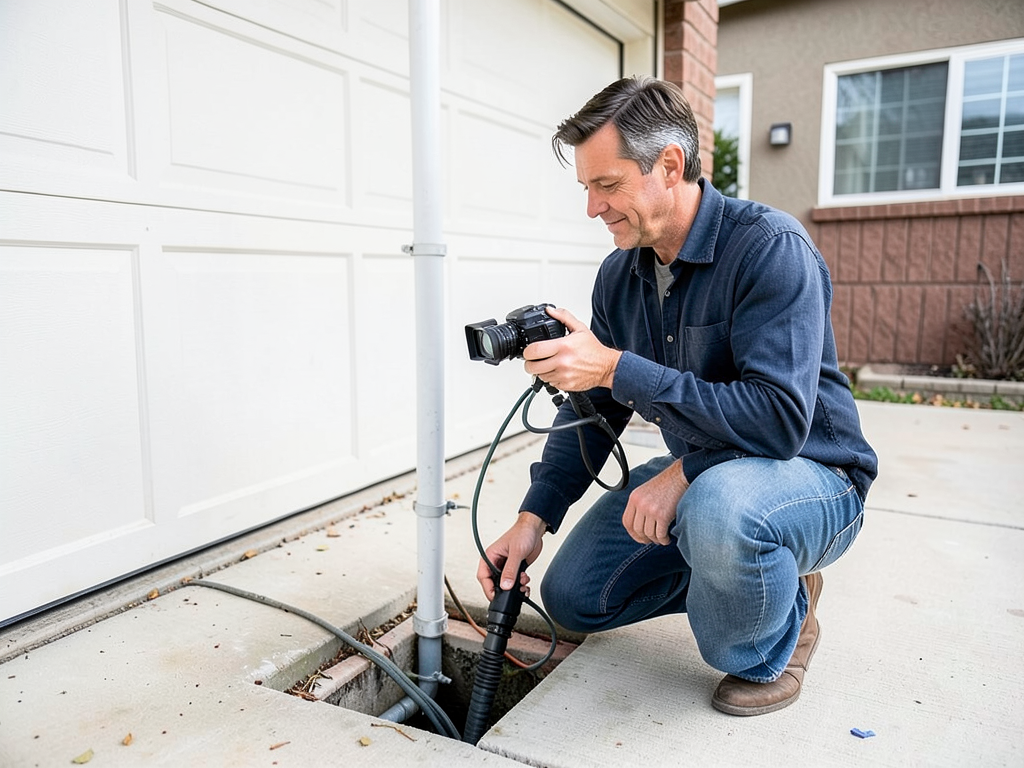
Reducing water consumption starts with knowing where you lose water. Alpha Plumbing San Antonio conducts indoor and outdoor water audits that measure actual gallons per minute flow rates at every fixture, check for pressure irregularities, and identify hidden leaks using acoustic detection tools and thermal imaging cameras. We test toilets with dye tablets to catch slow flapper leaks that cost you money without any visible signs.

We measure your irrigation system zone by zone, checking sprinkler head distribution uniformity and calculating applied water versus what your soil actually absorbs. San Antonio's clay-heavy soil has poor infiltration rates, which means water runs off into the street instead of reaching plant roots. We adjust spray patterns and recommend conversion to drip irrigation for garden beds and shrub zones where appropriate.

Inside, we evaluate your water heater anode rod condition and sediment buildup, because a struggling water heater cycles longer and wastes both water and energy. We inspect aerators, showerheads, and hose bibb washers that degrade over time and allow excess flow. Fixture flow rates matter. A standard showerhead flows 2.5 gallons per minute, but older models push 5 GPM or more. That difference costs you 25 extra gallons for a 10-minute shower.

We provide a written report ranking your waste sources by volume and cost impact, so you know whether fixing that outdoor hose bib leak or replacing your toilet internals delivers the bigger return. You get a prioritized action plan with projected savings, not vague suggestions. This diagnostic approach ensures you invest in water saving techniques that actually move the needle on your monthly bill and aquifer impact.

How We Help You Implement Effective Water Efficiency Strategies

Water Conservation Tips in San Antonio – Cut Your Water Bill While Supporting South Texas Aquifer Health
01

Fixture Flow Testing

We measure gallons per minute at every faucet, showerhead, and hose connection using calibrated flow meters. You learn exactly how much water each fixture uses during normal operation. We identify outdated high-flow fixtures that waste water and recommend WaterSense-certified replacements that cut usage by 30 percent or more without reducing pressure. This step reveals your baseline consumption and biggest upgrade opportunities.
02

Leak Detection and Repair

We inspect all visible supply lines, valve connections, and fixture seals for active leaks. We test toilets for silent flapper leaks and check your water meter for movement when no fixtures run, which indicates hidden slab or underground leaks. San Antonio's shifting clay soil stresses underground pipes, causing pinhole leaks that go unnoticed for months. We use acoustic sensors to pinpoint leak locations and provide repair options with projected savings so you understand the financial return on fixing each issue.
03

Custom Conservation Plan

You receive a tailored roadmap listing your highest-impact water saving techniques ranked by cost and return. We include fixture upgrade recommendations, irrigation scheduling adjustments for San Antonio's drought restrictions, and behavioral tips like shorter showers and full dishwasher loads. We explain how each change affects your monthly usage and provide vendor options for WaterSense products. You get a clear path to reduce water consumption that fits your budget and lifestyle while meeting city conservation mandates.

Why Local Expertise Matters for San Antonio Water Conservation

San Antonio operates under unique water governance structures that most plumbers outside the region do not understand. The Edwards Aquifer Authority and SAWA enforce tiered pricing that penalizes high usage with exponentially higher rates. If you cross into the higher usage tier, your per-gallon cost jumps dramatically, making small reductions in consumption deliver outsized savings. Local plumbers know these pricing thresholds and design conservation strategies around them.

Our clay soil composition creates specific challenges for irrigation efficiency. When water hits dense clay too fast, it sheets off into storm drains instead of soaking in. We recommend cycle-and-soak watering schedules that apply water in short bursts with rest periods, allowing clay soil time to absorb moisture. This technique cuts runoff waste by 40 percent compared to continuous watering, but only works if you understand local soil characteristics.

Stage 2 drought restrictions prohibit automatic irrigation systems entirely. You must use handheld hoses with shutoff nozzles or drip systems only, and watering is allowed just one day per week based on your street address. We help you retrofit existing sprinkler zones into compliant drip systems and install hose bib timers that prevent accidental overwatering. Many national providers recommend irrigation upgrades that violate San Antonio's mandatory restrictions, costing you fines and wasted equipment investment.

Alpha Plumbing San Antonio knows the Edwards Aquifer's recharge zones, the city's escalating enforcement patterns, and which fixture upgrades qualify for SAWA rebates. We stay current on local water policy changes and translate them into actionable steps for your home. Water efficiency strategies that work in Houston or Dallas fail here because they ignore our aquifer dependency and strict conservation mandates.

What You Get From a Professional Water Conservation Assessment

Fast Scheduling and Same-Day Reports

We schedule your water audit within 48 hours of contact and complete the assessment in 90 minutes or less for most single-family homes. You receive a written report the same day with flow test results, leak findings, and prioritized recommendations. We do not make you wait weeks for results. You get immediate clarity on where your water goes and how to reduce waste. For homes with complex irrigation systems or suspected slab leaks, we provide preliminary findings on-site and deliver the detailed report within 24 hours. Speed matters when you are paying for waste every day.

Detailed Fixture and System Evaluation

We document every water-using fixture and system component in your home. You get a spreadsheet listing each faucet, toilet, showerhead, and irrigation zone with current flow rates, condition ratings, and upgrade recommendations. We photograph problem areas and include thermal images if we detect hidden moisture that suggests leaks. We explain how San Antonio's hard water mineral content accelerates aerator clogging and valve wear, requiring more frequent maintenance than homes in soft water regions. You understand not just what to fix, but why these issues occur in your specific location.

Measurable Savings Projections

We calculate projected monthly and annual savings in both gallons and dollars for each recommended change. If you replace a 3.5-gallon-per-flush toilet with a 1.28 GPF WaterSense model, we show you the exact reduction based on your household size and usage patterns. We factor in SAWA's tiered pricing so you see how dropping below a usage threshold cuts your per-gallon cost. You get a return-on-investment timeline for every upgrade, making it easy to decide which water saving techniques deliver the fastest payback. We focus on your budget reality, not theoretical best practices.

Ongoing Monitoring and Adjustment Support

Water conservation is not a one-time event. We offer follow-up assessments after you implement changes to verify actual savings match projections. If your usage does not drop as expected, we investigate new leaks or behavioral factors and adjust the plan. We provide seasonal irrigation schedule updates when the city changes drought stage restrictions. You get email alerts when SAWA announces rate changes or new rebate programs. This ongoing relationship ensures your water efficiency strategies remain effective as your home ages and local regulations evolve. You are not left guessing whether your efforts work.

Frequently Asked Questions

You Have Questions,
We Have Answers

What are the 10 ways to conserve water? +

Fix leaks immediately, as even small drips waste thousands of gallons per year in San Antonio homes. Install low-flow showerheads and faucet aerators to reduce flow without sacrificing pressure. Run dishwashers and washing machines only with full loads. Turn off taps while brushing teeth or scrubbing dishes. Water your lawn early morning or late evening to minimize evaporation during hot Texas days. Choose drought-tolerant native plants for your landscape. Collect rainwater in barrels for outdoor use. Take shorter showers, aiming for five minutes or less. Use a broom instead of a hose to clean driveways and patios. Check your irrigation system regularly for broken sprinkler heads or misaligned zones.

What are 7 ways to conserve water? +

Install water-efficient fixtures like low-flow toilets and showerheads throughout your home. Fix all leaks promptly, checking under sinks, around toilets, and outdoor faucets. Water your San Antonio landscape before 10 a.m. or after 7 p.m. to reduce evaporation in our intense heat. Run full loads in dishwashers and washing machines to maximize efficiency. Turn off the tap while brushing teeth, washing hands, or soaping dishes. Sweep outdoor areas instead of hosing them down. Mulch around plants and trees to retain soil moisture longer during dry spells. These simple changes reduce your water bill and help conserve our shared aquifer resources.

What are the 5 R's of water conservation? +

The 5 R's of water conservation are Reduce, Reuse, Recycle, Repair, and Rethink. Reduce consumption by shortening showers and turning off taps when not in use. Reuse water where possible, like capturing shower warm-up water for plants. Recycle greywater from washing machines for outdoor irrigation where local codes permit. Repair leaks immediately to prevent thousands of gallons from draining away annually. Rethink your habits and landscape choices, especially in San Antonio where drought-resistant native plants thrive better than water-hungry grass. This framework helps homeowners create sustainable water use patterns that protect both their wallet and our Edwards Aquifer.

What are 5 methods of water conservation? +

Rainwater harvesting captures roof runoff in barrels or cisterns for landscape irrigation, which works well during San Antonio's sporadic rainfall periods. Drip irrigation delivers water directly to plant roots, reducing evaporation by up to 50 percent compared to sprinklers. Greywater systems reuse water from sinks, showers, and washing machines for outdoor use where codes allow. Xeriscaping replaces thirsty turf with drought-tolerant native plants suited to our climate. Soil moisture management through mulching and proper grading keeps water where plants need it. These methods cut consumption dramatically while maintaining healthy landscapes year-round in Central Texas conditions.

What are 20 ways to save water? +

Fix dripping faucets and running toilets. Install low-flow showerheads and aerators. Take five-minute showers. Turn off water while brushing teeth. Run full dishwasher and laundry loads. Water lawns early morning in San Antonio to prevent evaporation. Use brooms, not hoses, for outdoor cleaning. Check sprinkler systems for leaks or misdirected heads. Choose native Texas plants for landscaping. Mulch garden beds to retain moisture. Collect rainwater for outdoor use. Wash vehicles with buckets instead of running hoses. Install smart irrigation controllers. Insulate hot water pipes. Thaw frozen food in the refrigerator, not under running water. Use garbage disposals sparingly. Adjust sprinklers seasonally. Monitor your water bill for unusual spikes indicating leaks. Install dual-flush toilets. Educate family members about conservation habits.

What are 50 ways to save water? +

A comprehensive list requires specific evaluation of your home, but key actions include fixing all leaks, installing efficient fixtures, upgrading to low-flow toilets and showerheads, using full appliance loads, watering landscapes before 10 a.m., sweeping instead of hosing, mulching beds, choosing native plants, collecting rainwater, installing drip irrigation, checking sprinkler zones monthly, insulating pipes, using timers on irrigation systems, washing cars with buckets, aerating lawns, adjusting mower height to three inches for better moisture retention, installing smart controllers, checking for hidden leaks, using pool covers, reusing greywater where permitted, and teaching household members conservation habits. Focus on high-impact changes first for maximum savings in San Antonio conditions.

How Edwards Aquifer Dependency Shapes Water Conservation Priorities in San Antonio

San Antonio relies almost entirely on the Edwards Aquifer for municipal water supply, making it one of the largest cities in the nation dependent on a single groundwater source. When drought reduces aquifer levels, the city immediately restricts outdoor watering and monitors indoor consumption closely. Stage 2 and Stage 3 restrictions carry mandatory compliance and escalating fines for violations. Your water saving techniques must align with these rules, not just generic conservation advice. Drip irrigation, rainwater harvesting, and fixture upgrades that meet WaterSense standards become non-negotiable during extended dry periods. Understanding this aquifer-first reality changes how you prioritize water use at home.

Alpha Plumbing San Antonio works exclusively in the Edwards Aquifer region and understands the delicate balance between residential demand and aquifer health. We attend SAWA public meetings, track Edwards Aquifer Authority pumping data, and adjust our recommendations as drought conditions worsen or improve. We know which neighborhoods experience higher mineral content that clogs aerators faster and which soil types need customized irrigation approaches. Our technicians live in the same water-restricted environment you do. We recommend solutions that comply with local mandates and respect the long-term sustainability of the aquifer that sustains all of South Texas. You get advice rooted in local accountability, not corporate scripts written for generic markets.

Plumbing Services in The San Antonio Area

Although we are dedicated to serving San Antonio, Alpha Plumbing extends its reliable services throughout the surrounding areas. Our team is strategically located to respond promptly to your plumbing needs, whether you're in the heart of the city or a neighboring community. Explore our service area on the map to see if we cover your location, or contact us directly to confirm our availability and schedule a visit from our expert technicians.

Address:
Alpha Plumbing San Antonio, 700 North Saint Mary's Street, Riverwalk Place Ste 1400, San Antonio, TX, 78205

Additional Services We Offer

Our news updates

Latest Articles & News from The Blogs

Converting your Westover Hills home from an electric to a gas water heater Switching from an electric to a gas…

Converting your Westover Hills home from an electric to a gas water heater

Converting your Westover Hills home from an electric to a gas water heater Switching from an electric to a gas…

Putting a pot filler in your Alamo Ranch kitchen remodel

Professional Pot Filler Installation in Alamo Ranch, San Antonio Pot fillers are becoming a must-have upgrade for Alamo Ranch homeowners…

Common reasons why multiple toilets are backing up in your Meadow Village home

Common reasons why multiple toilets are backing up in your Meadow Village home When more than one toilet in your…

Contact Us

Call Alpha Plumbing San Antonio at (210) 374-7773 to schedule your water conservation audit. We identify your biggest waste sources and provide a clear action plan with measurable savings. Stop paying for water you never use.