Menu

Smelly Drains & Sewer Odors in San Antonio – Expert Diagnosis and Permanent Odor Elimination

We identify the root cause of foul sewer gas odors and stinky bathroom drains fast, then eliminate the smell permanently using proven diagnostic tools and targeted repairs.

Slider Image 1
Slider Image 2
Slider Image 3
Slider Image 4
Slider Image 5
Slider Image 7
Slider Image 8
Slider Image 9
Slider Image 10
Slider Image 11

Why San Antonio Homes Struggle with Persistent Drain and Sewer Odors

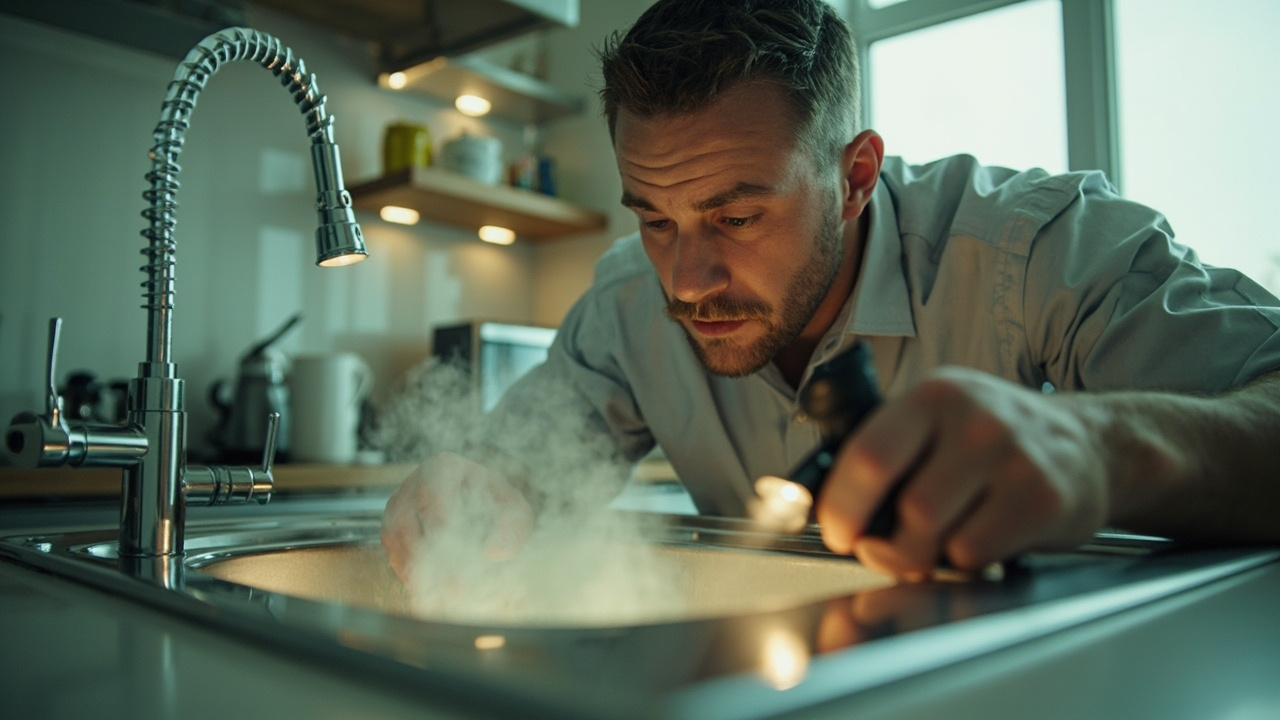
You walk into your bathroom and hit a wall of rotten egg smell from plumbing. You pour bleach down the drain. The smell vanishes for two days, then returns worse than before. This cycle frustrates thousands of San Antonio homeowners every year, and it has nothing to do with cleanliness.

San Antonio sits on expansive clay soil that shifts constantly with our extreme wet-dry seasonal swings. When soil shifts, it cracks sewer lines. When sewer lines crack, sewer gas escapes into your home through compromised venting or trap seals. The sewage smell in house is not just unpleasant, it signals a potential health hazard. Hydrogen sulfide gas, the compound behind that rotten egg odor, causes headaches, nausea, and respiratory irritation at low concentrations.

But cracked lines are just one cause. Dry P-traps in guest bathrooms, improperly vented drain systems, and biofilm buildup in garbage disposals all produce foul sewer gas odors. Older homes in neighborhoods like Alamo Heights or Monte Vista often have outdated vent stacks that no longer meet current plumbing codes. New construction in areas like Stone Oak sometimes suffers from rushed installations where vents terminate too close to windows or HVAC intakes.

Unpleasant drain odors do not fix themselves. They escalate. The smell migrates from one bathroom to the entire house. Guests notice. You stop inviting people over. The problem needs a diagnostic approach, not a bottle of drain cleaner.

Why San Antonio Homes Struggle with Persistent Drain and Sewer Odors
How We Diagnose and Eliminate Sewer Gas at the Source

How We Diagnose and Eliminate Sewer Gas at the Source

We do not guess. We diagnose using smoke testing, sewer cameras, and manometer pressure testing to pinpoint exactly where sewer gas enters your home.

Smoke testing forces non-toxic theatrical smoke through your drain system under slight pressure. If you have a cracked vent stack, a failed wax ring under a toilet, or a compromised cleanout cap, smoke escapes at that exact point. We see it. We document it. We fix it.

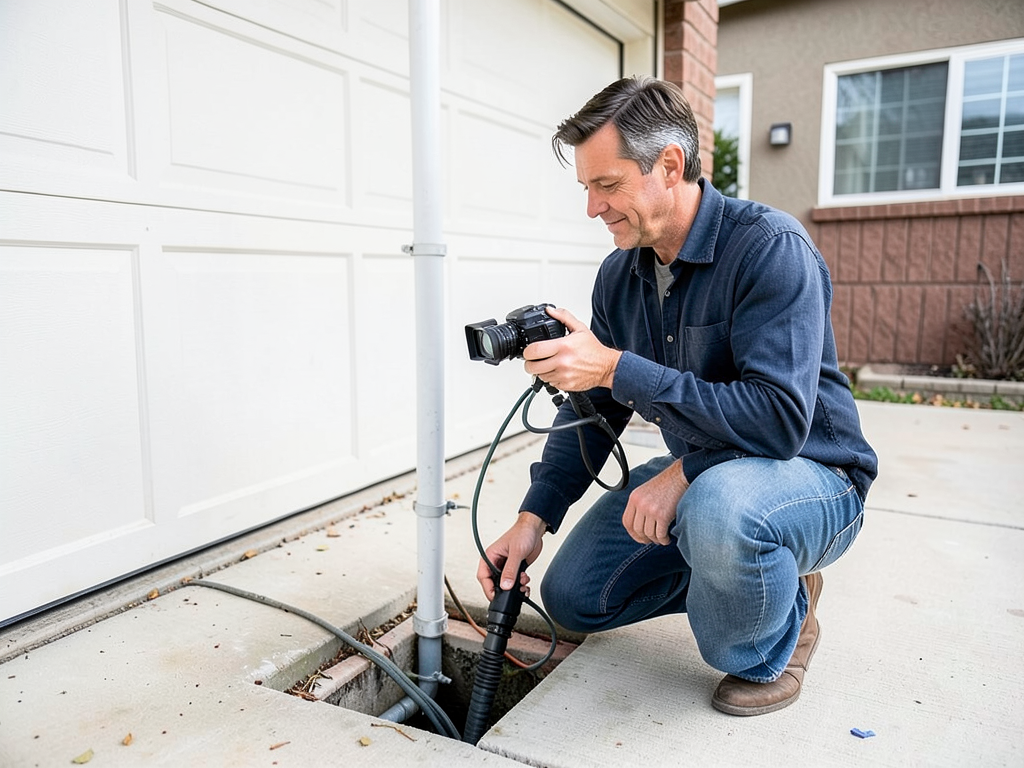
Sewer camera inspection threads a high-definition camera through your main line and branch drains. We look for root intrusion, bellied pipes caused by soil settlement, and corrosion that creates gas pathways. San Antonio's aggressive Edwards Aquifer water chemistry accelerates galvanized pipe corrosion, particularly in homes built before 1980. When those pipes corrode through, sewer gas migrates into wall cavities and living spaces.

Manometer testing measures the negative pressure in your drain waste vent system. Properly vented systems maintain consistent negative pressure. When vents clog with debris, bird nests, or wasp nests, pressure fluctuates. Traps lose their water seal during heavy use. Sewer gas backflows into your home.

Once we identify the failure point, we execute the correct repair. Cracked vent stacks get replaced. Failed wax rings get new compression seals. Dry traps get refilled and monitored. Biofilm in drains gets enzymatically treated, not just masked with fragrance. We fix the cause, not the symptom.

What Happens During Your Odor Diagnosis Appointment

Smelly Drains & Sewer Odors in San Antonio – Expert Diagnosis and Permanent Odor Elimination
01

Initial Odor Assessment

We start by interviewing you about when the smell appears, where it concentrates, and what triggers it. Morning odors suggest trap evaporation. Post-flush odors point to venting issues. We walk through your home with a hydrogen sulfide detector to measure gas concentrations in parts per million. This data tells us whether the source is localized or systemic.
02

Diagnostic Testing

We deploy smoke testing or camera inspection based on the symptoms. For visible leaks or odors near toilets, we inspect wax rings and flange seals. For intermittent odors, we pressure test the vent system. If the main line shows signs of compromise, we camera the entire run from the house to the street connection. We identify every failure point before proposing a solution.
03

Targeted Odor Elimination

We execute the repair that addresses the root cause. Vent stack replacement, trap primer installation, wax ring replacement, or enzymatic biofilm treatment. After the repair, we retest using smoke or pressure methods to confirm the odor pathway is eliminated. You get documentation of the problem, the fix, and the verification test. The smell does not return because the cause no longer exists.

Why San Antonio Homeowners Trust Alpha Plumbing for Odor Problems

Most plumbing companies treat drain odors like a maintenance issue. They sell you a drain cleaning package and leave. When the smell returns in three weeks, they sell you another service. This approach wastes your money and ignores the real problem.

Alpha Plumbing San Antonio approaches odor complaints as diagnostic problems. We have the tools to see inside your pipes, measure gas concentrations, and pressure test venting. Our technicians understand how San Antonio's clay soil movement affects sewer line integrity. We know which neighborhoods have cast iron that is aging out, which subdivisions used ABS venting that becomes brittle under UV exposure, and which older homes still run galvanized drain lines prone to hydrogen sulfide corrosion.

We also understand local code. San Antonio adopted the 2018 International Plumbing Code with local amendments. Vent terminations must extend a minimum distance above roof penetrations. Trap arms have maximum horizontal run lengths before requiring additional venting. Older homes often violate these standards because they were grandfathered in. When you remodel or repair, you must bring systems up to code. We know these requirements and design repairs that pass inspection the first time.

You also get transparent communication. We show you camera footage of the problem. We explain why the issue developed and what prevents recurrence. We do not upsell unnecessary services. If your problem needs a simple trap refill and monitoring, we tell you. If it requires a vent stack replacement, we explain why and show you the evidence.

What You Can Expect from Our Odor Elimination Service

Fast Response Times

We schedule odor diagnostics within 24 to 48 hours of your call. Sewer gas exposure is a health concern, not just a nuisance. We prioritize these calls. Most diagnostics complete in 90 minutes to two hours, depending on the complexity of your system. If we identify a simple fix like a dry trap or loose cleanout cap, we handle it on the spot. More involved repairs like vent stack replacement get scheduled based on parts availability and your schedule.

Comprehensive Diagnostic Process

Our technicians arrive with smoke testing equipment, sewer cameras, manometers, and hydrogen sulfide detectors. We do not rely on visual inspection alone. We test your entire drain waste vent system to locate every potential gas entry point. You get a written report documenting what we found, where we found it, and what caused it. This documentation helps if you need to file an insurance claim or disclose repairs during a home sale.

Permanent Odor Resolution

We fix the cause, not the symptom. If your odor stems from a cracked vent, we replace the vent. If biofilm in your garbage disposal creates sulfur compounds, we treat it enzymatically and recommend a maintenance schedule. If soil movement cracked your sewer line, we repair or replace the damaged section. After the repair, we retest to confirm the odor source is eliminated. You should not smell sewer gas again unless a new failure develops.

Ongoing Maintenance Guidance

Some odor problems require ongoing maintenance. Guest bathroom traps that sit unused need periodic water addition to maintain the seal. Garbage disposals need enzymatic treatments every few months to prevent biofilm. We provide you with a maintenance checklist tailored to your specific system. If you prefer, we can schedule annual inspections to monitor your vent system and catch issues before they create odors. Prevention costs less than emergency repairs.

Frequently Asked Questions

You Have Questions,
We Have Answers

How do I stop my drain from smelling like sewage? +

The sewage smell comes from a dried P-trap, a blocked vent, or a broken seal. Start by running water in all drains for 30 seconds to refill the P-traps. If the smell persists, check your vent pipes on the roof for blockages like bird nests or leaves. In San Antonio's heat, P-traps dry out faster, especially in guest bathrooms or outdoor fixtures. Pour a cup of water mixed with a tablespoon of vegetable oil down rarely used drains to slow evaporation. If these steps fail, you may have a cracked drain line or failed wax ring under a toilet that requires professional repair.

How to find where sewer smell is coming from? +

Start by isolating the source room by room. Run water in all fixtures and flush toilets. If the smell worsens near one fixture, check that P-trap first. Look under sinks for leaks or cracks in the trap itself. Check toilets for loose wax rings by rocking them gently. In San Antonio homes built on expansive clay soil, foundation shifting can crack drain lines hidden in slabs or crawlspaces. Sniff near floor drains, cleanouts, and vent pipe exits on the roof. If you cannot pinpoint it after checking visible fixtures, a plumber can use smoke testing to trace the exact leak point.

What is the hardest smell to get rid of? +

Sewer gas is the hardest smell to eliminate because it penetrates porous materials like drywall, grout, and concrete. Hydrogen sulfide clings to surfaces and reactivates with moisture. You cannot mask it with air fresheners. The smell returns until you fix the source. In San Antonio's humid climate, moisture wicks sewer odors from cracked pipes into walls and flooring faster. You must repair the leak or broken seal, then treat affected surfaces with enzymatic cleaners or seal porous materials with primer. Ventilate the space for several days. Surface cleaning alone will not work if the gas source remains active.

Can I fix a sewage smell myself? +

You can fix simple causes like dried P-traps or clogged drains yourself. Run water in unused drains, pour a baking soda and vinegar mix to clear minor blockages, and check for visible leaks under sinks. However, broken vent pipes, cracked sewer lines, or failed wax rings require professional tools and expertise. In San Antonio, many homes have cast iron drain stacks that corrode from the inside out. Misdiagnosing a cracked pipe as a clog wastes time and money. If the smell persists after basic troubleshooting or you see water damage, call a licensed plumber to inspect with cameras and pressure tests.

How San Antonio's Expansive Clay Soil Causes Chronic Sewer Line Cracks and Gas Leaks

San Antonio sits on some of the most volatile expansive clay soil in Texas. This soil swells when saturated during heavy spring rains, then contracts dramatically during summer droughts. The soil movement exerts immense pressure on buried sewer lines. Rigid materials like cast iron and clay crack at joints. Flexible materials like PVC can separate at couplings. When these cracks open, sewer gas escapes into the surrounding soil and migrates up through foundation penetrations or into crawl spaces. Homes in older neighborhoods like Terrell Hills and Olmos Park experience this problem frequently because their sewer lines were installed before modern bedding and backfill standards.

Choosing a plumber who understands San Antonio's soil conditions matters. We know which pipe materials survive our soil movement and which fail prematurely. We know how to properly bed and backfill sewer line repairs to minimize future cracking. We also understand how the Edwards Aquifer recharge zone affects water chemistry and pipe corrosion rates. Local expertise prevents you from paying for the same repair twice because the first contractor used the wrong materials or installation methods.

Plumbing Services in The San Antonio Area

Although we are dedicated to serving San Antonio, Alpha Plumbing extends its reliable services throughout the surrounding areas. Our team is strategically located to respond promptly to your plumbing needs, whether you're in the heart of the city or a neighboring community. Explore our service area on the map to see if we cover your location, or contact us directly to confirm our availability and schedule a visit from our expert technicians.

Address:
Alpha Plumbing San Antonio, 700 North Saint Mary's Street, Riverwalk Place Ste 1400, San Antonio, TX, 78205

Additional Services We Offer

Our news updates

Latest Articles & News from The Blogs

Planning the plumbing and drainage for a new workshop or hobby shed in Beacon Hill Adding water and waste lines…

Planning the plumbing and drainage for a new workshop or hobby shed in Beacon Hill

Planning the plumbing and drainage for a new workshop or hobby shed in Beacon Hill Adding water and waste lines…

How to use SAWS rebates to upgrade the toilets in your North Central home

How to use SAWS rebates to upgrade the toilets in your North Central home San Antonio homeowners in North Central…

Why your water heater is making a popping sound and how to fix it (Oakwell Farms)

Why Is My Water Heater Making a Popping Sound? (San Antonio Guide) Your water heater is making a popping sound…

Contact Us

Call Alpha Plumbing San Antonio at (210) 374-7773 today. We will schedule your diagnostic appointment, identify the exact cause of your odor problem, and eliminate it permanently. You deserve to breathe clean air in your own home.