Menu

Discolored or Rusty Water in San Antonio – Fast Diagnosis and Permanent Fixes

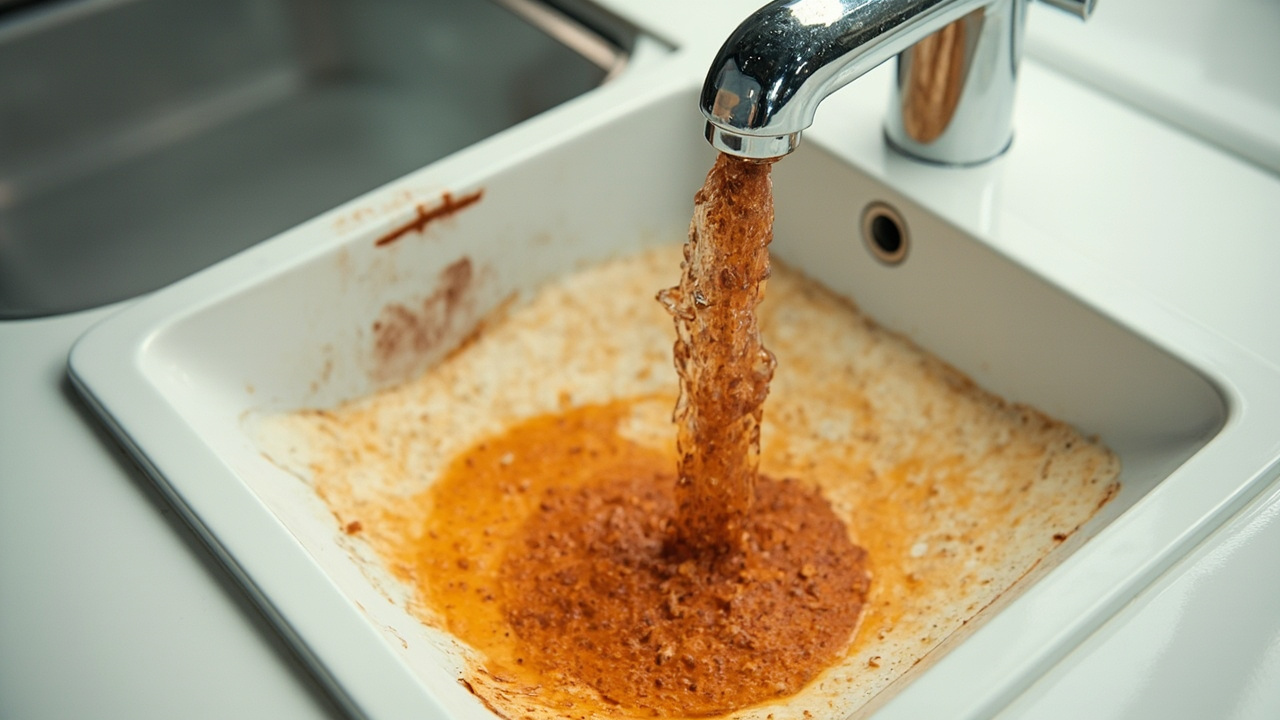
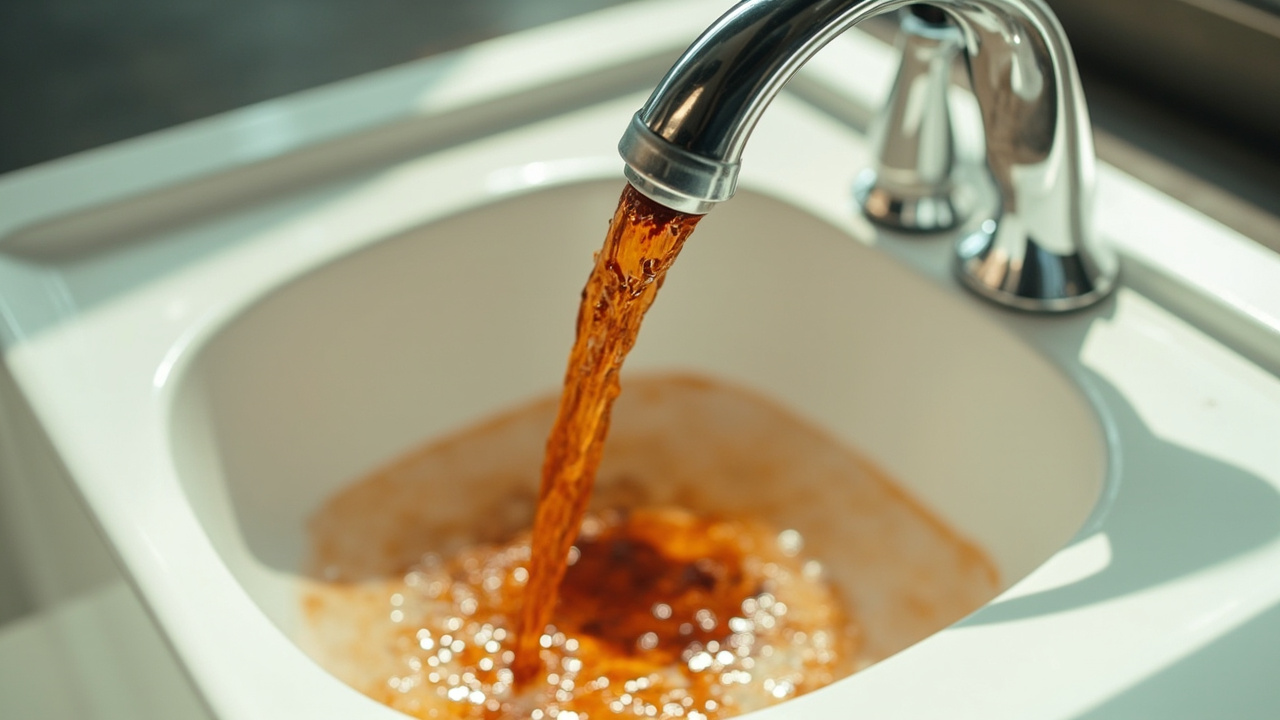
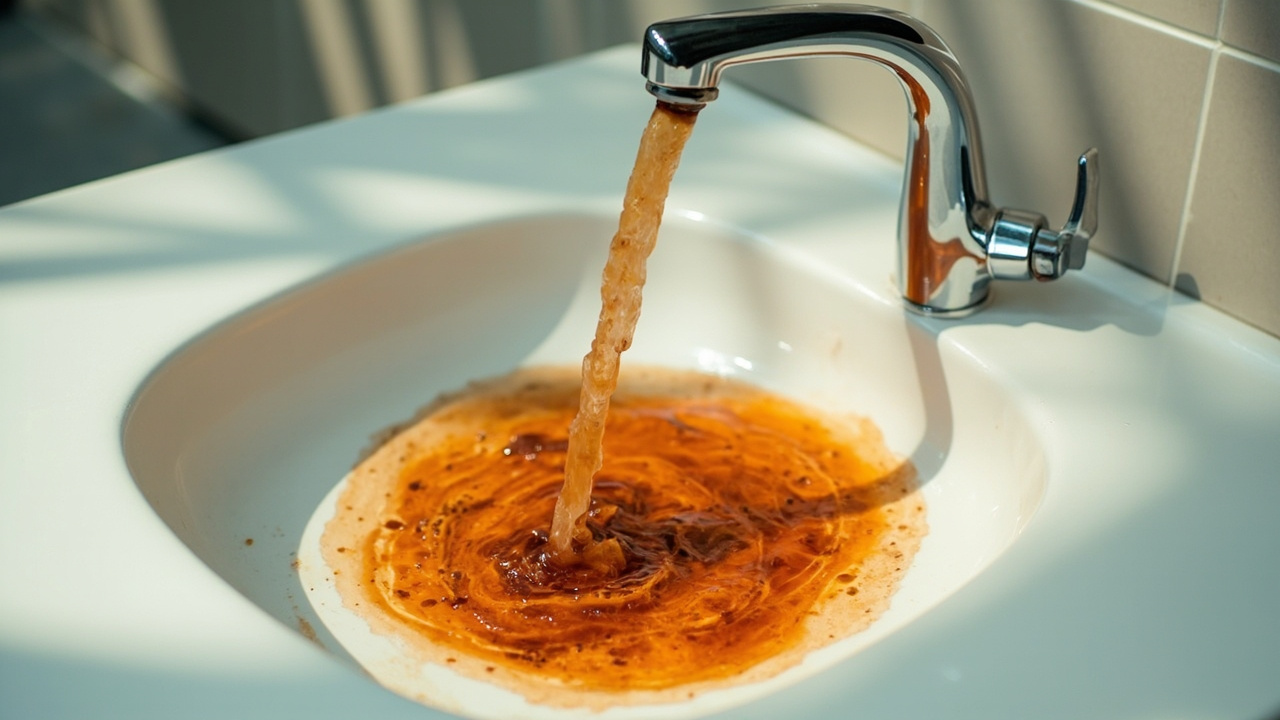
When brown tap water, yellow water from faucets, or rusty colored water appears in your home, our plumbers pinpoint the exact source and deliver lasting solutions that restore clean, safe water to your San Antonio property.

Slider Image 1
Slider Image 2
Slider Image 3
Slider Image 4
Slider Image 5
Slider Image 7
Slider Image 8
Slider Image 9
Slider Image 10
Slider Image 11

Why San Antonio Homeowners See Brown, Yellow, and Rusty Water

You turn on the tap expecting clear water and instead get brown tap water, reddish water from pipes, or yellow water from the faucet. This happens frequently across San Antonio because of the city's aging water infrastructure and the specific geology underneath the metro area.

San Antonio sits on the Edwards Aquifer recharge zone. When heavy rains hit during spring and fall, sediment, iron, and manganese from underground limestone formations stir up and enter municipal lines. The city's water mains, some dating back decades, corrode internally and release rust particles into the flow. When these particles mix with mineral-heavy aquifer water, you get discolored hot water and rusty colored water.

The problem intensifies in neighborhoods like Alamo Heights, Terrell Hills, and King William, where cast iron pipes installed in the 1940s and 1950s continue to break down. Corrosion accelerates when pH levels in the water shift, which happens when SAWS adjusts treatment processes seasonally.

If you only see discolored water from hot taps, the issue lives inside your water heater. Anode rods degrade over time, and sediment layers build up at the tank bottom. When you draw hot water, you pull dissolved iron and rust into your lines. If discolored water comes from both hot and cold taps, the source is either the municipal main, your service line, or corroded galvanized pipes inside your walls.

Ignoring brown tap water risks staining fixtures, damaging appliances, and exposing your household to elevated mineral content. Identifying the true source requires testing and inspection, not guesswork.

Why San Antonio Homeowners See Brown, Yellow, and Rusty Water
How We Identify and Eliminate the Source of Discolored Water

How We Identify and Eliminate the Source of Discolored Water

When you call about rusty colored water or yellow water from the faucet, we start with pressure testing and water sampling at multiple fixture points. This tells us whether the contamination originates upstream at the street connection or downstream inside your plumbing system.

We pull samples from the cold side at your kitchen sink, bathroom faucets, and outdoor hose bibs. If all cold water runs clear but discolored hot water appears at every hot tap, the water heater is the culprit. We drain the tank, inspect the anode rod and dip tube, and check for sediment accumulation. When sediment layers exceed half an inch, flushing alone will not fix the issue. We recommend tank replacement if the unit is over ten years old or if internal corrosion has compromised the steel lining.

If reddish water from pipes appears at both hot and cold fixtures, we trace the service line from the street shutoff to your home. Galvanized pipes installed before 1970 corrode from the inside out. We use a pipe camera to inspect interior walls and identify restriction points where rust buildup has reduced flow diameter. Replacing corroded galvanized sections with PEX or copper eliminates the contamination source permanently.

In cases where discolored water only appears after the city performs main flushing or after a water outage, the issue is temporary sediment disturbance. We flush your lines at high velocity using a hose bib, clearing particulates until the water runs clear. This typically resolves within an hour.

We do not guess. We test, trace, and confirm the source before proposing a repair. This saves you money and prevents recurring problems.

What Happens When You Report Discolored Water

Discolored or Rusty Water in San Antonio – Fast Diagnosis and Permanent Fixes
01

Initial Water Testing

We collect water samples from multiple taps throughout your home to determine contamination patterns. Testing the cold side, hot side, and outdoor connections isolates whether the issue originates from the municipal line, your service lateral, internal galvanized pipes, or the water heater. We check sediment levels, pH, iron content, and turbidity to build a diagnostic map.
02

System Inspection

After testing confirms the source zone, we inspect the suspected system. For water heater issues, we drain the tank and examine the anode rod and heating elements. For pipe corrosion, we camera-inspect accessible sections and check pressure at multiple fixtures. If the municipal main is suspect, we coordinate with SAWS to verify flushing schedules or pressure changes in your service area.
03

Targeted Repair Execution

Once we identify the contamination source, we execute the appropriate fix. This may involve replacing a degraded water heater, re-piping corroded galvanized sections with PEX, installing a sediment filter at the main shutoff, or performing a whole-house line flush. We verify water clarity at every fixture before leaving and provide maintenance guidance to prevent recurrence.

Why San Antonio Residents Trust Local Expertise for Water Quality Issues

Discolored water problems in San Antonio require knowledge of local water chemistry, pipe materials common to specific neighborhoods, and SAWS infrastructure patterns. A plumber unfamiliar with the Edwards Aquifer's mineral content or the city's seasonal treatment adjustments will misdiagnose the issue and recommend unnecessary repairs.

Alpha Plumbing San Antonio has worked in every neighborhood from Stone Oak to Southtown. We know which subdivisions still have galvanized service laterals, where SAWS recently replaced mains, and how different soil types affect pipe corrosion rates. When a homeowner in Olmos Park reports brown tap water, we check whether recent street work disturbed sediment in the main before assuming the problem is internal.

We also understand San Antonio's building code history. Homes built before 1960 often have galvanized pipes that are now at end of life. Homes built in the 1980s and 1990s may have polybutylene supply lines, which degrade and release particles when exposed to chlorine in city water. Knowing the construction era helps us predict failure points without invasive exploratory work.

Our diagnostic process eliminates guesswork. We do not sell whole-house re-pipes when a water heater replacement will solve the issue. We do not install expensive filtration systems when a simple anode rod replacement restores water clarity. Our goal is to fix the actual problem, not upsell based on fear.

San Antonio homeowners deal with unique water challenges. Hiring a plumber who understands those challenges prevents wasted time, incorrect repairs, and recurring discolored water issues. Local knowledge is not a marketing phrase. It is the difference between a bandaid fix and a permanent solution.

What to Expect When You Call About Rusty or Discolored Water

Response Time and Availability

We typically arrive within two hours for discolored water calls in the San Antonio metro area. While rusty water is not always an emergency, we prioritize these calls because contamination can indicate a larger system failure. If you report reddish water from pipes along with low pressure or visible leaks, we treat it as urgent and dispatch immediately. Standard appointments are available seven days a week, with same-day service for most requests. You will receive a call fifteen minutes before arrival so you can plan accordingly.

Diagnostic Assessment Process

Our diagnostic process takes thirty to sixty minutes, depending on the number of fixtures and access points. We test water at the kitchen sink, bathroom taps, outdoor hose bibs, and laundry connections. We inspect your water heater, check the main shutoff for sediment buildup, and review any recent work done by the city or other contractors. If galvanized pipes are present, we perform a flow test to measure restriction caused by internal corrosion. You receive a written breakdown of findings before we discuss repair options.

Repair Quality and Outcome

When we replace a water heater, re-pipe a section, or install a sediment filter, we verify water clarity at every fixture before completing the job. You should see clear water immediately after the repair. If discolored water persists, we re-inspect at no additional diagnostic charge. Our repairs meet or exceed San Antonio plumbing code requirements, and we pull permits when code mandates it. We use copper, PEX, or CPVC for supply line replacements, never materials prone to premature failure.

Ongoing Maintenance Recommendations

After resolving discolored water issues, we provide a maintenance plan tailored to your plumbing system. If your water heater caused the problem, we recommend annual flushing and anode rod inspection to prevent sediment buildup. If corroded pipes were the source, we map remaining galvanized sections and suggest a replacement timeline to avoid future failures. For homes with high mineral content, we discuss sediment filter maintenance intervals and cartridge replacement schedules. These steps extend system life and prevent recurring water quality problems.

Frequently Asked Questions

You Have Questions,
We Have Answers

How to tell if water is rusty? +

Rusty water shows clear visual signs. Look for reddish-brown, orange, or yellow discoloration when you run the tap. The water may appear cloudy or have visible particles floating in it. You might notice a metallic smell or taste. Run cold water for several minutes. If the discoloration clears quickly, the issue likely comes from your home's plumbing. If it persists, the problem may originate from San Antonio's municipal water lines or your water heater. Fill a clear glass and hold it against white paper to see the true color. Rusty water often leaves reddish stains in sinks, tubs, and toilets.

Is discolored water safe to drink? +

Discolored water requires careful evaluation. The color determines safety. Brown or rust-colored water from corroded pipes contains iron, which is not toxic in small amounts but tastes bad and stains fixtures. However, discoloration can also indicate sediment disturbance, bacterial contamination, or organic matter. San Antonio residents should never assume discolored water is safe without testing. Contact your water provider first to check for main line issues or maintenance. If the problem is isolated to your home, a plumber should inspect your pipes and water heater. Use bottled water for drinking and cooking until a professional identifies the source.

Is it safe to drink rusty tap water? +

Rusty tap water contains dissolved iron from corroded pipes or water heaters. While iron is not poisonous, drinking rusty water is not recommended. The metallic taste is unpleasant, and high iron levels can cause stomach upset or nausea. More concerning, rust indicates pipe deterioration, which can harbor bacteria like Legionella. San Antonio's mineral-rich water accelerates pipe corrosion in older homes. If you see rust-colored water, flush your cold water tap for several minutes. If discoloration persists, stop drinking it. Have a plumber inspect your system and consider water testing to rule out bacterial contamination or heavy metals.

How to tell if water is discolored? +

Discolored water shows several telltale signs. Fill a clear glass and examine it against white background. Water should be completely transparent. Any yellow, brown, orange, green, or cloudy appearance means discoloration. Notice the timing. If discoloration happens only when you first turn on the tap, sediment in your water heater or pipes is likely. If it continues after running water for five minutes, the source is your main supply line. San Antonio residents should also check if discoloration affects hot water only or both hot and cold. This helps pinpoint whether the issue is your water heater or pipes.

Does brown water mean pipes need replacing? +

Brown water does not automatically mean you need full pipe replacement. The cause determines the fix. If brown water appears only when you first run the tap and clears quickly, sediment buildup in your water heater is the likely culprit. Flushing the tank often solves this. If discoloration persists and affects cold water too, galvanized pipes may be corroding from the inside. San Antonio's hard water with high mineral content accelerates this deterioration in homes built before 1980. A plumber can inspect pipe condition using a camera. Extensive corrosion or pinhole leaks mean repiping is necessary to prevent water quality issues and potential pipe failure.

What color is rust in water? +

Rust in water appears reddish-brown, orange, or yellow depending on concentration. Light rust contamination creates a pale yellow or tea-colored tint. Moderate rust produces a distinct orange hue. Heavy rust contamination turns water a deep reddish-brown, similar to muddy river water. The color intensity indicates how much dissolved iron is present. San Antonio homeowners often see rust-colored water after returning from vacation when water sits stagnant in pipes. You may also notice rust particles that settle at the bottom of a glass or leave orange residue in sinks and tubs. The color comes from iron oxide formed when iron pipes corrode.

Can I shower in discoloured water? +

Showering in discolored water depends on the cause. Rust-colored water from corroded pipes will not harm your skin but can stain light-colored hair, leave orange residue on surfaces, and smell metallic. It may irritate sensitive skin or eyes. If discoloration comes from sediment disturbance in San Antonio's water mains during repairs, showering is generally safe once the water runs clear. However, if you suspect bacterial contamination or sewage intrusion, do not shower until your water is tested. Green or black discolored water signals potential contamination. When in doubt, wait for professional evaluation before using water for bathing.

What happens if rust gets in your drink? +

Drinking small amounts of rust is typically not dangerous. Your body needs iron, and rusty water just contains excess dissolved iron oxide. You might experience metallic taste or mild stomach discomfort. However, the real concern is what else might be in that rusty water. Corroded pipes create rough surfaces where harmful bacteria can hide and multiply. San Antonio's warm climate creates ideal conditions for bacterial growth in compromised plumbing. If you accidentally drank rusty water, monitor for stomach cramps, nausea, or diarrhea. Most people experience no symptoms. If gastrointestinal issues develop within 24 hours, contact your doctor and have your water tested.

Why is my water rust colored? +

Rust-colored water comes from corroded iron or steel pipes. When water sits in metal pipes, oxygen reacts with iron, creating iron oxide. San Antonio's hard water with high mineral content accelerates this corrosion process. Your water heater can also produce rusty water when the sacrificial anode rod deteriorates or sediment accumulates at the tank bottom. If only hot water is rust-colored, your water heater needs attention. If both hot and cold water are affected, your home's galvanized pipes are likely corroding. Municipal water main breaks or repairs can also stir up sediment, causing temporary rust-colored water throughout your neighborhood.

How long after drinking bad water do you get ill? +

Illness from contaminated water typically appears within 1 to 3 days, but timing varies by contaminant. Bacterial contamination like E. coli or Campylobacter causes symptoms in 1 to 5 days. Viruses like norovirus act faster, sometimes within 12 to 48 hours. Parasites like Giardia take 1 to 2 weeks to cause symptoms. Rusty water alone rarely causes illness unless bacterial contamination is present. San Antonio residents who drank questionable water should watch for diarrhea, stomach cramps, nausea, vomiting, or fever. If symptoms appear, stay hydrated and contact your doctor. Have your water tested to identify the contaminant and prevent future exposure.

How Edwards Aquifer Minerals Cause Rusty Water in San Antonio Homes

San Antonio's water originates from the Edwards Aquifer, which flows through porous limestone and dolomite formations. This geology produces water naturally high in calcium, magnesium, iron, and manganese. When SAWS adjusts pH levels during treatment, dissolved minerals precipitate and form rust-colored sediment. Heavy rainfall events cause turbidity spikes as runoff enters the aquifer recharge zone, temporarily increasing particulate levels in the municipal supply. Older neighborhoods with cast iron mains see the most frequent discolored water complaints because corroded pipe interiors trap and release these particles unpredictably.

Alpha Plumbing San Antonio operates exclusively in the greater metro area, which means we encounter the same water chemistry and infrastructure issues daily. We track SAWS maintenance schedules, know which neighborhoods have recent main replacements, and understand how seasonal aquifer recharge affects water clarity. This local focus allows us to distinguish between temporary municipal disturbances and chronic household plumbing failures. When you hire a plumber embedded in the San Antonio service area, you get faster, more accurate diagnostics rooted in hundreds of similar service calls.

Plumbing Services in The San Antonio Area

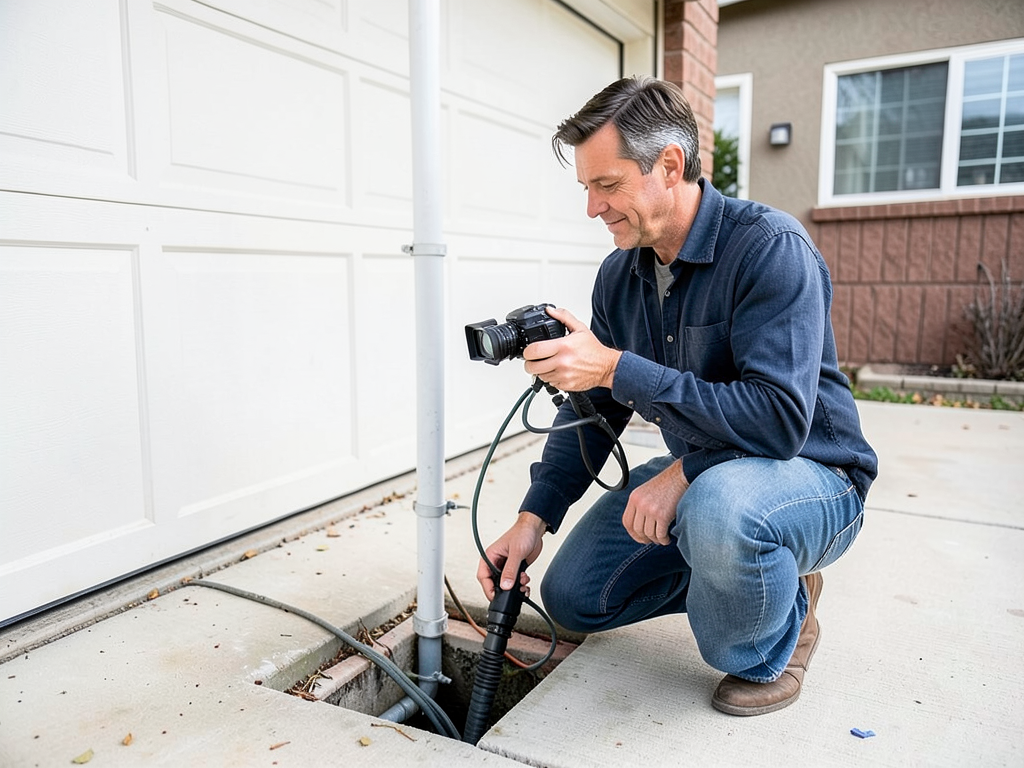
Although we are dedicated to serving San Antonio, Alpha Plumbing extends its reliable services throughout the surrounding areas. Our team is strategically located to respond promptly to your plumbing needs, whether you're in the heart of the city or a neighboring community. Explore our service area on the map to see if we cover your location, or contact us directly to confirm our availability and schedule a visit from our expert technicians.

Address:
Alpha Plumbing San Antonio, 700 North Saint Mary's Street, Riverwalk Place Ste 1400, San Antonio, TX, 78205

Additional Services We Offer

Our news updates

Latest Articles & News from The Blogs

Keeping the floor drains in your San Antonio garage from drying out and smelling Your garage floor drain should quietly…

Keeping the floor drains in your San Antonio garage from drying out and smelling

Keeping the floor drains in your San Antonio garage from drying out and smelling Your garage floor drain should quietly…

What you should never put down the disposal in your Five Points apartment

What you should never put down the disposal in your Five Points apartment\n\nSan Antonio's hard water and Five Points' older…

Why a water softener alone isn't enough for the drinking water in Hill Country Village

Why a water softener alone isn’t enough for the drinking water in Hill Country Village \n\n Living in Hill Country…

Contact Us

Call (210) 374-7773 now for same-day diagnostics and permanent fixes. We answer calls seven days a week and dispatch quickly across San Antonio. Stop drinking, bathing, and cooking with discolored water.