

Menu

High Water Bills in San Antonio – Fast Leak Detection Before Your Next Bill Arrives

When your water bill suddenly doubles or triples with no clear explanation, you need pinpoint leak detection technology that finds hidden leaks in slabs, walls, and underground lines before excessive water usage costs you hundreds more.

Slider Image 1
Slider Image 2
Slider Image 3
Slider Image 4
Slider Image 5
Slider Image 7
Slider Image 8
Slider Image 9
Slider Image 10
Slider Image 11

Why San Antonio Homes Experience Sudden Spikes in Water Bills

You open your water bill and freeze. The number is double what you paid last month. You checked every faucet. The toilets seem fine. Nothing looks wet. But that skyrocketing water bill proves something is wrong.

San Antonio's expansive clay soil creates a perfect storm for slab leaks and underground line failures. When the soil absorbs water during heavy rains, it swells. When drought hits and the soil contracts, it shifts your foundation and stresses copper water lines embedded in the slab. These pipes crack. Water escapes 24 hours a day. Your meter spins. The city charges you for every gallon that seeps into the ground.

Most homeowners in neighborhoods like Stone Oak and Alamo Heights ignore a $30 increase the first month. They assume it's a billing error. By month three, the unexplained high water bill reaches $400 or more. That's when panic sets in.

Other common causes for excessive water usage include failing toilet flappers that leak silently into the bowl, corroded galvanized pipes behind walls, and pinhole leaks in hot water recirculation lines. San Antonio's moderately hard water accelerates corrosion in older copper fittings. A 1/8-inch pinhole leak wastes roughly 250 gallons per day. That's 7,500 gallons per month. Your bill reflects every drop.

If you noticed a sudden spike in water bill and cannot find the source, you are dealing with a hidden leak. Waiting only makes it worse. The water doesn't stop. The bill keeps climbing.

Why San Antonio Homes Experience Sudden Spikes in Water Bills
How Professional Leak Detection Stops the Bleeding

How Professional Leak Detection Stops the Bleeding

Finding a hidden leak requires specialized equipment and methodical investigation. Alpha Plumbing San Antonio uses electronic leak detection technology to isolate the problem without guessing or tearing apart your home.

We start with a pressure test on your system. We close all fixtures and valves, then attach a gauge to measure static pressure over 15 minutes. If pressure drops, you have an active leak. Next, we use acoustic listening devices to detect the high-frequency sound of water escaping under pressure. Concrete conducts sound. We can hear a slab leak through the foundation and pinpoint the location within inches.

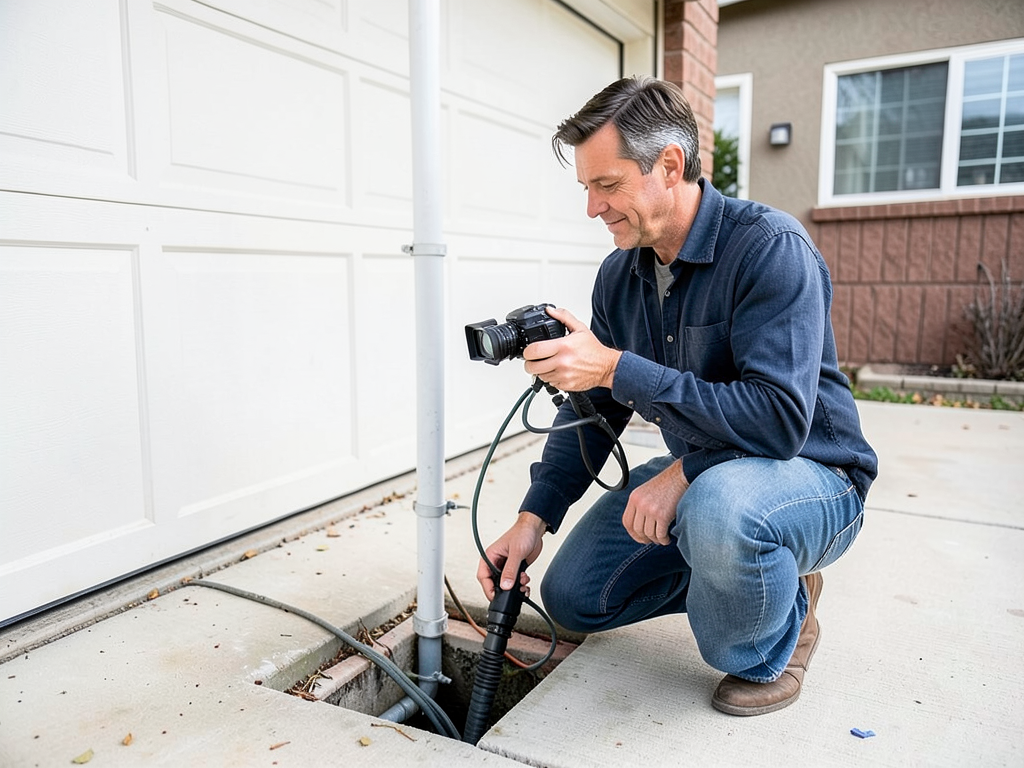
For leaks in walls or underground service lines, we deploy thermal imaging cameras. Water leaking inside a wall creates a temperature differential. The camera reveals cold or warm spots invisible to the naked eye. Once we identify the general area, we use tracer gas or helium injection. We pressurize the line with a detectable gas, then sweep the area with a sensitive probe. The gas escapes at the leak point and triggers the detector.

This methodical approach eliminates guesswork. You don't pay for exploratory demolition. We know where to cut before we touch a single tile or drywall panel. Once exposed, we repair the damaged section with PEX or Type L copper, pressure test the repair, and restore your property.

The goal is simple. Stop the unexpected water bill increase by stopping the leak. Most repairs take four to six hours from diagnosis to completion.

What Happens During Your Leak Detection Appointment

High Water Bills in San Antonio – Fast Leak Detection Before Your Next Bill Arrives
01

Initial System Evaluation

We arrive with electronic leak detection equipment and begin with a full water meter analysis. You turn off every fixture in the home. We observe the meter for movement. If the flow indicator spins with everything off, you have a continuous leak. We document baseline pressure readings and check for obvious fixture failures like running toilets or dripping faucets before moving to advanced diagnostics.
02

Acoustic and Thermal Scanning

We use ground microphones and acoustic amplifiers to listen for water escaping under slabs or inside walls. Each leak produces a distinct frequency signature. Hot water lines sound different than cold lines. We mark suspected areas with tape, then confirm findings with thermal imaging. The camera shows temperature anomalies where water alters heat signatures. This two-step verification ensures accuracy before any cutting begins.
03

Repair and Verification

Once we pinpoint the leak location, we access the damaged pipe with minimal disruption. We cut out the compromised section and install a new coupling or pipe segment. After soldering or crimping the connection, we pressure test the repair at 150 PSI for 30 minutes. No pressure drop means a solid repair. We restore flooring or drywall, clean up debris, and walk you through prevention strategies to protect against future leaks.

Why San Antonio Homeowners Trust Local Expertise for Water Bill Problems

When you face an unexplained high water bill, you need a plumber who understands San Antonio's unique challenges. Our technicians work in this city every day. We know how the Edwards Aquifer affects water chemistry. We recognize the signs of foundation movement caused by our clay soil. We have repaired thousands of slab leaks in homes built during the 1980s and 1990s construction boom when builders embedded copper lines directly in concrete without proper sleeving.

National chains send technicians who follow generic scripts. They don't know that homes in the Government Hill or Lavaca neighborhoods often have galvanized steel supply lines that corrode from the inside out. They don't understand that San Antonio Water System's water pressure varies by zone, and high pressure in areas near pump stations accelerates fitting failures. Local knowledge matters when diagnosing complex leaks.

Alpha Plumbing San Antonio also understands the urgency. A skyrocketing water bill creates financial stress. Every day you wait adds another $20 to $50 to your bill. We prioritize leak detection calls and offer same-day service when you contact us before noon. We don't upsell unnecessary repairs. If your toilet flapper is the culprit, we replace it for $15 and send you on your way. If you need a slab leak repair, we explain your options clearly and let you decide.

We also navigate SAWS billing disputes on your behalf. If the leak caused excessive usage, the utility offers a one-time adjustment. We provide documentation proving the leak existed and was repaired. This often reduces your bill by 50% or more for the affected billing cycles.

Trust comes from transparency and results. We show you the problem. We explain the fix. We stop the leak.

What to Expect When You Call About High Water Bills

Rapid Response Time

We understand that every day with a hidden leak adds to your water bill. When you call before noon, we typically arrive the same day. Emergency appointments are available seven days a week. Most leak detection appointments last two to three hours. If we find a simple fixture problem, you're done in 30 minutes. If we discover a slab leak, we provide a detailed repair estimate before proceeding. You control the timeline. We work around your schedule to minimize disruption to your day.

Thorough Diagnostic Process

Our technicians arrive with acoustic detection equipment, thermal cameras, and pressure testing gauges. We start with the simplest possibilities and work toward complex scenarios. You don't pay for advanced diagnostics if we find a $10 flapper causing the problem. We explain each test as we perform it. You see the thermal image. You hear the acoustic signature. We walk you through the findings so you understand exactly what's happening and why. No mystery charges. No confusing jargon. Just clear answers.

Quality Leak Repairs

Once we locate the leak, we repair it correctly the first time. We use Type L copper or PEX depending on the application and your preference. All joints are pressure tested before we close walls or floors. We don't patch over problems. If the surrounding pipe shows signs of corrosion, we recommend replacing the affected section to prevent another failure six months later. You receive clear before and after photos documenting the work. Your water bill returns to normal within one billing cycle.

Billing Assistance and Prevention Tips

After the repair, we provide a detailed service report you can submit to San Antonio Water System for a billing adjustment. We include photos, pressure test results, and a written statement confirming the leak location and repair date. We also walk you through simple prevention strategies. Install a leak detection system on your main water line. Check your meter monthly for unusual activity. Replace old toilet flappers every three years. These small steps catch problems early and prevent another sudden spike in water bill.

Frequently Asked Questions

You Have Questions,
We Have Answers

What runs your water bill up the most? +

Toilet leaks are the biggest culprit in San Antonio homes. A running toilet can waste 200 gallons per day without making noise. Irrigation systems come next, especially during hot Texas summers when watering schedules increase. Older systems often leak underground for months before you notice. Washing machines with worn hoses and leaking water heaters also drive up bills fast. In homes with outdated fixtures, showerheads and faucets waste significant water through constant dripping. Check your toilet flapper first. Drop food coloring in the tank and wait 15 minutes. If color appears in the bowl, you have a leak.

What can cause a really high water bill? +

Hidden leaks cause most shock bills in San Antonio. A slab leak under your foundation can run for weeks undetected, especially common in older homes built on expansive clay soil. Toilet flappers fail silently, wasting thousands of gallons monthly. Irrigation zone valves stick open underground, flooding areas you cannot see. Seasonal changes matter too. Summer bills spike when sprinkler use increases during drought conditions. Water softener malfunctions can cycle continuously, draining hundreds of gallons during regeneration. Tenant behavior changes or new occupants also increase usage dramatically. Compare your current bill to the same month last year for context.

How to tell if you have a water leak on the meter? +

Turn off every water fixture and appliance in your home. Go to your meter and locate the small dial or triangle indicator. Watch it for 10 minutes without using any water. If the dial moves at all, you have a leak between the meter and your home. SAWS meters in San Antonio are sensitive enough to detect even small leaks. Take a photo of the meter reading, wait one hour with zero water use, then photograph again. Any change confirms a leak. The meter does not lie. It measures every drop passing through your service line.

How much should a normal water bill be per month? +

San Antonio residents average $40 to $80 monthly for a typical household. SAWS bases rates on consumption tiers. A family of four using 6,000 to 8,000 gallons monthly falls in the normal range. Single residents often pay $30 to $50. Homes with irrigation systems or pools run $100 to $150 during summer months. Your bill depends on household size, fixture age, and seasonal watering needs. Bills over $100 without irrigation deserve investigation. Compare your consumption in CCF units to previous months. Sudden spikes indicate problems, not just higher rates. Context matters more than the dollar amount alone.

Why did my water bill go up $400? +

A $400 spike almost always means a major leak, not rate increases. You likely have a slab leak, main line break, or irrigation system failure. San Antonio clay soil shifts constantly, cracking pipes under foundations and in yards. Running toilets rarely cause $400 jumps unless multiple units fail simultaneously. Check your SAWS account online for daily usage graphs. A $400 bill represents roughly 30,000 to 40,000 gallons of waste. That volume does not happen from normal use. Shut off your main valve immediately and call a plumber. Delaying repairs costs hundreds more per week. Document everything for potential SAWS leak adjustment credits.

How do I check for hidden leaks? +

Start with your water meter test. Shut off all fixtures and check if the meter dial moves. Inspect toilet tanks with food coloring to reveal silent flapper leaks. Walk your property after rain to spot soggy patches where irrigation lines leak underground. San Antonio soil stays dry normally, so wet spots stand out. Check under sinks, around water heaters, and behind washing machines for moisture or stains. Listen for hissing sounds near fixtures at night when the house is quiet. Install a smart water monitor on your main line to track usage hourly. These devices alert you to abnormal flow patterns immediately.

How can I check for water leaks? +

Begin with the meter test to confirm a leak exists. Inspect visible plumbing under sinks, behind toilets, and around your water heater for drips or corrosion. Test toilets by adding food coloring to tanks and checking for color in bowls after 15 minutes. Examine your irrigation system by running each zone individually and looking for geysers, wet spots, or broken sprinkler heads. Check hose bibs and outdoor faucets for drips. In San Antonio homes, slab leaks require professional detection equipment. If your meter confirms a leak but you see nothing obvious, call a plumber with acoustic listening tools and thermal cameras.

Is $100 a lot for a water bill? +

It depends on your usage and home size. For a single person or couple without irrigation, $100 is high and suggests a leak or inefficient fixtures. For families with four or more people, pools, or active landscaping in San Antonio heat, $100 falls within normal summer range. Context matters. Check your consumption in gallons, not just the dollar amount. SAWS rates increase in tiers, so crossing thresholds raises costs fast. Compare your current bill to the same month last year. A sudden jump to $100 from $50 means investigate immediately. Gradual increases may reflect seasonal use or rate adjustments.

What uses the most water in a house? +

Toilets use the most water in San Antonio homes, averaging 27% of total consumption. Older toilets flush 3.5 to 7 gallons per use compared to modern 1.6-gallon models. Washing machines come second, using 15 to 40 gallons per load depending on age. Showers account for 20% of indoor use. A 10-minute shower with an older showerhead wastes 50 gallons. Outdoor irrigation dominates summer bills, often exceeding all indoor use combined. In San Antonio drought conditions, watering lawns and gardens can double monthly consumption. Dishwashers and faucets contribute smaller amounts but add up over time.

How do plumbers test for water leaks? +

Plumbers use acoustic leak detection equipment to listen for water escaping under pressure. These sensitive microphones pinpoint leaks inside walls and under slabs without demolition. Thermal imaging cameras detect temperature changes where water saturates materials. Tracer gas testing pumps harmless gas through lines, then detectors locate where it escapes. Pressure testing isolates sections of plumbing to identify weak points. For slab leaks common in San Antonio, plumbers often use electronic amplification equipment that triangulates sound. Video camera inspections reveal cracks inside drain and sewer lines. Professional detection saves thousands compared to exploratory demolition. Most leaks get pinpointed within two hours.

How San Antonio's Clay Soil and Water Chemistry Drive Hidden Plumbing Failures

San Antonio sits on expansive clay soil that contracts during drought and swells during rain. This constant movement stresses concrete slabs and the copper water lines embedded within them. Homes built in the 1980s and 1990s often used copper tubing laid directly against concrete without protective sleeving. As the slab shifts, the rigid copper flexes and eventually cracks. Add moderately hard water from the Edwards Aquifer, and you accelerate corrosion at fittings and joints. These conditions make San Antonio one of the highest-risk cities in Texas for slab leaks and unexplained high water bills caused by hidden line failures.

Alpha Plumbing San Antonio has worked in every neighborhood from Terrell Hills to Leon Valley. We understand local building practices and how homes age in this climate. We know which subdivisions used inferior copper grades during construction. We recognize the warning signs of foundation settlement unique to South Texas. When you hire a local plumber, you gain decades of area-specific experience. We don't learn on your property. We apply knowledge earned from thousands of repairs across Bexar County. That expertise translates to faster diagnostics, accurate repairs, and water bills that return to normal.

Plumbing Services in The San Antonio Area

Although we are dedicated to serving San Antonio, Alpha Plumbing extends its reliable services throughout the surrounding areas. Our team is strategically located to respond promptly to your plumbing needs, whether you're in the heart of the city or a neighboring community. Explore our service area on the map to see if we cover your location, or contact us directly to confirm our availability and schedule a visit from our expert technicians.

Address:
Alpha Plumbing San Antonio, 700 North Saint Mary's Street, Riverwalk Place Ste 1400, San Antonio, TX, 78205

Additional Services We Offer

Our news updates

Latest Articles & News from The Blogs

Keeping the floor drains in your San Antonio garage from drying out and smelling Your garage floor drain should quietly…

Keeping the floor drains in your San Antonio garage from drying out and smelling

Keeping the floor drains in your San Antonio garage from drying out and smelling Your garage floor drain should quietly…

What you should never put down the disposal in your Five Points apartment

What you should never put down the disposal in your Five Points apartment\n\nSan Antonio's hard water and Five Points' older…

Why a water softener alone isn't enough for the drinking water in Hill Country Village

Why a water softener alone isn’t enough for the drinking water in Hill Country Village \n\n Living in Hill Country…

Contact Us

Every day you wait, another 200 to 500 gallons escape into the ground. Call Alpha Plumbing San Antonio at (210) 374-7773 right now. We'll locate the leak, stop the waste, and help you recover costs through a billing adjustment. Same-day service available.