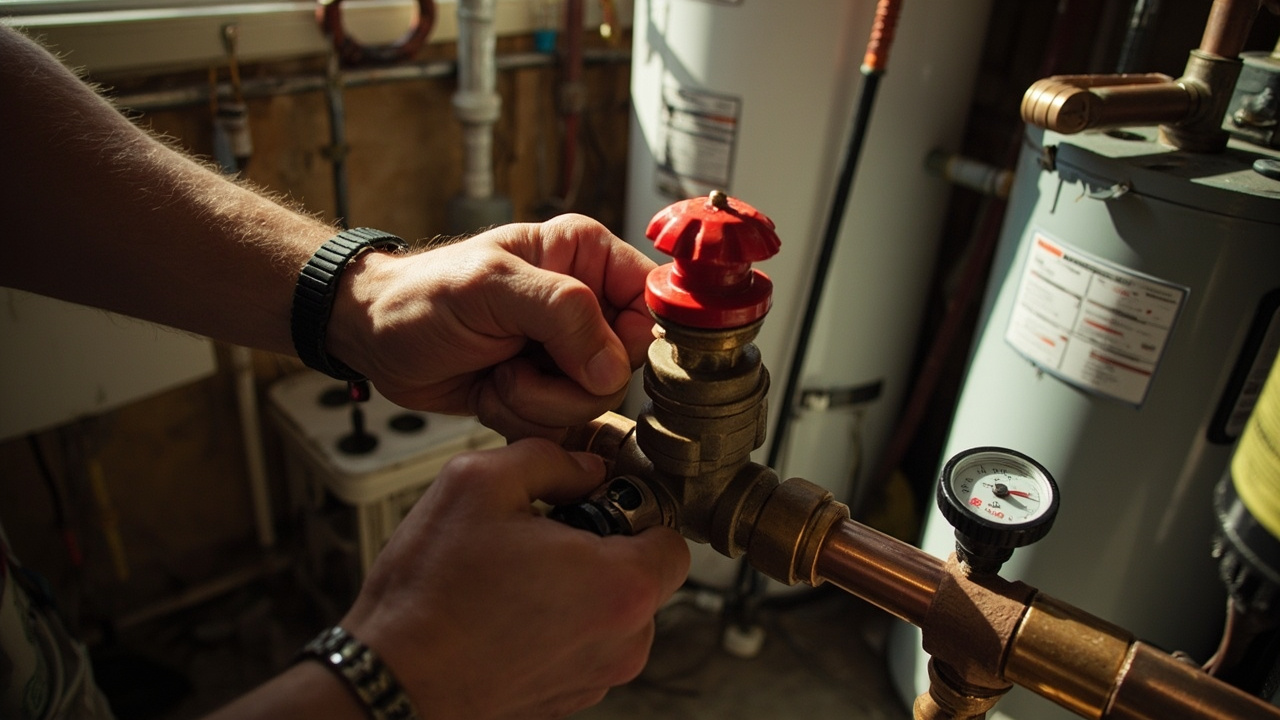
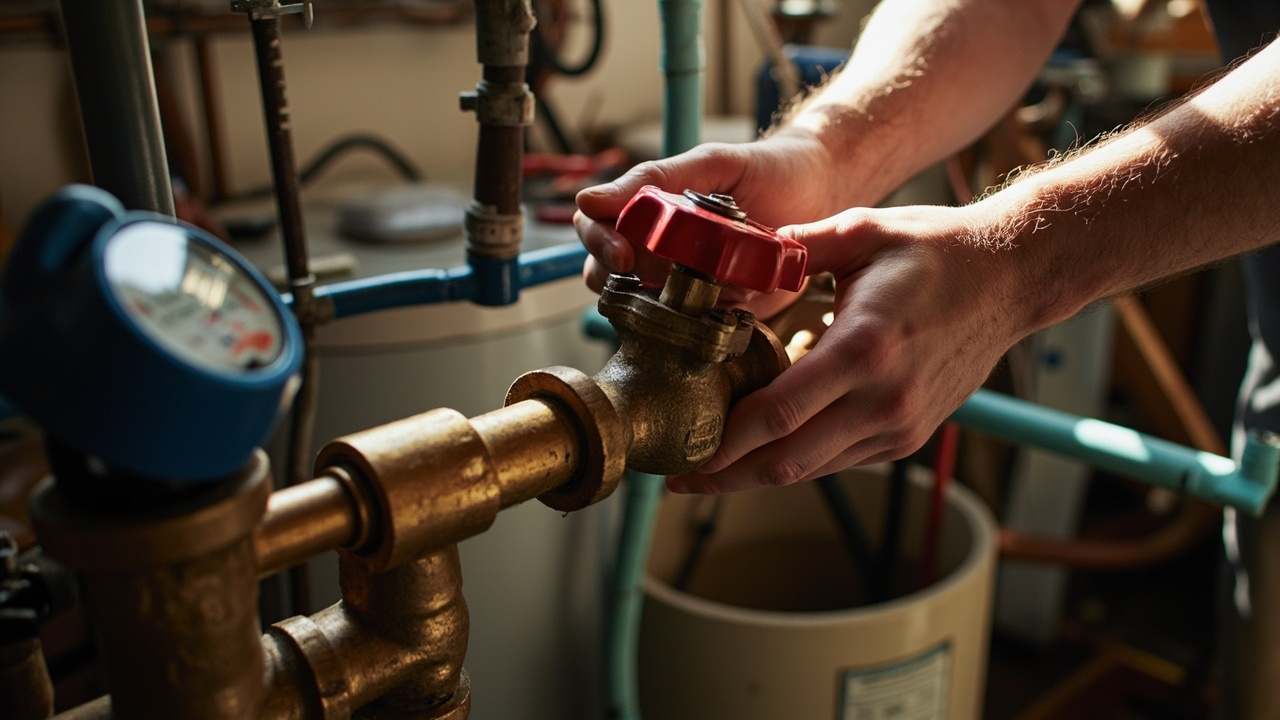
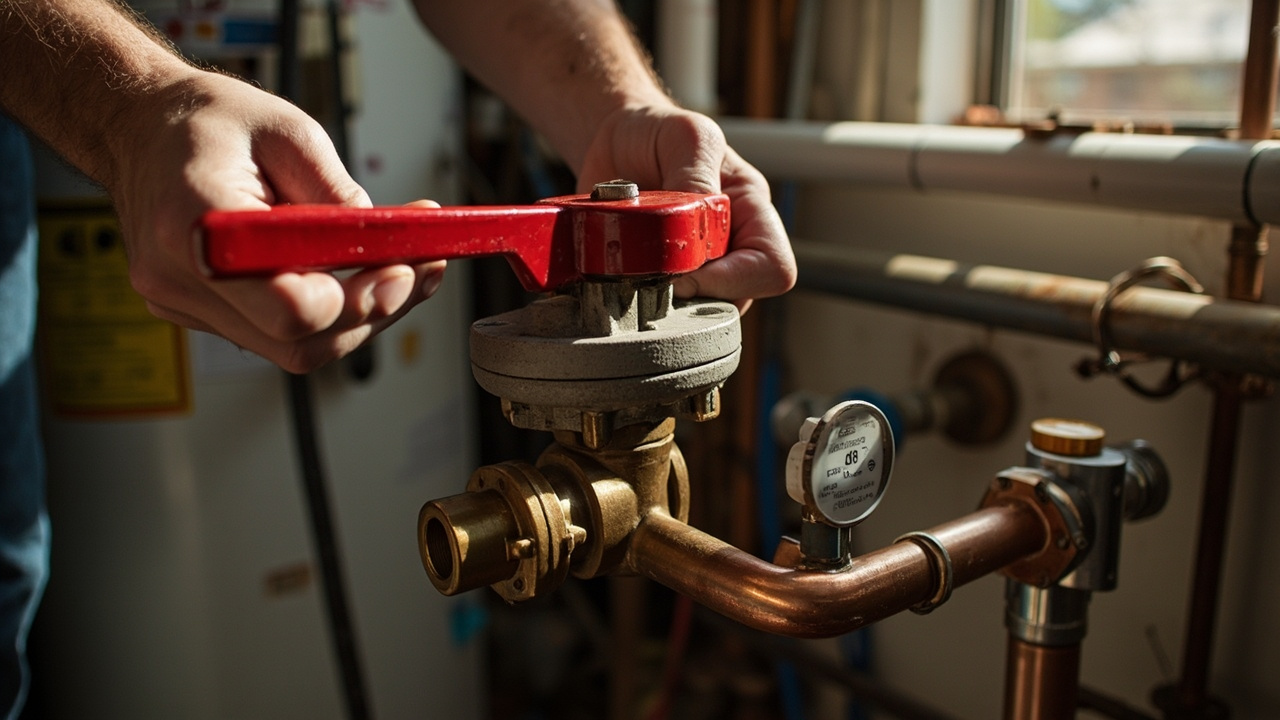
San Antonio's water comes from the Edwards Aquifer and contains 300 to 400 parts per million of dissolved minerals, primarily calcium and magnesium. This hard water creates scale buildup inside valve bodies and on valve seats. Gate valves are especially vulnerable because the rising gate scrapes calcium deposits that then prevent a tight seal. Ball valves resist this buildup better but can still develop mineral deposits around the ball seating surface. The city's expansive clay soil also shifts during wet and dry cycles, stressing underground supply lines and valve fittings. Properties near Leon Creek, Salado Creek, and the Medina River experience more dramatic soil movement that can crack valve bodies or loosen threaded connections.
Plumbers working in San Antonio understand these conditions and recommend valve materials and designs that tolerate the local environment. We know which neighborhoods have the oldest infrastructure and highest failure rates. We maintain relationships with San Antonio Water System inspectors so we can expedite permits when valve replacement requires meter access. Local expertise means faster response, correct parts in stock, and familiarity with the building codes and utility procedures specific to Bexar County. When your main valve fails and water is running, you want someone who has replaced a hundred valves in your neighborhood, not someone learning your city's systems for the first time.