Menu

How to Prevent Frozen Pipes in San Antonio – Proven Winterizing Methods That Work in South Texas Freezes

Learn the exact frozen pipe prevention tips that protect San Antonio homes during rare but damaging winter storms, from insulating vulnerable crawl spaces to keeping water flowing when temperatures drop below freezing.

Slider Image 1
Slider Image 2
Slider Image 3
Slider Image 4
Slider Image 5
Slider Image 7
Slider Image 8
Slider Image 9
Slider Image 10
Slider Image 11

Why San Antonio Homes Are More Vulnerable to Frozen Pipes Than You Think

San Antonio sits in a climate zone where hard freezes are rare but devastating. Most homes in the Alamo Heights, Terrell Hills, and Stone Oak areas were built without the aggressive pipe insulation you find in northern states. When a winter storm drops temperatures into the teens or twenties, pipes in unheated attics, exterior walls, and garage-mounted water heaters are exposed to conditions they were never designed to handle.

The Balcones Escarpment creates microclimates across Bexar County. Homes on the north side of town often experience colder overnight lows than properties near Loop 410 South. A pipe that survives a freeze in one neighborhood can burst in another just five miles away.

Stopping pipes from freezing is not about weathering consistent cold. It is about surviving sudden temperature swings. San Antonio can go from 65 degrees at noon to 28 degrees by midnight. That rapid drop does not give your plumbing system time to adjust. Water expands as it freezes, and that pressure splits copper, PEX, and galvanized steel with equal efficiency.

Keeping water pipes from freezing requires understanding your home's specific vulnerabilities. Exterior hose bibs, crawl space supply lines, and pipes running through uninsulated exterior walls are the first to fail. Protecting pipes from freezing means identifying these weak points before the next freeze warning hits your phone.

Most San Antonio homeowners think frozen pipes only happen in extreme cold. The reality is that pipes begin to freeze when temperatures drop below 32 degrees for more than six hours. That happens in San Antonio at least once every two to three winters, and the damage costs run into the thousands.

Why San Antonio Homes Are More Vulnerable to Frozen Pipes Than You Think
The Right Way to Winterize Plumbing in a South Texas Climate

The Right Way to Winterize Plumbing in a South Texas Climate

Winterizing plumbing pipes in San Antonio requires a different approach than what works in Dallas or Houston. You are not preparing for a three-month freeze season. You are preparing for a 48-hour cold snap that may or may not happen this year.

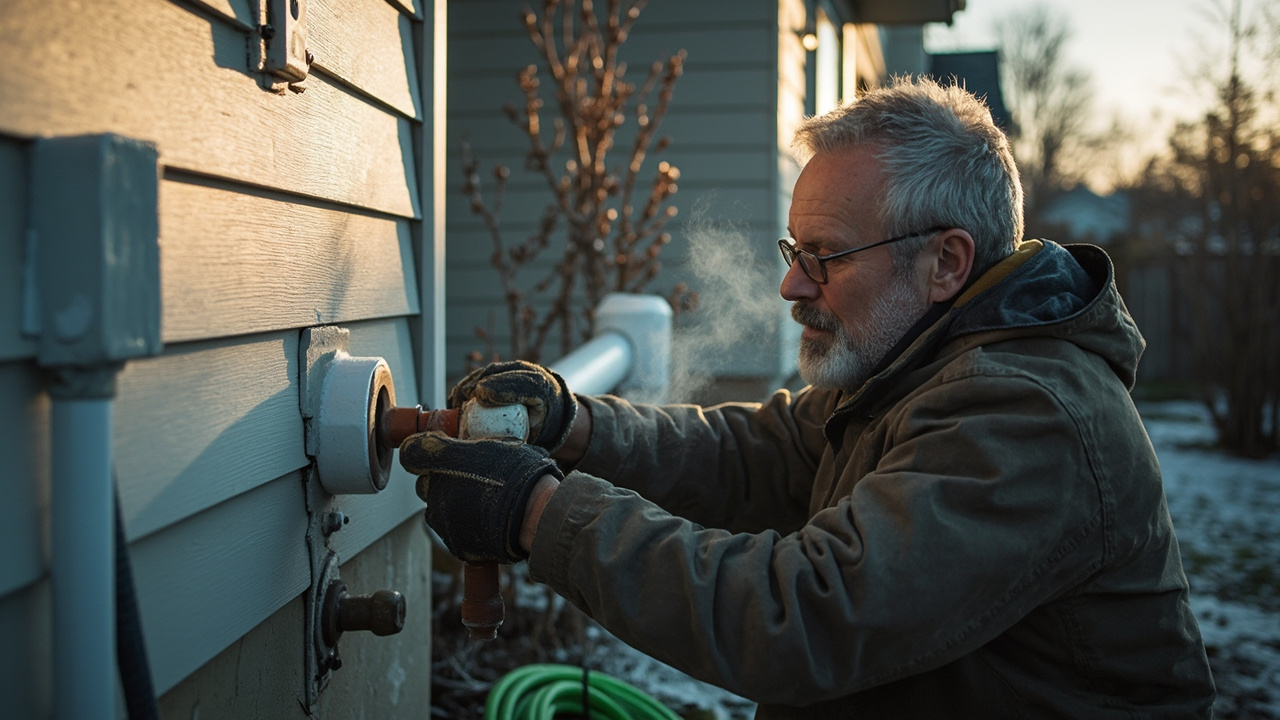
The most effective frozen pipe prevention tips focus on vulnerable exposure points. Start by wrapping exterior hose bibs with foam insulation sleeves. Disconnect garden hoses and drain the lines. Water trapped in a hose bib will freeze, expand backward into the supply line, and crack the pipe inside your wall cavity.

Attic-mounted water heaters are common in San Antonio homes built before 2000. These units sit in spaces that regularly drop below freezing during winter storms. Insulate the cold water supply line running to the heater with closed-cell foam pipe insulation rated for at least R-4. Standard foam pool noodles are not enough. You need pipe insulation that locks out cold air and prevents conductive heat loss.

Crawl spaces and pier-and-beam foundations are another weak point. Homes in Alamo Heights and Monte Vista often have supply lines running through ventilated crawl spaces. Close foundation vents during freeze warnings and wrap exposed pipes with heat tape before insulating them. Heat tape uses low wattage to keep pipes above freezing, but it must be installed correctly to avoid fire risk.

Cabinet doors under sinks should stay open during freezes. The warm air from your heated home needs to circulate around supply lines in exterior walls. Let faucets drip at a rate of about five drips per minute. Moving water is harder to freeze than static water, and the drip prevents pressure buildup even if ice begins to form.

Protecting pipes from freezing is not about one single fix. It is about layering defenses across every vulnerable point in your plumbing system.

How to Prepare Your Home Before the Next Freeze Warning

How to Prevent Frozen Pipes in San Antonio – Proven Winterizing Methods That Work in South Texas Freezes
01

Identify Vulnerable Pipe Runs

Walk your property and locate every exterior hose bib, crawl space access, and attic-mounted water line. Check garage walls for exposed copper or PEX runs. Map where your main water line enters the foundation. These are the failure points. Use a flashlight in your attic to trace cold water supply lines. Mark any section within three feet of an exterior wall or roof vent. These sections lose heat faster than interior runs and need insulation first.
02

Install Insulation and Heat Tape

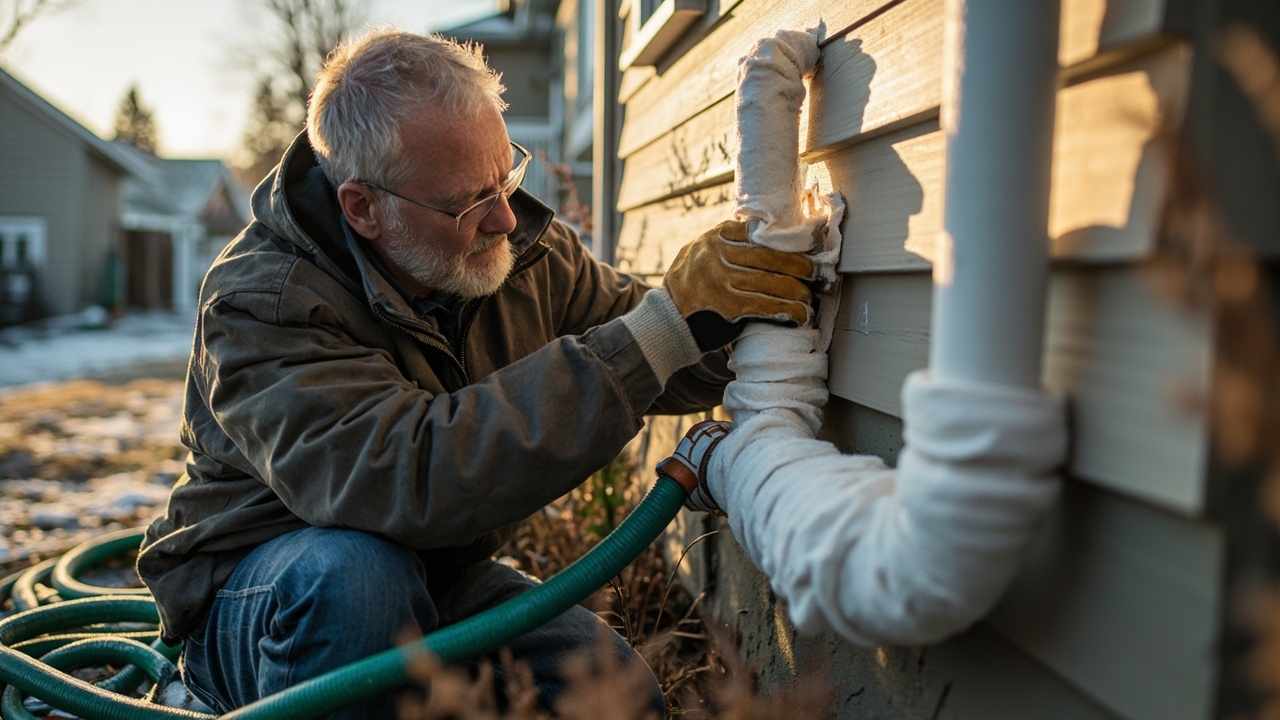
Wrap vulnerable pipes with foam insulation sleeves rated for outdoor use. Secure the sleeves with zip ties or adhesive tape to prevent gaps. For pipes in unheated attics or crawl spaces, apply self-regulating heat tape before wrapping with insulation. Heat tape activates automatically when temperatures drop below 40 degrees. Plug the tape into a GFCI-protected outlet and verify the indicator light confirms power. Insulation without heat tape works for short freezes but fails during extended cold snaps below 20 degrees.
03

Set Up Drip Points

When the National Weather Service issues a freeze warning, open cabinet doors under sinks and let faucets drip. Focus on faucets along exterior walls or farthest from your water heater. A slow drip keeps water moving and relieves pressure if ice forms. Set your thermostat no lower than 55 degrees, even if you leave town. A cold house invites frozen pipes. Check your attic access hatch for gaps that let warm air escape. Seal gaps with weatherstripping to keep conditioned air inside your home.

Why San Antonio Homeowners Trust Local Plumbers Who Understand South Texas Winters

Frozen pipe prevention in San Antonio is not something you learn from a textbook written for Minnesota. It requires experience with the specific building practices, foundation types, and climate patterns of Bexar County.

Homes in Terrell Hills and Olmos Park were built in the 1940s and 1950s with pier-and-beam foundations and minimal insulation. Contractors at the time did not anticipate the kind of hard freezes we saw in February 2021. Those homes need targeted retrofitting, not generic advice.

Alpha Plumbing San Antonio works in these neighborhoods year-round. We know which streets flood during heavy rain, which subdivisions have shallow slab foundations, and which builders used substandard plumbing materials in the 1980s and 1990s. That local knowledge helps us predict where failures will happen before they occur.

San Antonio building codes do not require the same freeze protection standards as cities in the Texas Panhandle. That means your plumbing system may meet code but still fail during a cold snap. We assess your home based on real-world risk, not minimum code compliance.

Our technicians understand the difference between a home on the north side of Loop 1604 and a property near Brooks City-Base. Elevation, wind exposure, and proximity to the Balcones Fault Zone all affect how quickly your pipes lose heat. We adjust our winterizing strategies based on your specific location, not a one-size-fits-all checklist.

When you call a plumber who understands San Antonio, you get solutions that work in your actual climate. We do not install equipment designed for Chicago winters. We install targeted insulation, heat tape, and valve upgrades that make sense for a city that freezes once every few years but suffers major damage when it does.

Stopping pipes from freezing in San Antonio is about precision, not overkill.

What to Expect When You Prepare Your Plumbing for Winter

Response Time and Availability

Frozen pipe prevention is a proactive service, not an emergency call. Schedule an assessment in November or early December, before the first freeze warning. Most inspections and winterizing work take two to four hours depending on the size of your home and the number of vulnerable pipe runs. If you wait until the night before a freeze, availability is limited. Plan ahead. We keep insulation materials and heat tape in stock from October through March, but high-demand weekends during freeze warnings can deplete inventory quickly.

The Inspection Process

A thorough winterizing inspection covers your attic, crawl space, garage, and exterior walls. We trace supply lines from the water heater to every fixture, looking for sections that lack insulation or run through unheated spaces. We check hose bibs for shutoff valves and verify that your main water shutoff is accessible and functional. You receive a written report identifying high-risk areas and recommended upgrades. The goal is not to sell you unnecessary work. The goal is to show you where your system will fail if temperatures drop below freezing for more than six hours.

The Final Result

After winterizing, your plumbing system can handle temperatures down to 20 degrees for up to 12 hours without pipe failure. You will have labeled shutoff valves, insulated hose bibs, heat tape on vulnerable runs, and a clear action plan for the next freeze warning. We provide a checklist that tells you exactly which faucets to drip, which cabinet doors to open, and what thermostat setting to maintain. You do not need to guess. You follow the plan, and your pipes stay intact. Most clients go through multiple winters without a single freeze-related failure after proper winterization.

Ongoing Maintenance and Monitoring

Heat tape has a lifespan of three to five years depending on usage and installation quality. We recommend inspecting heat tape annually and replacing it if the indicator light fails to activate. Foam pipe insulation can degrade from UV exposure in attics with poor ventilation. Check insulation every fall for cracks, gaps, or compression. If you add a new water line, water heater, or outdoor fixture, schedule a follow-up winterizing inspection. Each change to your plumbing system creates new freeze risks. Maintenance is minimal, but it matters. A small investment in annual checks prevents catastrophic failures during the next hard freeze.

Frequently Asked Questions

You Have Questions,
We Have Answers

How do I stop my pipes from freezing? +

Insulate exposed pipes in attics, crawl spaces, and exterior walls. Use foam pipe sleeves or heat tape on vulnerable sections. Disconnect garden hoses and drain outdoor faucets before freezing weather hits. Open cabinet doors under sinks to let warm air circulate around pipes. Seal cracks and gaps where cold air enters your home, especially near plumbing. In San Antonio, focus on pipes along north-facing walls and unheated garages where sudden cold snaps create the most risk. During freezes, let faucets drip slightly and keep your thermostat consistent day and night.

At what temperature will pipes freeze? +

Pipes risk freezing when temperatures drop to 32 degrees Fahrenheit, but sustained exposure below 20 degrees poses the greatest danger. In San Antonio, freezes happen fast and catch homeowners off guard because we experience rapid temperature swings. Pipes in unheated spaces like attics, garages, and exterior walls freeze quicker than interior plumbing. Water expands when it freezes, creating pressure that splits copper, PVC, and galvanized pipes. Wind chill accelerates freezing in exposed areas. Monitor weather forecasts closely during winter cold fronts and take preventive steps when temperatures approach freezing overnight.

At what temperature should you let your faucets drip? +

Let faucets drip when outdoor temperatures fall to 28 degrees or below, especially if the forecast predicts sustained cold overnight. In San Antonio, this precaution matters most during sudden winter storms when temps drop quickly. Target faucets on exterior walls, in unheated rooms, or those farthest from your water heater. Cold water expands through pipes slower than moving water, so even a pencil-thin drip relieves pressure and prevents bursts. Open both hot and cold taps slightly. The cost of wasted water is minimal compared to repair bills from burst pipes and water damage.

How much water should I run to keep pipes from freezing? +

A slow, steady drip is enough. You need about five drips per minute or a stream roughly the width of a pencil lead. You do not need a full flow. The goal is movement, not volume. Running water prevents static water from freezing inside pipes. Focus on faucets connected to vulnerable pipes in attics, exterior walls, or unheated spaces. In San Antonio homes, this often means bathrooms and kitchens on outside walls. Let both hot and cold lines drip to protect the full system. This small flow creates enough movement to prevent ice formation during short freezes.

How warm to keep a house to prevent pipes from freezing? +

Keep your thermostat at 55 degrees minimum, even when you leave home. Consistent warmth prevents interior pipes from dropping below freezing. In San Antonio, many homes lack attic insulation common in northern climates, so heat escapes quickly during cold snaps. Maintain the same temperature day and night during freezes. Do not use setback schedules or lower temps to save money during winter storms. The few dollars saved on heating costs pale compared to burst pipe repairs and water damage. Open cabinet doors under sinks to let heated air reach plumbing in exterior walls.

Do ping pong balls keep water from freezing? +

No. Ping pong balls do not prevent pipe freezing. This myth suggests floating balls on water surfaces reduce ice formation, but pipes freeze from the inside out due to cold air surrounding them. The issue is ambient temperature, not surface tension. In San Antonio, focus on proven methods like insulation, heat tape, and letting faucets drip. Ping pong balls might slow surface freezing in ponds or livestock tanks, but they offer zero protection for household plumbing. Rely on insulation, proper heating, and water movement to protect your pipes during freezes.

Does keeping heating on stop pipes from freezing? +

Yes. Maintaining consistent heat prevents pipes from freezing. Your heating system warms air that surrounds pipes in walls, floors, and ceilings. In San Antonio homes, many pipes run through attics and exterior walls with minimal insulation. Keeping your furnace or heat pump running ensures these vulnerable areas stay above freezing. Set your thermostat to 55 degrees minimum during cold weather, even overnight or when traveling. Do not turn heat off to save money during winter storms. Burst pipes cause thousands in damage. Consistent heating is your primary defense against frozen plumbing in our climate.

Where are the pipes most likely to freeze? +

Pipes freeze first in unheated spaces like attics, crawl spaces, garages, and exterior walls. In San Antonio, attic plumbing is vulnerable because homes here prioritize cooling over heating insulation. North-facing walls get less sun and stay colder longer. Pipes near rim joists, under kitchen and bathroom sinks on outside walls, and outdoor hose bibs freeze quickly. Water heaters and supply lines in garages face direct cold exposure. Homes on pier-and-beam foundations risk freeze damage in crawl spaces. Identify these areas now and add insulation, heat tape, or foam sleeves before the next cold snap.

Does homeowners insurance cover frozen pipes? +

Most homeowners policies cover sudden burst pipe damage, but not damage from neglect or lack of maintenance. If you take reasonable steps like insulating pipes, letting faucets drip, and maintaining heat during freezes, insurance typically covers repairs. If you turn off heat while traveling and pipes burst, insurers may deny claims. In San Antonio, document your prevention efforts during freeze warnings. Take photos of dripping faucets and thermostat settings. Review your policy for specific winterization requirements if you leave home vacant. Coverage varies by insurer, so confirm details with your agent before freezing weather arrives.

How do I know if my pipes are freezing? +

Watch for reduced water pressure, strange gurgling sounds, or no water flow when you turn on faucets. Visible frost on exposed pipes signals freezing. Odd smells from drains indicate ice blockages forcing sewer gases back into your home. In San Antonio, check pipes during early morning hours after overnight freezes. Touch exposed pipes in attics and garages. If they feel ice-cold or you see condensation, they are at risk. If a faucet produces no water during freezing weather, the pipe has likely frozen. Shut off water immediately and call a plumber before the pipe bursts.

How San Antonio's Rare Freeze Events Make Winterizing Plumbing a Critical Investment

San Antonio averages fewer than five nights per year below 32 degrees, but those rare freezes cause disproportionate damage. Homes built for a subtropical climate lack the insulation and pipe protection standard in colder regions. The February 2021 winter storm caused an estimated 200 million dollars in freeze-related plumbing damage across Bexar County. Pipes that had survived decades without issue burst in walls, attics, and crawl spaces. Insurance claims spiked, and repair crews were backlogged for months. Keeping water pipes from freezing is not about preparing for routine cold. It is about surviving the infrequent but severe freeze that overwhelms unprepared plumbing systems.

Alpha Plumbing San Antonio has worked in Alamo Heights, Stone Oak, and the Medical Center area for years. We understand the construction methods used in different decades and how those methods affect freeze vulnerability. Homes near Brackenridge Park have different risk profiles than new builds in far north Bexar County. We do not apply generic solutions. We assess your home's age, foundation type, and geographic location to create a winterizing plan that matches your actual risk. Local expertise matters when the stakes are this high. A plumber from another region may know frozen pipes, but they do not know San Antonio.

Plumbing Services in The San Antonio Area

Although we are dedicated to serving San Antonio, Alpha Plumbing extends its reliable services throughout the surrounding areas. Our team is strategically located to respond promptly to your plumbing needs, whether you're in the heart of the city or a neighboring community. Explore our service area on the map to see if we cover your location, or contact us directly to confirm our availability and schedule a visit from our expert technicians.

Address:
Alpha Plumbing San Antonio, 700 North Saint Mary's Street, Riverwalk Place Ste 1400, San Antonio, TX, 78205

Additional Services We Offer

Our news updates

Latest Articles & News from The Blogs

Keeping the floor drains in your San Antonio garage from drying out and smelling Your garage floor drain should quietly…

Keeping the floor drains in your San Antonio garage from drying out and smelling

Keeping the floor drains in your San Antonio garage from drying out and smelling Your garage floor drain should quietly…

What you should never put down the disposal in your Five Points apartment

What you should never put down the disposal in your Five Points apartment\n\nSan Antonio's hard water and Five Points' older…

Why a water softener alone isn't enough for the drinking water in Hill Country Village

Why a water softener alone isn’t enough for the drinking water in Hill Country Village \n\n Living in Hill Country…

Contact Us

Do not wait until temperatures drop to think about winterizing. Call Alpha Plumbing San Antonio at (210) 374-7773 today to schedule a freeze prevention assessment and protect your plumbing system before the next cold snap.