
Transitioning from Septic to Public Sewer in Timberwood Park
Moving from a septic system to public sewer in Timberwood Park is a significant decision for homeowners. The process involves understanding local regulations, managing costs, and navigating the connection to the San Antonio Water System (SAWS). This guide breaks down everything you need to know about making the switch, from initial planning to final connection. SAWS official website.
Understanding the Need for Conversion
Many homes in Timberwood Park were built with septic systems decades ago when the area was more rural. As San Antonio expands and infrastructure improves, public sewer lines are becoming available. Converting to public sewer eliminates the need for septic tank pumping, reduces maintenance concerns, and can increase property value. The decision often comes when a septic system fails, when city sewer becomes available at the property line, or when homeowners want to avoid the ongoing costs and responsibilities of septic ownership. Emergency San Antonio Plumbers Who Actually Answer the Phone at Night.
The soil in Timberwood Park, primarily composed of clay and limestone, can create challenges for septic systems. Clay soil has poor drainage, which can lead to system failures and groundwater contamination. Public sewer provides a more reliable and environmentally friendly solution for waste management. How We Repair Sewer Lines in King William Without Destroying the History.
Average Cost of Septic-to-Sewer Conversion
The cost to convert from septic to public sewer varies significantly based on several factors. Most homeowners in Timberwood Park can expect to pay between $8,000 and $15,000 for a complete conversion. This range includes the cost of connecting to the main sewer line, obtaining necessary permits, and properly abandoning the old septic tank.. Read more about Understanding the difference between gray water and black water in Highland Park.
Basic connection costs start around $5,000 for properties where the sewer main is close to the house and minimal excavation is required. However, properties with difficult soil conditions, long distances to the main line, or the need for a lift station can see costs exceed $20,000. The presence of limestone bedrock, common in parts of Timberwood Park, can significantly increase excavation costs due to the need for specialized equipment.
Cost Breakdown: What You’re Actually Paying For
Understanding the cost components helps you budget accurately for your conversion project. Here’s what typically makes up the total investment:
| Cost Component | Typical Range | Description |
|---|---|---|
| SAWS Connection Fees | $2,000 – $4,000 | Impact fees and connection charges from SAWS |
| Permits and Inspections | $500 – $1,500 | Bexar County and city permits, inspection fees |
| Excavation and Trenching | $50 – $150 per linear foot | Digging the trench for new sewer line |
| Piping Materials | $15 – $30 per linear foot | Schedule 40 PVC or other approved materials |
| Septic Tank Abandonment | $1,500 – $3,000 | Pumping, crushing, and backfilling old tank |
| Restoration and Landscaping | $1,000 – $3,000 | Repairing lawn and hardscaping damage |
Excavation costs in Timberwood Park can be particularly high due to the limestone bedrock that underlies much of the area. Rock excavation requires specialized equipment and can cost two to three times more than standard trenching through soil. The distance from your home to the nearest sewer main also significantly impacts the total cost, as each additional foot of trenching adds to both labor and material expenses.
The SAWS Connection Process
Connecting to SAWS involves several steps and coordination with both the utility and your plumbing contractor. The process typically takes 4-8 weeks from application to final connection, though this can vary based on permit approval times and scheduling availability. Plumbing Boerne.
- Application and Site Assessment
Submit an application to SAWS and have your property assessed for connection feasibility. This includes verifying the location of existing utilities and determining the best path for the new sewer line.
- Permit Acquisition
Obtain all necessary permits from Bexar County and the City of San Antonio. This includes plumbing permits and any environmental permits required for properties in the Edwards Aquifer Recharge Zone.
- Excavation and Installation
Dig the trench and install the new sewer lateral line from your home to the main sewer line. This work must comply with all local plumbing codes and SAWS specifications.
- Inspection and Testing
Schedule inspections with SAWS and local authorities to verify the installation meets all requirements. This includes pressure testing and camera inspection of the new line.
- Final Connection
Once approved, SAWS will make the final connection to the main sewer line and activate service. Your old septic system can then be properly abandoned.
The SAWS Lateral Loan Program can help with financing for eligible homeowners. This program offers low-interest loans to cover the cost of connecting to public sewer, making the conversion more affordable for many families.
Septic Tank Abandonment Requirements
Properly abandoning your old septic tank is not optional – it’s a legal requirement in Texas. The Texas Commission on Environmental Quality (TCEQ) mandates specific procedures to prevent future hazards and environmental contamination. Texas Commission on Environmental Quality.
The abandonment process involves several critical steps. First, the tank must be pumped completely empty by a licensed septic service. Any remaining solids are removed to prevent future settling or collapse. The tank is then either completely removed or crushed in place and filled with sand or gravel. Simply draining the tank and leaving it underground creates a dangerous void that can collapse under the weight of vehicles or saturated soil.
Properties in the Edwards Aquifer Recharge Zone face additional requirements. These areas are particularly sensitive to contamination, so the abandonment process must include extra precautions to prevent any potential groundwater pollution. This might include installing a concrete cap over the filled tank or using specific backfill materials that prevent water infiltration.
Factors Influencing Your Total Investment
Several factors unique to Timberwood Park can affect your conversion costs. Understanding these variables helps you prepare for potential expenses and avoid surprises during the project.
Soil composition is a major cost factor. The clay soil common in Timberwood Park has poor drainage and can be difficult to excavate. When combined with limestone bedrock, excavation becomes significantly more challenging and expensive. Properties near the edge of the Hill Country may have deeper limestone layers, requiring more extensive drilling or blasting to install the sewer line.
The location of your home relative to the sewer main is another critical factor. Homes on corner lots or those with long frontages may have easier access to the main line, while homes in the interior of blocks might require longer, more expensive runs. The presence of large trees, underground utilities, or existing hardscaping can also complicate the installation and increase costs.
Properties in the Edwards Aquifer Recharge Zone face additional permitting requirements and potential environmental fees. These fees help fund programs that protect the aquifer from contamination. While the fees vary based on the specific location and project scope, they can add $500 to $2,000 to your total cost.
Comparing Septic vs. Sewer: Long-Term Considerations
While the upfront cost of conversion is significant, comparing the long-term costs and benefits helps justify the investment. Here’s how septic and public sewer systems compare over a 20-year period:
| Factor | Septic System | Public Sewer |
|---|---|---|
| Annual Maintenance | $300 – $500 (pumping every 3-5 years) | $40 – $80 (monthly sewer fee) |
| Repair Costs | $2,000 – $10,000 (system failure) | Minimal (city responsibility) |
| Property Value Impact | Can decrease value, harder to sell | Typically increases value |
| Environmental Risk | High (contamination potential) | Low (professional treatment) |
| Emergency Response | 24-48 hour service window | Immediate city response |
Public sewer eliminates the risk of septic system failure, which can cost thousands in emergency repairs and property damage. It also removes the need to remember pumping schedules and deal with the inconvenience of system maintenance. For many homeowners, these lifestyle improvements alone justify the conversion cost. Safe and Professional Gas Line Repairs for Hollywood Park Residents.
Financing Options and Rebates
Several financing options can make your septic-to-sewer conversion more affordable. The SAWS Lateral Loan Program offers low-interest loans specifically for this purpose. These loans typically have terms of 5-10 years with interest rates significantly lower than personal loans or credit cards.
Some homeowners may qualify for additional assistance through local programs. The City of San Antonio occasionally offers rebates or grants for infrastructure improvements that benefit the community, including sewer connections. These programs change annually, so checking with SAWS or the city’s development services department is worthwhile.
Home equity loans or lines of credit provide another financing option. These often have lower interest rates than personal loans and may offer tax advantages. Some homeowners choose to roll the conversion cost into a larger home improvement project to maximize the value of their investment.
Choosing the Right Contractor
Selecting a qualified contractor is crucial for a successful conversion. Look for a Master Plumber licensed in Texas with specific experience in septic-to-sewer conversions. The contractor should be familiar with SAWS requirements, local permitting processes, and the specific challenges of working in Timberwood Park’s soil conditions.
Ask potential contractors about their experience with limestone excavation and their approach to minimizing property damage during trenching. A good contractor will conduct a thorough site assessment before providing a quote and will be transparent about potential challenges and cost variables. They should also handle all permit applications and coordinate with SAWS throughout the process.
Request references from homeowners who have completed similar conversions in your area. Ask about their experience with the contractor, any unexpected issues that arose, and how those issues were resolved. A contractor who has worked in Timberwood Park will understand the specific challenges of the area and can provide more accurate estimates and timelines.
Preparing for the Conversion Process
Before work begins, there are several steps you can take to prepare your property and minimize disruption. First, locate all underground utilities on your property. Most utility companies will mark their lines for free if you call 811 at least two business days before excavation begins.
Consider the impact on your landscaping and hardscaping. The trench for the new sewer line typically needs to be 24-36 inches deep and wide enough to accommodate the pipe and proper bedding material. This means significant disruption to lawns, gardens, and any surface features in the path of the trench. Discuss with your contractor options for minimizing damage and restoration plans.
If you have a sprinkler system, pool equipment, or other underground features, identify their locations and discuss routing options with your contractor. Sometimes the sewer line can be routed around obstacles, though this may increase costs. In other cases, temporary disconnection and reconnection of these systems may be necessary.
Plan for temporary water use restrictions during certain phases of the work. While you’ll maintain water service throughout most of the project, there may be brief periods when water use needs to be limited to prevent overwhelming the new sewer connection before it’s fully operational.
Timeline Expectations
A typical septic-to-sewer conversion in Timberwood Park takes 4-8 weeks from start to finish, though this timeline can vary based on several factors. The permitting process alone can take 2-3 weeks, depending on the current workload of local authorities and the complexity of your project.
Weather can significantly impact the timeline. Heavy rains can delay excavation work and make soil conditions difficult to work with. The clay soil in Timberwood Park becomes particularly problematic when saturated, as it can collapse into trenches or make equipment operations dangerous.
Material availability and contractor scheduling also affect the timeline. During busy seasons, you might face delays in getting your project started or in obtaining necessary materials. Planning your conversion during the fall or winter months, when demand is typically lower, can help ensure a smoother process. Getting a Clogged Drain Cleared Fast Near the San Antonio Medical Center.
Environmental and Community Benefits
Converting from septic to public sewer provides benefits that extend beyond your individual property. Septic systems, when they fail or are improperly maintained, can contaminate groundwater and nearby surface water. This contamination can affect local streams, the Edwards Aquifer, and ultimately the drinking water supply for the region.
Public sewer systems provide professional treatment of wastewater at centralized facilities designed to handle the specific contaminants found in residential waste. These facilities use advanced treatment processes that remove pollutants before the water is safely discharged or reused. This professional treatment is far more effective at protecting public health and the environment than individual septic systems.
As more homes in Timberwood Park convert to public sewer, the community benefits from improved infrastructure reliability and reduced environmental risks. This infrastructure improvement supports the continued growth and development of the area while maintaining the quality of life that attracted residents to Timberwood Park in the first place.
Making the Decision
Deciding whether to convert from septic to public sewer is a significant decision that requires weighing several factors. Consider the age and condition of your current septic system, the availability and cost of public sewer connection, and your long-term plans for the property.
If your septic system is approaching the end of its typical 20-30 year lifespan, conversion might be more cost-effective than replacing it with another septic system. If public sewer is available at your property line and the connection cost is reasonable, the convenience and reliability of public sewer often justify the investment.
Consider your plans for the property. If you intend to stay in your home for many years, the benefits of public sewer – including increased reliability, eliminated maintenance, and potential property value increases – can provide good return on investment. If you plan to sell soon, having public sewer can make your property more attractive to buyers and potentially increase your sale price.
The decision ultimately comes down to balancing the upfront conversion costs against the long-term benefits of reliable, low-maintenance waste management. For many Timberwood Park homeowners, the peace of mind and convenience of public sewer make the investment worthwhile.
Frequently Asked Questions
How long does a septic system typically last before needing replacement?
Most septic systems last 20-30 years with proper maintenance. Factors like soil conditions, household size, and maintenance frequency can significantly affect lifespan. Systems in clay soils like those found in Timberwood Park often have shorter lifespans due to poor drainage.
Can I convert to public sewer myself to save money?
No. Septic-to-sewer conversion requires permits, inspections, and work that must be performed by licensed professionals. Improper installation can lead to contamination, system failure, and legal liability. The work also involves coordination with SAWS and compliance with local building codes.
What happens if I don’t properly abandon my old septic tank?
Improper abandonment creates serious safety hazards. The tank can collapse under weight, creating sinkholes that damage property and injure people. It also poses environmental risks through potential groundwater contamination. Texas law requires proper abandonment, and failure to comply can result in fines and mandatory corrective action.
Will I still need a septic tank after connecting to public sewer?
No. Once connected to public sewer, the septic tank is no longer needed for wastewater treatment. However, you may keep your existing septic tank for other purposes like greywater recycling or emergency backup, though this requires separate permitting and is not common for most homeowners.
How do I know if public sewer is available at my property?
Contact SAWS directly or check their online service availability map. You can also look for sewer manholes in your neighborhood or ask neighbors if they have public sewer. A licensed plumber can also assess your property and determine if connection is feasible and what the route would entail.
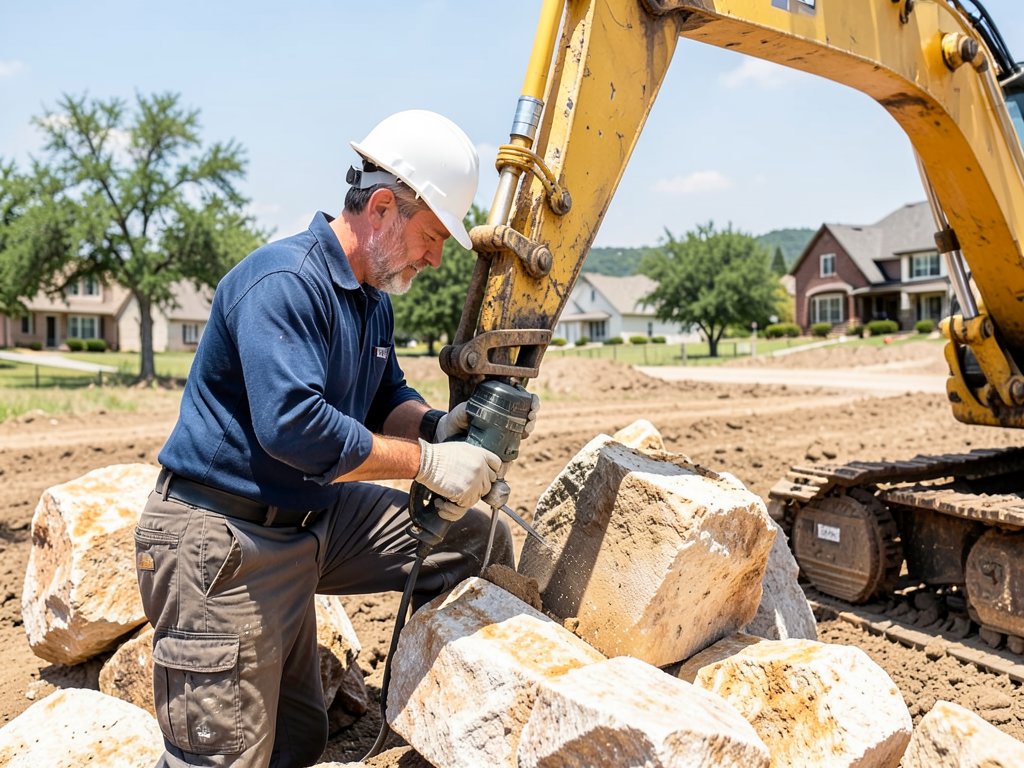
Diagram showing the step-by-step process of connecting a home to public sewer, from the main line to the house connection, with proper trenching and pipe installation details.
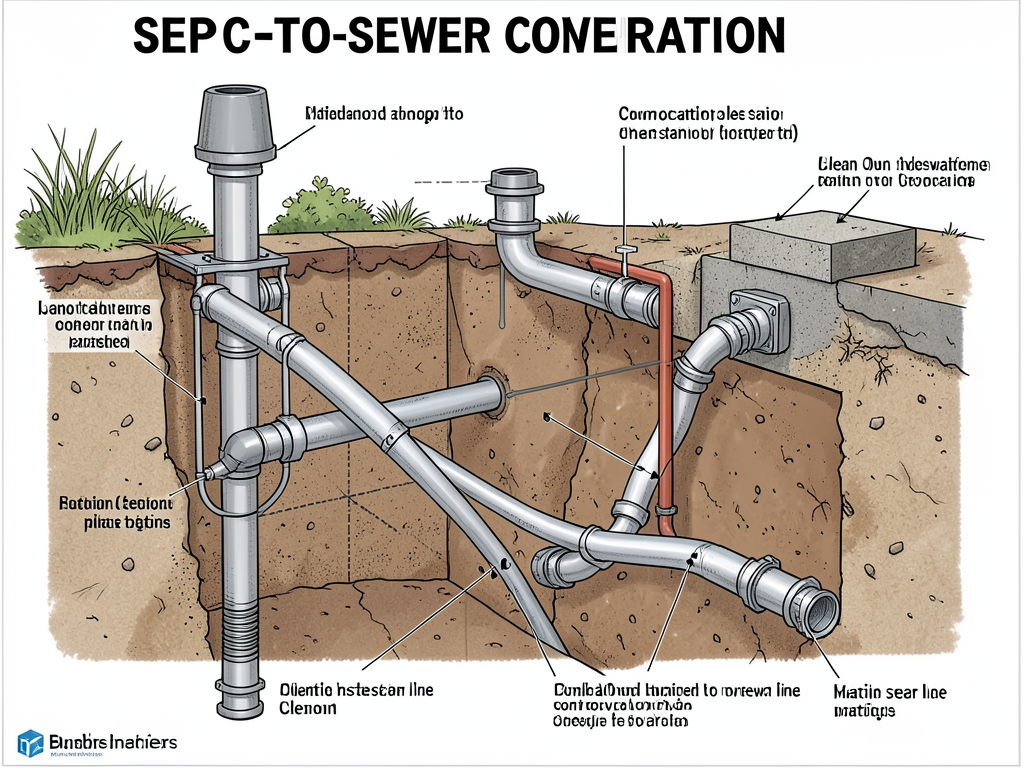
Photo of a professional plumber using specialized equipment to excavate through limestone bedrock during a sewer line installation in a Texas Hill Country neighborhood.
Before and after comparison showing a property before and after septic-to-sewer conversion, highlighting the restored landscaping and new clean-out access points.
Converting from septic to public sewer in Timberwood Park is a significant but often worthwhile investment. The process requires careful planning, professional expertise, and understanding of local requirements. While the upfront costs can be substantial, the long-term benefits of reliability, convenience, and environmental protection make it an attractive option for many homeowners.
Ready to make the switch? Call (210) 374-7773 today to schedule your property assessment and get a detailed quote for your septic-to-sewer conversion. Our experienced team understands the unique challenges of Timberwood Park and can guide you through every step of the process.
Don’t wait until your septic system fails. Take control of your home’s wastewater management now. Pick up the phone and call (210) 374-7773 before the next storm hits and potential problems become emergencies.
{
“@context”: “https://schema.org”,
“@type”: “BlogPosting”,
“headline”: “Transitioning from Septic to Public Sewer in Timberwood Park”,
“description”: “Complete guide to septic-to-sewer conversion in Timberwood Park. Learn costs, permits, SAWS process, and what to expect when connecting to public sewer.”,
“wordCount”: 2767,
“datePublished”: “2026-03-14T07:01:00.000Z”,
“dateModified”: “2026-03-14T07:01:00.000Z”,
“inLanguage”: “en-US”,
“mainEntityOfPage”: {
“@type”: “WebPage”,
“@id”: “https://alphaplumbingsanantonio.com”
},
“publisher”: {
“@type”: “LocalBusiness”,
“name”: “Alpha Plumbing San Antonio”,
“url”: “https://alphaplumbingsanantonio.com”
},
“author”: {
“@type”: “Organization”,
“name”: “Alpha Plumbing San Antonio”,
“url”: “https://alphaplumbingsanantonio.com”
},
“image”: {
“@type”: “ImageObject”,
“url”: “https://alphaplumbingsanantonio.com/wp-content/uploads/2026/03/transitioning-from-septic-to-public-sewer-in-timbe-1.png”
}
}
{
“@context”: “https://schema.org”,
“@type”: “Plumber”,
“name”: “Alpha Plumbing San Antonio”,
“url”: “https://alphaplumbingsanantonio.com”,
“address”: {
“@type”: “PostalAddress”,
“addressLocality”: “San Antonio”
},
“areaServed”: {
“@type”: “City”,
“name”: “San Antonio”
}
}
{
“@context”: “https://schema.org”,
“@type”: “FAQPage”,
“mainEntity”: [
{
“@type”: “Question”,
“name”: “How long does a septic system typically last before needing replacement?”,
“acceptedAnswer”: {
“@type”: “Answer”,
“text”: “Most septic systems last 20-30 years with proper maintenance. Factors like soil conditions, household size, and maintenance frequency can significantly affect lifespan. Systems in clay soils like those found in Timberwood Park often have shorter lifespans due to poor drainage.”
}
},
{
“@type”: “Question”,
“name”: “Can I convert to public sewer myself to save money?”,
“acceptedAnswer”: {
“@type”: “Answer”,
“text”: “No. Septic-to-sewer conversion requires permits, inspections, and work that must be performed by licensed professionals. Improper installation can lead to contamination, system failure, and legal liability. The work also involves coordination with SAWS and compliance with local building codes.”
}
},
{
“@type”: “Question”,
“name”: “What happens if I don’t properly abandon my old septic tank?”,
“acceptedAnswer”: {
“@type”: “Answer”,
“text”: “Improper abandonment creates serious safety hazards. The tank can collapse under weight, creating sinkholes that damage property and injure people. It also poses environmental risks through potential groundwater contamination. Texas law requires proper abandonment, and failure to comply can result in fines and mandatory corrective action.”
}
},
{
“@type”: “Question”,
“name”: “Will I still need a septic tank after connecting to public sewer?”,
“acceptedAnswer”: {
“@type”: “Answer”,
“text”: “No. Once connected to public sewer, the septic tank is no longer needed for wastewater treatment. However, you may keep your existing septic tank for other purposes like greywater recycling or emergency backup, though this requires separate permitting and is not common for most homeowners.”
}
}
]
}
{
“@context”: “https://schema.org”,
“@type”: “HowTo”,
“name”: “SAWS Connection Process”,
“step”: [
{
“@type”: “HowToStep”,
“position”: 1,
“name”: “Application and Site Assessment”,
“text”: “Submit an application to SAWS and have your property assessed for connection feasibility. This includes verifying the location of existing utilities and determining the best path for the new sewer line.”
},
{
“@type”: “HowToStep”,
“position”: 2,
“name”: “Permit Acquisition”,
“text”: “Obtain all necessary permits from Bexar County and the City of San Antonio. This includes plumbing permits and any environmental permits required for properties in the Edwards Aquifer Recharge Zone.”
},
{
“@type”: “HowToStep”,
“position”: 3,
“name”: “Excavation and Installation”,
“text”: “Dig the trench and install the new sewer lateral line from your home to the main sewer line. This work must comply with all local plumbing codes and SAWS specifications.”
},
{
“@type”: “HowToStep”,
“position”: 4,
“name”: “Inspection and Testing”,
“text”: “Schedule inspections with SAWS and local authorities to verify the installation meets all requirements. This includes pressure testing and camera inspection of the new line.”
},
{
“@type”: “HowToStep”,
“position”: 5,
“name”: “Final Connection”,
“text”: “Once approved, SAWS will make the final connection to the main sewer line and activate service. Your old septic system can then be properly abandoned.”
}
],
“image”: “https://alphaplumbingsanantonio.com/wp-content/uploads/2026/03/transitioning-from-septic-to-public-sewer-in-timbe-1.png”
}
{
“@context”: “https://schema.org”,
“@type”: “BreadcrumbList”,
“itemListElement”: [
{
“@type”: “ListItem”,
“position”: 1,
“name”: “Home”,
“item”: “https://alphaplumbingsanantonio.com”
},
{
“@type”: “ListItem”,
“position”: 2,
“name”: “Blog”,
“item”: “https://alphaplumbingsanantonio.com/blog”
},
{
“@type”: “ListItem”,
“position”: 3,
“name”: “Transitioning from Septic to Public Sewer in Timberwood Park”
}
]
}
{
“@context”: “https://schema.org”,
“@type”: “Service”,
“serviceType”: “Plumbing”,
“provider”: {
“@type”: “LocalBusiness”,
“name”: “Alpha Plumbing San Antonio”,
“url”: “https://alphaplumbingsanantonio.com”
},
“areaServed”: {
“@type”: “City”,
“name”: “San Antonio”
},
“description”: “Complete guide to septic-to-sewer conversion in Timberwood Park. Learn costs, permits, SAWS process, and what to expect when connecting to public sewer.”
}