
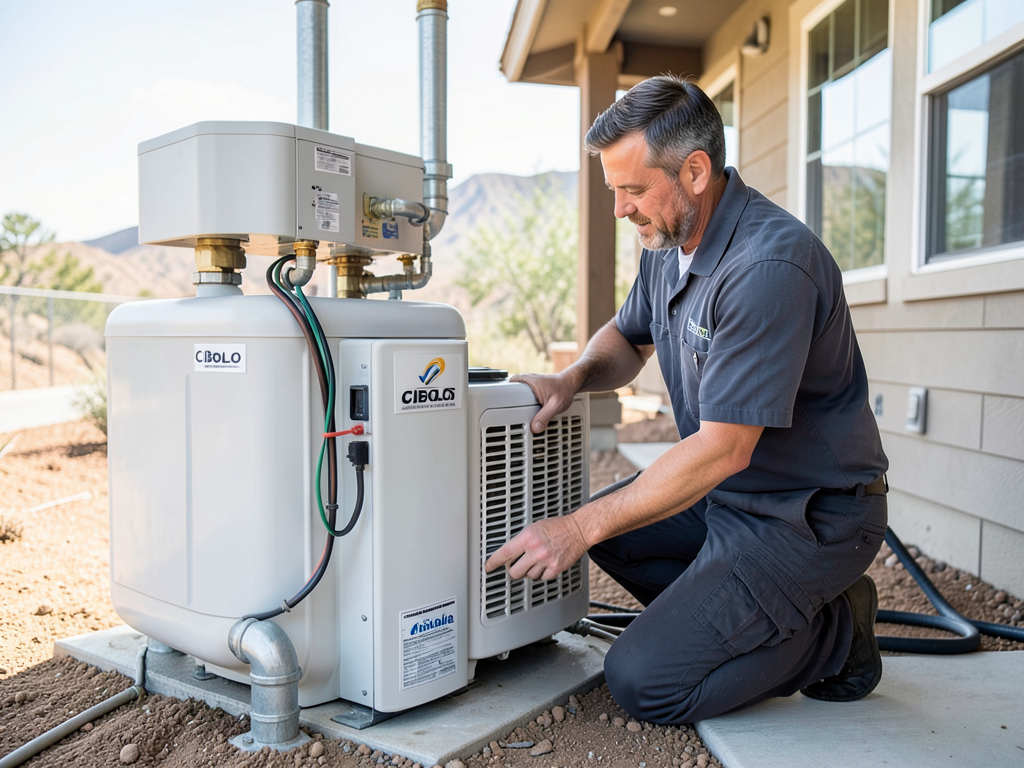
Choosing Between Salt and Salt-Free Water Softeners in Cibolo Canyons
Hard water flows through every tap in Cibolo Canyons homes. The Edwards Aquifer beneath Bexar County carries high mineral content that leaves scale on faucets, builds up inside water heaters, and shortens the life of appliances. Homeowners face a choice: traditional salt-based softeners or newer salt-free systems. Both remove or neutralize hardness minerals but work differently and serve different needs.
Salt-based softeners use ion exchange to remove calcium and magnesium. Salt-free systems use Template Assisted Crystallization to convert minerals into crystals that cannot stick to surfaces. Understanding these differences helps you pick the right system for your home’s water quality and your family’s preferences.
How San Antonio Water Affects Your Choice
Cibolo Canyons water comes from the Edwards Aquifer and tests between 15 and 20 grains per gallon of hardness. This level falls in the “very hard” range defined by the U.S. Geological Survey. At this hardness, scale builds quickly inside pipes and water heaters. A family of four using 300 gallons per day can accumulate over 150 pounds of scale per year without treatment. U.S. Geological Survey.
The high mineral content means salt-based softeners must regenerate more often. Regeneration flushes minerals from the resin bed and replaces them with sodium or potassium ions. Salt-free systems do not remove minerals but prevent them from forming scale. Both approaches work in Cibolo Canyons, but salt-based systems handle the highest hardness levels more effectively.
Salt-Based Systems: How They Work
Salt-based softeners contain a resin tank filled with tiny beads charged with sodium ions. Hard water flows through the tank and calcium and magnesium ions attach to the beads while sodium ions release into the water. This ion exchange continues until the beads become saturated with hardness minerals.
Once saturated, the system initiates regeneration. A brine solution from the salt tank flushes through the resin bed. Calcium and magnesium ions detach from the beads and drain away. The beads recharge with sodium ions and the system returns to service. This process happens automatically based on water usage or a timer setting.
Most systems use either timer-based or demand-initiated regeneration. Timer systems regenerate on a fixed schedule regardless of water use. Demand-initiated systems monitor water flow and regenerate only when needed. Demand-initiated systems save salt and water but cost more upfront.
Salt-Free Systems: How They Work
Salt-free systems use Template Assisted Crystallization media. Water passes through a catalytic chamber where hardness minerals contact nucleation sites on the media surface. Minerals form microscopic crystals that remain suspended in water rather than attaching to pipes and fixtures.
The process does not remove minerals from water. Calcium and magnesium stay present but cannot form scale. This means water still tests hard on a test strip but behaves like soft water in your home. The media lasts five to ten years before replacement becomes necessary.
Salt-free systems require no electricity, no drain line, and no salt purchases. They install quickly and take up less space than traditional softeners. However, they work best when water hardness stays below 15 grains per gallon. At Cibolo Canyons’ 15-20 GPG levels, some homeowners notice reduced effectiveness.
Installation Requirements in Cibolo Canyons
Both system types require plumbing connections to the main water line. Salt-based systems need a drain line for regeneration cycles and a 120-volt outlet for the control valve. Salt-free systems connect directly to the pipe with no electrical needs. Plumbing Boerne.
Local plumbing codes require permits for whole-house water treatment installations. The City of San Antonio mandates proper backflow prevention and drainage compliance. Systems must meet NSF/ANSI 44 certification for performance claims. Licensed plumbers handle permits and ensure installations meet all requirements. San Antonio Water System.
Space requirements differ significantly. Salt-based softeners need room for a resin tank (often 9-12 inches in diameter and 48-65 inches tall), a brine tank (14-18 inches square and 36-42 inches tall), and space for maintenance access. Salt-free systems fit in a single housing unit about 10 inches in diameter and 20 inches tall.
Cost Comparison for Local Homes
Salt-based systems cost more upfront. Basic units run $800 to $1,500 while premium systems with demand-initiated controls reach $2,500 to $4,000 installed. Salt-free systems range from $600 to $1,200 for basic units and $1,500 to $2,500 for premium catalytic systems.
Operating costs differ significantly. Salt-based systems use 25 to 80 pounds of salt monthly depending on water hardness and household size. Salt costs $5 to $10 per 40-pound bag. Regeneration also uses 50 to 100 gallons of water per cycle. Salt-free systems have no ongoing chemical costs but require media replacement every five to ten years at $150 to $300.
Long-term costs favor salt-free systems for lower maintenance but salt-based systems handle extreme hardness more effectively. Most Cibolo Canyons homes benefit from salt-based treatment given the 15-20 GPG levels.
Maintenance Requirements
Salt-based systems need monthly salt level checks and annual cleaning of the brine tank. Resin beds last 10 to 15 years before replacement. Control valves may need rebuilding every five to seven years. Homeowners must remember to add salt and monitor system performance.
Salt-free systems need minimal maintenance. Media replacement every five to ten years represents the only scheduled service. No salt monitoring, no regeneration cycles to adjust, and no drain line to maintain. This simplicity appeals to busy homeowners who want set-and-forget operation.
Both systems benefit from annual water testing to verify performance. Local water conditions can change due to drought, aquifer levels, or municipal treatment changes. Testing ensures your system continues protecting your home effectively.
Environmental Considerations
Salt-based systems discharge brine during regeneration. This salty wastewater enters the sewer system and eventually the environment. Some areas restrict salt-based softeners due to environmental concerns, though San Antonio currently allows them with proper installation. Emergency San Antonio Plumbers Who Actually Answer the Phone at Night.
Salt-free systems produce no wastewater and use no chemicals. They appeal to environmentally conscious homeowners. However, they do not remove minerals that could benefit plants or provide dietary calcium and magnesium.
Water conservation matters in Texas. Salt-based systems waste 50 to 100 gallons per regeneration cycle. Salt-free systems use zero extra water. For homes on septic systems or in areas with water restrictions, this difference matters significantly.
Health and Lifestyle Factors
Salt-based softeners add minimal sodium to water. An 8-ounce glass contains less than 12.5 milligrams of sodium. This amount poses no health risk for most people. However, those on strict sodium-restricted diets may prefer potassium chloride salt or salt-free systems.
Salt-free systems leave water chemistry unchanged. Minerals remain in the water but cannot form scale. This benefits people who prefer mineral-rich water for taste or nutritional reasons. Coffee and tea enthusiasts often prefer the mineral content salt-free systems preserve.
Soap and detergent usage drops significantly with either system. Hard water reduces soap effectiveness, requiring more product for cleaning. Both systems improve cleaning efficiency, though salt-based systems provide slightly better results for laundry and dishwashing.
Performance in Extreme Conditions
During San Antonio’s occasional hard freezes, both systems face risks. Salt-based systems with exposed drain lines can freeze and crack. Salt-free systems have no drain lines but may suffer if water flow stops completely for extended periods.
Summer heat affects salt storage. High temperatures can cause salt bridging in the brine tank, where salt clumps and prevents proper regeneration. Salt-free systems have no salt to manage but may experience slightly reduced effectiveness in extreme heat due to changes in water chemistry.
Power outages affect salt-based systems with electronic controls. Most retain programming for several hours but may require resetting after extended outages. Salt-free systems continue working without power since they use no electricity.
Choosing the Right System for Your Home
Consider your water hardness level first. Test strips or professional testing reveals your exact GPG reading. At 15-20 GPG, salt-based systems provide more reliable scale prevention. Below 15 GPG, salt-free systems often perform adequately. Safe and Professional Gas Line Repairs for Hollywood Park Residents.
Evaluate your maintenance preferences. Salt-based systems need monthly attention and salt purchases. Salt-free systems need almost no maintenance but cost more upfront. Your willingness to perform regular maintenance should guide this decision.
Factor in household size and water usage. Larger families benefit more from demand-initiated salt-based systems that regenerate based on actual usage. Smaller households may find salt-free systems sufficient and more economical.
Consider environmental priorities. Salt-free systems produce no wastewater and use no chemicals. Salt-based systems waste water during regeneration but handle higher hardness more effectively. Your environmental values should influence this choice.
Professional Installation Benefits
Professional installation ensures proper sizing and code compliance. Technicians calculate your home’s water hardness, flow rate, and household size to select the correct system capacity. Oversized systems waste money while undersized systems cannot keep up with demand.
Proper installation prevents common problems. Incorrect drain line connections cause flooding. Improper electrical connections create safety hazards. Licensed plumbers know local codes and obtain necessary permits. They also provide warranties on both equipment and labor.
Professional installers test water quality before and after installation. This verification ensures your system performs as promised. They also demonstrate proper maintenance procedures and provide emergency contact information for future service needs.
Local Water Quality Trends
San Antonio Water System reports show Edwards Aquifer hardness varies seasonally. Summer months often bring higher hardness as aquifer levels drop. Winter months may see slightly lower readings when rainfall recharges the aquifer. These fluctuations affect system performance and regeneration frequency.
Chloramine levels in SAWS water affect resin life in salt-based systems. The disinfectant can break down resin beads over time, reducing softening effectiveness. Salt-free systems remain unaffected by chloramine levels since they do not use resin.
Recent testing in Cibolo Canyons shows stable hardness around 17-18 GPG. This consistency makes system sizing more predictable. However, extreme weather events can temporarily increase mineral content as aquifer levels fluctuate.
Making Your Final Decision
Weigh the trade-offs between upfront cost and ongoing maintenance. Salt-based systems cost more to operate but handle extreme hardness better. Salt-free systems cost more upfront but need almost no maintenance. Your budget and maintenance preferences should guide this choice.
Consider your home’s specific needs. Do you have high-end appliances sensitive to scale? Do you prefer mineral-rich water for taste? Do you want minimal maintenance responsibility? These factors matter more than general recommendations.
Remember that both systems improve your water quality compared to untreated hard water. Either choice protects your plumbing, extends appliance life, and improves cleaning effectiveness. The best system is the one that fits your specific situation and preferences.
Ready to stop hard water damage in your Cibolo Canyons home? Call (210) 374-7773 today to schedule your water test and consultation. Our licensed plumbers will test your water, explain your options, and install the perfect system for your needs. Don’t wait for scale to damage your plumbing and appliances. Pick up the phone and call (210) 374-7773 before the next regeneration cycle starts.
Frequently Asked Questions
How long do water softeners last in San Antonio?
Salt-based systems typically last 10 to 15 years with proper maintenance. Resin beds need replacement every 10-15 years while control valves may need rebuilding every 5-7 years. Salt-free systems last 15-20 years since they have fewer moving parts and no resin to degrade.
Will a water softener remove the chlorine taste from San Antonio water?
Standard water softeners do not remove chlorine or chloramine. These disinfectants pass through the ion exchange process unchanged. If you want to remove chlorine taste, you need a separate activated carbon filter installed either before or after your water softener.
Can I install a water softener myself in Cibolo Canyons?
DIY installation is possible but not recommended. Local plumbing codes require permits for whole-house water treatment. Improper installation can cause flooding, violate codes, and void warranties. Professional installation ensures code compliance, proper sizing, and warranty protection for your investment.
How much salt does a water softener use monthly?
Monthly salt usage varies by household size and water hardness. A family of four in Cibolo Canyons with 17 GPG hardness typically uses 40-80 pounds of salt monthly. Larger households or higher hardness levels increase salt consumption proportionally. For more information, visit NSF/ANSI 44 certification.
{
“@context”: “https://schema.org”,
“@type”: “BlogPosting”,
“headline”: “Choosing Between Salt and Salt-Free Water Softeners in Cibolo Canyons”,
“description”: “Compare salt and salt-free water softeners for Cibolo Canyons homes. Learn about costs, maintenance, and local water hardness from Edwards Aquifer.”,
“wordCount”: 2029,
“datePublished”: “2026-03-07T15:48:00.000Z”,
“dateModified”: “2026-03-07T15:48:00.000Z”,
“inLanguage”: “en-US”,
“mainEntityOfPage”: {
“@type”: “WebPage”,
“@id”: “https://alphaplumbingsanantonio.com”
},
“publisher”: {
“@type”: “LocalBusiness”,
“name”: “Alpha Plumbing San Antonio”,
“url”: “https://alphaplumbingsanantonio.com”
},
“author”: {
“@type”: “Organization”,
“name”: “Alpha Plumbing San Antonio”,
“url”: “https://alphaplumbingsanantonio.com”
},
“image”: {
“@type”: “ImageObject”,
“url”: “https://alphaplumbingsanantonio.com/wp-content/uploads/2026/03/choosing-between-salt-and-salt-free-water-softener-1.png”
}
}
{
“@context”: “https://schema.org”,
“@type”: “Plumber”,
“name”: “Alpha Plumbing San Antonio”,
“url”: “https://alphaplumbingsanantonio.com”,
“address”: {
“@type”: “PostalAddress”,
“addressLocality”: “San Antonio”
},
“areaServed”: {
“@type”: “City”,
“name”: “San Antonio”
}
}
{
“@context”: “https://schema.org”,
“@type”: “FAQPage”,
“mainEntity”: [
{
“@type”: “Question”,
“name”: “How long do water softeners last in San Antonio?”,
“acceptedAnswer”: {
“@type”: “Answer”,
“text”: “Salt-based systems typically last 10 to 15 years with proper maintenance. Resin beds need replacement every 10-15 years while control valves may need rebuilding every 5-7 years. Salt-free systems last 15-20 years since they have fewer moving parts and no resin to degrade.”
}
},
{
“@type”: “Question”,
“name”: “Will a water softener remove the chlorine taste from San Antonio water?”,
“acceptedAnswer”: {
“@type”: “Answer”,
“text”: “Standard water softeners do not remove chlorine or chloramine. These disinfectants pass through the ion exchange process unchanged. If you want to remove chlorine taste, you need a separate activated carbon filter installed either before or after your water softener.”
}
},
{
“@type”: “Question”,
“name”: “Can I install a water softener myself in Cibolo Canyons?”,
“acceptedAnswer”: {
“@type”: “Answer”,
“text”: “DIY installation is possible but not recommended. Local plumbing codes require permits for whole-house water treatment. Improper installation can cause flooding, violate codes, and void warranties. Professional installation ensures code compliance, proper sizing, and warranty protection for your investment.”
}
},
{
“@type”: “Question”,
“name”: “How much salt does a water softener use monthly?”,
“acceptedAnswer”: {
“@type”: “Answer”,
“text”: “Monthly salt usage varies by household size and water hardness. A family of four in Cibolo Canyons with 17 GPG hardness typically uses 40-80 pounds of salt monthly. Larger households or higher hardness levels increase salt consumption proportionally. For more information, visit NSF/ANSI 44 certification.”
}
}
]
}
{
“@context”: “https://schema.org”,
“@type”: “BreadcrumbList”,
“itemListElement”: [
{
“@type”: “ListItem”,
“position”: 1,
“name”: “Home”,
“item”: “https://alphaplumbingsanantonio.com”
},
{
“@type”: “ListItem”,
“position”: 2,
“name”: “Blog”,
“item”: “https://alphaplumbingsanantonio.com/blog”
},
{
“@type”: “ListItem”,
“position”: 3,
“name”: “Choosing Between Salt and Salt-Free Water Softeners in Cibolo Canyons”
}
]
}
{
“@context”: “https://schema.org”,
“@type”: “Service”,
“serviceType”: “Plumbing”,
“provider”: {
“@type”: “LocalBusiness”,
“name”: “Alpha Plumbing San Antonio”,
“url”: “https://alphaplumbingsanantonio.com”
},
“areaServed”: {
“@type”: “City”,
“name”: “San Antonio”
},
“description”: “Compare salt and salt-free water softeners for Cibolo Canyons homes. Learn about costs, maintenance, and local water hardness from Edwards Aquifer.”
}