
Preventing a flooded laundry room in Live Oak with better washer hoses
A burst washing machine hose can release over 650 gallons of water per hour into your Live Oak home. That’s enough to flood a laundry room and cause thousands in damage before you even notice. San Antonio’s notoriously hard water and high municipal pressure make this risk even greater. The good news is that most failures are preventable with the right materials and a little maintenance. San Antonio Water System.
Live Oak homes built before 2010 often have standard rubber hoses that degrade faster in our mineral-rich water. Upgrading to stainless steel braided hoses and installing an automatic shut-off valve can stop a flood before it starts. Let’s walk through the warning signs, prevention steps, and when it’s time to call a professional. Early Warning Signs of a Slab Leak in Your Alamo Heights Home.
Why San Antonio’s hard water accelerates hose failure
San Antonio’s water from the Edwards Aquifer contains high levels of calcium and magnesium. These minerals build up inside rubber hoses and washing machine inlet valves, causing them to become brittle and crack over time. The SAWS average water hardness of 17-21 grains per gallon means your hoses are under constant chemical stress. Emergency San Antonio Plumbers Who Actually Answer the Phone at Night.
Hard water also causes mineral deposits to form around hose connections. These deposits can trap moisture and accelerate corrosion. In homes near the Live Oak city center, where municipal water pressure often spikes to 80+ PSI, the combination of pressure and mineral buildup creates the perfect storm for hose failure.
Another factor is the heat in utility rooms. San Antonio summers push laundry room temperatures above 90°F, which speeds up rubber degradation. If your washer sits in a closet or small room without ventilation, the rubber hoses inside can deteriorate even faster.. Read more about Professional Utility Sink Installation for Windcrest Laundry Rooms.
5 steps to prevent washing machine floods
Taking these five steps can protect your Live Oak home from water damage and give you peace of mind.
- Upgrade to stainless steel braided hoses
Replace standard rubber hoses with stainless steel braided hoses. These have a reinforced outer layer that resists bursting and mineral buildup. Look for hoses rated for 1500+ PSI and burst pressure over 1200 PSI.
- Leave 4 inches of clearance
Make sure there’s at least 4 inches of space between the washing machine and the wall. This prevents kinking and reduces stress on the hose connections. Cramped spaces are a common cause of premature hose failure.
- Install an auto-shutoff leak detector
Smart water sensors can detect leaks and automatically shut off the water supply. These devices connect to your home’s Wi-Fi and send alerts to your phone. Some models include temperature sensors to prevent frozen pipe bursts in winter.
- Monitor water pressure
Install a water pressure gauge on your washing machine supply line. San Antonio homes should stay between 40-80 PSI. If pressure exceeds 80 PSI, install a pressure-reducing valve. High pressure puts extra stress on hoses and valves.
- Follow the 5-year replacement rule
Replace washing machine hoses every 5 years, even if they look fine. Set a calendar reminder or schedule a plumbing inspection. This simple step prevents 90% of hose-related floods. Plumbing Boerne.
Signs your hose is about to fail
Knowing what to look for can help you catch a failing hose before it bursts. Here are the warning signs every Live Oak homeowner should check monthly.
Visible cracks or blisters on the hose surface indicate the rubber is breaking down. These often appear near the connection points where stress is highest. If you see bubbling or separation in the material, replace the hose immediately.
Rust or corrosion around the metal fittings is another red flag. Mineral deposits mixed with moisture create a perfect environment for rust. Corroded fittings can’t maintain a proper seal and are likely to leak or burst under pressure.
A musty smell near your washing machine often means slow leaks. Even tiny drips can create mold and mildew over time. If you notice a damp spot on the floor or wall behind the machine, investigate immediately.
Water pressure changes during the fill cycle can indicate a failing hose or valve. If the water flow seems weaker than usual or makes unusual noises, it’s time for an inspection. These changes often precede complete hose failure.
Age matters. If your hoses are over 5 years old and you can’t remember when they were replaced, they’re due for an upgrade. Rubber degrades even when not in use, so age is just as important as visible wear.
Professional inspection vs. DIY
Many Live Oak homeowners can handle basic hose replacement, but some situations require professional help. Knowing when to call a plumber can save you from bigger problems. Safe and Professional Gas Line Repairs for Hollywood Park Residents.
DIY is appropriate when you’re replacing old hoses with new ones, installing basic stainless steel braided hoses, or adding a simple leak detector. If you’re comfortable turning off the water supply and have basic tools, these tasks are manageable.
Call a professional when you notice signs of water damage behind walls, if valves are stuck or corroded, or if you’re installing smart water shut-off systems that require electrical work. Also call if you’re unsure about your home’s water pressure or if you’ve had previous plumbing issues.
Professional plumbers can also check for other risks like improper venting, outdated supply lines, or problems with your washing machine’s drain system. They can perform a full plumbing inspection and identify issues you might miss.
During a professional inspection, a licensed plumber will check water pressure with a calibrated gauge, inspect all visible supply lines, test shut-off valves for proper operation, and look for signs of past leaks or moisture damage. They can also recommend specific products suited to your home’s needs.
Cost considerations vary by job complexity. Basic hose replacement might cost $150-250, while installing a complete leak detection system with automatic shut-off could run $500-800. However, these costs pale compared to potential water damage repairs that can exceed $10,000.
Insurance implications matter too. Many insurance companies offer discounts for homes with leak detection systems. Some may even require documentation of preventative maintenance for coverage of water damage claims. A professional inspection provides this documentation.
Cost-benefit analysis: prevention vs. repair
Let’s look at the real numbers for Live Oak homeowners. A basic flood from a burst hose can cause $5,000-15,000 in damage, including flooring replacement, drywall repair, and mold remediation. Insurance deductibles typically range from $1,000-2,500, meaning you’re still responsible for a significant portion of the damage. How We Repair Sewer Lines in King William Without Destroying the History.
Prevention costs are minimal by comparison. Stainless steel braided hoses cost $20-40 each (you need two for hot and cold). A basic leak detector runs $50-150. Professional installation of both might total $200-400. That’s less than your insurance deductible and protects you from much larger losses.
Time investment is also worth considering. A DIY hose replacement takes 30-60 minutes. Professional installation takes 1-2 hours. Compare this to the weeks of cleanup and repair needed after a major flood, during which you might be unable to use your laundry room.
Long-term savings add up too. Preventing even one flood can save you thousands. Plus, many modern leak detection systems can help you catch other plumbing issues early, saving money on wasted water and preventing minor leaks from becoming major problems.
Property value impact shouldn’t be overlooked. Homes with updated plumbing and water damage prevention systems often appraise higher and sell faster. Buyers appreciate knowing a home has been well-maintained and protected against common disasters.
Seasonal considerations for Live Oak
San Antonio’s climate creates unique challenges for washing machine hoses throughout the year. Understanding these seasonal factors helps you stay ahead of potential problems.
Summer heat is particularly hard on rubber hoses. Temperatures in utility rooms can exceed 95°F when washers run multiple loads daily. This heat accelerates rubber degradation and can cause hoses to become brittle and crack. Check hoses more frequently during summer months.
Winter freezes are less common but still a risk in Live Oak. When temperatures drop below 32°F, even briefly, water in supply lines can freeze and expand. This puts tremendous pressure on hoses and valves. Insulate exposed pipes and consider draining washer lines if you’ll be away during a freeze.
Spring and fall bring temperature swings that cause pipes to expand and contract. This movement can loosen connections over time. Check hose connections seasonally and tighten them if they feel loose. Never over-tighten, as this can damage threads and cause leaks.
Storm season from May through September can cause power surges that affect washing machine electronics. While this doesn’t directly impact hoses, it can cause machines to malfunction and overfill. Consider surge protectors for your laundry room outlets.
Humidity levels in Live Oak average 70% year-round, which can promote mold growth around slow leaks. Even tiny drips create perfect conditions for mold behind your washer. Good ventilation and regular cleaning help prevent this hidden damage.
Choosing the right replacement hoses
Not all washing machine hoses are created equal. Here’s what to look for when shopping for replacements in San Antonio.
Material comparison is crucial. Standard rubber hoses are cheapest but least durable. They typically last 3-5 years in our hard water conditions. Stainless steel braided hoses cost more but last 10+ years and resist bursting. Some premium options include silicone inner hoses with braided stainless steel jackets for maximum durability.
Length matters. Measure the distance from your water supply valves to your washing machine connections before buying. Hoses that are too short get stretched and stressed. Hoses that are too long can kink or get pinched behind the machine. Standard lengths are 4, 5, and 6 feet.
Fittings quality determines leak resistance. Look for brass fittings rather than plastic. Brass resists corrosion and provides a better seal. Some high-end hoses feature reinforced brass fittings with rubber gaskets for extra protection against leaks.
Burst pressure rating indicates safety margin. Residential water pressure rarely exceeds 80 PSI, but hoses should be rated for at least 1500 PSI burst pressure. This provides a safety factor for pressure spikes that can occur when valves close suddenly.
Certifications to look for include NSF/ANSI standards for drinking water safety and compliance with local plumbing codes. While not mandatory for washing machine hoses, these certifications indicate quality manufacturing and materials.
Installation tips for maximum protection
Proper installation is just as important as choosing the right hoses. Follow these steps to ensure your new hoses provide years of reliable service.
Turn off the water supply before starting any work. Locate the shut-off valves behind your washing machine and turn them clockwise until they stop. Test by trying to run a small load of water to confirm the supply is off.
Remove old hoses carefully. Use an adjustable wrench to loosen the connections. Have a bucket and towels ready, as some water will remain in the hoses. If connections are stuck, apply penetrating oil and wait 15 minutes before trying again.
Inspect the valve seats where the hoses connect. Look for corrosion, mineral buildup, or damaged threads. If you see significant corrosion, this might indicate it’s time to replace the shut-off valves too. A plumber can handle this more complex job.
Hand-tighten first, then use a wrench for the final quarter turn. Over-tightening can strip threads and cause leaks. The connection should be snug but not forced. Check for cross-threading before tightening.
Test thoroughly after installation. Turn the water back on slowly and check for leaks at both ends of each hose. Run a small warm water cycle and inspect all connections while the machine is filling. Look and listen for any signs of dripping or spraying.
Label your installation date on the hoses with a permanent marker. This helps you track when replacement is due. Some homeowners also take photos of the installation for their home maintenance records.
Advanced protection options
For maximum protection, consider these additional measures that go beyond basic hose replacement.
Water alarm systems provide early warning of leaks. These battery-powered devices sit on the floor near your washing machine and sound an alarm when they detect moisture. Some models connect to smart home systems for phone alerts.
Whole-house water shut-off valves can stop all water flow if a major leak is detected anywhere in your home. These systems use flow sensors to identify abnormal water usage patterns and automatically shut off the main supply. They’re more expensive but provide comprehensive protection.
Elevated washing machine pans catch minor leaks before they cause damage. These plastic or metal pans sit under your washer and drain to a nearby floor drain or outside. They’re especially useful for second-floor laundry rooms where leaks could damage ceilings below.
Regular professional maintenance can identify problems before they cause damage. Many plumbers offer annual plumbing inspections that include checking washing machine connections, testing water pressure, and inspecting for hidden leaks.
Smart home integration allows you to monitor your plumbing remotely. Some advanced systems can detect the specific sound of a burst hose and automatically shut off water while alerting you on your phone, even when you’re away from home.
Local building codes and regulations
Live Oak and surrounding areas follow the City of San Antonio Plumbing Code, which adopts the International Plumbing Code with local amendments. While washing machine hose specifications aren’t heavily regulated, proper installation and materials are required.
Water pressure regulations require residential systems to maintain safe operating pressure. The City of San Antonio Municipal Code Section 34-97 addresses water pressure standards, though enforcement typically focuses on main supply lines rather than individual home connections.
Backflow prevention isn’t required for washing machines since they’re considered non-hazardous, but proper air gaps must be maintained in drain connections. This prevents contaminated water from siphoning back into your clean water supply.
Permits aren’t required for basic washing machine hose replacement, but major plumbing modifications do require permits from the City of Live Oak building department. Always check local requirements before undertaking significant plumbing work.
Insurance considerations may affect your choices. Some insurance companies require specific types of hoses or leak detection systems for coverage of water damage claims. Check your policy and ask your agent about any requirements.
Frequently Asked Questions
How often should I replace washing machine hoses?
Replace washing machine hoses every 5 years minimum, even if they look fine. San Antonio’s hard water and high temperatures can cause rubber degradation faster than in other areas. Set calendar reminders or schedule annual plumbing inspections to stay on track.
Can I use any type of hose for my washing machine?
No. Use only hoses specifically designed for washing machines. These are rated for the correct water pressure and have appropriate fittings. Garden hoses or other substitutes aren’t safe for indoor plumbing use and may leak or burst.
What’s the difference between rubber and stainless steel braided hoses?
Rubber hoses are cheaper but last only 3-5 years and are prone to bursting. Stainless steel braided hoses cost more but last 10+ years, resist bursting, and handle San Antonio’s hard water better. The investment is worth it for the added protection.
How do I know if my water pressure is too high?
Normal residential water pressure ranges from 40-80 PSI. You can test with an inexpensive pressure gauge from a hardware store. If pressure exceeds 80 PSI, install a pressure-reducing valve. High pressure stresses all plumbing components, not just washing machine hoses.
Should I turn off the water when I go on vacation?
Yes, turning off washing machine supply valves when away for more than a few days is a good safety practice. This prevents potential flooding if a hose bursts while you’re gone. It only takes a minute and provides significant peace of mind.
Are smart leak detectors worth the cost?
Smart leak detectors are worth it for most homeowners. They cost $50-150 but can prevent thousands in damage by catching leaks early. Many models also monitor for other issues like frozen pipes and can integrate with home automation systems for added convenience.
What should I do if I discover a leak?
Immediately turn off the water supply using the shut-off valves behind your washing machine. Clean up any standing water to prevent damage. If you can’t stop the leak or if there’s significant water, call a plumber right away. Document damage for insurance purposes.
Can hard water damage my washing machine too?
Yes. Hard water causes mineral buildup in washing machine valves, hoses, and internal components. This can lead to poor performance, leaks, and premature failure. Using a water softener or regularly cleaning your machine with vinegar can help extend its life.
How much does professional installation cost?
Professional installation of new washing machine hoses typically costs $150-250, including the hoses. This price can vary based on your location, the complexity of the installation, and whether any additional repairs are needed. Many plumbers offer free estimates.
Will insurance cover water damage from a burst hose?
Most homeowners insurance policies cover sudden and accidental water damage, including burst washing machine hoses. However, damage from neglected maintenance or lack of preventative measures might not be covered. Check your specific policy and consider adding water damage coverage if it’s not included.

Diagram showing proper washing machine hose installation with 4-inch clearance, stainless steel braided hoses, and leak detector placement for maximum protection.
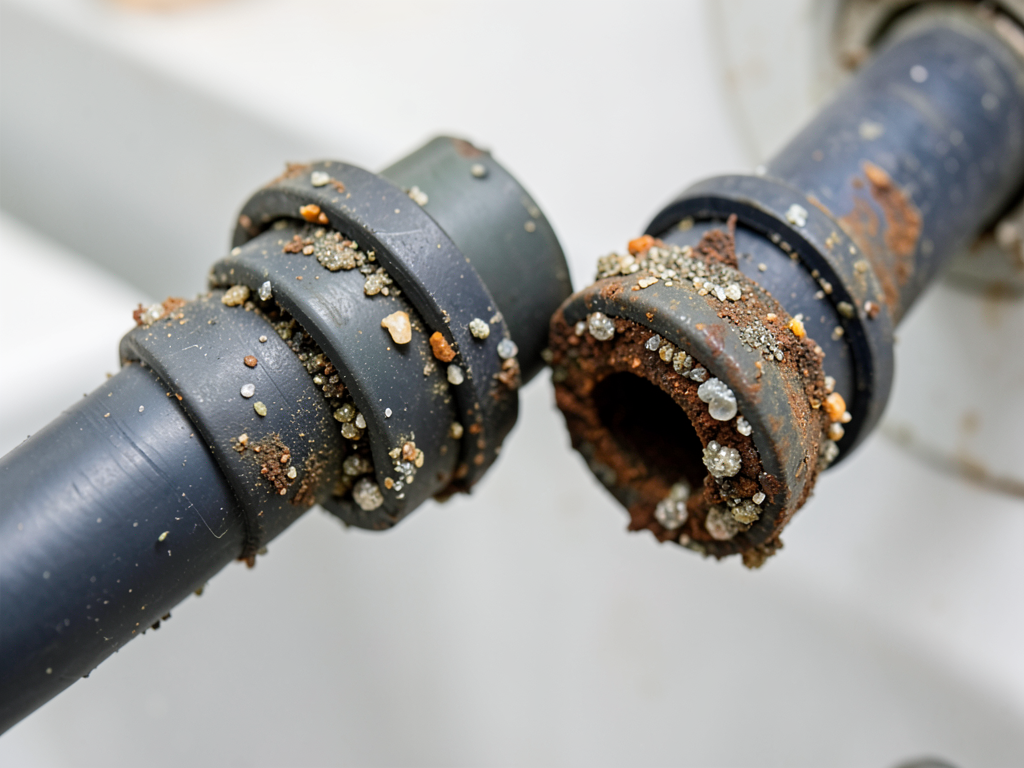
Close-up photo of corroded rubber washing machine hose connections showing mineral deposits and rust that indicate imminent failure risk.
Professional plumber installing stainless steel braided washing machine hoses with proper fittings and testing connections for leaks.
Protecting your Live Oak home from washing machine floods is simple and affordable. With San Antonio’s hard water and high municipal pressure, taking preventative steps isn’t just smart—it’s essential. Upgrading to stainless steel braided hoses, installing leak detectors, and following the 5-year replacement rule can save you thousands in potential damage.. Read more about What to do when your AC condensate line floods your Northeast San Antonio home.
Don’t wait for a disaster to strike. Pick up the phone and call (210) 374-7773 today to schedule your washing machine hose inspection or replacement. Our experienced plumbers serve Live Oak and surrounding areas with fast, reliable service. Let us help you protect your home and your peace of mind.
Call (210) 374-7773 now to schedule your inspection before the next load of laundry becomes a flood emergency. For more information, visit International Code Council.
{
“@context”: “https://schema.org”,
“@type”: “BlogPosting”,
“headline”: “Preventing a flooded laundry room in Live Oak with better washer hoses”,
“description”: “Learn how San Antonio’s hard water and high pressure can cause burst washing machine hoses. Discover prevention tips and when to call Alpha Plumbing at (210) 374-7773.”,
“wordCount”: 3075,
“datePublished”: “2026-04-04T15:30:00.000Z”,
“dateModified”: “2026-04-04T15:30:00.000Z”,
“inLanguage”: “en-US”,
“mainEntityOfPage”: {
“@type”: “WebPage”,
“@id”: “https://alphaplumbingsanantonio.com”
},
“publisher”: {
“@type”: “LocalBusiness”,
“name”: “Alpha Plumbing San Antonio”,
“url”: “https://alphaplumbingsanantonio.com”
},
“author”: {
“@type”: “Organization”,
“name”: “Alpha Plumbing San Antonio”,
“url”: “https://alphaplumbingsanantonio.com”
},
“image”: {
“@type”: “ImageObject”,
“url”: “https://alphaplumbingsanantonio.com/wp-content/uploads/2026/03/preventing-a-flooded-laundry-room-in-live-oak-with-1.png”
}
}
{
“@context”: “https://schema.org”,
“@type”: “Plumber”,
“name”: “Alpha Plumbing San Antonio”,
“url”: “https://alphaplumbingsanantonio.com”,
“address”: {
“@type”: “PostalAddress”,
“addressLocality”: “San Antonio”
},
“areaServed”: {
“@type”: “City”,
“name”: “San Antonio”
}
}
{
“@context”: “https://schema.org”,
“@type”: “FAQPage”,
“mainEntity”: [
{
“@type”: “Question”,
“name”: “How often should I replace washing machine hoses?”,
“acceptedAnswer”: {
“@type”: “Answer”,
“text”: “Replace washing machine hoses every 5 years minimum, even if they look fine. San Antonio’s hard water and high temperatures can cause rubber degradation faster than in other areas. Set calendar reminders or schedule annual plumbing inspections to stay on track.”
}
},
{
“@type”: “Question”,
“name”: “Can I use any type of hose for my washing machine?”,
“acceptedAnswer”: {
“@type”: “Answer”,
“text”: “No. Use only hoses specifically designed for washing machines. These are rated for the correct water pressure and have appropriate fittings. Garden hoses or other substitutes aren’t safe for indoor plumbing use and may leak or burst.”
}
},
{
“@type”: “Question”,
“name”: “What’s the difference between rubber and stainless steel braided hoses?”,
“acceptedAnswer”: {
“@type”: “Answer”,
“text”: “Rubber hoses are cheaper but last only 3-5 years and are prone to bursting. Stainless steel braided hoses cost more but last 10+ years, resist bursting, and handle San Antonio’s hard water better. The investment is worth it for the added protection.”
}
},
{
“@type”: “Question”,
“name”: “How do I know if my water pressure is too high?”,
“acceptedAnswer”: {
“@type”: “Answer”,
“text”: “Normal residential water pressure ranges from 40-80 PSI. You can test with an inexpensive pressure gauge from a hardware store. If pressure exceeds 80 PSI, install a pressure-reducing valve. High pressure stresses all plumbing components, not just washing machine hoses.”
}
},
{
“@type”: “Question”,
“name”: “Should I turn off the water when I go on vacation?”,
“acceptedAnswer”: {
“@type”: “Answer”,
“text”: “Yes, turning off washing machine supply valves when away for more than a few days is a good safety practice. This prevents potential flooding if a hose bursts while you’re gone. It only takes a minute and provides significant peace of mind.”
}
},
{
“@type”: “Question”,
“name”: “Are smart leak detectors worth the cost?”,
“acceptedAnswer”: {
“@type”: “Answer”,
“text”: “Smart leak detectors are worth it for most homeowners. They cost $50-150 but can prevent thousands in damage by catching leaks early. Many models also monitor for other issues like frozen pipes and can integrate with home automation systems for added convenience.”
}
},
{
“@type”: “Question”,
“name”: “What should I do if I discover a leak?”,
“acceptedAnswer”: {
“@type”: “Answer”,
“text”: “Immediately turn off the water supply using the shut-off valves behind your washing machine. Clean up any standing water to prevent damage. If you can’t stop the leak or if there’s significant water, call a plumber right away. Document damage for insurance purposes.”
}
},
{
“@type”: “Question”,
“name”: “Can hard water damage my washing machine too?”,
“acceptedAnswer”: {
“@type”: “Answer”,
“text”: “Yes. Hard water causes mineral buildup in washing machine valves, hoses, and internal components. This can lead to poor performance, leaks, and premature failure. Using a water softener or regularly cleaning your machine with vinegar can help extend its life.”
}
},
{
“@type”: “Question”,
“name”: “How much does professional installation cost?”,
“acceptedAnswer”: {
“@type”: “Answer”,
“text”: “Professional installation of new washing machine hoses typically costs $150-250, including the hoses. This price can vary based on your location, the complexity of the installation, and whether any additional repairs are needed. Many plumbers offer free estimates.”
}
},
{
“@type”: “Question”,
“name”: “Will insurance cover water damage from a burst hose?”,
“acceptedAnswer”: {
“@type”: “Answer”,
“text”: “Most homeowners insurance policies cover sudden and accidental water damage, including burst washing machine hoses. However, damage from neglected maintenance or lack of preventative measures might not be covered. Check your specific policy and consider adding water damage coverage if it’s not included.”
}
}
]
}
{
“@context”: “https://schema.org”,
“@type”: “HowTo”,
“name”: “Prevent washing machine floods”,
“step”: [
{
“@type”: “HowToStep”,
“position”: 1,
“name”: “Upgrade to stainless steel braided hoses”,
“text”: “Replace standard rubber hoses with stainless steel braided hoses. These have a reinforced outer layer that resists bursting and mineral buildup. Look for hoses rated for 1500+ PSI and burst pressure over 1200 PSI.”
},
{
“@type”: “HowToStep”,
“position”: 2,
“name”: “Leave 4 inches of clearance”,
“text”: “Make sure there’s at least 4 inches of space between the washing machine and the wall. This prevents kinking and reduces stress on the hose connections. Cramped spaces are a common cause of premature hose failure.”
},
{
“@type”: “HowToStep”,
“position”: 3,
“name”: “Install an auto-shutoff leak detector”,
“text”: “Smart water sensors can detect leaks and automatically shut off the water supply. These devices connect to your home’s Wi-Fi and send alerts to your phone. Some models include temperature sensors to prevent frozen pipe bursts in winter.”
},
{
“@type”: “HowToStep”,
“position”: 4,
“name”: “Monitor water pressure”,
“text”: “Install a water pressure gauge on your washing machine supply line. San Antonio homes should stay between 40-80 PSI. If pressure exceeds 80 PSI, install a pressure-reducing valve. High pressure puts extra stress on hoses and valves.”
},
{
“@type”: “HowToStep”,
“position”: 5,
“name”: “Follow the 5-year replacement rule”,
“text”: “Replace washing machine hoses every 5 years, even if they look fine. Set a calendar reminder or schedule a plumbing inspection. This simple step prevents 90% of hose-related floods. Plumbing Boerne.”
}
],
“image”: “https://alphaplumbingsanantonio.com/wp-content/uploads/2026/03/preventing-a-flooded-laundry-room-in-live-oak-with-1.png”
}
{
“@context”: “https://schema.org”,
“@type”: “BreadcrumbList”,
“itemListElement”: [
{
“@type”: “ListItem”,
“position”: 1,
“name”: “Home”,
“item”: “https://alphaplumbingsanantonio.com”
},
{
“@type”: “ListItem”,
“position”: 2,
“name”: “Blog”,
“item”: “https://alphaplumbingsanantonio.com/blog”
},
{
“@type”: “ListItem”,
“position”: 3,
“name”: “Preventing a flooded laundry room in Live Oak with better washer hoses”
}
]
}
{
“@context”: “https://schema.org”,
“@type”: “Service”,
“serviceType”: “Plumbing”,
“provider”: {
“@type”: “LocalBusiness”,
“name”: “Alpha Plumbing San Antonio”,
“url”: “https://alphaplumbingsanantonio.com”
},
“areaServed”: {
“@type”: “City”,
“name”: “San Antonio”
},
“description”: “Learn how San Antonio’s hard water and high pressure can cause burst washing machine hoses. Discover prevention tips and when to call Alpha Plumbing at (210) 374-7773.”
}