
How the mineral content of the Edwards Aquifer affects your plumbing
San Antonio homeowners face a unique plumbing challenge that most Americans never encounter. The water flowing through your pipes carries dissolved minerals from limestone bedrock that create what plumbers call “very hard water.” This isn’t just a minor inconvenience. The calcium and magnesium in your water slowly destroy plumbing systems, water heaters, and household appliances from the inside out. San Antonio Water System.
The Edwards Aquifer naturally filters through limestone, picking up minerals that make San Antonio water among the hardest in the nation. Water hardness is measured in grains per gallon, and San Antonio water typically ranges from 15 to 20 grains per gallon. That’s well above the 10.5 grains per gallon threshold that defines “very hard” water. Every time you turn on a faucet, you’re introducing mineral-rich water that leaves deposits behind. Emergency San Antonio Plumbers Who Actually Answer the Phone at Night.
Understanding how these minerals affect your plumbing helps you make informed decisions about maintenance and protection. Let’s examine what’s happening inside your walls and appliances every day.. Read more about Planning the plumbing for your new backyard casita in Southtown.
The science behind Edwards Aquifer mineral content
The Edwards Aquifer forms when rainwater seeps through limestone layers, dissolving calcium carbonate and magnesium along the way. This natural filtration process creates exceptionally clean water but also makes it highly mineralized. The limestone acts like a sponge, holding water in underground chambers that supply most of San Antonio’s drinking water.. Read more about Getting your water softener re-bedded in Hidden Forest instead of buying a new one.
Water hardness measures dissolved minerals in parts per million or grains per gallon. San Antonio water typically contains 250 to 300 parts per million of dissolved solids. For comparison, water with less than 1 grain per gallon is considered soft, while water above 10.5 grains per gallon is classified as very hard.. Read more about Keeping your water flowing with professional well pump repairs in Saint Hedwig.
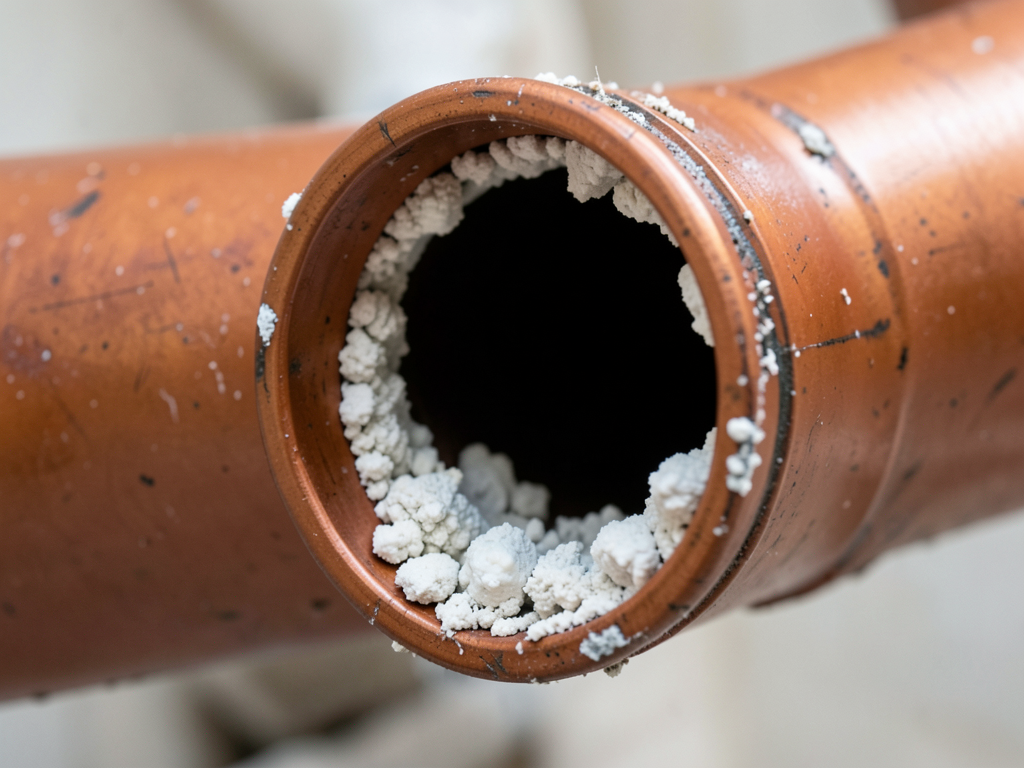
The high mineral content creates several problems for plumbing systems. Calcium carbonate forms scale deposits that build up inside pipes, reducing water flow and increasing pressure on plumbing connections. Over time, these deposits can completely block pipes or cause them to fail under stress.. Read more about Why your Olmos Park home might need a hot water recirculating pump.
3 ways Edwards Aquifer water damages your plumbing
Mineral-rich water affects different plumbing materials in specific ways. Understanding these effects helps you identify problems early and take preventive action. Early Warning Signs of a Slab Leak in Your Alamo Heights Home.
Limescale accumulation in copper and PEX piping
Calcium carbonate deposits form a hard, chalky scale inside pipes. In copper piping, this scale builds up on the inner walls, reducing the pipe’s internal diameter. A pipe that was originally 3/4 inch may become effectively 1/2 inch or smaller due to scale buildup. This restriction increases water velocity and pressure, creating stress on pipe joints and connections.. Read more about Buying vs renting a water softener for your San Antonio home.
PEX piping resists scale buildup better than copper, but it’s not immune. Minerals can still accumulate at fittings and valves where water flow changes direction. The scale acts like sandpaper, gradually wearing away pipe walls and creating weak spots that eventually fail.. Read more about Where to install a reverse osmosis system in your San Antonio home for the best tasting water.
Homeowners often notice reduced water pressure at fixtures before realizing scale is the culprit. What starts as a minor inconvenience becomes a major plumbing emergency when pipes finally fail under the pressure of restricted flow.. Read more about Replacing the galvanized pipes in your Denver Heights bungalow before they clog.
Shortened lifespan of traditional and tankless water heaters
Water heaters suffer the most from mineral-rich water. In traditional tank-style heaters, scale forms on the bottom of the tank, creating an insulating layer between the heating element and the water. This forces the heater to work harder and longer to reach the desired temperature, increasing energy costs and wear on components.
Tankless water heaters face an even greater challenge. These units heat water as it flows through small channels inside the unit. Scale buildup in these channels reduces efficiency and can completely block water flow. Many tankless units in San Antonio require professional descaling every 12 to 18 months to maintain performance. Safe and Professional Gas Line Repairs for Hollywood Park Residents.
The Texas State Board of Plumbing Examiners requires water heaters to be installed with proper temperature and pressure relief valves. However, they don’t mandate water treatment systems. This means homeowners bear the responsibility of protecting their investment from the effects of hard water.
Degradation of rubber seals and valve components
Minerals in hard water don’t just form scale. They also affect the chemical composition of rubber and plastic components in your plumbing system. Faucet cartridges, toilet flappers, and valve seals gradually break down when exposed to mineral-rich water. The minerals can cause rubber to become brittle or develop small cracks that lead to leaks.
This degradation happens slowly but consistently. A toilet flapper that should last five years might fail in two years in a home with very hard water. Faucet cartridges may need replacement every few years instead of lasting a decade. These small failures add up to frequent maintenance calls and replacement costs.
The SAWS (San Antonio Water System) water quality reports show consistent hardness levels across the service area, but some neighborhoods experience more severe effects due to older plumbing systems or specific water distribution patterns.
Impact on household appliances
Beyond your plumbing system, hard water affects every appliance that uses water. Dishwashers, washing machines, coffee makers, and ice makers all suffer from mineral buildup that reduces efficiency and shortens lifespan.
Dishwashers experience the most visible effects. White spots on glassware and dishes indicate mineral deposits left behind when water evaporates. These deposits also build up on heating elements and spray arms, reducing cleaning effectiveness. Many San Antonio homeowners find themselves using more detergent and running longer cycles to compensate for hard water effects.
Washing machines face similar challenges. Scale buildup in water inlet valves can cause them to stick open or closed, leading to flooding or inadequate water flow. The minerals also affect soap performance, requiring more detergent to achieve the same cleaning results. Clothes washed in hard water often feel stiff and may develop a gray tint over time.
According to the Water Quality Association, hard water can reduce appliance efficiency by 20 to 30 percent. For a typical household, this means higher utility bills and more frequent appliance replacements. A water heater that should last 12 to 15 years might fail in 8 to 10 years due to mineral damage.
San Antonio water quality solutions
Several approaches exist for managing hard water problems. Each solution offers different benefits and trade-offs depending on your specific situation and budget.
Traditional water softeners
Water softeners use ion exchange to remove calcium and magnesium from water. These systems replace hard minerals with sodium or potassium ions, effectively softening the water before it enters your home. A properly sized water softener can reduce water hardness to near zero.
Traditional softeners require regular maintenance, including salt replenishment and periodic cleaning. The regeneration cycle uses water and discharges brine into the sewer system. Some homeowners worry about the sodium content in softened water, though modern systems use minimal salt. How We Repair Sewer Lines in King William Without Destroying the History.
The initial investment for a quality water softener ranges from $1,500 to $3,000 installed. However, the energy savings and extended appliance life often offset this cost within three to five years. Many San Antonio homeowners find that a water softener pays for itself through reduced plumbing repairs and lower utility bills. EPA WaterSense.
Salt-free water conditioners
Salt-free systems don’t remove minerals but instead change their structure to prevent scale formation. These units use template-assisted crystallization or similar technologies to keep minerals in suspension rather than allowing them to form hard deposits. The water remains mineral-rich but doesn’t create the same damaging scale.
These systems offer several advantages over traditional softeners. They require no salt, use no electricity, and produce no wastewater. Installation is simpler, and maintenance involves only occasional filter changes. However, they don’t provide the same level of protection as ion exchange softeners in areas with extremely hard water.
For San Antonio’s very hard water, salt-free conditioners work best as part of a comprehensive approach rather than as a standalone solution. They can reduce scale formation in pipes and appliances but may not eliminate all hard water effects.
Reverse osmosis systems
Reverse osmosis filters remove minerals and other contaminants at the molecular level. These systems produce extremely pure water for drinking and cooking but aren’t practical for whole-house treatment due to their slow flow rate and high water waste.
Many San Antonio homeowners install reverse osmosis systems for their kitchen sink while using other methods for the rest of the house. This approach provides excellent drinking water quality without the cost and complexity of whole-house reverse osmosis. Commercial Kitchen Plumbing.
The EPA recommends reverse osmosis for removing specific contaminants, but it’s not necessary for addressing hard water problems alone. The system’s primary benefit is producing high-quality drinking water rather than protecting plumbing.
Maintenance checklist for SA homeowners
Regular maintenance helps minimize hard water damage and extends the life of your plumbing system. This checklist provides a schedule for protecting your investment.
Water heater maintenance
Flush your water heater every six months to remove sediment buildup. Turn off the power or gas, connect a garden hose to the drain valve, and flush until the water runs clear. This simple procedure can extend your water heater’s life by several years.. Read more about Safe ways to clear a slow drain in Universal City without using harsh chemicals.
For tankless water heaters, schedule professional descaling annually. The process involves circulating a descaling solution through the unit to dissolve mineral deposits in the heat exchanger. Most manufacturers recommend this service to maintain warranty coverage.
Check the temperature setting on your water heater. Higher temperatures accelerate scale formation. Setting the thermostat to 120 degrees Fahrenheit provides adequate hot water while minimizing mineral precipitation.
Pipe inspection and cleaning
Have a licensed plumber inspect your plumbing system annually for signs of scale buildup or corrosion. They can use specialized cameras to examine pipe interiors and identify problem areas before they cause failures.
Consider professional pipe cleaning every three to five years, especially if you notice declining water pressure. Hydro jetting or chemical cleaning can remove scale deposits and restore full pipe capacity.
Replace old galvanized steel pipes, which are particularly susceptible to mineral buildup and corrosion. Modern PEX or copper piping offers better resistance to hard water effects.
Fixture and appliance care
Clean faucet aerators and showerheads monthly to remove mineral deposits. Soak them in vinegar to dissolve scale and restore proper water flow. This simple maintenance prevents pressure buildup that can damage fixtures.
Use cleaning products designed for hard water. Standard cleaners often leave mineral streaks, while hard water-specific products prevent buildup and make cleaning easier.
Run vinegar through your dishwasher and washing machine monthly to clean internal components. This helps prevent scale formation in pumps and valves.
Cost-benefit analysis of water treatment
Investing in water treatment requires balancing upfront costs against long-term savings. This analysis helps you make an informed decision based on your specific situation.
Consider the replacement cost of major appliances. A standard water heater costs $1,200 to $2,500 installed. If hard water reduces its lifespan from 12 years to 8 years, you’re paying an extra $300 to $600 every decade for the same service.
Plumbing repairs add another cost factor. Pinhole leaks in copper pipes, failed valves, and scale-blocked pipes can cost hundreds to thousands of dollars to repair. These failures often occur at the worst possible times, adding emergency service fees.
Energy costs increase as appliances work harder due to scale buildup. A scaled water heater can use 30 percent more energy than a clean one. Over a typical 10-year lifespan, this inefficiency can add $500 or more to your utility bills.
Water softeners and treatment systems represent a significant upfront investment but often pay for themselves within five to seven years through reduced maintenance costs and extended appliance life. The exact payback period depends on your water usage, the severity of your hard water, and the quality of your existing plumbing.
San Antonio-specific considerations
San Antonio’s unique geology and climate create specific challenges for plumbing systems. Understanding these local factors helps you make better decisions about water treatment and maintenance.
The Edwards Aquifer recharge zone covers much of the San Antonio area, affecting how water moves through the ground and what minerals it picks up. Areas closer to the recharge zone often have slightly different mineral compositions than those farther away.
Summer heat increases water usage and evaporation, concentrating minerals in standing water. This means scale forms faster during hot months, particularly in outdoor irrigation systems and pool equipment.
Many older San Antonio homes built before 1960 contain galvanized steel pipes that are especially vulnerable to mineral buildup and corrosion. These pipes often require replacement rather than repair when problems develop.
The SAWS water quality report shows consistent hardness levels across the service area, but individual neighborhoods may experience variations due to local water distribution systems and pipe conditions. Homes in areas with older infrastructure often face more severe hard water effects.
Professional assessment and solutions
Determining the best approach for your home requires professional evaluation. A licensed plumber can test your water hardness, inspect your plumbing system, and recommend solutions tailored to your specific situation.
Water testing provides accurate data about your specific water chemistry. While general hardness levels apply to most of San Antonio, your individual water may have unique characteristics that affect treatment choices.
Plumbing inspection reveals existing damage and helps prioritize repairs. Small problems caught early often cost much less to fix than major failures that develop over time.
Professional installation ensures water treatment systems work correctly and don’t create new problems. Improperly installed water softeners can damage plumbing or create water quality issues.
Call (210) 374-7773 today to schedule your comprehensive water quality assessment. Our licensed plumbers will test your water, inspect your plumbing, and provide a detailed report with specific recommendations for protecting your home from Edwards Aquifer mineral damage.
Frequently Asked Questions
How do I know if I have hard water in my San Antonio home?
Common signs include white spots on dishes, scale buildup on faucets and showerheads, reduced water pressure, and soap that doesn’t lather well. You can also test your water with a hardness test kit or have a professional plumber test it for you.
Will a water softener remove all minerals from my water?
Water softeners remove calcium and magnesium but don’t eliminate all minerals. They exchange these hard minerals for sodium or potassium ions. The resulting water is soft but still contains other dissolved minerals that don’t cause scale problems.. Read more about How to tell if your Mission District home still has lead pipes.
How often should I maintain my water softener?
Check salt levels monthly and add salt as needed. Clean the brine tank annually and have the system professionally serviced every two to three years. The resin bed may need replacement every five to ten years depending on water usage and quality.
Can hard water damage my plumbing if I have PEX pipes?
Yes, though PEX resists scale buildup better than copper. Minerals can still accumulate at fittings and valves, and rubber components in your plumbing system remain vulnerable to degradation from hard water.
What’s the difference between a water softener and a water conditioner?
Water softeners remove hard minerals through ion exchange, while conditioners change the structure of minerals to prevent scale formation without removing them. Softeners provide more complete protection but require salt and maintenance, while conditioners are lower maintenance but may not work as well in very hard water areas.
How much does it cost to install a whole-house water softener in San Antonio?
Installation costs typically range from $1,500 to $3,000 depending on system size, features, and installation complexity. Higher-end systems with advanced features can cost $4,000 or more. The investment often pays for itself through reduced maintenance and energy costs within five to seven years.
Will treating my hard water affect my plants or lawn?
Water softeners add sodium to water, which can harm some plants. Many homeowners install a bypass line for outdoor irrigation to avoid this issue. Salt-free conditioners don’t add sodium, making them safer for plants but potentially less effective for indoor plumbing protection.
How long does it take to install a water treatment system?
Most whole-house water softener installations take four to six hours. The plumber will need access to your main water line and a drain for the regeneration cycle. Installation may take longer if plumbing modifications are needed.
Don’t wait for hard water to damage your plumbing system. Call (210) 374-7773 now to schedule your water quality assessment and protect your home from the damaging effects of Edwards Aquifer mineral content. Our experienced plumbers serve San Antonio and surrounding communities with solutions tailored to our unique water conditions.
You may also find this helpful. Converting your Westover Hills home from an electric to a gas water heater.
You may also find this helpful. Is it time to upgrade to a commercial grade water heater for your San Antonio apartment complex?.
{
“@context”: “https://schema.org”,
“@type”: “BlogPosting”,
“headline”: “How the mineral content of the Edwards Aquifer affects your plumbing”,
“description”: “Learn how San Antonio’s hard water from the Edwards Aquifer damages pipes, water heaters, and appliances. Find solutions to protect your plumbing and extend equipment life.”,
“wordCount”: 2761,
“datePublished”: “2026-04-11T13:17:00.000Z”,
“dateModified”: “2026-04-11T13:17:00.000Z”,
“inLanguage”: “en-US”,
“mainEntityOfPage”: {
“@type”: “WebPage”,
“@id”: “https://alphaplumbingsanantonio.com”
},
“publisher”: {
“@type”: “LocalBusiness”,
“name”: “Alpha Plumbing San Antonio”,
“url”: “https://alphaplumbingsanantonio.com”
},
“author”: {
“@type”: “Organization”,
“name”: “Alpha Plumbing San Antonio”,
“url”: “https://alphaplumbingsanantonio.com”
},
“image”: {
“@type”: “ImageObject”,
“url”: “https://alphaplumbingsanantonio.com/wp-content/uploads/2026/03/how-the-mineral-content-of-the-edwards-aquifer-aff-1.png”
}
}
{
“@context”: “https://schema.org”,
“@type”: “Plumber”,
“name”: “Alpha Plumbing San Antonio”,
“url”: “https://alphaplumbingsanantonio.com”,
“address”: {
“@type”: “PostalAddress”,
“addressLocality”: “San Antonio”
},
“areaServed”: {
“@type”: “City”,
“name”: “San Antonio”
}
}
{
“@context”: “https://schema.org”,
“@type”: “FAQPage”,
“mainEntity”: [
{
“@type”: “Question”,
“name”: “How do I know if I have hard water in my San Antonio home?”,
“acceptedAnswer”: {
“@type”: “Answer”,
“text”: “Common signs include white spots on dishes, scale buildup on faucets and showerheads, reduced water pressure, and soap that doesn’t lather well. You can also test your water with a hardness test kit or have a professional plumber test it for you.”
}
},
{
“@type”: “Question”,
“name”: “Will a water softener remove all minerals from my water?”,
“acceptedAnswer”: {
“@type”: “Answer”,
“text”: “Water softeners remove calcium and magnesium but don’t eliminate all minerals. They exchange these hard minerals for sodium or potassium ions. The resulting water is soft but still contains other dissolved minerals that don’t cause scale problems.”
}
},
{
“@type”: “Question”,
“name”: “How often should I maintain my water softener?”,
“acceptedAnswer”: {
“@type”: “Answer”,
“text”: “Check salt levels monthly and add salt as needed. Clean the brine tank annually and have the system professionally serviced every two to three years. The resin bed may need replacement every five to ten years depending on water usage and quality.”
}
},
{
“@type”: “Question”,
“name”: “Can hard water damage my plumbing if I have PEX pipes?”,
“acceptedAnswer”: {
“@type”: “Answer”,
“text”: “Yes, though PEX resists scale buildup better than copper. Minerals can still accumulate at fittings and valves, and rubber components in your plumbing system remain vulnerable to degradation from hard water.”
}
},
{
“@type”: “Question”,
“name”: “What’s the difference between a water softener and a water conditioner?”,
“acceptedAnswer”: {
“@type”: “Answer”,
“text”: “Water softeners remove hard minerals through ion exchange, while conditioners change the structure of minerals to prevent scale formation without removing them. Softeners provide more complete protection but require salt and maintenance, while conditioners are lower maintenance but may not work as well in very hard water areas.”
}
},
{
“@type”: “Question”,
“name”: “How much does it cost to install a whole-house water softener in San Antonio?”,
“acceptedAnswer”: {
“@type”: “Answer”,
“text”: “Installation costs typically range from $1,500 to $3,000 depending on system size, features, and installation complexity. Higher-end systems with advanced features can cost $4,000 or more. The investment often pays for itself through reduced maintenance and energy costs within five to seven years.”
}
},
{
“@type”: “Question”,
“name”: “Will treating my hard water affect my plants or lawn?”,
“acceptedAnswer”: {
“@type”: “Answer”,
“text”: “Water softeners add sodium to water, which can harm some plants. Many homeowners install a bypass line for outdoor irrigation to avoid this issue. Salt-free conditioners don’t add sodium, making them safer for plants but potentially less effective for indoor plumbing protection.”
}
},
{
“@type”: “Question”,
“name”: “How long does it take to install a water treatment system?”,
“acceptedAnswer”: {
“@type”: “Answer”,
“text”: “Most whole-house water softener installations take four to six hours. The plumber will need access to your main water line and a drain for the regeneration cycle. Installation may take longer if plumbing modifications are needed.”
}
}
]
}
{
“@context”: “https://schema.org”,
“@type”: “BreadcrumbList”,
“itemListElement”: [
{
“@type”: “ListItem”,
“position”: 1,
“name”: “Home”,
“item”: “https://alphaplumbingsanantonio.com”
},
{
“@type”: “ListItem”,
“position”: 2,
“name”: “Blog”,
“item”: “https://alphaplumbingsanantonio.com/blog”
},
{
“@type”: “ListItem”,
“position”: 3,
“name”: “How the mineral content of the Edwards Aquifer affects your plumbing”
}
]
}
{
“@context”: “https://schema.org”,
“@type”: “Service”,
“serviceType”: “Plumbing”,
“provider”: {
“@type”: “LocalBusiness”,
“name”: “Alpha Plumbing San Antonio”,
“url”: “https://alphaplumbingsanantonio.com”
},
“areaServed”: {
“@type”: “City”,
“name”: “San Antonio”
},
“description”: “Learn how San Antonio’s hard water from the Edwards Aquifer damages pipes, water heaters, and appliances. Find solutions to protect your plumbing and extend equipment life.”
}