
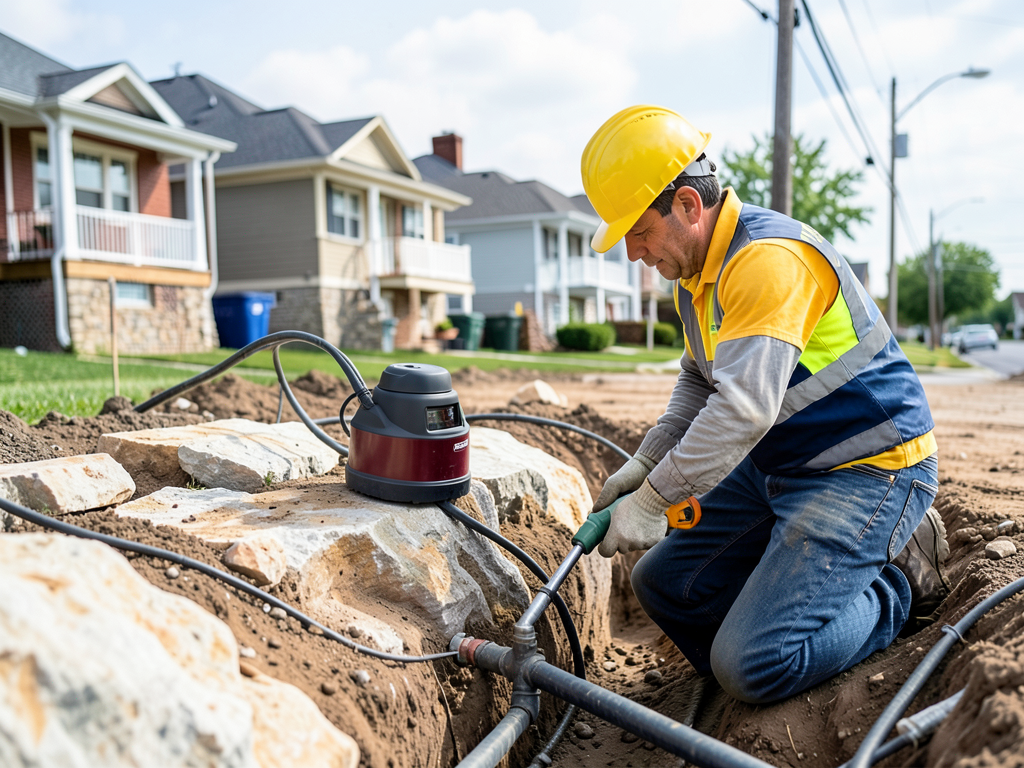
Everything you need to know before running a gas line for a fire pit in The Dominion
Installing a gas line for a fire pit in The Dominion requires understanding local building codes, soil conditions, and safety protocols. The Dominion’s luxury homes sit on limestone bedrock with clay soil that shifts during San Antonio’s extreme heat cycles. This combination creates unique challenges for underground gas line installation that affect trench depth, pipe material selection, and pressure testing requirements. Emergency San Antonio Plumbers Who Actually Answer the Phone at Night.
Professional gas line installation for fire pits in The Dominion demands compliance with City of San Antonio Development Services permits and the International Fuel Gas Code. The process involves calculating BTU requirements, selecting appropriate pipe materials like CSST or yellow polyethylene, and conducting pressure tests to detect leaks before the first flame ignites. City of San Antonio Development Services.
Why The Dominion homeowners trust us for gas fire pit lines
Homeowners in The Dominion expect pristine landscaping and minimal disruption during utility installations. Our trenching equipment includes precision boring tools that create narrow pathways through limestone without damaging mature oak trees or expensive irrigation systems. We coordinate with The Dominion Homeowners Association regarding scheduling and aesthetic requirements for visible meter upgrades.
The neighborhood’s elevation changes affect gas pressure calculations. Properties near the golf course at 10231 Dominion Drive require different pressure regulators than homes on higher ground near The Dominion Country Club. We account for these variations during the initial site survey to ensure consistent flame performance across all burner ports.
Our gas line installation process
We begin with a comprehensive BTU load calculation based on your fire pit’s burner size and intended use. A standard 36-inch fire pit burner requires 60,000 to 80,000 BTUs, while luxury models with multiple burners can demand 150,000+ BTUs. This calculation determines pipe diameter, pressure requirements, and whether your existing gas meter needs upgrading.
Trenching depth in The Dominion follows City of San Antonio code at 18 inches minimum, but we often excavate to 24 inches due to limestone shelf rock that can damage shallower lines. We use yellow polyethylene pipe rated for underground gas service, which resists corrosion from San Antonio’s alkaline soil. For shorter runs or areas with extensive rock, we may use flexible CSST piping that navigates around obstacles without multiple joints.
Pressure testing involves pressurizing the line to 1.5 times the operating pressure and monitoring for 15 minutes. We use electronic leak detectors that identify gas concentrations as low as 5 parts per million. Any pressure drop indicates a potential leak that must be repaired before final inspection. How We Repair Sewer Lines in King William Without Destroying the History.
Compliance and safety: San Antonio gas codes
City of San Antonio requires permits for all new gas line installations, including fire pit connections. The Development Services Department mandates inspections at two stages: after trenching but before backfilling, and after final connections are made. Our Master Plumber license number 22975 allows us to pull these permits and schedule inspections directly with homeowners.
Texas State Board of Plumbing Examiners regulations require gas line installations to meet NFPA 54 standards for fuel gas piping. This includes specific requirements for pipe support spacing, trench bedding materials, and isolation valves. We install emergency shut-off valves within 6 feet of the fire pit and clearly mark all buried gas lines with yellow warning tape at 12 inches depth. NFPA 54 Fuel Gas Code.
Carbon monoxide detectors are mandatory for all natural gas installations in enclosed spaces. While fire pits are outdoor features, we recommend CO detectors for nearby covered patios or outdoor kitchens that share the same gas supply line. Commercial Kitchen Plumbing.
Natural gas vs propane for outdoor fire features
Natural gas provides consistent fuel supply without tank refills, making it ideal for The Dominion’s high-end outdoor living spaces. The existing infrastructure allows connection to your home’s meter, though BTU calculations may reveal the need for a meter upgrade. Natural gas costs approximately $1.50 per therm compared to propane’s $3.00 per gallon equivalent.
Propane offers higher BTU content per unit volume, delivering hotter flames in smaller burner designs. However, propane tanks require 10-foot clearance from structures and regular maintenance. The Dominion’s strict landscaping guidelines often make propane tanks difficult to conceal without violating HOA rules.
BTU comparison table:
| Fuel Type | BTU per Cubic Foot | Cost per BTU | Installation Complexity |
|---|---|---|---|
| Natural Gas | 1,030 | $0.0015 | Moderate |
| Propane | 2,516 | $0.0030 | High |
Common fire pit gas line issues in The Dominion
Limestone bedrock creates unpredictable trenching conditions. What appears as soft soil on the surface may contain solid rock shelves at 12-18 inches depth. We use ground-penetrating radar to map subsurface conditions before excavation, preventing costly mid-project surprises.
Clay soil expansion and contraction during San Antonio’s weather cycles can stress buried gas lines. We install flexible couplings and allow for pipe movement using expansion loops in runs longer than 50 feet. This prevents joint separation that could lead to gas leaks.
Tree root intrusion poses another risk. Mature oak trees in The Dominion extend roots 2-3 times their canopy width. We use root barriers and select pipe routes that avoid major root systems, protecting both the trees and the gas line integrity.
Fire pit BTU requirements and gas line sizing
BTU requirements directly determine gas line diameter. A 60,000 BTU fire pit requires a minimum 3/4-inch gas line if the meter is within 50 feet. Distances beyond 50 feet require 1-inch pipe to maintain adequate pressure. Our calculations factor in pipe length, elevation changes, and concurrent gas appliance usage.
Fire pit BTU guide:
| Burner Diameter | BTU Range | Recommended Pipe Size | Max Distance from Meter |
|---|---|---|---|
| 24 inches | 40,000-60,000 | 3/4 inch | 75 feet |
| 30 inches | 60,000-80,000 | 3/4 inch | 50 feet |
| 36 inches | 80,000-120,000 | 1 inch | 75 feet |
| 42+ inches | 120,000+ | 1 inch | 100 feet |
Safety features for fire pit gas lines
Emergency shut-off valves must be easily accessible yet protected from accidental activation. We install these valves in decorative valve boxes that match your patio materials. The valves include thermocouple sensors that automatically cut gas flow if the flame extinguishes unexpectedly.
Gas leak detection systems provide additional protection. We can install electronic sensors that monitor for gas accumulation and trigger audible alarms. These systems connect to your home’s smart home network, sending alerts to your phone if gas levels exceed safe thresholds.
Pressure relief valves prevent over-pressurization in case of regulator failure. These valves vent excess gas to the atmosphere rather than allowing dangerous pressure buildup in the lines. We install them at the meter connection point for maximum protection.
Cost factors for gas line installation in The Dominion
Installation costs vary based on trench length, soil conditions, and permit requirements. Basic installations start around $1,500 for runs under 30 feet through soft soil. Complex projects involving limestone excavation, meter upgrades, or long-distance runs can exceed $4,000.
Permit fees from the City of San Antonio Development Services average $150-300 depending on project scope. Meter upgrade costs range from $500-1,500 if your existing meter cannot handle the additional BTU load. These costs are separate from the fire pit unit itself.
Maintenance considerations include annual inspections to check for corrosion, joint integrity, and valve function. We recommend professional inspection every 2-3 years for systems in The Dominion’s soil conditions, with immediate service if you notice yellow flames, unusual odors, or hissing sounds near the line. Safe and Professional Gas Line Repairs for Hollywood Park Residents.
Frequently Asked Questions
How long does gas line installation take?
Most fire pit gas line installations in The Dominion complete within 2-3 days. This includes one day for trenching and pipe installation, one day for pressure testing and inspection, and final connections on the third day. Complex projects requiring meter upgrades may extend to 5-7 days total.
Can I install a gas line myself?
Texas law requires licensed professionals for gas line installations. DIY gas work violates state regulations and voids homeowner insurance coverage. Gas leaks can cause explosions, carbon monoxide poisoning, and property damage. Professional installation includes permits, inspections, and liability coverage that DIY work cannot provide.
What happens if my gas line leaks?
Gas leaks require immediate evacuation and professional repair. Signs include sulfur odors, hissing sounds, dead vegetation near buried lines, or unexpectedly high gas bills. We use electronic leak detectors to locate leaks and pressure testing to verify repairs. Never attempt to repair gas leaks yourself.
Ready to install your fire pit gas line?
Call (210) 374-7773 today to schedule your consultation. We’ll assess your property, calculate BTU requirements, and provide a detailed quote including permits and inspections. Our Master Plumber license ensures your installation meets all City of San Antonio and Texas state requirements for safe, reliable operation.
Don’t risk your family’s safety with unlicensed gas work. Pick up the phone and call (210) 374-7773 before the next cold front hits. Professional installation means peace of mind and years of trouble-free outdoor enjoyment.
Trust your fire pit installation to licensed professionals
Gas line installation requires specialized knowledge of local codes, soil conditions, and safety protocols. Our 15+ years serving The Dominion means we understand the unique challenges of installing underground utilities in limestone bedrock and clay soil. We handle everything from initial calculations to final inspections, ensuring your fire pit operates safely for years to come.
Every installation includes pressure testing, leak detection, and compliance documentation. We stand behind our work with warranties that cover both materials and workmanship. When you choose professional installation, you’re investing in safety, reliability, and the value of your The Dominion home.
Call (210) 374-7773 now to get started. Your perfect outdoor fire feature is just one phone call away.
{
“@context”: “https://schema.org”,
“@type”: “BlogPosting”,
“headline”: “Everything you need to know before running a gas line for a fire pit in The Dominion”,
“description”: “Complete guide to professional gas line installation for fire pits in The Dominion, San Antonio. Learn permits, BTU requirements, and safety standards.”,
“wordCount”: 1617,
“datePublished”: “2026-05-16T08:24:00.000Z”,
“dateModified”: “2026-05-16T08:24:00.000Z”,
“inLanguage”: “en-US”,
“mainEntityOfPage”: {
“@type”: “WebPage”,
“@id”: “https://alphaplumbingsanantonio.com”
},
“publisher”: {
“@type”: “LocalBusiness”,
“name”: “Alpha Plumbing San Antonio”,
“url”: “https://alphaplumbingsanantonio.com”
},
“author”: {
“@type”: “Organization”,
“name”: “Alpha Plumbing San Antonio”,
“url”: “https://alphaplumbingsanantonio.com”
},
“image”: {
“@type”: “ImageObject”,
“url”: “https://alphaplumbingsanantonio.com/wp-content/uploads/2026/03/everything-you-need-to-know-before-running-a-gas-l-1.png”
}
}
{
“@context”: “https://schema.org”,
“@type”: “Plumber”,
“name”: “Alpha Plumbing San Antonio”,
“url”: “https://alphaplumbingsanantonio.com”,
“address”: {
“@type”: “PostalAddress”,
“addressLocality”: “San Antonio”
},
“areaServed”: {
“@type”: “City”,
“name”: “San Antonio”
}
}
{
“@context”: “https://schema.org”,
“@type”: “FAQPage”,
“mainEntity”: [
{
“@type”: “Question”,
“name”: “How long does gas line installation take?”,
“acceptedAnswer”: {
“@type”: “Answer”,
“text”: “Most fire pit gas line installations in The Dominion complete within 2-3 days. This includes one day for trenching and pipe installation, one day for pressure testing and inspection, and final connections on the third day. Complex projects requiring meter upgrades may extend to 5-7 days total.”
}
},
{
“@type”: “Question”,
“name”: “Can I install a gas line myself?”,
“acceptedAnswer”: {
“@type”: “Answer”,
“text”: “Texas law requires licensed professionals for gas line installations. DIY gas work violates state regulations and voids homeowner insurance coverage. Gas leaks can cause explosions, carbon monoxide poisoning, and property damage. Professional installation includes permits, inspections, and liability coverage that DIY work cannot provide.”
}
},
{
“@type”: “Question”,
“name”: “What happens if my gas line leaks?”,
“acceptedAnswer”: {
“@type”: “Answer”,
“text”: “Gas leaks require immediate evacuation and professional repair. Signs include sulfur odors, hissing sounds, dead vegetation near buried lines, or unexpectedly high gas bills. We use electronic leak detectors to locate leaks and pressure testing to verify repairs. Never attempt to repair gas leaks yourself.”
}
},
{
“@type”: “Question”,
“name”: “Ready to install your fire pit gas line?”,
“acceptedAnswer”: {
“@type”: “Answer”,
“text”: “Call (210) 374-7773 today to schedule your consultation. We’ll assess your property, calculate BTU requirements, and provide a detailed quote including permits and inspections. Our Master Plumber license ensures your installation meets all City of San Antonio and Texas state requirements for safe, reliable operation.”
}
}
]
}
{
“@context”: “https://schema.org”,
“@type”: “BreadcrumbList”,
“itemListElement”: [
{
“@type”: “ListItem”,
“position”: 1,
“name”: “Home”,
“item”: “https://alphaplumbingsanantonio.com”
},
{
“@type”: “ListItem”,
“position”: 2,
“name”: “Blog”,
“item”: “https://alphaplumbingsanantonio.com/blog”
},
{
“@type”: “ListItem”,
“position”: 3,
“name”: “Everything you need to know before running a gas line for a fire pit in The Dominion”
}
]
}
{
“@context”: “https://schema.org”,
“@type”: “Service”,
“serviceType”: “Plumbing”,
“provider”: {
“@type”: “LocalBusiness”,
“name”: “Alpha Plumbing San Antonio”,
“url”: “https://alphaplumbingsanantonio.com”
},
“areaServed”: {
“@type”: “City”,
“name”: “San Antonio”
},
“description”: “Complete guide to professional gas line installation for fire pits in The Dominion, San Antonio. Learn permits, BTU requirements, and safety standards.”
}