
Yes, you can legally collect rainwater for your garden in Government Hill. Texas Property Code Section 202.007 protects your right to install rainwater harvesting systems, and San Antonio actively encourages it through SAWS rebates. The only restrictions involve proper permits for systems connected to indoor plumbing and mandatory backflow prevention to protect the city’s water supply. Texas Commission on Environmental Quality rainwater guidelines.
Understanding Texas Rainwater Harvesting Laws for Government Hill Residents
Government Hill homeowners enjoy strong legal protections for rainwater collection under Texas law. The Texas Property Code Section 202.007 specifically prohibits homeowners associations from banning rainwater harvesting systems, giving you the right to install and maintain collection systems on your property.
Local regulations in San Antonio build on this state protection. The City of San Antonio Development Services Department requires permits for systems that connect to indoor plumbing or exceed certain storage capacities. For typical garden irrigation systems in Government Hill, most residential setups fall under permit exemptions, but you should verify your specific plans. Emergency San Antonio Plumbers Who Actually Answer the Phone at Night.
Backflow prevention represents the most critical compliance requirement. San Antonio Municipal Code Chapter 34-7 mandates cross-connection control devices for any system that could potentially contaminate the municipal water supply. This means if you plan to connect your rainwater system to existing irrigation lines, you need a licensed plumber to install proper backflow prevention assemblies.
Soil conditions in Government Hill affect system design. The area’s clay-heavy Blackland Prairie soil expands and contracts with moisture changes, which can impact the stability of large storage tanks. Professional installation ensures your system remains level and secure through San Antonio’s seasonal weather patterns. Safe and Professional Gas Line Repairs for Hollywood Park Residents.

SAWS Rebates and Financial Incentives for Government Hill Homeowners
The San Antonio Water System offers substantial financial incentives for rainwater harvesting installations. Through the SAWS Watersaver Program, Government Hill residents can receive up to $2,500 in rebates for qualifying rainwater harvesting systems. The program provides coupons worth $50 per 50 gallons of storage capacity, up to the maximum amount. SAWS rainwater harvesting rebate program.
Bexar County property tax exemptions add another layer of savings. Under Texas Tax Code Section 11.31, rainwater harvesting equipment qualifies for property tax exemptions, potentially saving you hundreds of dollars annually. The exemption applies to both the equipment and any structures housing the system.
Application process requires documentation of system specifications and installation by a licensed professional. SAWS requires detailed information about tank capacity, catchment area, and intended use. Government Hill residents should factor in processing time when planning their installation timeline.
Water quality considerations affect rebate eligibility. Systems must include basic filtration to prevent debris from entering storage tanks. SAWS inspectors verify that installations meet minimum standards for water quality and system integrity before approving rebate payments.
| System Size | SAWS Rebate Amount | Property Tax Exemption | Permit Required |
|---|---|---|---|
| Under 500 gallons | Up to $500 | Yes | No |
| 501-1,000 gallons | Up to $1,000 | Yes | No |
| 1,001-2,500 gallons | Up to $2,500 | Yes | Maybe |
| Over 2,500 gallons | Up to $2,500 | Yes | Yes |
Permit Requirements and Building Codes in Government Hill
San Antonio building codes create specific triggers for permit requirements. Systems under 500 gallons used exclusively for outdoor irrigation typically don’t require permits. However, installations exceeding this threshold or those connecting to indoor plumbing need approval from the City of San Antonio Development Services Department. Plumbing Boerne.
Backflow prevention assemblies represent the most common permit trigger. The Uniform Plumbing Code adopted by San Antonio requires reduced pressure principle backflow preventers for any rainwater system connected to municipal water lines. These devices prevent contaminated water from flowing backward into the city’s clean water supply.
Installation timing affects permit requirements. Emergency repairs or modifications to existing systems may qualify for expedited permitting, while new installations require standard review periods. Government Hill residents should plan 2-4 weeks for permit processing during normal business cycles. How We Repair Sewer Lines in King William Without Destroying the History.
Professional installation ensures code compliance. Licensed plumbers understand San Antonio’s specific requirements for pipe sizing, support structures, and drainage. DIY installations risk code violations that can result in fines or mandatory removal of non-compliant systems.
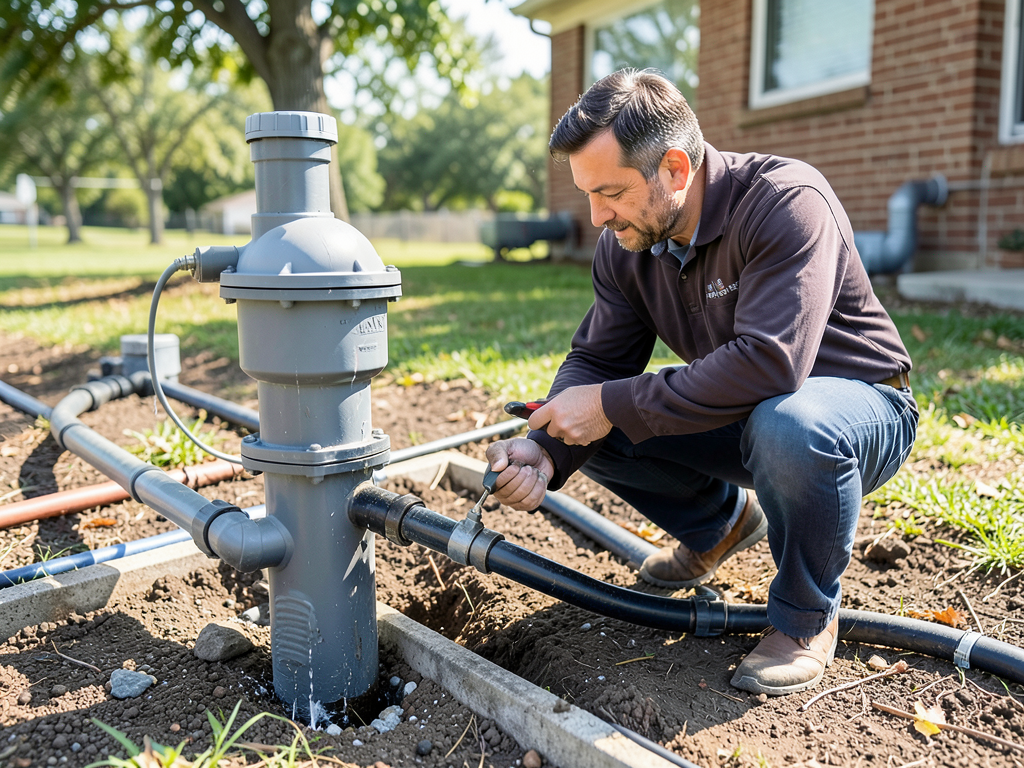
Potable vs. Non-Potable Rainwater Systems in San Antonio
Legal distinctions between potable and non-potable systems significantly impact your installation options. Non-potable systems for garden irrigation face minimal restrictions beyond basic safety requirements. Potable systems intended for drinking water require extensive additional permitting and treatment equipment.
Texas Commission on Environmental Quality (TCEQ) regulations govern potable rainwater systems. These systems must include multiple filtration stages, UV sterilization, and regular water quality testing. Government Hill residents considering potable systems should understand the ongoing maintenance requirements and testing costs.
Cross-connection control becomes critical for potable systems. San Antonio requires air gaps or reduced pressure principle assemblies to prevent any possibility of contamination. Licensed plumbers must certify that potable installations meet all TCEQ and local code requirements.
Insurance implications vary by system type. Most homeowner policies cover non-potable systems without special endorsements. Potable systems may require additional coverage or specific disclosures to your insurance provider. Check with your agent about coverage requirements before installation.
Step-by-Step Guide to Legal Rainwater Harvesting in Government Hill
- Assess Your Needs
Determine your garden’s water requirements and available catchment area. Most Government Hill homes need 500-1,000 gallons for typical vegetable gardens.
- Check Local Restrictions
Review any HOA covenants, though Texas law prohibits most restrictions. Contact San Antonio Development Services for permit requirements based on your specific plans.
- Design Your System
Include proper first-flush diverters, overflow protection, and mosquito screens. Factor in Government Hill’s clay soil conditions when planning tank foundations.
- Obtain Permits
Submit applications for required permits, including backflow prevention assembly permits if connecting to existing irrigation lines.
- Professional Installation
Hire licensed plumbers familiar with San Antonio codes. Ensure proper backflow prevention and secure tank mounting for clay soil conditions.
- Apply for Rebates
Submit documentation to SAWS within 180 days of installation. Include proof of permits, system specifications, and professional installation.
Common Mistakes Government Hill Residents Make
Underestimating permit requirements causes the most frequent compliance issues. Many homeowners assume small systems don’t need permits, only to discover connection plans trigger mandatory approval processes. Always verify requirements before purchasing equipment.
Inadequate backflow prevention represents another common violation. San Antonio strictly enforces cross-connection control rules. Systems without proper backflow prevention devices face fines and mandatory corrections, potentially voiding warranties and insurance coverage.
Poor tank foundation preparation leads to system failures. Government Hill’s expansive clay soil requires proper base preparation to prevent tank settling and structural damage. Professional installation includes appropriate foundation materials and leveling procedures.
Missing rebate deadlines costs homeowners significant savings. SAWS requires applications within specific timeframes after installation. Keep all documentation organized and submit rebate paperwork promptly to maximize financial benefits.
Maintenance Requirements for Legal Compliance
Regular maintenance ensures ongoing compliance with San Antonio regulations. Backflow prevention assemblies require annual testing by certified professionals. Keep records of all testing and maintenance activities for potential inspections.
Debris removal prevents system contamination and mosquito breeding. Clean gutters and first-flush diverters seasonally, particularly after spring pollen seasons and fall leaf drop. Government Hill’s mature trees create significant debris accumulation during certain seasons.
Overflow management protects your property and neighbors. Ensure overflow pipes direct water away from foundations and don’t create erosion issues in clay soil. Proper overflow design prevents flooding during heavy San Antonio rainstorms.
Water quality testing becomes necessary for potable systems. TCEQ recommends quarterly testing for bacteria and monthly testing for pH and turbidity. Keep test results on file to demonstrate compliance with health regulations.
Environmental Benefits for Government Hill Community
Rainwater harvesting reduces stormwater runoff in Government Hill’s older neighborhoods. Many homes in the area have aging drainage infrastructure that struggles during heavy rains. Collecting rainwater decreases the volume entering municipal systems during storm events.
Water conservation supports San Antonio’s sustainable growth initiatives. Government Hill residents using rainwater for gardens reduce demand on the Edwards Aquifer, helping preserve this critical water source for future generations. Every gallon collected represents water that doesn’t need pumping from deep wells.
Native plant gardens thrive with rainwater’s natural pH balance. Government Hill’s alkaline tap water can stress certain plants over time. Rainwater’s neutral pH supports healthier growth for vegetables, flowers, and native species without chemical amendments.
Energy savings accompany water conservation. Pumping water from the Edwards Aquifer requires significant electricity. By using gravity-fed rainwater systems, Government Hill homeowners reduce both water and energy consumption, lowering their environmental footprint.
Frequently Asked Questions
Do I need a permit for a small rainwater barrel in Government Hill?
Most small rainwater barrels under 50 gallons used exclusively for outdoor irrigation don’t require permits in Government Hill. However, if you plan to connect the barrel to existing irrigation lines or install multiple barrels exceeding 500 gallons total capacity, you should check with San Antonio Development Services about permit requirements.
Can my HOA stop me from installing a rainwater harvesting system?
No. Texas Property Code Section 202.007 specifically prohibits homeowners associations from banning rainwater harvesting systems. Your HOA cannot prevent you from installing a system for your garden, though they may have reasonable restrictions on tank placement or screening requirements to maintain neighborhood aesthetics.
How much does professional rainwater harvesting installation cost in Government Hill?
Professional installation costs in Government Hill typically range from $1,500 to $5,000 depending on system size and complexity. This includes proper permits, backflow prevention devices, tank foundations suitable for clay soil, and connections to existing irrigation systems. Professional installation ensures code compliance and eligibility for SAWS rebates.
What happens if I install a system without the proper permits?
Installing a rainwater system without required permits can result in fines from the City of San Antonio, mandatory removal of non-compliant equipment, and potential insurance issues. If your system connects to indoor plumbing or exceeds 500 gallons, you need permits to ensure proper backflow prevention and code compliance.
How do I apply for SAWS rainwater harvesting rebates?
Apply for SAWS rebates by submitting documentation within 180 days of installation. You’ll need proof of permits, system specifications, professional installation receipts, and photos of the completed system. SAWS processes applications in 4-6 weeks and issues rebate checks for qualifying systems up to $2,500 maximum.
Getting Started with Your Government Hill Rainwater System
Ready to harvest rainwater legally in Government Hill? The process starts with understanding your specific needs and local requirements. Small garden systems offer immediate benefits with minimal permitting, while larger installations provide maximum water savings and rebate potential.
Professional installation ensures your system meets all San Antonio codes and qualifies for available incentives. Licensed plumbers understand the specific requirements for Government Hill’s soil conditions, building codes, and rebate programs. They can help you design a system that maximizes water collection while ensuring long-term reliability.
Don’t let uncertainty about regulations prevent you from conserving water and saving money. The legal framework in Texas and San Antonio strongly supports rainwater harvesting for garden use. With proper planning and professional installation, you can enjoy the benefits of free, natural water for your plants while staying fully compliant with all local requirements.
Call (210) 374-7773 today to schedule a consultation about your rainwater harvesting project. Our licensed plumbers can assess your Government Hill property, explain permit requirements, and design a system that meets your garden needs while maximizing available rebates and incentives.
{
“@context”: “https://schema.org”,
“@type”: “BlogPosting”,
“headline”: “Can you legally collect rainwater for your garden in Government Hill?”,
“description”: “Find out if rainwater harvesting is legal in Government Hill, San Antonio. Learn about permits, SAWS rebates, and Texas water laws for residential systems.”,
“wordCount”: 1891,
“datePublished”: “2026-04-02T14:47:00.000Z”,
“dateModified”: “2026-04-02T14:47:00.000Z”,
“inLanguage”: “en-US”,
“mainEntityOfPage”: {
“@type”: “WebPage”,
“@id”: “https://alphaplumbingsanantonio.com”
},
“publisher”: {
“@type”: “LocalBusiness”,
“name”: “Alpha Plumbing San Antonio”,
“url”: “https://alphaplumbingsanantonio.com”
},
“author”: {
“@type”: “Organization”,
“name”: “Alpha Plumbing San Antonio”,
“url”: “https://alphaplumbingsanantonio.com”
},
“image”: {
“@type”: “ImageObject”,
“url”: “https://alphaplumbingsanantonio.com/wp-content/uploads/2026/03/can-you-legally-collect-rainwater-for-your-garden-1.png”
}
}
{
“@context”: “https://schema.org”,
“@type”: “Plumber”,
“name”: “Alpha Plumbing San Antonio”,
“url”: “https://alphaplumbingsanantonio.com”,
“address”: {
“@type”: “PostalAddress”,
“addressLocality”: “San Antonio”
},
“areaServed”: {
“@type”: “City”,
“name”: “San Antonio”
}
}
{
“@context”: “https://schema.org”,
“@type”: “FAQPage”,
“mainEntity”: [
{
“@type”: “Question”,
“name”: “Do I need a permit for a small rainwater barrel in Government Hill?”,
“acceptedAnswer”: {
“@type”: “Answer”,
“text”: “Most small rainwater barrels under 50 gallons used exclusively for outdoor irrigation don’t require permits in Government Hill. However, if you plan to connect the barrel to existing irrigation lines or install multiple barrels exceeding 500 gallons total capacity, you should check with San Antonio Development Services about permit requirements.”
}
},
{
“@type”: “Question”,
“name”: “Can my HOA stop me from installing a rainwater harvesting system?”,
“acceptedAnswer”: {
“@type”: “Answer”,
“text”: “No. Texas Property Code Section 202.007 specifically prohibits homeowners associations from banning rainwater harvesting systems. Your HOA cannot prevent you from installing a system for your garden, though they may have reasonable restrictions on tank placement or screening requirements to maintain neighborhood aesthetics.”
}
},
{
“@type”: “Question”,
“name”: “How much does professional rainwater harvesting installation cost in Government Hill?”,
“acceptedAnswer”: {
“@type”: “Answer”,
“text”: “Professional installation costs in Government Hill typically range from $1,500 to $5,000 depending on system size and complexity. This includes proper permits, backflow prevention devices, tank foundations suitable for clay soil, and connections to existing irrigation systems. Professional installation ensures code compliance and eligibility for SAWS rebates.”
}
},
{
“@type”: “Question”,
“name”: “What happens if I install a system without the proper permits?”,
“acceptedAnswer”: {
“@type”: “Answer”,
“text”: “Installing a rainwater system without required permits can result in fines from the City of San Antonio, mandatory removal of non-compliant equipment, and potential insurance issues. If your system connects to indoor plumbing or exceeds 500 gallons, you need permits to ensure proper backflow prevention and code compliance.”
}
},
{
“@type”: “Question”,
“name”: “How do I apply for SAWS rainwater harvesting rebates?”,
“acceptedAnswer”: {
“@type”: “Answer”,
“text”: “Apply for SAWS rebates by submitting documentation within 180 days of installation. You’ll need proof of permits, system specifications, professional installation receipts, and photos of the completed system. SAWS processes applications in 4-6 weeks and issues rebate checks for qualifying systems up to $2,500 maximum.”
}
}
]
}
{
“@context”: “https://schema.org”,
“@type”: “HowTo”,
“name”: “How to Legally Install Rainwater Harvesting”,
“step”: [
{
“@type”: “HowToStep”,
“position”: 1,
“name”: “Assess Your Needs”,
“text”: “Determine your garden’s water requirements and available catchment area. Most Government Hill homes need 500-1,000 gallons for typical vegetable gardens.”
},
{
“@type”: “HowToStep”,
“position”: 2,
“name”: “Check Local Restrictions”,
“text”: “Review any HOA covenants, though Texas law prohibits most restrictions. Contact San Antonio Development Services for permit requirements based on your specific plans.”
},
{
“@type”: “HowToStep”,
“position”: 3,
“name”: “Design Your System”,
“text”: “Include proper first-flush diverters, overflow protection, and mosquito screens. Factor in Government Hill’s clay soil conditions when planning tank foundations.”
},
{
“@type”: “HowToStep”,
“position”: 4,
“name”: “Obtain Permits”,
“text”: “Submit applications for required permits, including backflow prevention assembly permits if connecting to existing irrigation lines.”
},
{
“@type”: “HowToStep”,
“position”: 5,
“name”: “Professional Installation”,
“text”: “Hire licensed plumbers familiar with San Antonio codes. Ensure proper backflow prevention and secure tank mounting for clay soil conditions.”
},
{
“@type”: “HowToStep”,
“position”: 6,
“name”: “Apply for Rebates”,
“text”: “Submit documentation to SAWS within 180 days of installation. Include proof of permits, system specifications, and professional installation.”
}
],
“image”: “https://alphaplumbingsanantonio.com/wp-content/uploads/2026/03/can-you-legally-collect-rainwater-for-your-garden-1.png”
}
{
“@context”: “https://schema.org”,
“@type”: “BreadcrumbList”,
“itemListElement”: [
{
“@type”: “ListItem”,
“position”: 1,
“name”: “Home”,
“item”: “https://alphaplumbingsanantonio.com”
},
{
“@type”: “ListItem”,
“position”: 2,
“name”: “Blog”,
“item”: “https://alphaplumbingsanantonio.com/blog”
},
{
“@type”: “ListItem”,
“position”: 3,
“name”: “Can you legally collect rainwater for your garden in Government Hill?”
}
]
}
{
“@context”: “https://schema.org”,
“@type”: “Service”,
“serviceType”: “Plumbing”,
“provider”: {
“@type”: “LocalBusiness”,
“name”: “Alpha Plumbing San Antonio”,
“url”: “https://alphaplumbingsanantonio.com”
},
“areaServed”: {
“@type”: “City”,
“name”: “San Antonio”
},
“description”: “Find out if rainwater harvesting is legal in Government Hill, San Antonio. Learn about permits, SAWS rebates, and Texas water laws for residential systems.”
}