
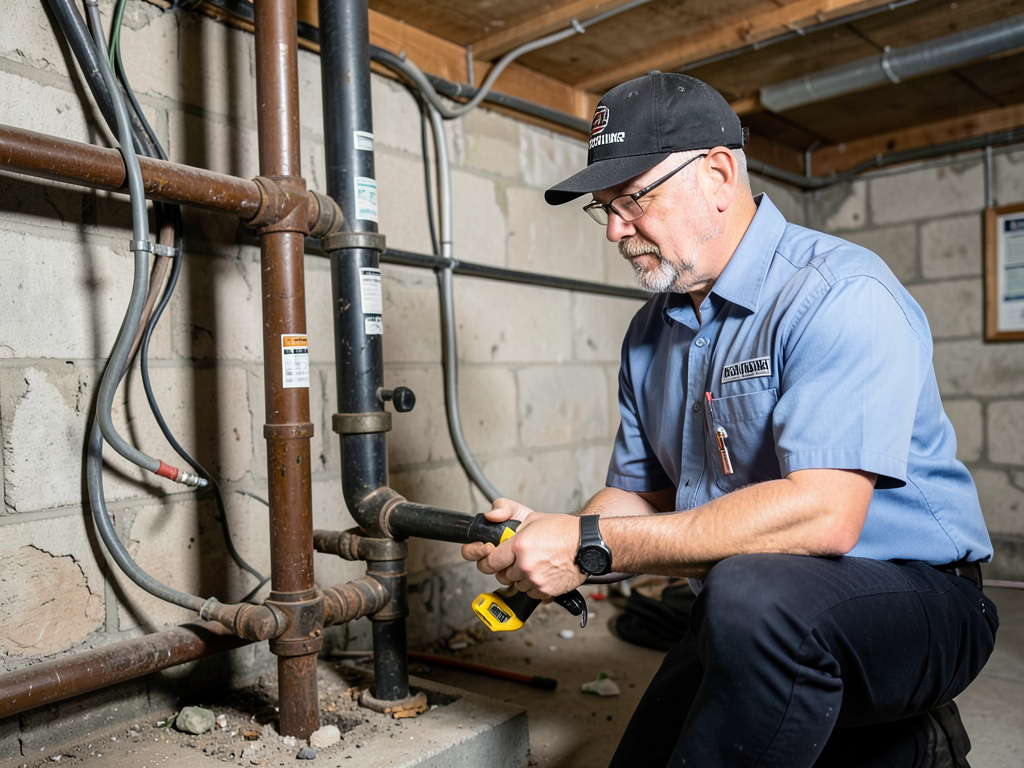
Lead pipes in older San Antonio homes pose serious health risks to your family. If your home was built before 1960 in the Mission District, you could be drinking water contaminated with lead. This guide shows you exactly how to identify lead service lines and what steps to take next. Emergency San Antonio Plumbers Who Actually Answer the Phone at Night.
Lead pipes were commonly used for water service lines until the 1960s. Over time, these pipes corrode and release lead particles into your drinking water. The Mission District has many homes from this era, making lead pipe identification crucial for local homeowners.
You can identify lead pipes by their soft, dull gray appearance. A simple magnet test helps too – lead is non-magnetic while galvanized steel pipes will attract a magnet. Lead pipes also leave a shiny silver mark when scratched with a coin.
The San Antonio Water System (SAWS) has been working to replace lead service lines across the city. However, many private-side lines still need attention from homeowners. SAWS typically handles the public portion up to your property line, while you’re responsible for the private side. SAWS lead service line replacement program.
Lead exposure causes serious health problems, especially in children and pregnant women. Even low levels can affect brain development, learning ability, and behavior. Adults face risks including high blood pressure and kidney problems from long-term exposure.
Common signs of lead pipes include frequent plumbing repairs, discolored water, and low water pressure. If you notice these issues in your Mission District home, professional inspection becomes essential. Lead pipes often connect to galvanized steel, creating galvanic corrosion that accelerates pipe deterioration. EPA information about lead in drinking water.
SAWS offers a lead service line replacement program for qualifying properties. The program covers replacement costs for the public side of the line. Homeowners must still address private-side replacements, which often require licensed plumbers familiar with local building codes.
Modern replacement options include copper piping, PEX, and other lead-free materials. Copper offers durability and longevity, while PEX provides flexibility for difficult installations. The choice depends on your home’s specific needs and local soil conditions in the Mission District.
Professional lead pipe replacement requires proper permits from Bexar County. Licensed plumbers must follow EPA guidelines for safe removal and disposal of lead materials. This includes containment procedures to prevent lead dust contamination during the replacement process. Safe and Professional Gas Line Repairs for Hollywood Park Residents.
The replacement process typically takes 1-2 days for most Mission District homes. Excavation depth varies based on local frost line requirements and soil conditions. Clay soil common in San Antonio can complicate excavation and may require specialized equipment.
After replacement, water testing confirms lead levels have dropped to safe ranges. EPA guidelines require lead levels below 15 parts per billion in drinking water. Most successful replacements achieve levels well below this threshold.
Financing options exist for lead pipe replacement through various programs. Some homeowners qualify for assistance through SAWS or local government initiatives. Private financing through plumbing contractors also provides payment plans for necessary replacements. Plumbing Boerne.
Preventive measures include running water for 30 seconds before use and using cold water for drinking and cooking. These steps reduce lead exposure while you arrange for permanent replacement. However, they don’t eliminate the underlying risk.
Lead pipe replacement increases your home’s value and marketability. Buyers increasingly request water quality testing, and lead-free plumbing becomes a selling point. Insurance companies may also offer better rates for homes with updated plumbing systems.
Local Mission District plumbers understand the specific challenges of working in older neighborhoods. They know local building patterns, common pipe layouts, and permit requirements. This expertise ensures faster, more efficient replacement with minimal property disruption.
Water quality testing provides baseline data before replacement. Professional testing identifies lead levels, pH balance, and other water characteristics. This information helps determine the best replacement strategy for your specific situation.
Lead pipe identification requires careful inspection of visible pipes in basements, crawl spaces, or where the main line enters your home. Look for the characteristic gray color, soft texture, and lack of magnetic attraction. When in doubt, professional inspection provides definitive answers.
The EPA Lead and Copper Rule requires water utilities to monitor lead levels and replace lead service lines when necessary. San Antonio complies with these federal standards through SAWS monitoring programs and public education efforts.
Mission District homes often share similar plumbing layouts due to common construction patterns from the 1940s-1960s. This knowledge helps plumbers anticipate challenges and plan efficient replacement strategies. Understanding your home’s age and construction style provides valuable clues about potential lead pipe locations.
Replacement timing depends on several factors including lead levels, pipe condition, and upcoming renovations. Some homeowners choose proactive replacement even with acceptable lead levels to prevent future problems and ensure water quality.
Professional plumbers use specialized tools for lead pipe removal including pipe cutters, excavation equipment, and containment systems. Safety equipment protects workers from lead dust exposure during the removal process. Proper disposal follows EPA hazardous waste guidelines.
Post-replacement testing verifies the success of the installation. Water samples sent to certified laboratories confirm lead levels meet safety standards. This documentation proves your home now has safe, lead-free water service.
Lead pipe replacement represents a significant investment in your family’s health and your home’s infrastructure. While costs vary based on property specifics, the long-term benefits include improved water quality, increased property value, and peace of mind.
Local building codes in San Antonio require lead-free materials for new plumbing installations. These codes align with EPA standards and ensure public health protection. Licensed plumbers stay current with these requirements to provide compliant installations.
Mission District homeowners should check SAWS records for existing lead service line information. The utility maintains databases of known lead lines and replacement progress. This information helps prioritize replacement needs and understand available assistance programs.
Water filtration systems provide temporary lead reduction but don’t replace the need for pipe replacement. Filters require regular maintenance and replacement to remain effective. Only complete pipe replacement eliminates the source of lead contamination.
Professional assessment determines the scope of replacement needed. Some homes require full service line replacement while others need only partial updates. The assessment considers pipe age, condition, lead levels, and future plans for the property.
Lead pipe replacement timing often aligns with other home improvement projects. Coordinating with kitchen or bathroom renovations can reduce overall disruption and potentially lower combined project costs. Planning ahead maximizes efficiency and minimizes inconvenience. Commercial Kitchen Plumbing.
The Mission District’s historic character means some lead pipe replacements must preserve architectural integrity. Experienced plumbers understand how to minimize visible impact while ensuring modern plumbing functionality. This balance protects both your home’s character and your family’s health.
Emergency situations like major leaks or contamination spikes may require immediate replacement. Having a trusted local plumber on call ensures rapid response when urgent situations arise. Quick action prevents water damage and protects your family from lead exposure.
Lead pipe replacement represents one aspect of comprehensive home water quality improvement. Other considerations include water pressure, flow rates, and overall system efficiency. Professional plumbers evaluate these factors during replacement planning.
Documentation of lead pipe replacement provides valuable records for future home sales or insurance purposes. Keep all permits, inspection reports, and water test results in a safe place. This documentation proves your home meets current safety standards.
Mission District homeowners benefit from understanding local water quality trends and replacement programs. Staying informed about SAWS initiatives and building code changes helps you make timely decisions about pipe replacement.
Professional lead pipe replacement requires coordination with multiple parties including SAWS, building inspectors, and sometimes neighbors. Experienced plumbers manage this coordination to ensure smooth project completion. Clear communication prevents delays and misunderstandings.
The investment in lead pipe replacement pays dividends through improved health, increased property value, and reduced maintenance needs. While the upfront cost seems significant, the long-term benefits far outweigh the initial expense. Your family’s health and safety make this investment worthwhile.
Call (210) 374-7773 today to schedule your professional lead pipe inspection. Our experienced team understands Mission District homes and can provide accurate assessment and safe replacement solutions. Don’t wait until lead exposure affects your family’s health.
Frequently Asked Questions
How can I tell if my Mission District home has lead pipes?
Look for soft, dull gray pipes that aren’t magnetic. Lead pipes scratch easily and leave a shiny silver mark. If your home was built before 1960, professional inspection is recommended to confirm pipe material.
Does SAWS replace lead pipes in San Antonio?
SAWS replaces the public side of lead service lines up to your property line. Homeowners are responsible for private-side replacements. SAWS offers assistance programs for qualifying properties.
How much does lead pipe replacement cost in San Antonio?
Costs vary based on pipe length, excavation needs, and property conditions. Most Mission District replacements range from $2,000 to $5,000 for private-side work. Financing options may be available through plumbing contractors.
Is lead pipe replacement covered by homeowners insurance?
Standard policies typically don’t cover lead pipe replacement as a preventive measure. However, damage from pipe failure might be covered. Check with your insurance provider about specific coverage details.
How long does lead pipe replacement take?
Most residential replacements take 1-2 days. The process includes excavation, pipe removal, new installation, pressure testing, and site restoration. Weather and soil conditions can affect timing.
{
“@context”: “https://schema.org”,
“@type”: “BlogPosting”,
“headline”: “How to tell if your Mission District home still has lead pipes”,
“description”: “Learn to identify lead pipes in your Mission District home and understand SAWS replacement programs. Get expert inspection and safe removal services.”,
“wordCount”: 1564,
“datePublished”: “2026-04-15T12:47:00.000Z”,
“dateModified”: “2026-04-15T12:47:00.000Z”,
“inLanguage”: “en-US”,
“mainEntityOfPage”: {
“@type”: “WebPage”,
“@id”: “https://alphaplumbingsanantonio.com”
},
“publisher”: {
“@type”: “LocalBusiness”,
“name”: “Alpha Plumbing San Antonio”,
“url”: “https://alphaplumbingsanantonio.com”
},
“author”: {
“@type”: “Organization”,
“name”: “Alpha Plumbing San Antonio”,
“url”: “https://alphaplumbingsanantonio.com”
},
“image”: {
“@type”: “ImageObject”,
“url”: “https://alphaplumbingsanantonio.com/wp-content/uploads/2026/03/how-to-tell-if-your-mission-district-home-still-ha-1.png”
}
}
{
“@context”: “https://schema.org”,
“@type”: “Plumber”,
“name”: “Alpha Plumbing San Antonio”,
“url”: “https://alphaplumbingsanantonio.com”,
“address”: {
“@type”: “PostalAddress”,
“addressLocality”: “San Antonio”
},
“areaServed”: {
“@type”: “City”,
“name”: “San Antonio”
}
}
{
“@context”: “https://schema.org”,
“@type”: “FAQPage”,
“mainEntity”: [
{
“@type”: “Question”,
“name”: “How can I tell if my Mission District home has lead pipes?”,
“acceptedAnswer”: {
“@type”: “Answer”,
“text”: “Look for soft, dull gray pipes that aren’t magnetic. Lead pipes scratch easily and leave a shiny silver mark. If your home was built before 1960, professional inspection is recommended to confirm pipe material.”
}
},
{
“@type”: “Question”,
“name”: “Does SAWS replace lead pipes in San Antonio?”,
“acceptedAnswer”: {
“@type”: “Answer”,
“text”: “SAWS replaces the public side of lead service lines up to your property line. Homeowners are responsible for private-side replacements. SAWS offers assistance programs for qualifying properties.”
}
},
{
“@type”: “Question”,
“name”: “How much does lead pipe replacement cost in San Antonio?”,
“acceptedAnswer”: {
“@type”: “Answer”,
“text”: “Costs vary based on pipe length, excavation needs, and property conditions. Most Mission District replacements range from $2,000 to $5,000 for private-side work. Financing options may be available through plumbing contractors.”
}
},
{
“@type”: “Question”,
“name”: “Is lead pipe replacement covered by homeowners insurance?”,
“acceptedAnswer”: {
“@type”: “Answer”,
“text”: “Standard policies typically don’t cover lead pipe replacement as a preventive measure. However, damage from pipe failure might be covered. Check with your insurance provider about specific coverage details.”
}
},
{
“@type”: “Question”,
“name”: “How long does lead pipe replacement take?”,
“acceptedAnswer”: {
“@type”: “Answer”,
“text”: “Most residential replacements take 1-2 days. The process includes excavation, pipe removal, new installation, pressure testing, and site restoration. Weather and soil conditions can affect timing.”
}
}
]
}
{
“@context”: “https://schema.org”,
“@type”: “BreadcrumbList”,
“itemListElement”: [
{
“@type”: “ListItem”,
“position”: 1,
“name”: “Home”,
“item”: “https://alphaplumbingsanantonio.com”
},
{
“@type”: “ListItem”,
“position”: 2,
“name”: “Blog”,
“item”: “https://alphaplumbingsanantonio.com/blog”
},
{
“@type”: “ListItem”,
“position”: 3,
“name”: “How to tell if your Mission District home still has lead pipes”
}
]
}
{
“@context”: “https://schema.org”,
“@type”: “Service”,
“serviceType”: “Plumbing”,
“provider”: {
“@type”: “LocalBusiness”,
“name”: “Alpha Plumbing San Antonio”,
“url”: “https://alphaplumbingsanantonio.com”
},
“areaServed”: {
“@type”: “City”,
“name”: “San Antonio”
},
“description”: “Learn to identify lead pipes in your Mission District home and understand SAWS replacement programs. Get expert inspection and safe removal services.”
}