
Is it time to upgrade to a commercial grade water heater for your San Antonio apartment complex?
If your San Antonio apartment complex struggles with hot water shortages during peak hours or your energy bills keep climbing, you are facing a common challenge in our city’s hard water environment. Commercial grade water heaters provide the durability, capacity, and efficiency that multi-family buildings need to keep residents comfortable while controlling operational costs. Emergency San Antonio Plumbers Who Actually Answer the Phone at Night.
San Antonio’s Edwards Aquifer delivers water with high mineral content that accelerates scale buildup in commercial systems. When your water heater shows signs of reduced recovery time, unusual noises, or visible corrosion, you are watching the early stages of failure that could leave your building without hot water during critical periods. Early Warning Signs of a Slab Leak in Your Alamo Heights Home.
Commercial water heaters differ from residential units in their construction, recovery rates, and sizing requirements. A properly sized commercial system for a San Antonio apartment complex must handle peak demand periods while accounting for the local water chemistry that affects long-term performance and maintenance needs. Commercial Kitchen Plumbing.
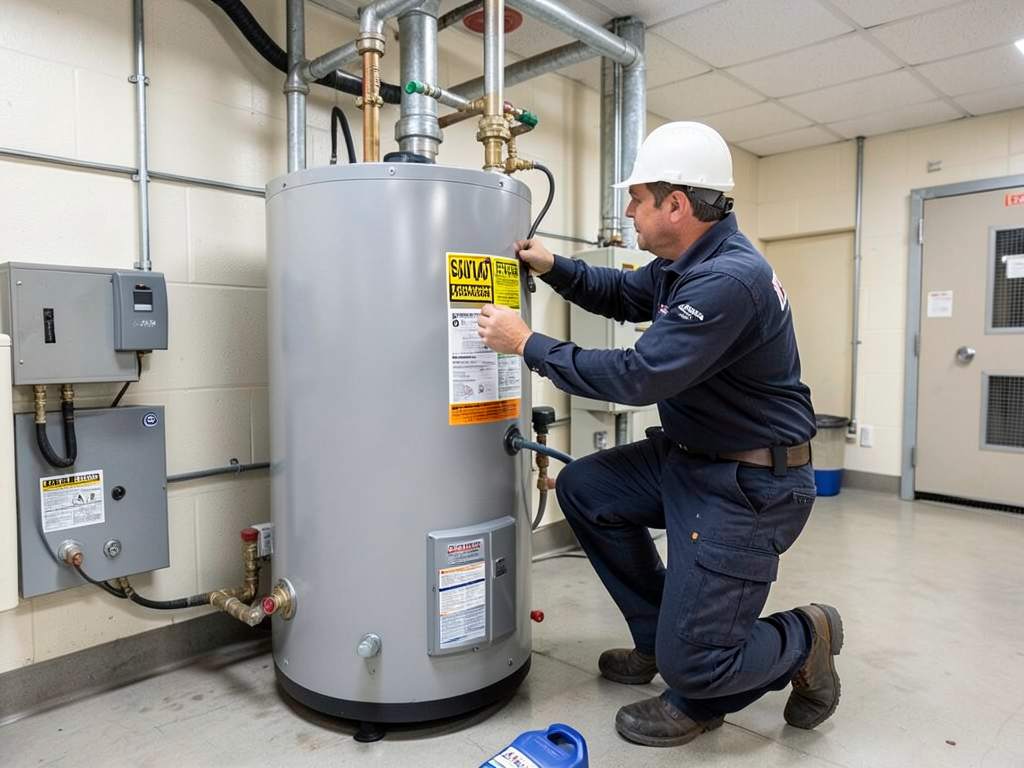
Understanding commercial water heater sizing for San Antonio properties
Commercial water heater sizing requires calculating your building’s peak demand in gallons per hour, not just the number of units. A 50-unit apartment complex in the Medical Center area might need a system that delivers 300 gallons of hot water within a 60-minute window, while a similar building in Stone Oak could have different requirements based on resident demographics and usage patterns.. Read more about How to tell if your water heater expansion tank is actually working.
Recovery rate becomes critical in San Antonio’s climate where residents often shower during the same morning and evening periods. Commercial units measure recovery in gallons per hour at specific temperature rises. A typical apartment complex needs a unit that can raise 100 gallons of water from 50°F to 120°F in one hour, which requires careful BTU calculations.. Read more about How to pick a tankless water heater that won’t run cold on your large Alamo Ranch family.
Storage capacity also matters. While tankless systems offer endless hot water, they require significant gas or electrical infrastructure that many older San Antonio buildings cannot support without upgrades. Storage tank systems provide reliability during power outages but need proper insulation to maintain efficiency in our summer heat.
BTU requirements and energy efficiency standards
Commercial water heaters in San Antonio must meet both federal efficiency standards and local building code requirements. The current National Appliance Energy Conservation Act mandates minimum thermal efficiency ratings, but San Antonio’s hard water means you need to factor in additional capacity to offset scale buildup that reduces heat transfer efficiency over time.
BTU input directly affects recovery time and operating costs. A 100,000 BTU commercial unit might recover 100 gallons per hour, while a 199,000 BTU model could recover 200 gallons in the same timeframe. However, higher BTU units require proper venting and gas line sizing that must comply with the International Fuel Gas Code and local amendments.
Energy efficiency becomes crucial for San Antonio apartment owners managing utility costs. High-efficiency condensing units capture waste heat but require specific venting materials that resist corrosion from acidic condensate. The initial investment often pays for itself through reduced gas consumption, especially in buildings with consistent hot water demand.
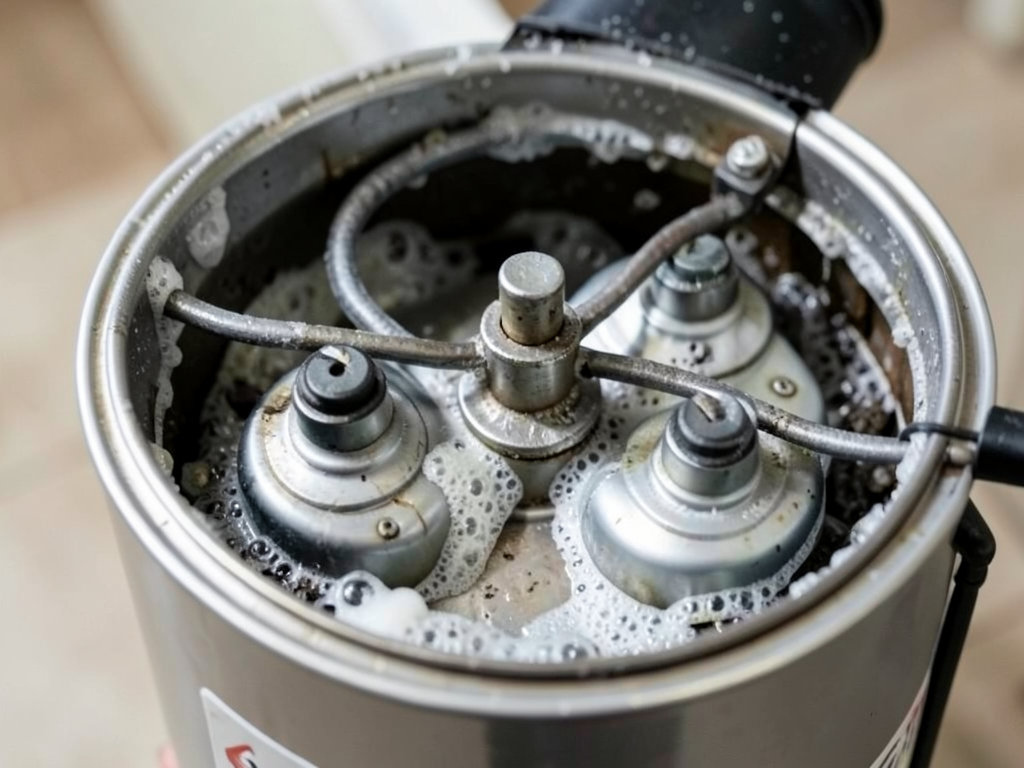
Hard water impact on commercial water heater lifespan
San Antonio’s water contains approximately 17 grains per gallon of hardness, which creates significant scale buildup inside commercial water heaters. This mineral accumulation acts as an insulating layer between the heat source and water, forcing the system to work harder and reducing efficiency by up to 30% within three years.
The scale buildup creates hot spots on heating elements and tank surfaces, leading to premature failure of critical components. In commercial applications, this means unexpected downtime during peak usage periods when replacement parts may take days to arrive. The diagnostic sound of popping or cracking from your water heater often indicates severe scale accumulation.
Commercial-grade units combat this through heavier gauge steel tanks, higher quality anodes, and enhanced insulation. However, even these features cannot eliminate the need for regular maintenance in San Antonio’s water conditions. Annual flushing and inspection become essential rather than optional for protecting your investment.
ASME certification and commercial code compliance
Commercial water heaters in San Antonio must meet ASME standards for pressure vessel construction. This certification ensures the tank can withstand the pressures and temperatures required for multi-family applications. The ASME stamp indicates compliance with Section IV or Section VIII of the Boiler and Pressure Vessel Code, depending on the unit’s design. ASME Boiler and Pressure Vessel Code.
Local building codes require commercial water heaters to include specific safety features like temperature and pressure relief valves, expansion tanks, and proper seismic bracing. The San Antonio Development Services Department enforces these requirements through permitting and inspection processes that protect building owners from liability.
Commercial installations also require compliance with the Texas State Board of Plumbing Examiners regulations. Licensed plumbers must perform all commercial water heater work, and permits are mandatory for units exceeding certain capacities or BTU inputs. These requirements ensure proper installation and protect your building’s insurance coverage.. Read more about Plumbing considerations for a hair salon buildout in the Pearl District.
Comparing commercial water heater types for San Antonio buildings
Storage tank systems remain the most common choice for San Antonio apartment complexes due to their reliability and lower upfront costs. These units range from 50 to 200+ gallons and can be configured in banks to meet larger demand. The primary advantage lies in their ability to provide hot water during power outages when properly sized.
Tankless commercial units eliminate standby heat loss and provide endless hot water, making them attractive for buildings with space constraints. However, they require substantial gas or electrical infrastructure upgrades that may not be feasible in older San Antonio buildings. The high initial cost often offsets through energy savings in buildings with consistent usage patterns.
Hybrid heat pump water heaters offer exceptional efficiency for commercial applications but work best in temperature-controlled environments. In San Antonio’s climate, these units can reduce energy consumption by up to 60% compared to standard electric resistance heaters, though they require adequate space for heat pump operation and may struggle during extreme cold snaps.
Gas versus electric commercial water heaters
Gas-fired commercial water heaters dominate San Antonio installations due to lower operating costs and faster recovery rates. Natural gas availability throughout the metro area makes these units cost-effective for buildings with high hot water demand. The typical gas unit recovers water three to four times faster than electric models of similar capacity.
Electric commercial water heaters offer advantages in buildings without gas service or where venting restrictions apply. Modern electric units achieve thermal efficiencies above 95%, though electricity costs in San Antonio often make them more expensive to operate than gas alternatives. They require less maintenance and eliminate combustion safety concerns.
Heat recovery systems can capture waste heat from commercial refrigeration or air conditioning equipment to preheat water entering the main heater. This technology works exceptionally well in San Antonio’s climate where cooling systems run year-round, potentially reducing water heating costs by 30% to 50% in applications with compatible waste heat sources.
Installation considerations for San Antonio apartment complexes
Commercial water heater installation in San Antonio requires careful planning to minimize tenant disruption and ensure code compliance. The process typically involves shutting off water service to the affected area, which means scheduling work during low-demand periods or coordinating with building management to provide temporary hot water solutions.
Venting requirements differ significantly between gas and electric units. Direct vent systems draw combustion air from outside and vent directly through walls or roofs, while atmospheric vent models require vertical chimneys that may not exist in converted buildings. The International Mechanical Code and local amendments dictate specific clearances and materials for all venting systems.
Seismic bracing becomes critical in San Antonio due to occasional ground movement from construction or geological factors. Commercial water heaters must be anchored to prevent tipping during seismic events, and flexible gas connectors must be installed to prevent line breaks. These requirements protect both the equipment and building occupants.
Maintenance requirements and service intervals
Commercial water heaters in San Antonio require quarterly maintenance at minimum, with high-usage buildings needing monthly inspections. The hard water environment necessitates regular descaling of heat exchangers, replacement of sacrificial anodes, and testing of safety valves. Skipping maintenance accelerates component failure and voids most manufacturer warranties.
Temperature and pressure relief valve testing prevents dangerous overpressure conditions that could lead to tank rupture. These valves must be tested annually and replaced every five years regardless of apparent condition. The discharge piping must terminate safely to prevent scalding hazards in occupied areas.
Anode rod inspection and replacement protect the tank from internal corrosion. In San Antonio’s water conditions, magnesium anodes may need replacement every one to two years, while aluminum rods might last slightly longer. The diagnostic process involves removing the rod to check for remaining material thickness and corrosion patterns.
Cost factors and return on investment
Commercial water heater costs in San Antonio vary significantly based on capacity, efficiency rating, and installation complexity. A basic 100-gallon gas unit might cost $2,000 to $3,000, while a high-efficiency 200-gallon model with advanced controls could exceed $6,000 before installation. The total installed cost often doubles these figures when factoring in permits, venting, and infrastructure upgrades.
Energy consumption represents the largest ongoing cost for commercial water heating. San Antonio’s electricity rates average 11.5 cents per kilowatt-hour, while natural gas costs approximately $1.20 per therm. A high-efficiency gas unit might cost $300 to $500 annually to operate, while an electric resistance heater could exceed $1,000 for similar capacity.
Utility rebates and incentives can offset installation costs significantly. CPS Energy offers commercial rebates for high-efficiency water heating equipment, and federal tax credits may apply to qualifying systems. These programs change annually, so timing your replacement during active rebate periods can reduce net costs by 15% to 30%. CPS Energy commercial rebates.
Emergency repair services and replacement timing
Commercial water heater failures rarely provide advance warning, making emergency response capabilities crucial for San Antonio property managers. A complete failure during winter months can create tenant complaints, health code violations, and potential liability issues. Having a relationship with a qualified commercial plumbing contractor ensures rapid response when failures occur.
Replacement timing depends on several factors including unit age, maintenance history, and building usage patterns. Units over ten years old in San Antonio’s hard water conditions typically operate at reduced efficiency and face increased failure risk. Planning replacements during shoulder seasons minimizes tenant impact and allows for competitive bidding on new equipment.
Modern commercial water heaters include diagnostic capabilities that can predict failures before they occur. Smart controls monitor system performance, track energy consumption, and alert maintenance staff to developing issues. These features justify their additional cost through reduced emergency repair expenses and extended equipment life. How We Repair Sewer Lines in King William Without Destroying the History.
Frequently Asked Questions
How long do commercial water heaters last in San Antonio?
Commercial water heaters in San Antonio typically last 8 to 12 years due to hard water scale buildup. Regular maintenance can extend this to 15 years, while neglected units may fail in as little as 5 years. The Edwards Aquifer’s mineral content significantly impacts lifespan compared to softer water regions.
What size commercial water heater do I need for a 100-unit apartment complex?
A 100-unit complex typically requires a system that can deliver 250 to 400 gallons of hot water within a 60-minute peak period. This often means multiple 100-gallon units or a single 200-gallon high-recovery model. Specific sizing depends on resident demographics, building age, and local water pressure conditions.
Are tankless water heaters worth it for commercial buildings?
Tankless systems work well for consistent, high-volume usage but require substantial gas or electrical infrastructure. In San Antonio, they eliminate standby losses and provide endless hot water, though the high upfront costs and potential utility upgrade expenses may extend payback periods beyond five years in some applications.
Do I need permits for commercial water heater replacement?
Yes, San Antonio requires permits for all commercial water heater replacements. The San Antonio Development Services Department issues these permits after reviewing plans and ensuring compliance with local codes. Licensed plumbers must pull permits and schedule inspections, which protect your investment and maintain insurance coverage.
How often should commercial water heaters be serviced?
Quarterly maintenance is minimum for San Antonio commercial units, with high-usage buildings needing monthly checks. Service includes flushing sediment, testing safety valves, inspecting anodes, and checking combustion systems. Annual professional servicing prevents costly failures and maintains warranty coverage. Safe and Professional Gas Line Repairs for Hollywood Park Residents.
What are the signs my commercial water heater needs replacement?
Key indicators include reduced hot water volume, longer recovery times, unusual noises from scale buildup, visible corrosion, and rising energy bills. Units over ten years old showing these symptoms likely need replacement rather than repair, especially in San Antonio’s hard water conditions.
- Document Current Issues
Record specific problems like hot water shortages, unusual noises, or rising energy bills to help technicians diagnose issues quickly.
- Check Warranty Status
Review installation documents to determine if your unit is still under warranty, which could cover parts or labor for certain repairs.
- Schedule Professional Assessment
Contact a licensed commercial plumber to evaluate your system’s condition, efficiency, and code compliance status.
- Request Written Estimate
Obtain detailed quotes for repair versus replacement options, including equipment specifications and warranty terms.
- Plan Installation Timing
Coordinate replacement during low-demand periods to minimize tenant disruption and ensure temporary hot water availability.
Take action before your water heater fails
Commercial water heater problems rarely improve on their own. Each day of reduced efficiency costs you money in higher utility bills while increasing the risk of complete failure during your building’s busiest hours. The combination of San Antonio’s hard water and the demands of multi-family living creates a perfect storm for premature equipment failure.
Don’t wait for emergency service calls that disrupt your residents and damage your reputation. A professional assessment can identify whether repair or replacement makes more financial sense for your specific situation. Modern commercial units offer energy savings, improved reliability, and compliance with current building codes that older systems cannot match.
Call (210) 374-7773 today to schedule your commercial water heater evaluation. Our licensed technicians understand San Antonio’s unique water conditions and building requirements. We provide honest recommendations based on your building’s needs, not sales quotas. Whether you need emergency repair or planned replacement, we have the expertise to keep your residents comfortable and your operations running smoothly.
Pick up the phone and call (210) 374-7773 before the next cold front hits. Your residents deserve reliable hot water, and your budget deserves the efficiency of modern commercial equipment. Let us help you make the right decision for your San Antonio apartment complex.
{
“@context”: “https://schema.org”,
“@type”: “BlogPosting”,
“headline”: “Is it time to upgrade to a commercial grade water heater for your San Antonio apartment complex?”,
“description”: “Learn when to replace your commercial water heater in San Antonio. Discover sizing, efficiency, and hard water solutions for apartment complexes and multi-family buildings.”,
“wordCount”: 2461,
“datePublished”: “2026-05-03T11:51:00.000Z”,
“dateModified”: “2026-05-03T11:51:00.000Z”,
“inLanguage”: “en-US”,
“mainEntityOfPage”: {
“@type”: “WebPage”,
“@id”: “https://alphaplumbingsanantonio.com”
},
“publisher”: {
“@type”: “LocalBusiness”,
“name”: “Alpha Plumbing San Antonio”,
“url”: “https://alphaplumbingsanantonio.com”
},
“author”: {
“@type”: “Organization”,
“name”: “Alpha Plumbing San Antonio”,
“url”: “https://alphaplumbingsanantonio.com”
},
“image”: {
“@type”: “ImageObject”,
“url”: “https://alphaplumbingsanantonio.com/wp-content/uploads/2026/03/is-it-time-to-upgrade-to-a-commercial-grade-water-1.png”
}
}
{
“@context”: “https://schema.org”,
“@type”: “Plumber”,
“name”: “Alpha Plumbing San Antonio”,
“url”: “https://alphaplumbingsanantonio.com”,
“address”: {
“@type”: “PostalAddress”,
“addressLocality”: “San Antonio”
},
“areaServed”: {
“@type”: “City”,
“name”: “San Antonio”
}
}
{
“@context”: “https://schema.org”,
“@type”: “FAQPage”,
“mainEntity”: [
{
“@type”: “Question”,
“name”: “How long do commercial water heaters last in San Antonio?”,
“acceptedAnswer”: {
“@type”: “Answer”,
“text”: “Commercial water heaters in San Antonio typically last 8 to 12 years due to hard water scale buildup. Regular maintenance can extend this to 15 years, while neglected units may fail in as little as 5 years. The Edwards Aquifer’s mineral content significantly impacts lifespan compared to softer water regions.”
}
},
{
“@type”: “Question”,
“name”: “What size commercial water heater do I need for a 100-unit apartment complex?”,
“acceptedAnswer”: {
“@type”: “Answer”,
“text”: “A 100-unit complex typically requires a system that can deliver 250 to 400 gallons of hot water within a 60-minute peak period. This often means multiple 100-gallon units or a single 200-gallon high-recovery model. Specific sizing depends on resident demographics, building age, and local water pressure conditions.”
}
},
{
“@type”: “Question”,
“name”: “Are tankless water heaters worth it for commercial buildings?”,
“acceptedAnswer”: {
“@type”: “Answer”,
“text”: “Tankless systems work well for consistent, high-volume usage but require substantial gas or electrical infrastructure. In San Antonio, they eliminate standby losses and provide endless hot water, though the high upfront costs and potential utility upgrade expenses may extend payback periods beyond five years in some applications.”
}
},
{
“@type”: “Question”,
“name”: “Do I need permits for commercial water heater replacement?”,
“acceptedAnswer”: {
“@type”: “Answer”,
“text”: “Yes, San Antonio requires permits for all commercial water heater replacements. The San Antonio Development Services Department issues these permits after reviewing plans and ensuring compliance with local codes. Licensed plumbers must pull permits and schedule inspections, which protect your investment and maintain insurance coverage.”
}
},
{
“@type”: “Question”,
“name”: “How often should commercial water heaters be serviced?”,
“acceptedAnswer”: {
“@type”: “Answer”,
“text”: “Quarterly maintenance is minimum for San Antonio commercial units, with high-usage buildings needing monthly checks. Service includes flushing sediment, testing safety valves, inspecting anodes, and checking combustion systems. Annual professional servicing prevents costly failures and maintains warranty coverage. Safe and Professional Gas Line Repairs for Hollywood Park Residents.”
}
},
{
“@type”: “Question”,
“name”: “What are the signs my commercial water heater needs replacement?”,
“acceptedAnswer”: {
“@type”: “Answer”,
“text”: “Key indicators include reduced hot water volume, longer recovery times, unusual noises from scale buildup, visible corrosion, and rising energy bills. Units over ten years old showing these symptoms likely need replacement rather than repair, especially in San Antonio’s hard water conditions.”
}
}
]
}
{
“@context”: “https://schema.org”,
“@type”: “HowTo”,
“name”: “How to Schedule Commercial Water Heater Assessment”,
“step”: [
{
“@type”: “HowToStep”,
“position”: 1,
“name”: “Document Current Issues”,
“text”: “Record specific problems like hot water shortages, unusual noises, or rising energy bills to help technicians diagnose issues quickly.”
},
{
“@type”: “HowToStep”,
“position”: 2,
“name”: “Check Warranty Status”,
“text”: “Review installation documents to determine if your unit is still under warranty, which could cover parts or labor for certain repairs.”
},
{
“@type”: “HowToStep”,
“position”: 3,
“name”: “Schedule Professional Assessment”,
“text”: “Contact a licensed commercial plumber to evaluate your system’s condition, efficiency, and code compliance status.”
},
{
“@type”: “HowToStep”,
“position”: 4,
“name”: “Request Written Estimate”,
“text”: “Obtain detailed quotes for repair versus replacement options, including equipment specifications and warranty terms.”
},
{
“@type”: “HowToStep”,
“position”: 5,
“name”: “Plan Installation Timing”,
“text”: “Coordinate replacement during low-demand periods to minimize tenant disruption and ensure temporary hot water availability.”
}
],
“image”: “https://alphaplumbingsanantonio.com/wp-content/uploads/2026/03/is-it-time-to-upgrade-to-a-commercial-grade-water-1.png”
}
{
“@context”: “https://schema.org”,
“@type”: “BreadcrumbList”,
“itemListElement”: [
{
“@type”: “ListItem”,
“position”: 1,
“name”: “Home”,
“item”: “https://alphaplumbingsanantonio.com”
},
{
“@type”: “ListItem”,
“position”: 2,
“name”: “Blog”,
“item”: “https://alphaplumbingsanantonio.com/blog”
},
{
“@type”: “ListItem”,
“position”: 3,
“name”: “Is it time to upgrade to a commercial grade water heater for your San Antonio apartment complex?”
}
]
}
{
“@context”: “https://schema.org”,
“@type”: “Service”,
“serviceType”: “Plumbing”,
“provider”: {
“@type”: “LocalBusiness”,
“name”: “Alpha Plumbing San Antonio”,
“url”: “https://alphaplumbingsanantonio.com”
},
“areaServed”: {
“@type”: “City”,
“name”: “San Antonio”
},
“description”: “Learn when to replace your commercial water heater in San Antonio. Discover sizing, efficiency, and hard water solutions for apartment complexes and multi-family buildings.”
}