
Is that gray plastic plumbing in your 1990s Northwest Side home a ticking time bomb?
If your Northwest Side home was built between 1978 and 1995, you might have polybutylene pipes hiding behind your walls. These gray plastic pipes were marketed as the “pipe of the future” but turned into a homeowner’s nightmare across San Antonio. The chlorine in our Edwards Aquifer water slowly breaks down the pipe material from the inside out, causing brittle failures that can flood your home without warning. Emergency San Antonio Plumbers Who Actually Answer the Phone at Night.
Northwest Side neighborhoods like Castle Hills, Timberwood Park, and parts of Helotes saw heavy construction during the polybutylene boom. Homes in these areas are now 25-40 years old, right in the danger zone where pipes start failing. The damage isn’t just water damage—it’s the loss of your home’s insurability and resale value.. Read more about Why your copper pipes are developing tiny pinhole leaks in Leon Springs.
How to identify polybutylene pipes in your Northwest Side home
Polybutylene pipes are easy to spot once you know what to look for. They’re typically light gray, blue, or black flexible plastic with a dull finish. The pipes often have “PB2110″ stamped along their length. They’re usually 1/2″ to 1” in diameter and feel much lighter than copper.
Check these common locations in your Northwest Side home:
- Near your water heater connections
- In the attic space above your garage
- Under bathroom and kitchen sinks
- At the main water line entry point
- In the crawl space if your home has one
The “screw driver test” is simple: if you can easily scratch the pipe surface with your fingernail or a screwdriver, it’s likely polybutylene. The material is much softer than modern PEX or copper.
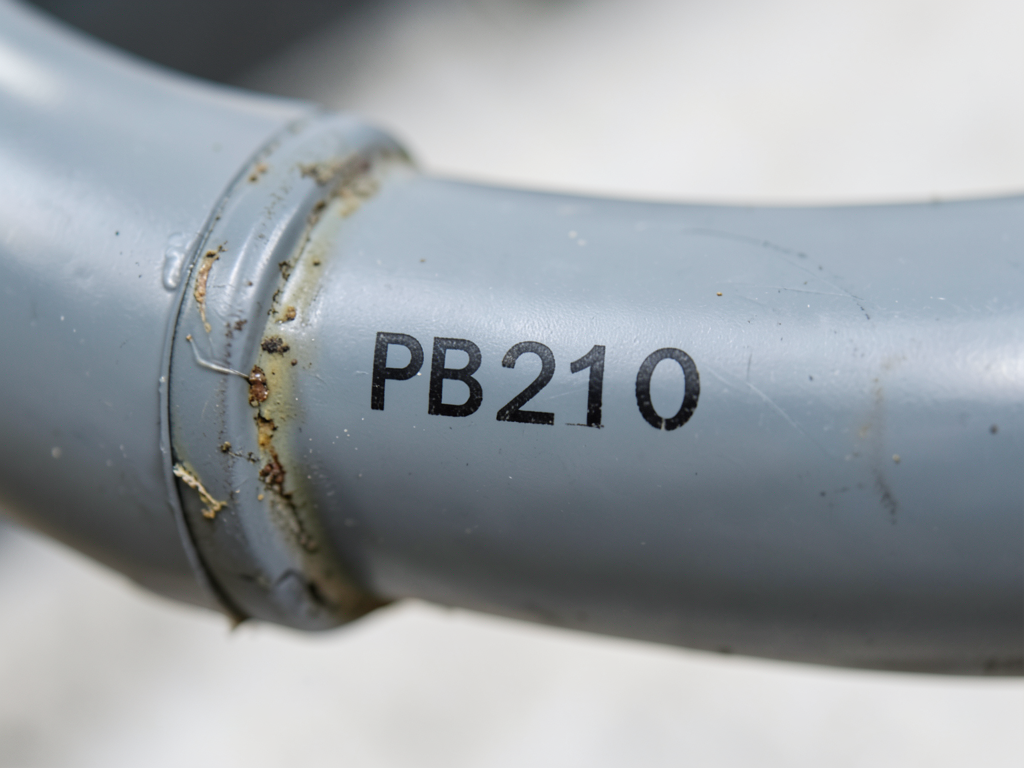
Close-up photo showing PB2110 stamp on gray polybutylene pipe with visible discoloration near fittings
Why San Antonio’s water chemistry makes polybutylene pipes fail faster
San Antonio’s water comes from the Edwards Aquifer and contains chlorine levels between 1.0 and 1.5 parts per million. While this keeps our water safe to drink, it creates a chemical reaction with polybutylene that accelerates pipe degradation. The chlorine breaks down the polymer chains in the plastic, making it brittle and prone to sudden failure.. Read more about The danger of running your water lines through a scorching San Antonio attic.
Northwest Side homes face an additional challenge. The area’s clay soil expands and contracts with moisture changes, putting stress on already weakened pipes. When polybutylene pipes fail, they often burst completely rather than just leaking slowly, causing thousands of dollars in damage within minutes.
According to the EPA’s water quality standards, chlorine levels above 0.2 ppm can accelerate degradation in certain plastics. San Antonio’s levels are five times that threshold, creating a perfect storm for polybutylene failure in our Northwest Side neighborhoods. EPA chlorine standards.
The insurance nightmare: Why San Antonio companies deny coverage
Most major insurance providers in Texas, including USAA, State Farm, and Allstate, have specific exclusions for polybutylene pipes. If your policy renews and an inspection finds these pipes, you’ll receive a cancellation notice. Some companies require pipe replacement before they’ll even write a new policy. Texas Commission on Environmental Quality.
Northwest Side homeowners have reported insurance denials specifically targeting homes in Castle Hills and Timberwood Park, where polybutylene was heavily installed. The Class Action Settlement from the 1990s (Cox vs. Shell Oil) provided some compensation, but many homeowners missed the claim deadline.
Without insurance, you’re one burst pipe away from financial disaster. A single flood can cost $10,000-$30,000 in repairs, and you’ll be paying out of pocket. The City of San Antonio Development Services now flags polybutylene during home inspections, making it nearly impossible to sell without replacement. Early Warning Signs of a Slab Leak in Your Alamo Heights Home.
PEX vs. Copper: What’s best for your Northwest Side replacement?
Modern PEX (cross-linked polyethylene) has become the standard for polybutylene replacement in San Antonio. It resists chlorine degradation, handles our temperature swings, and costs 40-50% less than copper. PEX also flexes with soil movement, reducing stress on connections.
Copper remains popular for its longevity and resale value. A properly installed copper system can last 50+ years. However, copper costs more upfront and can develop pinhole leaks in San Antonio’s hard water over time.
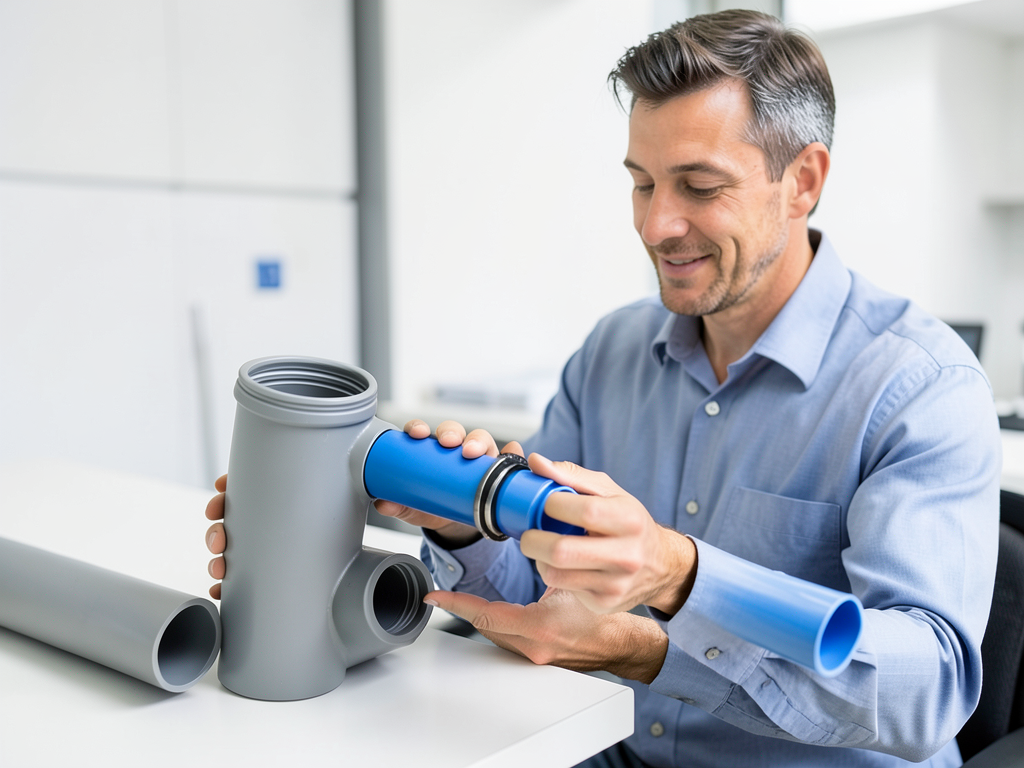
Technician comparing gray polybutylene pipe section with new blue PEX pipe showing expansion fittings
Here’s how the materials compare for Northwest Side homes:
| Material | Cost per Linear Foot | Lifespan in San Antonio | Chlorine Resistance |
|---|---|---|---|
| PEX (Expansion) | $0.50 – $1.00 | 30-50 years | Excellent |
| Copper Type L | $2.50 – $4.00 | 40-70 years | Good |
| CPVC | $0.75 – $1.25 | 20-30 years | Fair |
The complete repiping process for Northwest Side homes
Replacing polybutylene pipes in your Northwest Side home typically takes 3-5 days. The process starts with a comprehensive inspection to map your existing plumbing system and identify any hidden damage. Plumbing Boerne.
Step 1: We obtain the necessary permits from the City of San Antonio Development Services. This ensures your replacement meets all local code requirements and passes inspection.
Step 2: Our team creates minimal wall openings, usually near fixtures and in utility spaces. Northwest Side homes often have accessible attic spaces that make routing new pipes easier.
Step 3: We remove all polybutylene pipes and fittings, which crumble when handled due to chlorine damage. This step reveals any hidden water damage behind walls.
Step 4: New pipes are installed using manifolds for better water pressure and flow. We pressure test the entire system before closing walls.
Step 5: Drywall repair and painting restore your home to its original condition. Most Northwest Side homeowners are back to normal within a week. How We Repair Sewer Lines in King William Without Destroying the History.
Before and after slider showing polybutylene removal and PEX installation in a Castle Hills home
Cost factors for polybutylene replacement in San Antonio
The cost to replace polybutylene pipes in your Northwest Side home depends on several factors. A typical 2,000-square-foot home with 2 bathrooms ranges from $4,000 to $8,000 for PEX replacement.
Factors that increase costs include multiple stories, finished basements, and complex floor plans common in newer Northwest Side developments. Homes in older sections of Castle Hills might cost less due to simpler layouts and easier access.
Most San Antonio homeowners choose PEX for its balance of cost and durability. The material handles our temperature extremes better than PVC and resists the chlorine that destroyed your original pipes.
Don’t wait for the flood: Next steps for Northwest Side homeowners
If you suspect polybutylene pipes in your Northwest Side home, schedule a professional inspection today. The longer you wait, the higher your risk of sudden failure. Our team can complete a full inspection in about an hour and provide a detailed replacement plan. Safe and Professional Gas Line Repairs for Hollywood Park Residents.
Call (210) 374-7773 today to schedule your inspection before the next storm hits. Don’t let a $200 inspection turn into a $20,000 flood repair. Your home’s safety and insurability depend on making the right choice now.
Frequently Asked Questions
How can I tell if my home has polybutylene pipes?
Look for gray plastic pipes with “PB2110” markings, usually near water heaters, under sinks, or at the main water entry point. The pipes feel lightweight and slightly flexible. If you can easily scratch the surface with a screwdriver, it’s likely polybutylene.
Will replacing polybutylene pipes increase my home’s value?
Yes. Repiping with PEX or copper can increase your home’s value by $5,000 to $15,000 and makes it much easier to sell. Buyers and inspectors view polybutylene replacement as a major selling point in Northwest Side real estate.
How long does the repiping process take?
Most Northwest Side homes take 3-5 days for complete replacement. This includes inspection, permitting, pipe removal, new installation, pressure testing, and drywall repair. You’ll have water service each night during the process.
Is PEX safe for drinking water?
Yes. PEX is approved for potable water use and meets all EPA and local code requirements. It’s actually more resistant to San Antonio’s chlorine levels than the polybutylene it replaces.
Do I need permits to replace polybutylene pipes?
Yes. The City of San Antonio requires permits for whole-home repiping. We handle all permitting through Development Services and ensure your replacement passes inspection.
Call (210) 374-7773 today to schedule your inspection before the next storm hits.
{
“@context”: “https://schema.org”,
“@type”: “BlogPosting”,
“headline”: “Is that gray plastic plumbing in your 1990s Northwest Side home a ticking time bomb?”,
“description”: “San Antonio homeowners with 90s-era homes need to know the risks of polybutylene pipes before they fail. Learn how to identify, replace, and protect your home.”,
“wordCount”: 1372,
“datePublished”: “2026-05-26T11:13:00.000Z”,
“dateModified”: “2026-05-26T11:13:00.000Z”,
“inLanguage”: “en-US”,
“mainEntityOfPage”: {
“@type”: “WebPage”,
“@id”: “https://alphaplumbingsanantonio.com”
},
“publisher”: {
“@type”: “LocalBusiness”,
“name”: “Alpha Plumbing San Antonio”,
“url”: “https://alphaplumbingsanantonio.com”
},
“author”: {
“@type”: “Organization”,
“name”: “Alpha Plumbing San Antonio”,
“url”: “https://alphaplumbingsanantonio.com”
},
“image”: {
“@type”: “ImageObject”,
“url”: “https://alphaplumbingsanantonio.com/wp-content/uploads/2026/03/is-that-gray-plastic-plumbing-in-your-1990s-northw-1.png”
}
}
{
“@context”: “https://schema.org”,
“@type”: “Plumber”,
“name”: “Alpha Plumbing San Antonio”,
“url”: “https://alphaplumbingsanantonio.com”,
“address”: {
“@type”: “PostalAddress”,
“addressLocality”: “San Antonio”
},
“areaServed”: {
“@type”: “City”,
“name”: “San Antonio”
}
}
{
“@context”: “https://schema.org”,
“@type”: “FAQPage”,
“mainEntity”: [
{
“@type”: “Question”,
“name”: “PEX vs. Copper: What’s best for your Northwest Side replacement?”,
“acceptedAnswer”: {
“@type”: “Answer”,
“text”: “Modern PEX (cross-linked polyethylene) has become the standard for polybutylene replacement in San Antonio. It resists chlorine degradation, handles our temperature swings, and costs 40-50% less than copper. PEX also flexes with soil movement, reducing stress on connections.”
}
},
{
“@type”: “Question”,
“name”: “How can I tell if my home has polybutylene pipes?”,
“acceptedAnswer”: {
“@type”: “Answer”,
“text”: “Look for gray plastic pipes with \”PB2110\” markings, usually near water heaters, under sinks, or at the main water entry point. The pipes feel lightweight and slightly flexible. If you can easily scratch the surface with a screwdriver, it’s likely polybutylene.”
}
},
{
“@type”: “Question”,
“name”: “Will replacing polybutylene pipes increase my home’s value?”,
“acceptedAnswer”: {
“@type”: “Answer”,
“text”: “Yes. Repiping with PEX or copper can increase your home’s value by $5,000 to $15,000 and makes it much easier to sell. Buyers and inspectors view polybutylene replacement as a major selling point in Northwest Side real estate.”
}
},
{
“@type”: “Question”,
“name”: “How long does the repiping process take?”,
“acceptedAnswer”: {
“@type”: “Answer”,
“text”: “Most Northwest Side homes take 3-5 days for complete replacement. This includes inspection, permitting, pipe removal, new installation, pressure testing, and drywall repair. You’ll have water service each night during the process.”
}
},
{
“@type”: “Question”,
“name”: “Is PEX safe for drinking water?”,
“acceptedAnswer”: {
“@type”: “Answer”,
“text”: “Yes. PEX is approved for potable water use and meets all EPA and local code requirements. It’s actually more resistant to San Antonio’s chlorine levels than the polybutylene it replaces.”
}
},
{
“@type”: “Question”,
“name”: “Do I need permits to replace polybutylene pipes?”,
“acceptedAnswer”: {
“@type”: “Answer”,
“text”: “Yes. The City of San Antonio requires permits for whole-home repiping. We handle all permitting through Development Services and ensure your replacement passes inspection.”
}
}
]
}
{
“@context”: “https://schema.org”,
“@type”: “BreadcrumbList”,
“itemListElement”: [
{
“@type”: “ListItem”,
“position”: 1,
“name”: “Home”,
“item”: “https://alphaplumbingsanantonio.com”
},
{
“@type”: “ListItem”,
“position”: 2,
“name”: “Blog”,
“item”: “https://alphaplumbingsanantonio.com/blog”
},
{
“@type”: “ListItem”,
“position”: 3,
“name”: “Is that gray plastic plumbing in your 1990s Northwest Side home a ticking time bomb?”
}
]
}
{
“@context”: “https://schema.org”,
“@type”: “Service”,
“serviceType”: “Plumbing”,
“provider”: {
“@type”: “LocalBusiness”,
“name”: “Alpha Plumbing San Antonio”,
“url”: “https://alphaplumbingsanantonio.com”
},
“areaServed”: {
“@type”: “City”,
“name”: “San Antonio”
},
“description”: “San Antonio homeowners with 90s-era homes need to know the risks of polybutylene pipes before they fail. Learn how to identify, replace, and protect your home.”
}