
Managing moisture and pipe sweat in Mahncke Park crawl spaces
Mahncke Park homes built before the 1980s often feature pier-and-beam foundations that create crawl spaces beneath the living area. These spaces face unique challenges in San Antonio’s humid subtropical climate where summer dew points regularly exceed 70°F and winter cold fronts can drop temperatures below freezing. The combination of moisture-laden air meeting cold pipes creates condensation that drips onto wood framing and insulation, setting the stage for mold growth and structural decay. Emergency San Antonio Plumbers Who Actually Answer the Phone at Night.
Homeowners in the 78209 ZIP code area notice water stains on ceiling tiles below bathrooms or hear dripping sounds at night during temperature swings. The problem intensifies when Bexar County’s expansive clay soil shifts seasonally, creating hairline gaps around pipe penetrations that allow humid crawl space air to circulate freely. Left unchecked, this moisture cycle leads to corroded copper fittings, sagging insulation, and eventually costly floor joist repairs. EPA Mold and Moisture Control Guidelines.
Why Mahncke Park crawl spaces need special moisture management
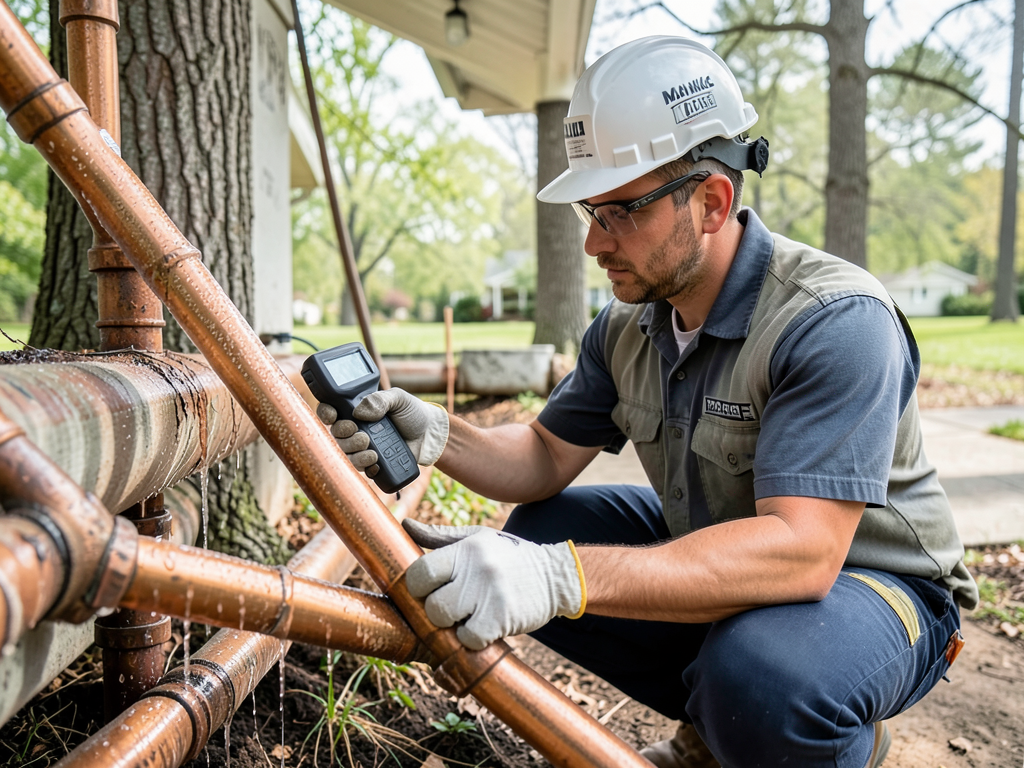
The Mahncke Park neighborhood sits on the northern edge of San Antonio’s Blackland Prairie, where clay-rich soils expand when wet and contract during dry spells. This movement puts stress on plumbing connections beneath pier-and-beam homes. When copper pipes carrying cold water from the main line encounter warm, humid crawl space air, moisture condenses on the exterior surface just like a cold glass of water sweats on a summer day. Plumbing Boerne.
San Antonio’s Building Code Section 25-10-420 requires crawl space ventilation in pier-and-beam construction, but many older Mahncke Park homes have inadequate venting or blocked foundation openings. The result is stagnant air that holds moisture against pipes and wood members. During winter, when temperatures drop suddenly, exposed pipes can freeze and burst if not properly insulated.
Common signs of moisture problems include:
- Damp insulation that smells musty when disturbed
- White mineral deposits on copper pipes (early corrosion)
- Wood rot at floor joist ends near plumbing penetrations
- Mold growth on subfloor surfaces
- Increased humidity levels inside the home above the crawl space
Diagnosing crawl space moisture issues
Professional plumbers use moisture meters to measure wood moisture content, which should stay below 16% to prevent rot. Readings above 20% indicate active moisture intrusion. A thermal camera can reveal cold spots where condensation forms on pipes, appearing as blue or purple areas in the infrared image. Safe and Professional Gas Line Repairs for Hollywood Park Residents.
The screwdriver test helps identify soft wood. Press a screwdriver into floor joists near plumbing penetrations. If it sinks easily, wood rot has begun. Check pipe hangers and supports for rust, which indicates prolonged moisture exposure. Look for rodent droppings, as mice and rats often nest in damp insulation and chew through PEX piping.
During inspection, measure crawl space humidity with a hygrometer. Levels above 60% relative humidity signal the need for intervention. Check for proper slope on drain lines; negative slope causes standing water that evaporates into crawl space air.
Moisture control solutions for Mahncke Park homes
The most effective approach combines vapor barriers, insulation, and ventilation improvements. A 6-mil polyethylene vapor barrier covering the entire crawl space floor prevents ground moisture from rising into the space. Overlap seams by 12 inches and seal to foundation walls with construction adhesive.
Insulate cold water pipes with closed-cell foam pipe insulation rated for underground use. This material resists moisture absorption and provides R-4 insulation value per inch. Insulate hot water pipes as well to prevent heat loss and reduce condensation on cold water lines nearby.
Install foundation vents with automatic louvers that close during cold weather to prevent frozen pipes while allowing ventilation during warmer months. The International Residential Code requires 1 square foot of vent opening per 150 square feet of crawl space floor area.
For severe moisture problems, consider a crawl space dehumidifier rated for continuous operation. These units remove 70-100 pints of water per day and include condensate pumps to drain water outside the foundation.. Read more about What to do when your AC condensate line floods your Northeast San Antonio home.
Preventing pipe sweat and condensation
Pipe sweat occurs when the pipe surface temperature drops below the dew point of surrounding air. In San Antonio’s climate, this happens frequently with cold water supply lines. The solution involves either warming the pipe or drying the air around it.
Electric heat trace cable wrapped around vulnerable pipes prevents freezing and raises surface temperature above the dew point. Thermostatically controlled cables activate only when temperatures approach freezing. For condensation prevention, increasing air circulation with fans helps evaporate moisture before it accumulates.
Seal all pipe penetrations through the subfloor with expanding foam or caulk to prevent humid air from the crawl space entering living spaces. This also blocks insect entry points. Check that bathroom and kitchen vent fans exhaust directly outside rather than into the crawl space. Commercial Kitchen Plumbing.
During extreme cold snaps, let faucets drip slightly to keep water moving through pipes. Moving water freezes at a lower temperature than standing water. Open cabinet doors under sinks to allow warm indoor air to circulate around plumbing.
Seasonal maintenance checklist for Mahncke Park crawl spaces
Spring: Check for winter damage after the last freeze. Inspect vapor barriers for tears and repair with seam tape. Clean foundation vents of debris and check that automatic louvers operate freely. How We Repair Sewer Lines in King William Without Destroying the History.
Summer: Monitor humidity levels weekly. Ensure dehumidifier drains properly and empty the collection tank if not connected to a pump. Check for termite tubes along foundation walls, as these pests thrive in moist environments.
Fall: Install or activate heat trace cable before the first freeze. Add or replace pipe insulation where damaged. Seal any new gaps around plumbing penetrations that may have opened due to soil movement.
Winter: During cold snaps, monitor crawl space temperature with a remote sensor. Keep foundation vents closed when temperatures drop below 32°F. Check for ice formation on pipes or in drain traps.
When to call a professional plumber
Certain crawl space moisture problems require professional intervention. Call a licensed plumber if you notice:
- Active water leaks from supply or drain lines
- Persistent musty odors despite ventilation improvements
- Visible mold covering more than 10 square feet
- Soft or sagging floor sections above the crawl space
- Standing water that won’t drain after rain
Professional plumbers have specialized equipment for crawl space work, including crawl suits, portable lighting, and moisture remediation tools. They can also coordinate with foundation repair specialists when soil movement has damaged plumbing connections.
For Mahncke Park homes, local plumbers understand the specific challenges of working in narrow crawl spaces with low clearance. They know which materials perform best in San Antonio’s climate and can recommend energy-efficient solutions that qualify for utility rebates.
Cost considerations and long-term savings
Basic moisture control measures cost between $800 and $2,500 depending on crawl space size. This includes vapor barrier installation, pipe insulation, and minor repairs. Dehumidification systems add $1,200 to $2,500 installed.
Compare these costs to potential damage from unchecked moisture: floor joist replacement averages $5,000 to $15,000, while mold remediation can exceed $10,000 for extensive growth. Insurance often excludes damage from long-term moisture problems, making prevention financially wise.
Energy savings provide additional return on investment. Homes with sealed, insulated crawl spaces typically see 15-20% reductions in heating and cooling costs. The EPA estimates that homeowners can save $200-$400 annually through improved moisture management.
Many San Antonio homeowners qualify for CPS Energy rebates on insulation and moisture control improvements. Check the CPS Energy website for current incentives before starting work.
Frequently Asked Questions
How do I know if my crawl space has a moisture problem?
Signs include musty odors in the home, condensation on windows, higher than normal humidity readings, visible mold growth, and soft spots in floors above the crawl space. A moisture meter reading above 16% in wood indicates active moisture issues.
Can I install a vapor barrier myself?
While DIY installation is possible, professional installation ensures proper sealing at seams and foundation walls. Professionals also address drainage issues and can install dehumidification systems simultaneously. Improper installation may trap moisture rather than solving the problem.
How often should crawl space insulation be replaced?
Fiberglass insulation in crawl spaces typically lasts 15-20 years but may need replacement sooner if exposed to moisture. Closed-cell foam insulation lasts longer but costs more initially. Inspect insulation annually and replace if it appears compressed, moldy, or water-stained.
Will improving crawl space ventilation increase my energy bills?
Properly designed ventilation actually improves energy efficiency by preventing moisture buildup that forces HVAC systems to work harder. The initial cost of professional ventilation improvements typically pays for itself within 2-3 years through energy savings and prevented damage.
What’s the difference between a vapor barrier and a moisture barrier?
A vapor barrier prevents water vapor from passing through, while a moisture barrier blocks liquid water. Most crawl space applications use reinforced polyethylene sheeting that serves as both a vapor and moisture barrier. The term “vapor barrier” is more common in building codes and industry standards.
Managing crawl space moisture in Mahncke Park requires understanding the unique intersection of San Antonio’s climate, local soil conditions, and older home construction methods. By addressing these factors systematically, homeowners can protect their investment and create healthier living environments. The cost of prevention is always less than the cost of repair.
Call (210) 374-7773 today to schedule your crawl space inspection. Our experienced technicians understand Mahncke Park’s specific challenges and can recommend solutions tailored to your home’s needs. Don’t wait until moisture damage becomes expensive structural repairs. For more information, visit Texas Tech University Pier and Beam Foundation Research.
{
“@context”: “https://schema.org”,
“@type”: “BlogPosting”,
“headline”: “Managing moisture and pipe sweat in Mahncke Park crawl spaces”,
“description”: “Expert tips for managing crawl space moisture and pipe sweat in Mahncke Park homes. Learn about vapor barriers, insulation, and San Antonio’s unique soil challenges.”,
“wordCount”: 1607,
“datePublished”: “2026-04-09T15:39:00.000Z”,
“dateModified”: “2026-04-09T15:39:00.000Z”,
“inLanguage”: “en-US”,
“mainEntityOfPage”: {
“@type”: “WebPage”,
“@id”: “https://alphaplumbingsanantonio.com”
},
“publisher”: {
“@type”: “LocalBusiness”,
“name”: “Alpha Plumbing San Antonio”,
“url”: “https://alphaplumbingsanantonio.com”
},
“author”: {
“@type”: “Organization”,
“name”: “Alpha Plumbing San Antonio”,
“url”: “https://alphaplumbingsanantonio.com”
},
“image”: {
“@type”: “ImageObject”,
“url”: “https://alphaplumbingsanantonio.com/wp-content/uploads/2026/03/managing-moisture-and-pipe-sweat-in-mahncke-park-c-1.png”
}
}
{
“@context”: “https://schema.org”,
“@type”: “Plumber”,
“name”: “Alpha Plumbing San Antonio”,
“url”: “https://alphaplumbingsanantonio.com”,
“address”: {
“@type”: “PostalAddress”,
“addressLocality”: “San Antonio”
},
“areaServed”: {
“@type”: “City”,
“name”: “San Antonio”
}
}
{
“@context”: “https://schema.org”,
“@type”: “FAQPage”,
“mainEntity”: [
{
“@type”: “Question”,
“name”: “How do I know if my crawl space has a moisture problem?”,
“acceptedAnswer”: {
“@type”: “Answer”,
“text”: “Signs include musty odors in the home, condensation on windows, higher than normal humidity readings, visible mold growth, and soft spots in floors above the crawl space. A moisture meter reading above 16% in wood indicates active moisture issues.”
}
},
{
“@type”: “Question”,
“name”: “Can I install a vapor barrier myself?”,
“acceptedAnswer”: {
“@type”: “Answer”,
“text”: “While DIY installation is possible, professional installation ensures proper sealing at seams and foundation walls. Professionals also address drainage issues and can install dehumidification systems simultaneously. Improper installation may trap moisture rather than solving the problem.”
}
},
{
“@type”: “Question”,
“name”: “How often should crawl space insulation be replaced?”,
“acceptedAnswer”: {
“@type”: “Answer”,
“text”: “Fiberglass insulation in crawl spaces typically lasts 15-20 years but may need replacement sooner if exposed to moisture. Closed-cell foam insulation lasts longer but costs more initially. Inspect insulation annually and replace if it appears compressed, moldy, or water-stained.”
}
},
{
“@type”: “Question”,
“name”: “Will improving crawl space ventilation increase my energy bills?”,
“acceptedAnswer”: {
“@type”: “Answer”,
“text”: “Properly designed ventilation actually improves energy efficiency by preventing moisture buildup that forces HVAC systems to work harder. The initial cost of professional ventilation improvements typically pays for itself within 2-3 years through energy savings and prevented damage.”
}
},
{
“@type”: “Question”,
“name”: “What’s the difference between a vapor barrier and a moisture barrier?”,
“acceptedAnswer”: {
“@type”: “Answer”,
“text”: “A vapor barrier prevents water vapor from passing through, while a moisture barrier blocks liquid water. Most crawl space applications use reinforced polyethylene sheeting that serves as both a vapor and moisture barrier. The term \”vapor barrier\” is more common in building codes and industry standards.”
}
}
]
}
{
“@context”: “https://schema.org”,
“@type”: “BreadcrumbList”,
“itemListElement”: [
{
“@type”: “ListItem”,
“position”: 1,
“name”: “Home”,
“item”: “https://alphaplumbingsanantonio.com”
},
{
“@type”: “ListItem”,
“position”: 2,
“name”: “Blog”,
“item”: “https://alphaplumbingsanantonio.com/blog”
},
{
“@type”: “ListItem”,
“position”: 3,
“name”: “Managing moisture and pipe sweat in Mahncke Park crawl spaces”
}
]
}
{
“@context”: “https://schema.org”,
“@type”: “Service”,
“serviceType”: “Plumbing”,
“provider”: {
“@type”: “LocalBusiness”,
“name”: “Alpha Plumbing San Antonio”,
“url”: “https://alphaplumbingsanantonio.com”
},
“areaServed”: {
“@type”: “City”,
“name”: “San Antonio”
},
“description”: “Expert tips for managing crawl space moisture and pipe sweat in Mahncke Park homes. Learn about vapor barriers, insulation, and San Antonio’s unique soil challenges.”
}