
Planning the plumbing and drainage for a new workshop or hobby shed in Beacon Hill
Adding water and waste lines to a backyard workshop in Beacon Hill requires careful planning around San Antonio’s unique soil conditions, building codes, and SAWS regulations. The limestone-rich clay soil in this historic neighborhood makes trenching challenging, while the City of San Antonio Development Services mandates specific permits for accessory structures with plumbing. Whether you’re building a she-shed, home office, or workshop, understanding the technical requirements and local restrictions will save you time and prevent costly mistakes. SAWS (San Antonio Water System).
Understanding San Antonio’s plumbing permit requirements for backyard structures
Before installing any plumbing in your Beacon Hill workshop, you must navigate the City of San Antonio’s permit process. The Development Services Department requires permits for any accessory structure with plumbing fixtures, including sinks, toilets, or showers. SAWS (San Antonio Water System) also mandates backflow prevention devices and specific tie-in requirements for any new water service. City of San Antonio Development Services.
The permitting process typically takes 2-4 weeks and requires detailed site plans showing the structure’s location relative to property lines, existing utilities, and the main sewer line. Beacon Hill’s historic character means some properties may have additional restrictions from the Historic Design and Review Commission, particularly for structures visible from the street. How We Repair Sewer Lines in King William Without Destroying the History.
Common permit costs in Beacon Hill range from $300-$800 depending on the complexity of your plumbing plan. You’ll need to submit engineering calculations for trench depth, pipe sizing, and load-bearing considerations for the foundation. Plumbing Boerne.
Designing your workshop’s water supply system
The water supply design for your Beacon Hill workshop depends on your intended use. A simple cold-water line for a utility sink requires different planning than a full bathroom setup. PEX piping has become the standard choice for shed installations due to its flexibility and freeze resistance, though PVC remains common for cold-water supply lines.. Read more about The danger of running your water lines through a scorching San Antonio attic.
For basic workshop needs, a 1/2-inch PEX line typically suffices. Full bathroom installations require 3/4-inch supply lines to handle multiple fixtures. The main supply line must include a shut-off valve at the shed and a pressure-reducing valve if your home’s pressure exceeds 80 PSI.
Freeze protection is critical in San Antonio’s occasional hard freezes. Insulating all exposed pipes and installing heat tape on critical lines prevents costly damage. The frost line in Bexar County is approximately 12 inches, but local building codes often require 18-inch burial depth for added protection. Emergency San Antonio Plumbers Who Actually Answer the Phone at Night.
Trenching through Beacon Hill’s limestone and clay soil
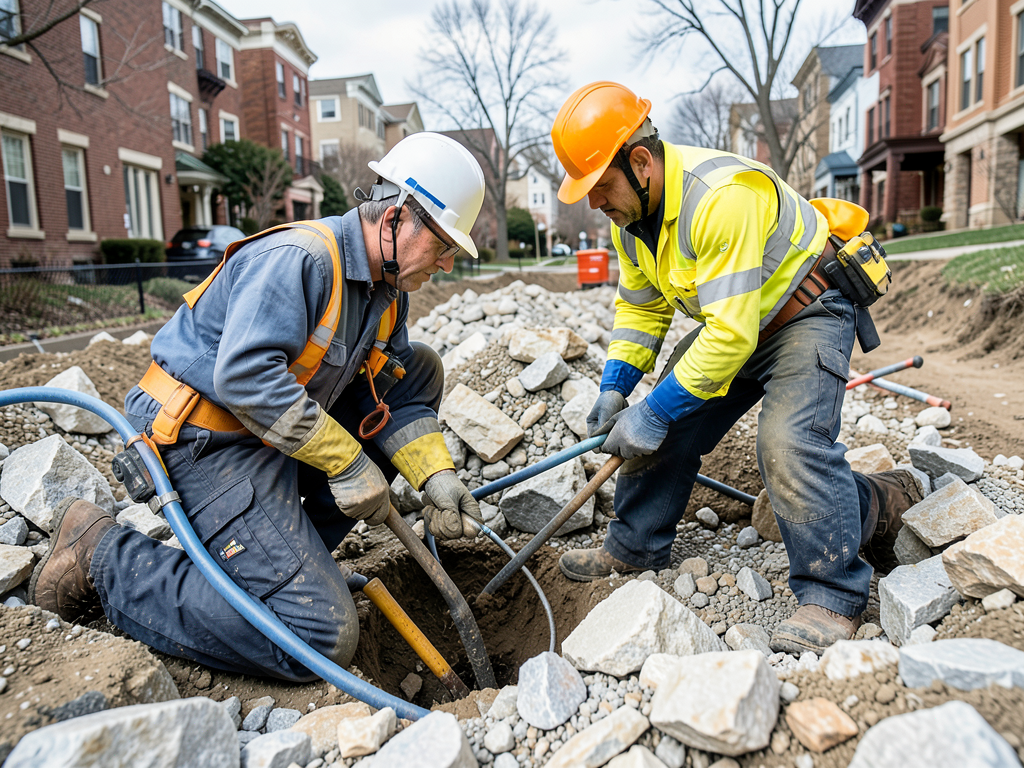
Trenching for plumbing lines in Beacon Hill presents unique challenges due to the area’s limestone bedrock and heavy clay soil. The soil composition requires specialized equipment and techniques different from sandy or loamy soils found in other parts of San Antonio.
Professional trenching typically involves using a rock saw or jackhammer to cut through limestone layers before excavating the clay beneath. Trench depth must reach at least 18 inches to meet code requirements and protect against freeze damage. The trench width should be 12-18 inches to allow proper bedding and compaction around the pipes. Safe and Professional Gas Line Repairs for Hollywood Park Residents.
Beacon Hill’s soil contains high clay content that expands when wet and contracts during dry periods. This movement can stress buried pipes over time. Using flexible PEX piping and proper bedding material (clean sand or gravel) helps accommodate soil movement without causing pipe failure.
Connecting to SAWS sewer system and drainage requirements
Drainage planning for your Beacon Hill workshop depends on your specific needs and SAWS regulations. Connecting to the main sewer line requires locating the existing lateral line and ensuring proper slope for gravity drainage. The minimum slope requirement is 1/4 inch per foot for 4-inch PVC drain lines.
If your workshop is too far from the main sewer line or elevation makes gravity drainage impossible, a macerating pump system becomes necessary. These systems grind waste and pump it uphill to the main sewer connection. They’re more expensive but solve challenging drainage scenarios common in Beacon Hill’s older properties with complex underground layouts.
Every drainage system must include a cleanout access point within 5 feet of the main connection. This allows for future maintenance and clearing of potential blockages. SAWS requires all connections to be inspected before backfilling the trench.
Ventilation and code compliance for shed plumbing
Proper venting is essential for any plumbing system with fixtures that have traps. Without adequate venting, you’ll experience slow drainage, gurgling sounds, and potential trap seal loss that allows sewer gases into your workshop. The International Plumbing Code (IPC) requires vents to extend through the roof or connect to the home’s existing vent system.
For a simple utility sink, an air admittance valve (AAV) may suffice, but SAWS and the City of San Antonio often require traditional venting for permanent structures. AAVs are mechanical devices that allow air into the drain system without requiring roof penetration, making them popular for shed installations.
Backflow prevention is mandatory for any connection to the potable water supply. A reduced pressure principle assembly (RPZ) or double-check valve assembly prevents contaminated water from flowing back into your home’s water system during pressure drops or backflow conditions.

Cost factors and budgeting for your Beacon Hill workshop plumbing
The total cost of adding plumbing to your Beacon Hill workshop varies significantly based on distance from existing utilities, soil conditions, and fixture requirements. Basic cold-water line installation typically costs $1,500-$3,000, while a complete bathroom setup can range from $5,000-$12,000.
Key cost factors include permit fees ($300-$800), trenching labor ($15-$25 per linear foot in rocky soil), materials ($500-$3,000 depending on complexity), and professional installation ($2,000-$6,000). Additional costs may include foundation modifications, electrical work for pumps or heat tape, and landscaping restoration.. Read more about Installing a professional dog wash station in your Cross Mountain mudroom.
DIY installation might seem cost-effective, but mistakes can lead to expensive repairs or code violations. Professional plumbers understand local requirements and can complete the work efficiently while ensuring compliance with all regulations.
Common mistakes that lead to shed plumbing failures
Many DIY shed plumbing projects fail due to common oversights that professionals avoid. Insufficient trench depth is the most frequent error, leaving pipes vulnerable to freeze damage during San Antonio’s occasional cold snaps. Using incorrect pipe materials or failing to provide proper support leads to leaks and breaks.
Improper slope is another critical mistake. Drain lines require specific gradients for proper flow. Too little slope causes slow drainage and clogs, while too much slope can leave solids behind, creating blockages. The 1/4 inch per foot minimum is not optional—it’s a code requirement.
Neglecting to pressure-test the system before backfilling is a costly error. Finding leaks after the trench is covered requires extensive excavation to repair. Professional plumbers always test at 1.5 times the working pressure for at least 15 minutes before final inspection.
Winterizing your Beacon Hill workshop plumbing
San Antonio’s climate includes occasional hard freezes that can damage unprotected plumbing. Even brief temperature drops below 32°F can cause pipes to burst if they’re not properly insulated. Winterizing your workshop plumbing prevents costly emergency repairs.
Key winterization steps include insulating all exposed pipes with foam insulation, installing heat tape on critical lines, and ensuring proper drainage of exterior lines. For seasonal use structures, installing a dedicated shut-off valve inside the heated space allows you to drain the entire system during freezing weather.
Beacon Hill’s older homes often have less efficient insulation than newer construction. This makes proper pipe insulation even more critical for workshop plumbing running near exterior walls or in unheated spaces.
Choosing between PEX and PVC for your shed plumbing
The choice between PEX and PVC piping affects your project’s cost, durability, and ease of installation. PEX offers superior freeze resistance and flexibility, making it ideal for the trenching challenges in Beacon Hill’s rocky soil. It expands slightly when frozen, reducing burst risk.
PVC remains popular for its lower cost and ease of joining with solvent cement. However, it becomes brittle in cold temperatures and requires more precise cutting and fitting. For hot water lines, PEX is the only viable option as PVC cannot handle elevated temperatures.
Professional plumbers often use PEX for supply lines and PVC for drain lines, leveraging the strengths of each material. This hybrid approach provides the best balance of cost, performance, and code compliance.
Getting professional help for your Beacon Hill workshop plumbing
Professional installation ensures your workshop plumbing meets all local codes and functions reliably for years. Licensed plumbers understand Beacon Hill’s specific challenges, including the soil conditions, permit requirements, and SAWS regulations that affect your project.
A professional assessment can identify potential issues before you begin, such as the location of existing utilities, soil stability concerns, or drainage challenges. This upfront evaluation often saves money by preventing costly mid-project changes or repairs.
Professional plumbers also handle the permit process, coordinate inspections, and provide warranties on their work. This peace of mind is valuable for a project that involves your home’s water supply and waste systems.
Ready to add reliable plumbing to your Beacon Hill workshop? Call (210) 374-7773 today to schedule a free consultation. Our team understands the unique requirements of Beacon Hill properties and can ensure your project meets all local codes while staying within your budget.
Frequently Asked Questions
Do I need a permit for plumbing in my backyard shed?
Yes. The City of San Antonio requires permits for any accessory structure with plumbing fixtures. This includes sinks, toilets, and showers. The permit process ensures your installation meets all safety codes and SAWS requirements.
How deep should plumbing trenches be in Beacon Hill?
Local codes require a minimum of 18 inches depth for buried plumbing lines. This provides protection against freeze damage and meets code requirements. The actual depth may need to be greater depending on soil conditions and utility locations.
Can I use PEX piping for my shed plumbing?
Yes. PEX is actually the preferred material for many shed plumbing applications due to its freeze resistance and flexibility. It’s particularly well-suited for the trenching challenges in Beacon Hill’s rocky soil. PEX can expand slightly when frozen, reducing burst risk.
How much does it cost to add plumbing to a backyard workshop?
Costs vary widely based on complexity. A basic cold-water line typically costs $1,500-$3,000, while a complete bathroom setup ranges from $5,000-$12,000. Factors affecting cost include permit fees, trenching requirements, distance from existing utilities, and fixture choices.
You may also find this helpful. Keeping the floor drains in your San Antonio garage from drying out and smelling.
{
“@context”: “https://schema.org”,
“@type”: “BlogPosting”,
“headline”: “Planning the plumbing and drainage for a new workshop or hobby shed in Beacon Hill”,
“description”: “Complete guide to adding plumbing to your backyard shed in Beacon Hill. Learn San Antonio codes, SAWS requirements, and professional installation for your she-shed.”,
“wordCount”: 1747,
“datePublished”: “2026-05-29T08:49:00.000Z”,
“dateModified”: “2026-05-29T08:49:00.000Z”,
“inLanguage”: “en-US”,
“mainEntityOfPage”: {
“@type”: “WebPage”,
“@id”: “https://alphaplumbingsanantonio.com”
},
“publisher”: {
“@type”: “LocalBusiness”,
“name”: “Alpha Plumbing San Antonio”,
“url”: “https://alphaplumbingsanantonio.com”
},
“author”: {
“@type”: “Organization”,
“name”: “Alpha Plumbing San Antonio”,
“url”: “https://alphaplumbingsanantonio.com”
},
“image”: {
“@type”: “ImageObject”,
“url”: “https://alphaplumbingsanantonio.com/wp-content/uploads/2026/03/planning-the-plumbing-and-drainage-for-a-new-works-1.png”
}
}
{
“@context”: “https://schema.org”,
“@type”: “Plumber”,
“name”: “Alpha Plumbing San Antonio”,
“url”: “https://alphaplumbingsanantonio.com”,
“address”: {
“@type”: “PostalAddress”,
“addressLocality”: “San Antonio”
},
“areaServed”: {
“@type”: “City”,
“name”: “San Antonio”
}
}
{
“@context”: “https://schema.org”,
“@type”: “FAQPage”,
“mainEntity”: [
{
“@type”: “Question”,
“name”: “Do I need a permit for plumbing in my backyard shed?”,
“acceptedAnswer”: {
“@type”: “Answer”,
“text”: “Yes. The City of San Antonio requires permits for any accessory structure with plumbing fixtures. This includes sinks, toilets, and showers. The permit process ensures your installation meets all safety codes and SAWS requirements.”
}
},
{
“@type”: “Question”,
“name”: “How deep should plumbing trenches be in Beacon Hill?”,
“acceptedAnswer”: {
“@type”: “Answer”,
“text”: “Local codes require a minimum of 18 inches depth for buried plumbing lines. This provides protection against freeze damage and meets code requirements. The actual depth may need to be greater depending on soil conditions and utility locations.”
}
},
{
“@type”: “Question”,
“name”: “Can I use PEX piping for my shed plumbing?”,
“acceptedAnswer”: {
“@type”: “Answer”,
“text”: “Yes. PEX is actually the preferred material for many shed plumbing applications due to its freeze resistance and flexibility. It’s particularly well-suited for the trenching challenges in Beacon Hill’s rocky soil. PEX can expand slightly when frozen, reducing burst risk.”
}
},
{
“@type”: “Question”,
“name”: “How much does it cost to add plumbing to a backyard workshop?”,
“acceptedAnswer”: {
“@type”: “Answer”,
“text”: “Costs vary widely based on complexity. A basic cold-water line typically costs $1,500-$3,000, while a complete bathroom setup ranges from $5,000-$12,000. Factors affecting cost include permit fees, trenching requirements, distance from existing utilities, and fixture choices.”
}
}
]
}
{
“@context”: “https://schema.org”,
“@type”: “BreadcrumbList”,
“itemListElement”: [
{
“@type”: “ListItem”,
“position”: 1,
“name”: “Home”,
“item”: “https://alphaplumbingsanantonio.com”
},
{
“@type”: “ListItem”,
“position”: 2,
“name”: “Blog”,
“item”: “https://alphaplumbingsanantonio.com/blog”
},
{
“@type”: “ListItem”,
“position”: 3,
“name”: “Planning the plumbing and drainage for a new workshop or hobby shed in Beacon Hill”
}
]
}
{
“@context”: “https://schema.org”,
“@type”: “Service”,
“serviceType”: “Plumbing”,
“provider”: {
“@type”: “LocalBusiness”,
“name”: “Alpha Plumbing San Antonio”,
“url”: “https://alphaplumbingsanantonio.com”
},
“areaServed”: {
“@type”: “City”,
“name”: “San Antonio”
},
“description”: “Complete guide to adding plumbing to your backyard shed in Beacon Hill. Learn San Antonio codes, SAWS requirements, and professional installation for your she-shed.”
}