
Stop Wasting Money on a Running Toilet in Great Northwest San Antonio
Does your toilet run continuously or refill on its own? You’re not just hearing an annoyance—you’re watching money disappear down the drain. A single leaking toilet can waste 200 gallons of water per day, adding $50-$100 to your monthly water bill. In Great Northwest San Antonio, where the Edwards Aquifer already faces seasonal pressure, fixing that running toilet isn’t just smart—it’s essential. San Antonio Water System.
The sound of a constantly running toilet or the sight of water trickling into the bowl hours after flushing are classic signs of internal leaks. These problems are common in older homes throughout the Great Northwest area, where hard water from the Edwards Aquifer causes mineral buildup that degrades toilet components faster than in other regions. The good news? Most running toilet issues can be diagnosed and repaired in under an hour, saving you hundreds of dollars annually. EPA WaterSense program.
How to Identify a Running Toilet Problem
Before calling a plumber, you can perform a simple diagnostic test. Remove the tank lid and add a few drops of food coloring to the water. Wait 15-20 minutes without flushing. If color appears in the bowl, you have a leak. This test works because it reveals whether water is seeping past the flapper valve—the most common failure point in San Antonio toilets. Emergency San Antonio Plumbers Who Actually Answer the Phone at Night.
Common symptoms of a running toilet include:
- Phantom flushing—the toilet refills as if someone flushed it
- Constant trickling sounds from the tank
- Water rippling in the bowl between uses
- Higher-than-normal water bills without increased usage
In Great Northwest San Antonio, where homes range from 1980s construction to newer developments, the age and water quality of your home directly impacts toilet component lifespan. Homes built before 1990 often have original parts that have degraded significantly due to our mineral-rich water supply. Low Water Pressure Issues.
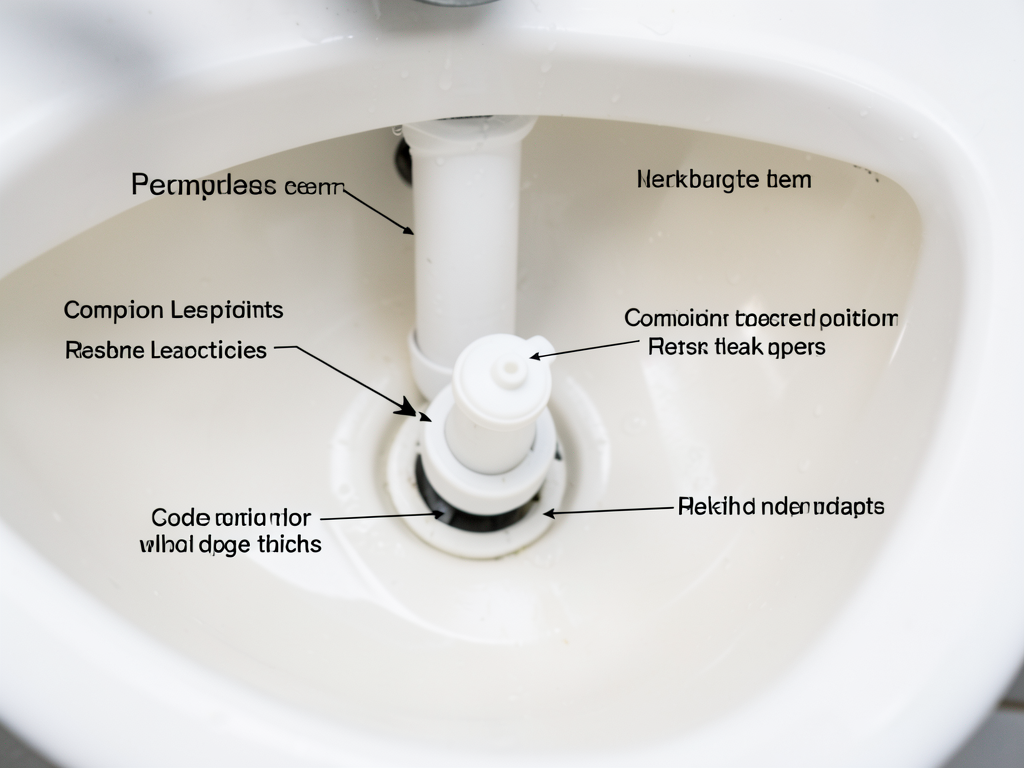
Image Description: Close-up of a toilet tank showing the flapper valve, fill valve, and overflow tube with labels identifying each component and common leak points.
Common Causes of Running Toilets in San Antonio Homes
Understanding what’s causing your toilet to run helps you decide whether to attempt a DIY fix or call a professional. In Great Northwest San Antonio, we see these issues repeatedly:. Read more about Choosing a High Efficiency Toilet for Your Heritage Hill Remodel.
Worn Flapper Valve
The rubber flapper creates a seal between the tank and bowl. Over time, hard water minerals and chlorine from our municipal supply cause the rubber to warp, crack, or become covered in a white mineral scale. When the flapper doesn’t seal properly, water continuously leaks from the tank into the bowl.. Read more about Finding Hidden Water Leaks in Your Shavano Park Home Before They Do Damage.
Faulty Fill Valve
The fill valve controls water entering the tank after each flush. A malfunctioning fill valve might not shut off completely, causing water to continuously flow into the overflow tube. This creates that classic running sound and wastes water directly down the drain. Drain Cleaning & Rooter Service.
Misaligned or Broken Chain
The chain connecting the flush handle to the flapper can become tangled, too loose, or too tight. When misaligned, the flapper may not seat properly, allowing water to leak past it. This is often the easiest fix—simply adjusting or replacing the chain.. Read more about Best Water Filtration Options for the High Mineral Content in Hill Country Village.
High Water Pressure
Great Northwest San Antonio homes sometimes experience water pressure above 80 PSI, especially during peak usage times. Excessive pressure forces water past seals and valves that would otherwise function correctly. SAWS recommends pressure-reducing valves for homes experiencing this issue.
DIY Repair vs. Professional Service: What’s Right for You?
Deciding whether to tackle a running toilet repair yourself depends on your comfort level with basic plumbing and the specific problem you’re facing. Here’s a comparison to help you decide: Plumbing Boerne.
| DIY Repair | Professional Service | Best For |
|---|---|---|
| Cost: $5-$25 for parts | Cost: $75-$150 labor + parts | Simple flapper replacement |
| Time: 15-30 minutes | Time: 30-60 minutes | Multiple component issues |
| Tools needed: screwdriver, pliers | No tools required | Hard water damage or corrosion |
| Risk: Minimal if water is off | Warranty on parts and labor | Emergency situations |
For most Great Northwest San Antonio homeowners, replacing a worn flapper is a straightforward DIY project. However, if you’re dealing with a faulty fill valve, corroded components, or if your toilet is more than 15 years old, professional service often proves more cost-effective in the long run.
Step-by-Step: How to Fix a Running Toilet
If you decide to tackle the repair yourself, follow these steps carefully:
- Turn Off Water Supply
Locate the shut-off valve behind the toilet and turn it clockwise until it stops. Flush the toilet to empty the tank completely.
- Identify the Problem Component
Remove the tank lid and inspect the flapper, chain, and fill valve. Look for mineral buildup, cracks, or misalignment.
- Replace the Flapper
Unhook the old flapper from the overflow tube and disconnect the chain. Install the new flapper, ensuring it seats properly over the flush valve opening.
- Adjust the Chain Length
The chain should have about 1/2 inch of slack when the flapper is closed. Too much slack prevents proper sealing; too little prevents the flapper from closing completely.
- Test Your Repair
Turn the water back on and let the tank fill. Perform the food coloring test again to confirm the leak is fixed.
If these steps don’t resolve the issue, the problem likely involves the fill valve or could be related to water pressure issues specific to your Great Northwest neighborhood. Homes near major water mains or at the end of supply lines often experience pressure fluctuations that affect toilet performance.
When to Call a Professional Plumber
While many running toilet issues are DIY-friendly, certain situations require professional expertise. Call a plumber if:
- Your toilet is more than 15-20 years old and shows multiple signs of wear
- You notice water damage around the base of the toilet
- The problem recurs within weeks of repair
- You’re experiencing issues with multiple toilets in your home
- Your water pressure seems excessively high or fluctuates dramatically
In Great Northwest San Antonio, we also see unique challenges related to our local water quality. The high mineral content in Edwards Aquifer water causes toilet components to degrade faster than in other regions. A professional plumber familiar with local conditions can recommend upgraded parts designed to withstand our specific water chemistry.
Water Conservation and Cost Savings
Fixing a running toilet isn’t just about stopping an annoying sound—it’s about conserving water and saving money. According to SAWS (San Antonio Water System), a single leaking toilet can waste up to 7,000 gallons of water per month. At current San Antonio rates, that’s approximately $50-$100 in wasted water.
Beyond the immediate cost savings, repairing leaks helps protect our Edwards Aquifer, which supplies water to over 2 million people in the San Antonio region. SAWS offers water conservation rebates and programs that reward homeowners for fixing leaks and installing water-efficient fixtures.
Consider these water-saving facts:
- A running toilet can waste more water in a day than a family of four uses for all purposes
- Fixing household leaks can reduce water bills by 10% on average
- High-efficiency toilets use 1.28 gallons per flush versus 3.5+ gallons for older models
If your toilet is over 10 years old, replacing it with a WaterSense-certified model might be more cost-effective than repeated repairs. Modern high-efficiency toilets can save a family of four up to 13,000 gallons of water annually.
Preventing Future Toilet Problems
Once you’ve fixed your running toilet, take these steps to prevent future issues:
- Install a water softener if you haven’t already—this reduces mineral buildup on all plumbing components
- Check toilet components annually for signs of wear or mineral deposits
- Consider upgrading to a toilet with a brass or stainless steel flush valve, which resists corrosion better than plastic
- Test for leaks quarterly using the food coloring method
- Install a pressure-reducing valve if your home’s water pressure exceeds 80 PSI
Great Northwest San Antonio homeowners should be particularly vigilant about toilet maintenance due to our hard water conditions. The calcium and magnesium in our water supply create scale buildup that accelerates component wear.
Local Plumbing Services in Great Northwest San Antonio
When you need professional help with a running toilet or any plumbing issue in Great Northwest San Antonio, it’s important to choose a plumber familiar with local water conditions and building codes. Our area’s unique combination of Edwards Aquifer water, varying home ages, and specific plumbing challenges requires specialized knowledge. Plumbing Leon Valley.
Local plumbers understand that homes in the Great Northwest area often face specific issues:
- Hard water damage to rubber and plastic components
- Pressure fluctuations due to proximity to major water mains
- Older homes with outdated plumbing fixtures
- Newer constructions with specific manufacturer requirements
Professional plumbers in our area typically carry specialized tools for diagnosing toilet leaks, including ultrasonic leak detectors and pressure gauges. They also stock parts designed to withstand our local water conditions, reducing the likelihood of repeat failures.
Frequently Asked Questions
How much water does a running toilet waste?
A moderate toilet leak can waste 30-50 gallons per day, while a severe leak might waste 200+ gallons daily. Over a month, this adds up to 900-6,000 gallons of wasted water.
Can a running toilet increase my water bill?
Yes, significantly. A single leaking toilet can add $50-$100 to your monthly water bill, depending on the severity of the leak and current water rates in San Antonio.
How long does it take to fix a running toilet?
A simple flapper replacement takes 15-30 minutes. More complex repairs involving fill valves or multiple components typically take 30-60 minutes for a professional plumber.
Should I repair or replace my old toilet?
If your toilet is over 15 years old and requires frequent repairs, replacement is often more cost-effective. New high-efficiency toilets can pay for themselves through water savings within 2-3 years.
What causes a toilet to run intermittently?
Intermittent running, also called “ghost flushing,” is usually caused by a slow leak through the flapper valve. Mineral buildup or a warped flapper prevents a complete seal, allowing water to slowly leak into the bowl until the fill valve activates.

Image Description: Technician using a pressure gauge to test home water pressure at an outdoor hose bib, demonstrating proper diagnostic procedures for plumbing issues.
Image Description: Before and after comparison showing mineral buildup on old toilet components versus clean, new replacement parts installed in a Great Northwest San Antonio home.
Take Action Today
A running toilet isn’t just an annoyance—it’s money flowing down the drain every minute. Whether you choose to tackle the repair yourself or call a professional, addressing the issue promptly will save you money and conserve our precious water resources.
For most Great Northwest San Antonio homeowners, the first step is simple: perform the food coloring test to confirm you have a leak. If you discover a problem, decide whether DIY repair or professional service makes more sense for your situation.
Remember that our local water conditions in Great Northwest San Antonio mean toilet components may need more frequent replacement than in other regions. Don’t feel discouraged if you need to replace parts more often—it’s a normal consequence of our excellent but mineral-rich water supply.
Ready to stop wasting money on a running toilet? Call (210) 374-7773 today to schedule your repair. Our experienced plumbers understand the unique challenges of Great Northwest San Antonio homes and can fix your running toilet quickly and correctly the first time.
Don’t let another day of wasted water add to your utility bill. Pick up the phone and call (210) 374-7773 now to schedule your toilet repair. Your wallet—and our Edwards Aquifer—will thank you.
{
“@context”: “https://schema.org”,
“@type”: “BlogPosting”,
“headline”: “Stop Wasting Money on a Running Toilet in Great Northwest San Antonio”,
“description”: “A running toilet wastes gallons of water daily. Learn how to diagnose and fix common toilet leaks in Great Northwest San Antonio before your water bill skyrockets.”,
“wordCount”: 1938,
“datePublished”: “2026-02-19T12:06:00.000Z”,
“dateModified”: “2026-02-19T12:06:00.000Z”,
“inLanguage”: “en-US”,
“mainEntityOfPage”: {
“@type”: “WebPage”,
“@id”: “https://alphaplumbingsanantonio.com”
},
“publisher”: {
“@type”: “LocalBusiness”,
“name”: “Alpha Plumbing San Antonio”,
“url”: “https://alphaplumbingsanantonio.com”
},
“author”: {
“@type”: “Organization”,
“name”: “Alpha Plumbing San Antonio”,
“url”: “https://alphaplumbingsanantonio.com”
},
“image”: {
“@type”: “ImageObject”,
“url”: “https://alphaplumbingsanantonio.com/wp-content/uploads/2026/03/stop-wasting-money-on-a-running-toilet-in-great-no-1.png”
}
}
{
“@context”: “https://schema.org”,
“@type”: “Plumber”,
“name”: “Alpha Plumbing San Antonio”,
“url”: “https://alphaplumbingsanantonio.com”,
“address”: {
“@type”: “PostalAddress”,
“addressLocality”: “San Antonio”
},
“areaServed”: {
“@type”: “City”,
“name”: “San Antonio”
}
}
{
“@context”: “https://schema.org”,
“@type”: “FAQPage”,
“mainEntity”: [
{
“@type”: “Question”,
“name”: “DIY Repair vs. Professional Service: What’s Right for You?”,
“acceptedAnswer”: {
“@type”: “Answer”,
“text”: “Deciding whether to tackle a running toilet repair yourself depends on your comfort level with basic plumbing and the specific problem you’re facing. Here’s a comparison to help you decide: Plumbing Boerne.”
}
},
{
“@type”: “Question”,
“name”: “How much water does a running toilet waste?”,
“acceptedAnswer”: {
“@type”: “Answer”,
“text”: “A moderate toilet leak can waste 30-50 gallons per day, while a severe leak might waste 200+ gallons daily. Over a month, this adds up to 900-6,000 gallons of wasted water.”
}
},
{
“@type”: “Question”,
“name”: “Can a running toilet increase my water bill?”,
“acceptedAnswer”: {
“@type”: “Answer”,
“text”: “Yes, significantly. A single leaking toilet can add $50-$100 to your monthly water bill, depending on the severity of the leak and current water rates in San Antonio.”
}
},
{
“@type”: “Question”,
“name”: “How long does it take to fix a running toilet?”,
“acceptedAnswer”: {
“@type”: “Answer”,
“text”: “A simple flapper replacement takes 15-30 minutes. More complex repairs involving fill valves or multiple components typically take 30-60 minutes for a professional plumber.”
}
},
{
“@type”: “Question”,
“name”: “Should I repair or replace my old toilet?”,
“acceptedAnswer”: {
“@type”: “Answer”,
“text”: “If your toilet is over 15 years old and requires frequent repairs, replacement is often more cost-effective. New high-efficiency toilets can pay for themselves through water savings within 2-3 years.”
}
},
{
“@type”: “Question”,
“name”: “What causes a toilet to run intermittently?”,
“acceptedAnswer”: {
“@type”: “Answer”,
“text”: “Intermittent running, also called \”ghost flushing,\” is usually caused by a slow leak through the flapper valve. Mineral buildup or a warped flapper prevents a complete seal, allowing water to slowly leak into the bowl until the fill valve activates.”
}
}
]
}
{
“@context”: “https://schema.org”,
“@type”: “HowTo”,
“name”: “How to Fix a Running Toilet”,
“step”: [
{
“@type”: “HowToStep”,
“position”: 1,
“name”: “Turn Off Water Supply”,
“text”: “Locate the shut-off valve behind the toilet and turn it clockwise until it stops. Flush the toilet to empty the tank completely.”
},
{
“@type”: “HowToStep”,
“position”: 2,
“name”: “Identify the Problem Component”,
“text”: “Remove the tank lid and inspect the flapper, chain, and fill valve. Look for mineral buildup, cracks, or misalignment.”
},
{
“@type”: “HowToStep”,
“position”: 3,
“name”: “Replace the Flapper”,
“text”: “Unhook the old flapper from the overflow tube and disconnect the chain. Install the new flapper, ensuring it seats properly over the flush valve opening.”
},
{
“@type”: “HowToStep”,
“position”: 4,
“name”: “Adjust the Chain Length”,
“text”: “The chain should have about 1/2 inch of slack when the flapper is closed. Too much slack prevents proper sealing; too little prevents the flapper from closing completely.”
},
{
“@type”: “HowToStep”,
“position”: 5,
“name”: “Test Your Repair”,
“text”: “Turn the water back on and let the tank fill. Perform the food coloring test again to confirm the leak is fixed.”
}
],
“image”: “https://alphaplumbingsanantonio.com/wp-content/uploads/2026/03/stop-wasting-money-on-a-running-toilet-in-great-no-1.png”
}
{
“@context”: “https://schema.org”,
“@type”: “BreadcrumbList”,
“itemListElement”: [
{
“@type”: “ListItem”,
“position”: 1,
“name”: “Home”,
“item”: “https://alphaplumbingsanantonio.com”
},
{
“@type”: “ListItem”,
“position”: 2,
“name”: “Blog”,
“item”: “https://alphaplumbingsanantonio.com/blog”
},
{
“@type”: “ListItem”,
“position”: 3,
“name”: “Stop Wasting Money on a Running Toilet in Great Northwest San Antonio”
}
]
}
{
“@context”: “https://schema.org”,
“@type”: “Service”,
“serviceType”: “Plumbing”,
“provider”: {
“@type”: “LocalBusiness”,
“name”: “Alpha Plumbing San Antonio”,
“url”: “https://alphaplumbingsanantonio.com”
},
“areaServed”: {
“@type”: “City”,
“name”: “San Antonio”
},
“description”: “A running toilet wastes gallons of water daily. Learn how to diagnose and fix common toilet leaks in Great Northwest San Antonio before your water bill skyrockets.”
}