
Cast iron sewer pipes in Castle Hills homes built before the 1980s are reaching the end of their service life. The combination of San Antonio’s expansive clay soil and the age of these pipes creates a perfect storm for failure. When these pipes crack or collapse, the damage can be catastrophic, costing thousands in repairs and potentially compromising your home’s foundation. EPA Sewer System Guidelines.
Understanding the warning signs early can save you from emergency repairs and extensive property damage. This guide covers the specific symptoms Castle Hills homeowners should watch for, the local soil conditions that accelerate pipe deterioration, and the professional replacement options available through Alpha Plumbing San Antonio. Emergency San Antonio Plumbers Who Actually Answer the Phone at Night.
How Castle Hills Soil Accelerates Cast Iron Pipe Failure
Castle Hills sits on the Blackland Prairie, characterized by heavy clay soil that expands and contracts dramatically with moisture changes. This soil movement creates constant pressure on underground pipes, causing cast iron to crack, separate at joints, and eventually fail completely.. Read more about Winterizing Your Home’s Pipes to Prevent Damage in San Antonio.
The clay soil in Castle Hills contains high levels of bentonite and montmorillonite minerals that absorb water and swell to three times their dry volume. When these minerals expand, they exert thousands of pounds per square foot of pressure on buried pipes. Cast iron, being rigid and brittle, cannot flex with these movements.
Additionally, the pH level of Castle Hills soil typically ranges from 7.5 to 8.5, creating a slightly alkaline environment that accelerates the graphitization process in cast iron. This chemical reaction causes the iron to slowly convert to graphite, weakening the pipe structure from the inside out.
According to the City of San Antonio Development Services Department, homes in Castle Hills built between 1960 and 1980 are particularly vulnerable because they used Class 35 cast iron pipe, which has a thinner wall than modern standards require. City of San Antonio Development Services.
Top Warning Signs Your Cast Iron Pipes Are Failing
Cast iron pipe failure develops gradually, giving observant homeowners time to address the problem before a complete collapse. Here are the critical warning signs Castle Hills residents should monitor: Early Warning Signs of a Slab Leak in Your Alamo Heights Home.
Slow Drains Throughout the Home
When multiple fixtures drain slowly simultaneously, it indicates a main sewer line problem rather than isolated clogs. In Castle Hills homes, this often means cast iron pipes are narrowing due to internal corrosion or mineral buildup from San Antonio’s hard water. How We Repair Sewer Lines in King William Without Destroying the History.
Cast iron pipes develop a rough interior surface as they corrode, creating perfect conditions for grease, soap scum, and mineral deposits to accumulate. Over time, this buildup can reduce pipe diameter by 50% or more, causing persistent slow drainage.. Read more about Drain Snaking vs Hydro Jetting – Which One Does Your Leon Valley Home Need?.
Foul Sewer Odors Inside or Outside
Sewer gas smells indicate cracks or separations in your cast iron pipes. In Castle Hills’ older homes, these cracks often occur at the bell-and-spigot joints where sections connect. The expanding clay soil creates stress points at these joints, causing them to separate slightly.. Read more about Sewer Camera Inspections for First-Time Buyers in Tobin Hill.
Inside the home, you might notice sewage odors near floor drains, in basements, or around plumbing fixtures. Outside, you may detect smells near cleanout caps or in your yard, especially after heavy rain when soil pressure increases.
Gurgling Sounds from Drains
When air bubbles escape through water in your drains, it creates distinctive gurgling sounds. This indicates partial blockages or pipe damage that allows air to enter the system. In failing cast iron pipes, this often results from collapsed sections or severe corrosion creating irregular flow paths.. Read more about Is a Smart Leak Detection System Right for Your Wildhorse Home?.
The gurgling typically occurs when flushing toilets or draining large volumes of water, as the sudden flow creates pressure changes that force air through existing damage points.
Foundation Cracks or Settling
Leaking cast iron pipes can saturate the soil beneath your foundation, causing uneven settling. Castle Hills homes built on slab foundations are particularly vulnerable to this type of damage. You might notice diagonal cracks in interior walls, uneven floors, or doors that no longer close properly.
The saturated soil loses its load-bearing capacity, causing portions of your foundation to sink while other areas remain stable. This differential settling can create structural damage costing far more than pipe replacement.
Sudden Pest Infestations
Cockroaches, drain flies, and other pests can enter your home through cracks in cast iron sewer pipes. These insects are attracted to the moisture and organic matter that accumulates in damaged pipes. Castle Hills’ warm climate makes pest problems particularly severe once they establish breeding grounds in your plumbing system.
If you notice an unexplained increase in drain flies or cockroaches, especially in bathrooms or near kitchen drains, it could indicate pipe damage allowing pest entry. Commercial Kitchen Plumbing.
Professional Diagnostic Testing for Cast Iron Pipes
Alpha Plumbing San Antonio uses advanced diagnostic tools to assess the condition of your cast iron pipes without destructive testing. Here’s what the professional inspection process involves: Safe and Professional Gas Line Repairs for Hollywood Park Residents.
Video Camera Pipe Inspection
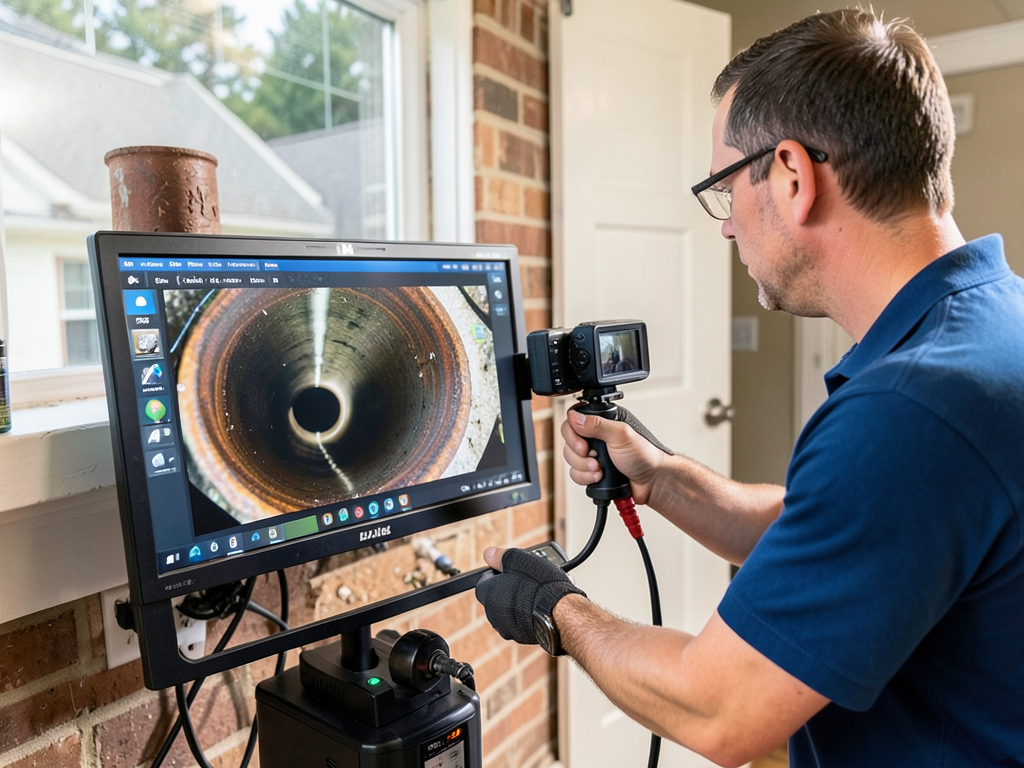
Our technicians insert a high-resolution camera into your sewer line to visually inspect the entire pipe length. The camera reveals cracks, corrosion patterns, joint separations, and blockages that aren’t visible from the surface.
The camera inspection shows the exact location and severity of damage, allowing us to create a targeted repair plan rather than replacing entire pipe runs unnecessarily. We document everything with video footage you can review before making decisions.
Hydrostatic Pressure Testing
This test determines if your pipes are leaking by isolating sections and pressurizing them with water. If pressure drops over time, it indicates leaks in the pipe system. The test follows International Plumbing Code Section 312 requirements for sanitary drainage testing. International Association of Plumbing and Mechanical Officials.
Hydrostatic testing is particularly important for Castle Hills homes because it can detect small leaks that might not cause obvious symptoms but still damage your foundation over time.
Smoke Testing for Leak Detection
Smoke testing involves pumping non-toxic smoke into your plumbing system to reveal leaks and improper connections. The smoke escapes through any cracks, joint separations, or illegal connections, making them visible from the surface.
This test is especially useful for identifying roof drain connections to sewer lines, which violate San Antonio plumbing codes and can cause flooding during heavy rains.

Cast Iron Pipe Replacement Methods for Castle Hills Homes
Once we confirm cast iron pipe failure, several replacement methods are available depending on your home’s specific conditions and your budget. Each method has distinct advantages for Castle Hills’ unique challenges.
Trenchless Pipe Bursting
Pipe bursting involves pulling a new pipe through the existing cast iron line while simultaneously fracturing the old pipe outward. This method requires only two access points and preserves your landscaping, driveway, and other surface features.
For Castle Hills homes with mature trees or extensive landscaping, pipe bursting minimizes property damage. The process typically takes one to two days versus weeks for traditional excavation.
The new pipe material is typically HDPE (high-density polyethylene) with a 100-year lifespan, far exceeding the 50-year life expectancy of cast iron in our soil conditions.
Cured-in-Place Pipe (CIPP) Lining
CIPP lining creates a new pipe within your existing cast iron pipe using epoxy resin and a felt liner. The liner is inserted through existing access points, inflated, and cured with hot water or steam to form a seamless, jointless pipe.
This method works well for Castle Hills homes where pipes have minor damage but are structurally sound enough to support the new liner. The epoxy liner resists corrosion and has a smooth interior surface that improves flow capacity.
However, CIPP lining cannot correct severe structural damage, significant offsets, or complete collapses. Our camera inspection determines if your pipes are suitable candidates.
Traditional Tunneling Under Slab
For homes with pipes under concrete slabs, tunneling provides access without demolishing interior flooring. Our technicians excavate tunnels beneath your home’s foundation to reach and replace damaged pipes.
This method is essential for Castle Hills homes built on slab foundations where pipes run under the concrete. Tunneling preserves your interior finishes while providing complete access to all pipe runs.
The tunneling process follows OSHA safety standards and includes proper shoring to prevent cave-ins. We obtain all necessary permits from the City of San Antonio before beginning work.
Full Excavation and Replacement
In cases of severe damage or when access is limited, full excavation may be necessary. This involves digging trenches to expose and replace entire pipe runs, typically from the home to the street connection.
While more disruptive, this method allows complete inspection of all pipe sections and replacement with modern materials. For Castle Hills homes with extensive damage, this can be the most cost-effective long-term solution.
We coordinate with Miss Utility to mark all underground utilities before excavation and follow all City of San Antonio excavation requirements.
The Alpha Plumbing San Antonio Replacement Process
Our systematic approach ensures your cast iron pipe replacement is completed correctly, safely, and with minimal disruption to your Castle Hills home.
Step 1: Comprehensive Inspection and Testing
We begin with camera inspection, hydrostatic testing, and smoke testing to assess the full extent of pipe damage. This diagnostic phase typically takes 2-4 hours and provides a complete picture of your plumbing system’s condition.
Based on our findings, we create a detailed report with video footage, test results, and specific recommendations for your situation.
Step 2: Permit Acquisition and Planning
Alpha Plumbing obtains all necessary permits from the City of San Antonio Development Services Department. This includes plumbing permits, right-of-way permits if street work is needed, and any special inspections required for your specific situation.
We create a detailed project plan that minimizes disruption to your daily life and coordinates with any other contractors working on your home.
Step 3: Preparation and Protection
Before work begins, we protect your property with dust barriers, floor protection, and landscaping safeguards. For interior work, we seal off work areas to prevent dust spread throughout your home.
We also establish temporary plumbing solutions to maintain basic water service during the replacement process.
Step 4: Pipe Replacement Execution
Following the agreed-upon method, our technicians replace your cast iron pipes with modern materials. This typically involves:
- Removing damaged cast iron sections
- Installing new PVC or HDPE pipes
- Ensuring proper slope and flow characteristics
- Testing all connections and joints
- Restoring any disturbed areas
Step 5: Final Testing and Inspection
After installation, we conduct comprehensive testing including:
- Hydrostatic pressure testing of all new lines
- Camera inspection to verify installation quality
- Smoke testing to check for leaks
- Flow testing to ensure proper drainage
We also coordinate final inspections with the City of San Antonio to ensure code compliance.
Step 6: Site Restoration and Documentation
We restore your property to its original condition or better, including:
- Backfilling and compacting excavated areas
- Repairing any surface damage
- Cleaning work areas thoroughly
- Providing documentation of all work performed
- Offering warranty information and maintenance recommendations
Cost Factors and Financing Options
Cast iron pipe replacement costs vary based on several factors specific to Castle Hills homes. Understanding these variables helps you budget appropriately and avoid surprises.
Key Cost Factors
The total cost depends on:
- Linear feet of pipe requiring replacement
- Access difficulty (under slab vs. exterior)
- Replacement method chosen (trenchless vs. traditional)
- Soil conditions and excavation requirements
- Permit and inspection fees
- Restoration work needed after replacement
Trenchless methods typically cost 20-30% more upfront but save money on restoration and landscaping. Traditional methods may be less expensive initially but require additional costs for surface repairs.
Financing Solutions
Alpha Plumbing offers several financing options to make pipe replacement more affordable:
- Same-as-cash financing for qualified customers
- Low monthly payment plans
- Partnership with local credit unions for competitive rates
- Insurance claim assistance for covered damage
We provide detailed estimates that break down all costs, allowing you to make informed decisions about your investment.
Preventing Future Pipe Problems
After replacing your cast iron pipes, proper maintenance prevents premature failure of your new system. Here are essential maintenance practices for Castle Hills homeowners:
Water Softener Installation
San Antonio’s hard water contributes to mineral buildup in pipes. Installing a water softener reduces calcium and magnesium deposits that can restrict flow and create corrosion points in your new pipes.
Modern water softeners use less salt and water than older models, making them environmentally friendly while protecting your plumbing investment.
Regular Professional Inspections
Schedule camera inspections every 2-3 years to detect early signs of problems. This proactive approach catches issues before they become emergencies, potentially saving thousands in repair costs.
During inspections, we check for root intrusion, pipe settling, and joint integrity that could lead to future failures.
Proper Drain Usage
Avoid flushing items that can cause blockages or damage, including:
- Flushable wipes (they don’t break down like toilet paper)
- Cooking grease and oils
- Coffee grounds
- Fibrous foods like celery or potato peels
- Hair and dental floss
Tree Root Management
Certain tree species have aggressive root systems that seek water sources, including your sewer pipes. Keep trees with invasive roots at least 10 feet from your sewer line, and consider root barriers for existing trees near pipes.. Read more about Stopping Tree Roots from Invading Your Monticello Park Sewer Line.
Species to avoid near sewer lines include willows, poplars, elms, and certain oak varieties common in Castle Hills landscapes.
Why Choose Alpha Plumbing San Antonio
Alpha Plumbing brings 15+ years of local experience to every cast iron pipe replacement project in Castle Hills. Our deep understanding of San Antonio’s unique soil conditions, building codes, and architectural styles ensures your project is completed correctly the first time.
We’re not just another plumbing company. We specialize in complex residential and commercial plumbing challenges that require technical expertise and precision. Our Master Plumber license and comprehensive insurance coverage protect you throughout the entire process.
Every project includes detailed documentation, warranty coverage, and our commitment to leaving your property better than we found it. We understand that cast iron pipe replacement is a significant investment, and we treat it with the urgency and professionalism it deserves.
Don’t wait for a catastrophic failure that could cost you thousands more in emergency repairs and property damage. If you’re experiencing any of the warning signs mentioned in this guide, call (210) 374-7773 today to schedule your professional inspection.
Early detection and professional replacement can save you from the nightmare of sewage backups, foundation damage, and emergency plumbing costs. Our team is ready to assess your situation and provide clear, honest recommendations for protecting your Castle Hills home.
Pick up the phone and call (210) 374-7773 before the next heavy rain hits. The clay soil in Castle Hills is expanding and contracting with every weather change, putting increasing pressure on your aging cast iron pipes. Don’t wait until you have sewage backing up into your home or foundation cracks appearing throughout your house.
Call (210) 374-7773 now for your comprehensive pipe inspection. Your home deserves the protection that only experienced, local professionals can provide.
Frequently Asked Questions
How long do cast iron pipes typically last in Castle Hills?
Cast iron pipes in Castle Hills typically last 40-50 years due to the region’s expansive clay soil and alkaline conditions. Pipes installed before 1980 are reaching or exceeding their expected lifespan and should be inspected regularly for signs of failure.
Can I repair cast iron pipes instead of replacing them?
Spot repairs are sometimes possible for minor damage, but they often create weak points in the system. In Castle Hills’ soil conditions, once one section fails, adjacent pipes are likely deteriorating too. Full replacement or comprehensive lining is usually more cost-effective long-term.
How much does cast iron pipe replacement cost in Castle Hills?
Costs vary based on access, method, and extent of damage. Trenchless replacement typically ranges from $80-120 per linear foot, while traditional excavation can cost $60-90 per linear foot plus restoration. We provide detailed estimates after inspection.
Will my homeowners insurance cover pipe replacement?
Standard policies typically don’t cover pipe replacement due to age or wear. However, if damage results from a covered peril like tree root invasion or sudden failure, some coverage may apply. We can help you understand your policy and file claims when appropriate.
How long does the replacement process take?
Most residential projects take 2-5 days depending on the method and extent of work. Trenchless methods are faster, often completing in 1-2 days. We provide detailed timelines during the planning phase and work to minimize disruption to your household.
What’s the difference between PVC and HDPE replacement pipes?
PVC is rigid and cost-effective, ideal for straight runs and accessible areas. HDPE is flexible, resistant to soil movement, and has a longer lifespan (100+ years vs. 50-75 years for PVC). We recommend materials based on your specific conditions and budget.
Do I need permits for pipe replacement in Castle Hills?
Yes, the City of San Antonio requires plumbing permits for pipe replacement work. Alpha Plumbing handles all permit acquisition and ensures your project meets all local codes and inspection requirements. This protects you from potential code violations and ensures quality workmanship.
Can trenchless replacement damage my foundation?
When performed correctly by experienced professionals, trenchless methods are safe for foundations. The equipment pulls new pipes through existing paths without disturbing surrounding soil or structures. We assess your foundation condition before recommending any method.
What happens if I ignore the warning signs?
Ignoring warning signs typically leads to complete pipe failure, resulting in sewage backups, foundation damage, and emergency repair costs that can exceed $10,000. Early intervention through professional inspection can prevent these costly emergencies and protect your home’s value.
How can I tell if my pipes are cast iron?
Cast iron pipes are dark gray or black, much heavier than modern materials, and often have bell-and-spigot joints. If your home was built before 1980 in Castle Hills, it likely has cast iron sewer lines. A professional inspection can confirm the material and condition of your pipes.
{
“@context”: “https://schema.org”,
“@type”: “BlogPosting”,
“headline”: “Warning Signs of Failing Cast Iron Pipes in Castle Hills”,
“description”: “Learn the critical warning signs of failing cast iron pipes in Castle Hills homes. Discover how San Antonio’s clay soil accelerates pipe deterioration and what to do before a catastrophic failure.”,
“wordCount”: 2980,
“datePublished”: “2026-03-09T11:35:00.000Z”,
“dateModified”: “2026-03-09T11:35:00.000Z”,
“inLanguage”: “en-US”,
“mainEntityOfPage”: {
“@type”: “WebPage”,
“@id”: “https://alphaplumbingsanantonio.com”
},
“publisher”: {
“@type”: “LocalBusiness”,
“name”: “Alpha Plumbing San Antonio”,
“url”: “https://alphaplumbingsanantonio.com”
},
“author”: {
“@type”: “Organization”,
“name”: “Alpha Plumbing San Antonio”,
“url”: “https://alphaplumbingsanantonio.com”
},
“image”: {
“@type”: “ImageObject”,
“url”: “https://alphaplumbingsanantonio.com/wp-content/uploads/2026/03/warning-signs-of-failing-cast-iron-pipes-in-castle-1.png”
}
}
{
“@context”: “https://schema.org”,
“@type”: “Plumber”,
“name”: “Alpha Plumbing San Antonio”,
“url”: “https://alphaplumbingsanantonio.com”,
“address”: {
“@type”: “PostalAddress”,
“addressLocality”: “San Antonio”
},
“areaServed”: {
“@type”: “City”,
“name”: “San Antonio”
}
}
{
“@context”: “https://schema.org”,
“@type”: “FAQPage”,
“mainEntity”: [
{
“@type”: “Question”,
“name”: “How long do cast iron pipes typically last in Castle Hills?”,
“acceptedAnswer”: {
“@type”: “Answer”,
“text”: “Cast iron pipes in Castle Hills typically last 40-50 years due to the region’s expansive clay soil and alkaline conditions. Pipes installed before 1980 are reaching or exceeding their expected lifespan and should be inspected regularly for signs of failure.”
}
},
{
“@type”: “Question”,
“name”: “Can I repair cast iron pipes instead of replacing them?”,
“acceptedAnswer”: {
“@type”: “Answer”,
“text”: “Spot repairs are sometimes possible for minor damage, but they often create weak points in the system. In Castle Hills’ soil conditions, once one section fails, adjacent pipes are likely deteriorating too. Full replacement or comprehensive lining is usually more cost-effective long-term.”
}
},
{
“@type”: “Question”,
“name”: “How much does cast iron pipe replacement cost in Castle Hills?”,
“acceptedAnswer”: {
“@type”: “Answer”,
“text”: “Costs vary based on access, method, and extent of damage. Trenchless replacement typically ranges from $80-120 per linear foot, while traditional excavation can cost $60-90 per linear foot plus restoration. We provide detailed estimates after inspection.”
}
},
{
“@type”: “Question”,
“name”: “Will my homeowners insurance cover pipe replacement?”,
“acceptedAnswer”: {
“@type”: “Answer”,
“text”: “Standard policies typically don’t cover pipe replacement due to age or wear. However, if damage results from a covered peril like tree root invasion or sudden failure, some coverage may apply. We can help you understand your policy and file claims when appropriate.”
}
},
{
“@type”: “Question”,
“name”: “How long does the replacement process take?”,
“acceptedAnswer”: {
“@type”: “Answer”,
“text”: “Most residential projects take 2-5 days depending on the method and extent of work. Trenchless methods are faster, often completing in 1-2 days. We provide detailed timelines during the planning phase and work to minimize disruption to your household.”
}
},
{
“@type”: “Question”,
“name”: “What’s the difference between PVC and HDPE replacement pipes?”,
“acceptedAnswer”: {
“@type”: “Answer”,
“text”: “PVC is rigid and cost-effective, ideal for straight runs and accessible areas. HDPE is flexible, resistant to soil movement, and has a longer lifespan (100+ years vs. 50-75 years for PVC). We recommend materials based on your specific conditions and budget.”
}
},
{
“@type”: “Question”,
“name”: “Do I need permits for pipe replacement in Castle Hills?”,
“acceptedAnswer”: {
“@type”: “Answer”,
“text”: “Yes, the City of San Antonio requires plumbing permits for pipe replacement work. Alpha Plumbing handles all permit acquisition and ensures your project meets all local codes and inspection requirements. This protects you from potential code violations and ensures quality workmanship.”
}
},
{
“@type”: “Question”,
“name”: “Can trenchless replacement damage my foundation?”,
“acceptedAnswer”: {
“@type”: “Answer”,
“text”: “When performed correctly by experienced professionals, trenchless methods are safe for foundations. The equipment pulls new pipes through existing paths without disturbing surrounding soil or structures. We assess your foundation condition before recommending any method.”
}
},
{
“@type”: “Question”,
“name”: “What happens if I ignore the warning signs?”,
“acceptedAnswer”: {
“@type”: “Answer”,
“text”: “Ignoring warning signs typically leads to complete pipe failure, resulting in sewage backups, foundation damage, and emergency repair costs that can exceed $10,000. Early intervention through professional inspection can prevent these costly emergencies and protect your home’s value.”
}
},
{
“@type”: “Question”,
“name”: “How can I tell if my pipes are cast iron?”,
“acceptedAnswer”: {
“@type”: “Answer”,
“text”: “Cast iron pipes are dark gray or black, much heavier than modern materials, and often have bell-and-spigot joints. If your home was built before 1980 in Castle Hills, it likely has cast iron sewer lines. A professional inspection can confirm the material and condition of your pipes.”
}
}
]
}
{
“@context”: “https://schema.org”,
“@type”: “BreadcrumbList”,
“itemListElement”: [
{
“@type”: “ListItem”,
“position”: 1,
“name”: “Home”,
“item”: “https://alphaplumbingsanantonio.com”
},
{
“@type”: “ListItem”,
“position”: 2,
“name”: “Blog”,
“item”: “https://alphaplumbingsanantonio.com/blog”
},
{
“@type”: “ListItem”,
“position”: 3,
“name”: “Warning Signs of Failing Cast Iron Pipes in Castle Hills”
}
]
}
{
“@context”: “https://schema.org”,
“@type”: “Service”,
“serviceType”: “Plumbing”,
“provider”: {
“@type”: “LocalBusiness”,
“name”: “Alpha Plumbing San Antonio”,
“url”: “https://alphaplumbingsanantonio.com”
},
“areaServed”: {
“@type”: “City”,
“name”: “San Antonio”
},
“description”: “Learn the critical warning signs of failing cast iron pipes in Castle Hills homes. Discover how San Antonio’s clay soil accelerates pipe deterioration and what to do before a catastrophic failure.”
}