
What to do if your older San Antonio home doesn’t have a main sewer cleanout
Older homes in San Antonio often lack a main sewer cleanout, leaving homeowners vulnerable to costly backups and emergency repairs. Many houses built before the 1980s never had one installed, or the original cap has been buried under landscaping or paved over during renovations. Without this access point, plumbers cannot perform routine maintenance or quickly clear blockages, turning minor clogs into major emergencies. Emergency San Antonio Plumbers Who Actually Answer the Phone at Night.
The first step is understanding that San Antonio’s expanding clay soil and aging infrastructure create unique challenges. Homes in neighborhoods like King William, Monte Vista, and Alamo Heights often sit on clay-rich Blackland Prairie soil that shifts with moisture changes, causing cleanout caps to sink or break over decades. If your home lacks a visible cleanout, you are not alone. Many properties in the area share this issue, and professional solutions exist to protect your plumbing system. Safe and Professional Gas Line Repairs for Hollywood Park Residents.
Call (210) 374-7773 today to schedule your inspection before the next backup happens.
Why Your Home May Lack a Cleanout
Several factors explain why your San Antonio home might not have a main sewer cleanout. Older construction methods often omitted this feature entirely. Builders in the 1950s and 1960s frequently installed cast iron sewer lines without providing access points for future maintenance. Over time, homeowners who added landscaping or expanded driveways accidentally buried or removed existing cleanouts without realizing their importance. How We Repair Sewer Lines in King William Without Destroying the History.
San Antonio’s soil movement compounds the problem. Expansive clay soil expands when wet and contracts when dry, causing pipes to shift and cleanout caps to become misaligned or buried. In some cases, the original cleanout cap corroded completely, leaving only a threaded opening that is difficult to locate. Homes near the Edwards Aquifer recharge zone face additional challenges because soil composition varies significantly across the city.
Understanding these factors helps explain why finding your cleanout proves difficult. The solution requires professional equipment and knowledge of local soil conditions. A plumber familiar with San Antonio’s specific challenges can locate hidden cleanouts or determine if installation is necessary.
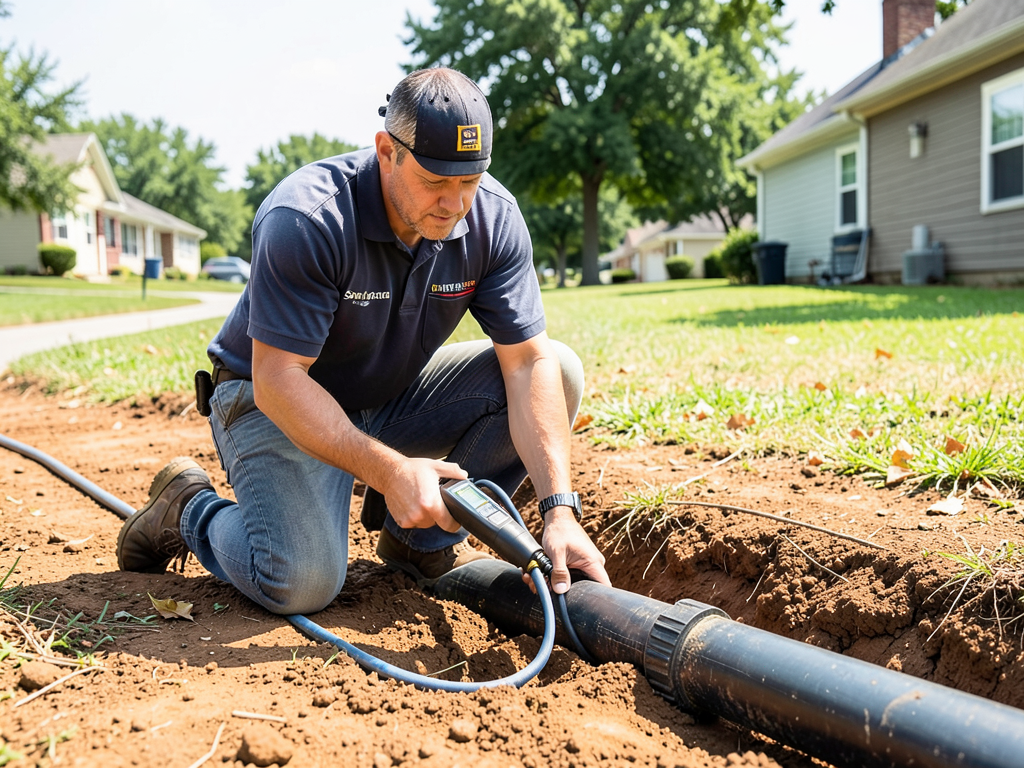
Image: Technician using electronic line locator to trace sewer pipe path through San Antonio clay soil.. Read more about Why Live Oaks are the biggest threat to the sewer lines in Monte Vista.
Standard Cleanout Locations in San Antonio Homes
Knowing where cleanouts typically exist helps narrow your search. Most homes should have a cleanout within three to five feet of the foundation wall, often near where the main sewer line exits the house. In San Antonio, additional cleanouts may exist at the property line or near the curb, as required by SAWS (San Antonio Water System) for homes connected to the municipal sewer system. SAWS (San Antonio Water System).
SAWS policies distinguish between homeowner responsibility and utility responsibility. The homeowner maintains the sewer lateral from the house to the main sewer line in the street. SAWS typically provides a cleanout at the property line for homes built after certain dates, but older properties may lack this feature. The utility easement area often contains buried cleanouts that homeowners cannot see but plumbers can locate with specialized equipment.
Common hiding spots include flower beds, near air conditioning units, or along the foundation where landscaping has grown over the original installation. Cleanout caps may be white PVC, black cast iron, or brass, depending on when your home was built. Cast iron caps from the 1960s often corrode beyond recognition, while PVC caps from the 1980s may still be visible but buried under mulch or soil.
Professional Methods for Locating a Hidden Cleanout
Professional plumbers use several methods to locate missing cleanouts in San Antonio homes. Electronic line locators represent the most common approach. These devices send a signal through the sewer pipe and track the signal above ground using a handheld receiver. The technician walks the property while watching the receiver display, which shows the pipe’s path and helps identify where a cleanout should exist.
Ground-penetrating radar offers another option for stubborn cases. This technology sends radar pulses into the ground and creates a subsurface image showing pipes, cleanout caps, and other buried objects. While more expensive than line locators, radar proves invaluable when dealing with heavily landscaped yards or areas with multiple underground utilities.
Sewer camera inspections with signal transmitters provide the most definitive method. A plumber inserts a specialized camera with a built-in transmitter into the sewer line. The transmitter sends a signal to the surface, allowing precise location of the camera’s position. This method not only locates cleanouts but also identifies pipe condition, blockages, and potential problems before they become emergencies.
Each method has advantages depending on your specific situation. Line locators work well for straightforward cases, while radar and camera inspections handle complex scenarios involving multiple utilities or severe blockages. Professional plumbers often combine methods to ensure accurate results.
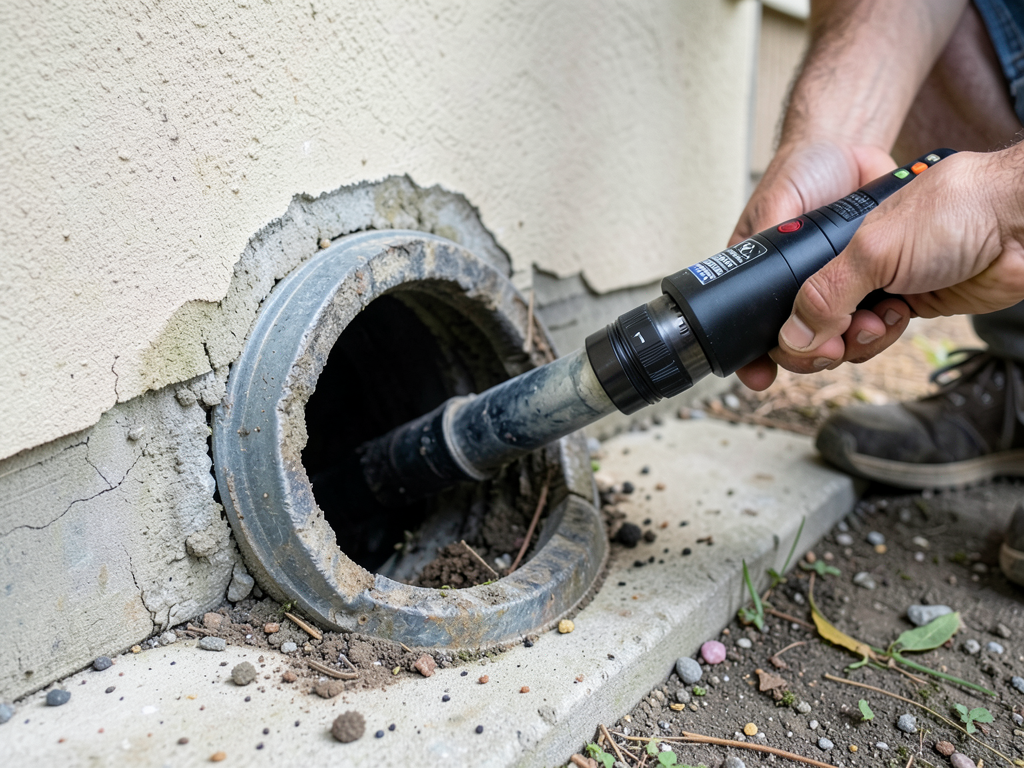
Image: Sewer camera with sonde transmitter being inserted into cleanout to locate blockages and pipe condition.
What to Do if Your Home Truly Lacks a Cleanout
If professional locating methods confirm your home lacks a cleanout, installation becomes necessary. This process involves excavating the main sewer line, cutting into the pipe, and installing a two-way cleanout that meets current San Antonio building codes. The City of San Antonio Development Services Department requires permits for this work, ensuring proper installation and inspection.
The installation process typically follows these steps. First, the plumber locates the main sewer line using one of the methods described above. Next, they excavate a section of pipe large enough to work safely. The plumber then cuts the pipe and installs a two-way cleanout fitting that allows access from both directions. Finally, they test the installation and backfill the excavation.
Two-way cleanouts offer advantages over single-direction fittings. They provide access to both the house side and the street side of the main line, making future maintenance easier. Modern PVC cleanouts resist corrosion better than older materials and include threaded caps that seal properly to prevent sewer gas escape.
Installation costs vary based on factors like excavation difficulty, pipe material, and property accessibility. Homes with concrete driveways or extensive landscaping may require additional work to access the sewer line. However, the investment protects against future emergencies and makes routine maintenance possible.
Estimated Costs and San Antonio Permitting
Understanding the cost factors helps you budget for cleanout installation. Basic cleanout installation typically ranges from $800 to $2,500, depending on excavation requirements and pipe material. Cast iron pipes often require more labor to cut and join than PVC pipes. Homes with concrete slabs or extensive hardscaping may face higher costs due to demolition and restoration work.
San Antonio permits represent an additional cost factor but remain essential for legal compliance. The City of San Antonio requires plumbing permits for sewer line modifications, including cleanout installation. Permit fees vary based on project scope but typically range from $50 to $200. Your plumber should handle permit acquisition as part of the installation process. Plumbing Boerne.
Additional factors affecting cost include the need for temporary utility relocation, soil stabilization requirements, and restoration of landscaping or hardscaping. Some homeowners choose to upgrade their entire sewer line during cleanout installation, particularly if the existing pipe shows signs of deterioration or frequent blockages.
Insurance coverage for cleanout installation varies by policy. Some homeowner’s insurance policies cover sewer line repairs if damage results from covered perils like tree root intrusion or sudden pipe failure. However, most policies exclude preventive installations like cleanout addition. Check with your insurance provider to understand your specific coverage.
Preventing Future Cleanout Problems
Once you have a cleanout installed or located, preventing future problems becomes your next priority. San Antonio’s soil movement continues to affect buried infrastructure, so regular maintenance and monitoring help protect your investment. Consider having your cleanout inspected annually, particularly if you notice slow drains or gurgling sounds from plumbing fixtures.
Landscaping choices impact cleanout accessibility. Avoid planting trees or large shrubs near your sewer line, as roots can damage pipes and make cleanout access difficult. If you must landscape near the cleanout, choose shallow-rooted plants and maintain clear access paths. Mark the cleanout location with a visible indicator that helps plumbers find it quickly during emergencies.
Water usage patterns also affect sewer line health. Excessive water discharge from washing machines or dishwashers can overwhelm older pipes, particularly in homes with original 1960s cast iron plumbing. Consider installing water softeners if you experience hard water issues, as mineral buildup can restrict pipe flow over time.
Professional drain cleaning services use cleanouts to maintain your sewer system. Without access, plumbers must remove toilets or use other entry points, increasing labor costs and inconvenience. A properly installed cleanout enables quick, cost-effective maintenance that prevents major blockages and backups.
Emergency Response Planning
Even with a cleanout installed, planning for sewer emergencies remains important. Know the location of your main water shutoff valve and teach family members how to use it. Keep contact information for emergency plumbing services readily available, and consider creating a home maintenance binder that documents your plumbing system’s key features.
During heavy rainfall events, which occur frequently in San Antonio, monitor your drains for slow drainage or gurgling sounds. These symptoms may indicate partial blockages that could worsen during storms. If you notice multiple fixtures backing up simultaneously, this often indicates a main line blockage requiring immediate professional attention.
Document your cleanout installation with photos and keep records of any maintenance performed. This documentation helps future homeowners understand your system and assists plumbers in diagnosing problems quickly. Consider creating a simple diagram showing the cleanout location relative to your home’s foundation and property lines.
Emergency response also includes knowing when to call for help. If you experience sewage backing up into your home, turn off water usage immediately and contact a professional plumber. Do not attempt to clear main line blockages yourself, as this can cause further damage and create health hazards from sewer gas exposure.
Choosing the Right Plumbing Professional
Not all plumbers have experience with San Antonio’s specific challenges. Look for professionals familiar with local soil conditions, building codes, and SAWS requirements. Ask potential plumbers about their experience with cleanout installation in older San Antonio homes and request references from similar projects.
Verify licensing through the Texas State Board of Plumbing Examiners. San Antonio requires plumbers to hold valid licenses and carry appropriate insurance. A reputable plumber should readily provide license numbers and proof of insurance coverage. They should also explain the permit process and handle all required documentation for your cleanout installation. Texas State Board of Plumbing Examiners.
Experience with local architecture matters significantly. Plumbers familiar with San Antonio’s mid-century ranch homes, historic districts, and modern developments understand the unique challenges each presents. They know which techniques work best for different pipe materials and can anticipate problems specific to your neighborhood’s construction era.
Communication skills also matter when choosing a plumber. They should explain their findings clearly, provide detailed cost estimates, and discuss options for your specific situation. Avoid plumbers who pressure you into immediate decisions or cannot explain their recommended approach in understandable terms. Early Warning Signs of a Slab Leak in Your Alamo Heights Home.
Frequently Asked Questions
How do I know if my San Antonio home has a cleanout?
Look for a white PVC or black cast iron cap within three to five feet of your foundation wall. Check near where your main sewer line exits the house. If you cannot find one, professional locating services can help identify buried or hidden cleanouts using electronic line locators or sewer cameras.
What happens if I don’t have a cleanout and my sewer backs up?
Without a cleanout, plumbers must access your sewer line through other means, such as removing toilets or accessing cleanouts in other parts of your plumbing system. This increases labor costs and repair time. Main line backups can cause sewage to back up into your home, creating health hazards and expensive damage.
Does SAWS provide cleanouts for homeowners?
SAWS maintains cleanouts at the property line for many homes, but responsibility for the sewer lateral from the house to the main line falls on the homeowner. SAWS does not typically install cleanouts on private property. Homeowners must arrange for cleanout installation through licensed plumbers who pull proper permits.
How long does cleanout installation take in San Antonio?
Most cleanout installations take one to two days, depending on excavation requirements and weather conditions. The actual plumbing work often takes only a few hours, but excavation, permit acquisition, and restoration work extend the timeline. Complex installations involving concrete removal or difficult soil conditions may take longer.
Can I install a cleanout myself to save money?
Texas law requires licensed plumbers to perform most sewer line work, including cleanout installation. DIY installation violates plumbing codes and may void insurance coverage. Improper installation can cause leaks, sewer gas problems, and code violations that cost more to fix than professional installation. Always hire licensed professionals for sewer work.
Protecting Your Home’s Plumbing Future
Understanding your home’s plumbing system, including cleanout access, represents an important aspect of homeownership in San Antonio. The city’s unique combination of aging infrastructure, expansive clay soil, and varied architectural styles creates specific challenges that require professional knowledge to address properly.
Whether you need to locate an existing cleanout or install a new one, taking action before an emergency occurs saves money and prevents damage. The cost of professional cleanout installation pales compared to the expense of emergency sewer repairs, water damage restoration, and the inconvenience of sewage backups.
San Antonio homeowners who understand their plumbing systems and maintain them properly enjoy fewer emergencies and lower long-term costs. Knowledge about cleanouts, sewer lines, and local plumbing requirements empowers you to make informed decisions about your home’s maintenance and improvements.
Don’t wait for a sewer emergency to discover your cleanout situation. Call (210) 374-7773 today to schedule a professional inspection and ensure your home’s plumbing system can handle whatever challenges San Antonio’s soil and weather throw its way.
Image: Two-way cleanout installation showing proper access for future maintenance and emergency response.
{
“@context”: “https://schema.org”,
“@type”: “BlogPosting”,
“headline”: “What to do if your older San Antonio home doesn’t have a main sewer cleanout”,
“description”: “Struggling with a missing sewer cleanout in your older San Antonio home? Learn SAWS policies, locating methods, and installation requirements to avoid costly backups.”,
“wordCount”: 2360,
“datePublished”: “2026-06-02T10:12:00.000Z”,
“dateModified”: “2026-06-02T10:12:00.000Z”,
“inLanguage”: “en-US”,
“mainEntityOfPage”: {
“@type”: “WebPage”,
“@id”: “https://alphaplumbingsanantonio.com”
},
“publisher”: {
“@type”: “LocalBusiness”,
“name”: “Alpha Plumbing San Antonio”,
“url”: “https://alphaplumbingsanantonio.com”
},
“author”: {
“@type”: “Organization”,
“name”: “Alpha Plumbing San Antonio”,
“url”: “https://alphaplumbingsanantonio.com”
},
“image”: {
“@type”: “ImageObject”,
“url”: “https://alphaplumbingsanantonio.com/wp-content/uploads/2026/03/what-to-do-if-your-older-san-antonio-home-doesn-t-1.png”
}
}
{
“@context”: “https://schema.org”,
“@type”: “Plumber”,
“name”: “Alpha Plumbing San Antonio”,
“url”: “https://alphaplumbingsanantonio.com”,
“address”: {
“@type”: “PostalAddress”,
“addressLocality”: “San Antonio”
},
“areaServed”: {
“@type”: “City”,
“name”: “San Antonio”
}
}
{
“@context”: “https://schema.org”,
“@type”: “FAQPage”,
“mainEntity”: [
{
“@type”: “Question”,
“name”: “How do I know if my San Antonio home has a cleanout?”,
“acceptedAnswer”: {
“@type”: “Answer”,
“text”: “Look for a white PVC or black cast iron cap within three to five feet of your foundation wall. Check near where your main sewer line exits the house. If you cannot find one, professional locating services can help identify buried or hidden cleanouts using electronic line locators or sewer cameras.”
}
},
{
“@type”: “Question”,
“name”: “What happens if I don’t have a cleanout and my sewer backs up?”,
“acceptedAnswer”: {
“@type”: “Answer”,
“text”: “Without a cleanout, plumbers must access your sewer line through other means, such as removing toilets or accessing cleanouts in other parts of your plumbing system. This increases labor costs and repair time. Main line backups can cause sewage to back up into your home, creating health hazards and expensive damage.”
}
},
{
“@type”: “Question”,
“name”: “Does SAWS provide cleanouts for homeowners?”,
“acceptedAnswer”: {
“@type”: “Answer”,
“text”: “SAWS maintains cleanouts at the property line for many homes, but responsibility for the sewer lateral from the house to the main line falls on the homeowner. SAWS does not typically install cleanouts on private property. Homeowners must arrange for cleanout installation through licensed plumbers who pull proper permits.”
}
},
{
“@type”: “Question”,
“name”: “How long does cleanout installation take in San Antonio?”,
“acceptedAnswer”: {
“@type”: “Answer”,
“text”: “Most cleanout installations take one to two days, depending on excavation requirements and weather conditions. The actual plumbing work often takes only a few hours, but excavation, permit acquisition, and restoration work extend the timeline. Complex installations involving concrete removal or difficult soil conditions may take longer.”
}
},
{
“@type”: “Question”,
“name”: “Can I install a cleanout myself to save money?”,
“acceptedAnswer”: {
“@type”: “Answer”,
“text”: “Texas law requires licensed plumbers to perform most sewer line work, including cleanout installation. DIY installation violates plumbing codes and may void insurance coverage. Improper installation can cause leaks, sewer gas problems, and code violations that cost more to fix than professional installation. Always hire licensed professionals for sewer work.”
}
}
]
}
{
“@context”: “https://schema.org”,
“@type”: “BreadcrumbList”,
“itemListElement”: [
{
“@type”: “ListItem”,
“position”: 1,
“name”: “Home”,
“item”: “https://alphaplumbingsanantonio.com”
},
{
“@type”: “ListItem”,
“position”: 2,
“name”: “Blog”,
“item”: “https://alphaplumbingsanantonio.com/blog”
},
{
“@type”: “ListItem”,
“position”: 3,
“name”: “What to do if your older San Antonio home doesn’t have a main sewer cleanout”
}
]
}
{
“@context”: “https://schema.org”,
“@type”: “Service”,
“serviceType”: “Plumbing”,
“provider”: {
“@type”: “LocalBusiness”,
“name”: “Alpha Plumbing San Antonio”,
“url”: “https://alphaplumbingsanantonio.com”
},
“areaServed”: {
“@type”: “City”,
“name”: “San Antonio”
},
“description”: “Struggling with a missing sewer cleanout in your older San Antonio home? Learn SAWS policies, locating methods, and installation requirements to avoid costly backups.”
}