
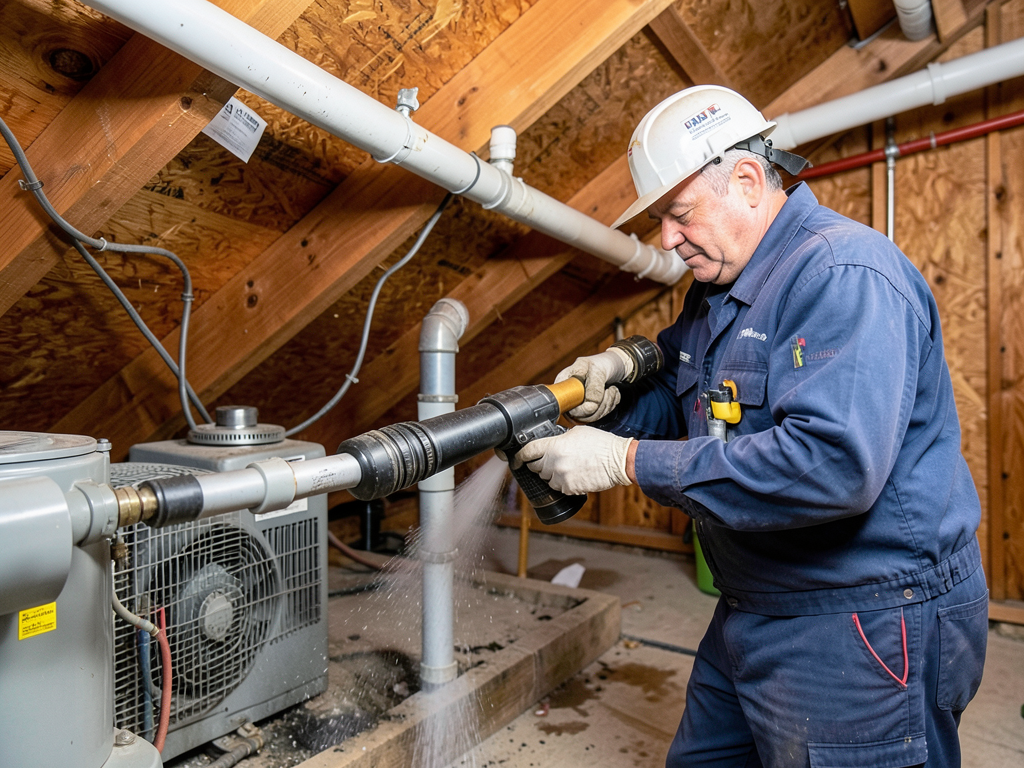
What to do when your AC condensate line floods your Northeast San Antonio home
When water starts pooling around your air handler or dripping from the ceiling, panic sets in fast. In Northeast San Antonio, where summer humidity regularly exceeds 70%, a clogged AC condensate line can turn into a full-blown water damage emergency within hours. The problem isn’t just the water itself—it’s the thick algae slime that builds up inside PVC drain lines, creating blockages that cause your AC to shut down or overflow. Emergency San Antonio Plumbers Who Actually Answer the Phone at Night.
Here’s what’s happening: your AC unit removes moisture from the air, and that water travels through a narrow PVC pipe to drain outside. When that pipe gets clogged with algae, dirt, or mineral deposits from San Antonio’s hard water, the water backs up into the drain pan. If the pan is rusted or the secondary drain line is blocked, water spills onto your floor, into walls, or through your ceiling. Getting a Clogged Drain Cleared Fast Near the San Antonio Medical Center.
The first 30 minutes matter most. Shut off your AC at the thermostat to stop more water from forming. Locate the main drain line exit—usually a white PVC pipe near your outdoor unit—and check for visible clogs. If you see standing water in the drain pan under your air handler, that confirms a blockage. At this point, you need professional help before mold starts growing in the Texas heat. Safe and Professional Gas Line Repairs for Hollywood Park Residents.
Call (210) 374-7773 immediately for emergency service in Northeast San Antonio. Our licensed plumbers carry high-pressure flushing equipment and algae treatment tablets that clear lines in under an hour. We also test your float switch to ensure it will shut off the system if water rises again.
Signs your AC condensate line is blocked
Water damage from a clogged condensate line shows up in specific ways. You might notice water pooling directly under your indoor air handler, usually in an attic or closet. The drain pan fills with water instead of draining properly. Your AC might shut off automatically—that’s your float switch working correctly to prevent overflow.
Other warning signs include musty odors coming from your vents, which indicates stagnant water somewhere in the system. You might hear gurgling sounds from the drain line when the AC runs. In some cases, you’ll see water stains spreading on your ceiling below the air handler location. Early Warning Signs of a Slab Leak in Your Alamo Heights Home.
If your AC isn’t cooling properly or keeps cycling on and off, check the condensate line first. A blocked line causes the system to overheat and shut down as a safety measure. These symptoms appear suddenly during San Antonio’s peak summer months when your AC runs constantly.
Why San Antonio humidity leads to clogged lines
Northeast San Antonio’s climate creates the perfect conditions for condensate line problems. Our summer humidity levels stay above 65% for months, meaning your AC extracts massive amounts of moisture from the air. That water flows through your drain line, but it also carries microscopic algae spores and mineral deposits.
The real culprit is what locals call “AC slime”—a thick, white, mucus-like substance that forms inside drain lines. This biofilm develops when warm, moist air meets the cooler PVC pipe surfaces. In San Antonio’s heat, this slime multiplies rapidly, narrowing your drain line from a 3/4-inch opening to practically nothing within weeks.
San Antonio’s hard water makes things worse. The Edwards Aquifer water contains high calcium and magnesium levels that leave mineral deposits inside your drain line. These deposits catch the algae slime, creating stubborn blockages that household methods can’t clear. Homes near McAllister Park or in the Live Oak area often experience this problem more severely due to the combination of mature trees, high humidity, and older AC systems.
DIY vs professional clearing
Homeowners can try clearing a condensate line themselves, but success rates are low in San Antonio’s conditions. The most common DIY method uses a wet/dry vacuum attached to the outdoor drain line exit. You seal the connection with duct tape and run the vacuum for several minutes to suck out the blockage.
Some try pouring vinegar or bleach down the drain vent pipe to kill algae. While this might help prevent future growth, it rarely clears an existing blockage in our mineral-heavy water. The vinegar method works better as monthly maintenance than as an emergency fix.
Professional clearing uses industrial equipment that homeowners can’t rent. We use CO2-powered drain cleaners that blast through slime and mineral deposits without damaging PVC pipes. Our high-pressure water jetters can clear 50 feet of line in minutes. We also apply EPA-registered algaecides that prevent regrowth for up to six months. EPA mold information.
The difference shows in the results. DIY methods might get your AC running for a few days, but the underlying slime remains. Professional service includes camera inspection to verify the line is completely clear and testing of all safety switches. For Northeast San Antonio homes, this thorough approach prevents the call-backs that frustrate DIY attempts.
Our San Antonio service process
When you call (210) 374-7773 for emergency condensate line service, we follow a specific process that addresses San Antonio’s unique conditions. First, we inspect your entire drainage system using moisture meters and thermal imaging to locate all water damage. This step identifies hidden problems behind walls or under floors.
Next, we clear the main blockage using our industrial equipment. For severe slime buildup, we might use hydro-jetting at 1,500 PSI—strong enough to clear mineral deposits but safe for PVC. We then treat the line with commercial-grade algaecide that’s EPA-approved for HVAC systems.
We test your float switch operation, which many homeowners don’t realize exists. This safety device should shut off your AC when water reaches a certain level. If it’s not working, we replace it on the spot. We also inspect your secondary drain line if you have one—many Northeast San Antonio homes built before 2010 lack this backup.
Finally, we provide documentation of all work and recommendations for preventing future clogs. This might include installing wider drain lines, adding access ports for easier cleaning, or setting up quarterly maintenance. Our service vehicles carry all common parts, so we complete most jobs in a single visit.
Pricing and emergency availability
Emergency condensate line service in Northeast San Antonio typically ranges from $225 to $450, depending on the severity of the blockage and any additional repairs needed. This includes after-hours calls, which we handle 24/7 during summer months when AC failures spike. How We Repair Sewer Lines in King William Without Destroying the History.
Basic clearing starts around $225 and covers standard slime blockages in accessible locations. Complex cases involving ceiling access, multiple blockages, or water damage repair run $350 to $450. If we find rusted drain pans or failed float switches, replacement parts add $75 to $150 to the total.
We provide upfront pricing before starting any work. No hidden fees, no surprise charges for evening or weekend service in Northeast San Antonio. Our trucks are GPS-tracked, so we can give you accurate arrival times even during peak emergency periods.
For severe water damage, we coordinate with restoration companies we trust. While we handle the plumbing side, these partners can address drywall, flooring, and mold prevention. This full-service approach gets your home back to normal faster than coordinating multiple contractors yourself.
Preventing future condensate line clogs
Prevention starts with understanding your AC system’s drainage path. Most Northeast San Antonio homes have the air handler in the attic, with the main drain line running down through walls to exit near the outdoor unit. Some homes also have a secondary line that drains from the overflow pan—if yours doesn’t, consider adding one.
Monthly maintenance makes a huge difference. Pour a cup of white vinegar down the vent pipe every 30 days during cooling season. This kills algae before it forms thick slime. Also check the area around your outdoor drain line exit—make sure it’s not covered by mulch or landscaping that could cause backflow.
Install a wide-view transparent section in your drain line if possible. This lets you see water flow and spot blockages early. Some homeowners add a simple float switch alarm that beeps when water rises in the drain pan—giving you warning before overflow happens.
Consider annual professional cleaning before summer hits. We use algaecide tablets that slowly dissolve in your drain pan, preventing slime buildup for months. This service costs about $125 and can prevent the $400+ emergency calls that come from neglected systems during July and August heat waves.
Health risks of stagnant water and mold
Standing water in your AC system creates more than just property damage—it poses serious health risks. In San Antonio’s heat, stagnant water breeds bacteria within 24-48 hours. The dark, moist environment inside your air handler becomes perfect for mold growth, particularly the toxic black mold that thrives in Texas summers.
Airborne mold spores from a leaking AC system can trigger asthma attacks, allergic reactions, and respiratory infections. Children and elderly residents face higher risks. The musty smell you notice isn’t just unpleasant—it’s a warning sign that your indoor air quality is compromised.
Legionella bacteria, which causes Legionnaires’ disease, can grow in stagnant water at certain temperatures. While rare in residential systems, the risk increases when water sits in warm, dark areas for extended periods. The biofilm that causes drain line clogs also harbors bacteria that can spread through your home’s air circulation.
Quick action prevents these health hazards. Within 48 hours of discovering a leak, mold can establish itself in drywall and insulation. That’s why we emphasize emergency response—not just to save your property, but to protect your family’s health from the hidden dangers of water-damaged AC systems.
Commercial vs residential condensate issues
Commercial buildings in Northeast San Antonio face different condensate challenges than homes. Large office buildings and retail spaces often have multiple AC units with interconnected drainage systems. A blockage in one line can affect several units, causing widespread cooling failures during critical business hours.
Commercial systems typically use larger diameter drain lines and require different cleaning equipment. We use industrial-grade hydro-jetting machines that generate higher pressures safely for commercial PVC. These systems also have more complex float switch arrangements and sometimes electronic monitoring that alerts building managers to problems.
Medical facilities and restaurants have additional concerns. Healthcare buildings must comply with stricter indoor air quality standards, making mold prevention critical. Restaurants can’t afford cooling failures during food service hours—health departments require specific temperature ranges that failing AC systems can’t maintain.
For commercial clients, we offer scheduled maintenance programs that prevent emergency calls entirely. Monthly inspections catch developing issues before they cause system failures. This proactive approach costs less than emergency service and eliminates the business disruption that comes with unexpected AC shutdowns.
Common mistakes that make clogs worse
Many homeowners accidentally worsen condensate line problems through well-intentioned actions. Using chemical drain cleaners designed for sinks can damage PVC pipes and create toxic fumes when mixed with AC system materials. These harsh chemicals also kill beneficial bacteria that help break down organic matter in drain lines.
Ignoring the secondary drain line is another common mistake. If your system has an overflow pan with its own drain, that line needs equal attention. When the primary line clogs, water should flow to the secondary—but if that’s blocked too, you get the overflow that causes ceiling damage.
Some try to fix a leaking drain pan by sealing it with silicone caulk. While this might stop immediate dripping, it traps water inside the pan where it promotes mold growth and eventual pan failure. A rusted pan needs replacement, not sealing—especially in San Antonio’s humid conditions where metal deteriorates faster.
Delaying professional service after discovering a clog often leads to higher costs. What starts as a simple cleaning becomes water damage repair, mold remediation, and potentially ceiling replacement. The $225 service call becomes a $2,000+ restoration project when homeowners wait days to address the initial problem.
Insurance coverage for water damage
Homeowners insurance in Northeast San Antonio typically covers sudden, accidental water damage from AC systems, but not gradual damage from neglected maintenance. If your condensate line clogs and overflows, causing ceiling or floor damage, your policy likely covers repairs to the affected areas and personal property damage.
However, insurance won’t pay for fixing the underlying plumbing problem. The $225 to clear your drain line comes out of pocket. Insurance companies view this as maintenance rather than damage—similar to how they won’t pay for a new roof when your old one leaks.
Documentation matters for claims. Take photos of the water damage immediately, keep receipts for emergency services, and notify your insurance company within 24 hours of discovering the problem. Many Northeast San Antonio policies require using specific restoration companies, so check your coverage details before hiring contractors.
For severe cases involving mold or structural damage, insurance might require professional mold testing before approving repairs. This adds time to the restoration process but ensures proper remediation. We work with insurance companies regularly and can provide the documentation they need for your claim.
Emergency steps before we arrive
While waiting for our emergency service, take specific actions to minimize damage. First, shut off your AC at the thermostat and circuit breaker. This stops more water from forming and prevents electrical hazards in areas with standing water.
Move furniture, rugs, and valuables away from the affected area. Water spreads quickly across ceilings and can drip unexpectedly from light fixtures or vent registers. Place buckets or towels under active drips, but don’t climb into attic spaces with standing water—the ceiling could collapse.
If you can safely access the drain line exit outside, check if it’s clear. Sometimes debris or insects block the end of the pipe, creating back pressure that contributes to indoor overflow. Clear any visible obstructions, but don’t attempt to disassemble the line yourself.
Turn on fans and dehumidifiers if you have them. Circulating air helps prevent mold growth and reduces moisture damage to walls and flooring. Document everything with photos for insurance purposes—these images help when filing claims and tracking the extent of damage.
Why choose local San Antonio plumbers
Local plumbers understand Northeast San Antonio’s specific challenges better than national chains or out-of-town contractors. We know that homes near Salado Creek face different drainage issues than those in the Hollywood Park area. We understand how San Antonio’s soil composition affects foundation movement, which can stress drain lines over time.
Our technicians carry parts common to San Antonio homes—specific float switch models, drain pan sizes, and PVC fittings used by local HVAC installers. We know which AC brands dominate the market here and their common failure patterns. This local knowledge means faster diagnosis and repair.
We’re familiar with San Antonio Water System regulations and local building codes that affect how we can modify your drainage system. Some neighborhoods have specific requirements for exterior drain line routing or require permits for certain modifications. Our experience navigating these local requirements prevents compliance issues.
Most importantly, we’re part of this community. When your AC fails during a July heat wave, we understand the urgency because we live here too. Our response times reflect that commitment—we prioritize Northeast San Antonio emergencies because we know our neighbors are depending on us.
Frequently Asked Questions
How long does condensate line cleaning take?
Standard cleaning takes 45-90 minutes for most Northeast San Antonio homes. Complex cases involving ceiling access or multiple blockages might require 2-3 hours. We always provide estimated times before starting work.
Can I prevent AC condensate line clogs completely?
You can’t eliminate the risk entirely due to San Antonio’s humidity and hard water, but regular maintenance reduces clogs significantly. Monthly vinegar treatments and annual professional cleaning prevent most emergency situations.
Is a clogged condensate line dangerous?
Yes, beyond property damage, standing water promotes mold growth and bacteria that affect indoor air quality. Quick action prevents these health hazards from developing in your home.
What causes the white slime in drain lines?
The slime is biofilm—a combination of algae, bacteria, and mineral deposits from San Antonio’s hard water. It forms rapidly in our humid conditions and narrows drain lines until they clog completely.
Call (210) 374-7773 for immediate service
Don’t let a clogged AC condensate line turn into a major water damage emergency. Our licensed plumbers serve Northeast San Antonio with 24/7 emergency response, industrial-grade equipment, and local expertise that gets your system running fast. We handle everything from simple cleanings to complex repairs involving ceiling access and water damage restoration.
Whether you’re in Live Oak, Universal City, or anywhere in Northeast San Antonio, we’re just minutes away. Our trucks carry all common parts, so most jobs finish in a single visit. We provide upfront pricing, warranty our work, and stand behind every repair with our satisfaction guarantee.
Pick up the phone and call (210) 374-7773 before the next storm hits or the summer heat intensifies. Fast action prevents minor problems from becoming major disasters. Your home deserves professional care from plumbers who understand San Antonio’s unique climate challenges and building patterns.
Don’t wait until water’s dripping through your ceiling. Call (210) 374-7773 today to schedule your inspection or emergency service. We’re here when you need us most, with the equipment, expertise, and local knowledge that only comes from serving San Antonio homeowners for years.
Your comfort and property protection matter. Let our experienced team handle your AC condensate line problems quickly and correctly the first time. Call now and experience the difference that local, professional service makes when you’re facing a plumbing emergency. For more information, visit CDC Legionella information.
{
“@context”: “https://schema.org”,
“@type”: “BlogPosting”,
“headline”: “What to do when your AC condensate line floods your Northeast San Antonio home”,
“description”: “Your AC condensate line backing up in Northeast San Antonio? Learn the causes, emergency steps, and how our licensed plumbers clear slime-clogged drains fast.”,
“wordCount”: 2958,
“datePublished”: “2026-04-18T12:35:00.000Z”,
“dateModified”: “2026-04-18T12:35:00.000Z”,
“inLanguage”: “en-US”,
“mainEntityOfPage”: {
“@type”: “WebPage”,
“@id”: “https://alphaplumbingsanantonio.com”
},
“publisher”: {
“@type”: “LocalBusiness”,
“name”: “Alpha Plumbing San Antonio”,
“url”: “https://alphaplumbingsanantonio.com”
},
“author”: {
“@type”: “Organization”,
“name”: “Alpha Plumbing San Antonio”,
“url”: “https://alphaplumbingsanantonio.com”
},
“image”: {
“@type”: “ImageObject”,
“url”: “https://alphaplumbingsanantonio.com/wp-content/uploads/2026/03/what-to-do-when-your-ac-condensate-line-floods-you-1.png”
}
}
{
“@context”: “https://schema.org”,
“@type”: “Plumber”,
“name”: “Alpha Plumbing San Antonio”,
“url”: “https://alphaplumbingsanantonio.com”,
“address”: {
“@type”: “PostalAddress”,
“addressLocality”: “San Antonio”
},
“areaServed”: {
“@type”: “City”,
“name”: “San Antonio”
}
}
{
“@context”: “https://schema.org”,
“@type”: “FAQPage”,
“mainEntity”: [
{
“@type”: “Question”,
“name”: “How long does condensate line cleaning take?”,
“acceptedAnswer”: {
“@type”: “Answer”,
“text”: “Standard cleaning takes 45-90 minutes for most Northeast San Antonio homes. Complex cases involving ceiling access or multiple blockages might require 2-3 hours. We always provide estimated times before starting work.”
}
},
{
“@type”: “Question”,
“name”: “Can I prevent AC condensate line clogs completely?”,
“acceptedAnswer”: {
“@type”: “Answer”,
“text”: “You can’t eliminate the risk entirely due to San Antonio’s humidity and hard water, but regular maintenance reduces clogs significantly. Monthly vinegar treatments and annual professional cleaning prevent most emergency situations.”
}
},
{
“@type”: “Question”,
“name”: “Is a clogged condensate line dangerous?”,
“acceptedAnswer”: {
“@type”: “Answer”,
“text”: “Yes, beyond property damage, standing water promotes mold growth and bacteria that affect indoor air quality. Quick action prevents these health hazards from developing in your home.”
}
},
{
“@type”: “Question”,
“name”: “What causes the white slime in drain lines?”,
“acceptedAnswer”: {
“@type”: “Answer”,
“text”: “The slime is biofilm—a combination of algae, bacteria, and mineral deposits from San Antonio’s hard water. It forms rapidly in our humid conditions and narrows drain lines until they clog completely.”
}
}
]
}
{
“@context”: “https://schema.org”,
“@type”: “BreadcrumbList”,
“itemListElement”: [
{
“@type”: “ListItem”,
“position”: 1,
“name”: “Home”,
“item”: “https://alphaplumbingsanantonio.com”
},
{
“@type”: “ListItem”,
“position”: 2,
“name”: “Blog”,
“item”: “https://alphaplumbingsanantonio.com/blog”
},
{
“@type”: “ListItem”,
“position”: 3,
“name”: “What to do when your AC condensate line floods your Northeast San Antonio home”
}
]
}
{
“@context”: “https://schema.org”,
“@type”: “Service”,
“serviceType”: “Plumbing”,
“provider”: {
“@type”: “LocalBusiness”,
“name”: “Alpha Plumbing San Antonio”,
“url”: “https://alphaplumbingsanantonio.com”
},
“areaServed”: {
“@type”: “City”,
“name”: “San Antonio”
},
“description”: “Your AC condensate line backing up in Northeast San Antonio? Learn the causes, emergency steps, and how our licensed plumbers clear slime-clogged drains fast.”
}