
Where to install a reverse osmosis system in your San Antonio home for the best tasting water
San Antonio’s hard water from the Edwards Aquifer makes your tap water taste mineral-heavy and leaves scale on fixtures. A reverse osmosis system can remove up to 99% of dissolved solids giving you clean crisp water right from your faucet. The best place to install one is under your kitchen sink where you need drinking water most. This guide covers the ideal installation spots for RO systems in San Antonio homes and what to expect during the process. Edwards Aquifer Authority.
Understanding San Antonio’s water quality before installing an RO system
San Antonio’s water comes from the Edwards Aquifer and contains high levels of calcium and magnesium. These minerals create the hard water that causes scale buildup and affects taste. The water also contains chlorine added by SAWS for disinfection which can give water a chemical taste and odor. SAWS (San Antonio Water System).
Testing your water quality helps determine the right RO system for your home. A basic water test shows total dissolved solids (TDS) levels which typically run 300-400 ppm in San Antonio. High TDS means more contaminants for your RO system to filter out. Emergency San Antonio Plumbers Who Actually Answer the Phone at Night.
Golden Nugget: The Edwards Aquifer Authority regulates water quality in our region and sets standards for contaminants. Your local water quality report from SAWS shows exactly what’s in your tap water and helps determine if an RO system is right for your home.
Under-sink installation the most common choice for San Antonio homes
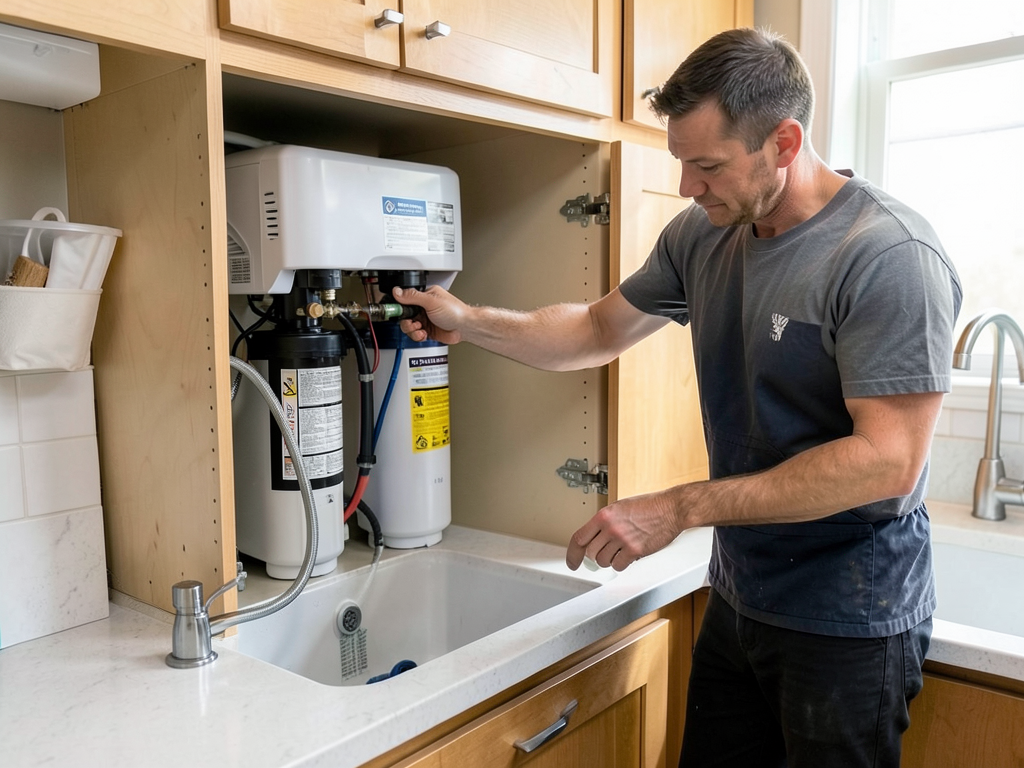
The under-sink location works best for most San Antonio homeowners because it keeps the system hidden while providing filtered water right where you need it. This setup requires about 12 inches of cabinet space and a nearby electrical outlet for the system’s pump.. Read more about Getting your water softener re-bedded in Hidden Forest instead of buying a new one.
Installation involves mounting the filter assembly inside the cabinet connecting it to your cold water line and installing a dedicated faucet on your sink. The system needs a drain connection for wastewater which flows through a small tube into your sink’s drain pipe.. Read more about Keeping your water flowing with professional well pump repairs in Saint Hedwig.
Golden Nugget: Most San Antonio homes built after 1990 have PEX or copper supply lines under the sink making RO installation straightforward. Older homes with galvanized pipes might need supply line replacement to prevent contamination.
Under-sink systems produce 50-75 gallons per day which is plenty for drinking cooking and filling water bottles. The filters need replacement every 6-12 months depending on your water usage and quality.
Whole-house RO systems for maximum water quality throughout your home
Whole-house systems filter all water entering your home not just drinking water. These systems mount in your garage or utility room and require more space and higher upfront costs than under-sink units.
Installation requires a large holding tank 40-80 gallons and a pump to maintain water pressure. The system connects to your main water line before it enters the house. This setup needs professional installation because it involves cutting into your home’s main water supply. Safe and Professional Gas Line Repairs for Hollywood Park Residents.
Golden Nugget: Texas State Board of Plumbing Examiners (TSBPE) requires permits for whole-house RO installations that modify the main water line. This ensures proper backflow prevention and compliance with local plumbing codes.
Whole-house systems protect your plumbing fixtures from scale buildup extend appliance life and provide filtered water for bathing and laundry. The initial cost ranges from $3,000 to $6,000 but saves money long-term by reducing bottled water purchases and appliance repairs. How We Repair Sewer Lines in King William Without Destroying the History.
Garage installations for homes with limited under-sink space
Garages work well for RO systems when under-sink space is limited or when you want to filter water for multiple points of use. This setup keeps the system out of living spaces while still providing easy access for maintenance.. Read more about How to tell if your Mission District home still has lead pipes.
Installation requires running water lines from the garage to your kitchen and bathroom. This might mean drilling through walls or running lines through the attic. The system needs protection from freezing temperatures which can occur during rare San Antonio cold snaps. Commercial Kitchen Plumbing.
Golden Nugget: San Antonio’s clay soil expands and contracts with moisture changes which can shift your home’s foundation. Garage installations avoid potential foundation issues that might affect under-sink plumbing over time.
Garage systems often include larger storage tanks and more powerful pumps to maintain good water pressure throughout the house. They work well for homes with multiple bathrooms or large families that use a lot of filtered water.
Countertop RO systems for renters and temporary solutions
Countertop systems offer a no-installation option that connects directly to your kitchen faucet. These portable units sit on your counter and use a diverter valve to switch between filtered and unfiltered water.
Installation takes minutes and requires no plumbing modifications making it ideal for renters or anyone not ready for permanent installation. The systems produce less water per day than under-sink models typically 30-50 gallons. Plumbing Boerne.
Golden Nugget: San Antonio’s water pressure averages 50-60 psi which works well for most countertop RO systems. Homes with pressure below 40 psi might need a booster pump for optimal performance.
Countertop units need manual tank refilling and take up counter space. They work best for singles or couples rather than large families. The filters need replacement every 3-6 months depending on usage.
Factors that affect RO system performance in San Antonio
Water pressure plays a crucial role in RO system efficiency. San Antonio’s municipal water pressure typically ranges from 45-80 psi. Systems need at least 40 psi to function properly. Homes with low pressure might need a booster pump which adds $150-300 to installation costs.
Water temperature also affects performance. Cold water slows the filtration process while hot water can damage the membrane. San Antonio’s water temperature stays between 50-70 degrees year-round which is ideal for RO systems.
Golden Nugget: The Edwards Aquifer maintains a constant temperature around 68 degrees which helps RO systems maintain consistent performance throughout San Antonio’s seasons.
Water usage patterns impact system sizing. A family of four typically uses 1-2 gallons of drinking water per day. Factor in cooking pets and guests when choosing your system size. Oversized systems waste water while undersized ones can’t keep up with demand.
Installation process what to expect from a professional plumber
Professional installation ensures your RO system works correctly and complies with local codes. A licensed plumber will assess your water quality test your home’s water pressure and recommend the right system size and location.
The installation process starts with shutting off your water supply and draining the lines. The plumber then mounts the filter assembly connects it to your water supply and installs the dedicated faucet. They’ll test for leaks and ensure proper water pressure before completing the job.
Golden Nugget: San Antonio Water System (SAWS) requires backflow prevention devices on all RO installations that connect to the municipal water supply. This prevents contaminated water from flowing back into the city’s water system.
Professional installation includes proper drainage setup which is crucial for system performance. The wastewater line needs an air gap to prevent cross-contamination. This small detail makes the difference between a system that works for years and one that fails quickly.
Maintenance requirements for long-lasting RO performance
RO systems need regular maintenance to keep producing clean water. Pre-filters remove sediment and chlorine protecting the main membrane. These need replacement every 6-12 months depending on your water quality and usage.
The RO membrane itself lasts 2-3 years with proper care. Hard water areas like San Antonio might need more frequent replacement. Signs of membrane failure include decreased water production and changes in taste or odor.
Golden Nugget: San Antonio’s high calcium content means RO membranes here often need replacement at the 18-24 month mark rather than the standard 24-36 months in areas with softer water.
Post-filters improve taste and remove any remaining odors. These carbon filters need replacement every 6-12 months. San Antonio’s chlorine levels mean more frequent carbon filter changes keep your water tasting fresh.
Cost factors for RO installation in San Antonio
RO system costs vary based on type size and installation complexity. Under-sink systems range from $300-600 for the unit plus $150-300 for professional installation. Whole-house systems cost $3,000-6,000 installed.
Additional costs might include water quality testing permits for whole-house systems and plumbing modifications for older homes. Homes with complicated plumbing or unusual layouts might need custom installation solutions.
Golden Nugget: Many San Antonio homes built in the 1970s-1980s have galvanized steel supply lines that corrode from the inside. These homes often need supply line replacement before RO installation to prevent contamination.
Factor in ongoing costs for replacement filters which run $50-150 per year depending on your system. Whole-house systems have higher filter costs but provide water for all household uses not just drinking.
Comparing RO systems to other water treatment options
Water softeners only remove hardness minerals they don’t filter out contaminants or improve taste. Many San Antonio homeowners use both a softener and an RO system for comprehensive water treatment.
Carbon filters remove chlorine and improve taste but don’t remove dissolved solids like an RO system does. They work well as a first stage before the RO membrane extending membrane life.
Golden Nugget: San Antonio’s water hardness averages 16-20 grains per gallon which is considered very hard. This level of hardness requires both softening and RO filtration for optimal water quality.
UV purification kills bacteria and viruses but doesn’t remove chemicals or dissolved solids. It works well as an addition to RO systems in homes concerned about biological contaminants.
Common mistakes to avoid when installing an RO system
Skipping water testing leads to choosing the wrong system size or type. San Antonio’s water quality varies by neighborhood and even by street. Testing ensures you get a system matched to your specific water conditions.
DIY installation often results in leaks improper drainage or code violations. Professional installation includes proper connections leak testing and compliance with local plumbing codes.
Golden Nugget: San Antonio’s building code requires licensed plumbers to install any system that modifies the home’s water supply lines. DIY installations can void home insurance and create liability issues.
Ignoring maintenance schedules reduces system lifespan and water quality. Set calendar reminders for filter changes and keep track of when you installed the membrane for timely replacement.
Environmental impact of RO systems
RO systems produce wastewater during filtration typically 3-4 gallons wasted for every gallon of clean water produced. Modern systems with permeate pumps reduce this ratio to 1-2 gallons wasted per gallon filtered.
San Antonio’s water conservation efforts make efficient systems important. Look for systems with automatic shut-off valves that stop wastewater production when the storage tank is full.
Golden Nugget: SAWS offers rebates for water-efficient appliances and fixtures. While they don’t specifically cover RO systems choosing a high-efficiency model helps conserve our region’s limited water resources.
The environmental benefit of reducing bottled water use often outweighs the water waste from RO systems. One person switching to RO filtered water can eliminate hundreds of plastic bottles per year.
Choosing the right RO system for your San Antonio home
Consider your household size water usage and space constraints when selecting an RO system. Under-sink systems work well for most families while whole-house systems benefit larger homes or those with specific water quality concerns.
Look for systems certified by the Water Quality Association (WQA) or NSF International. These certifications ensure the system meets performance and safety standards.
Golden Nugget: San Antonio’s high TDS levels mean you should look for RO systems specifically rated for 90%+ TDS reduction. Standard systems might only achieve 70-80% reduction in our water conditions.
Consider additional features like remineralization filters which add beneficial minerals back to the water improving taste and pH balance. Some systems include leak detectors and filter change indicators for added convenience.
Frequently Asked Questions
How long does RO system installation take in San Antonio?
Most under-sink installations take 2-3 hours for a professional plumber. Whole-house systems require 4-6 hours plus additional time for permits and inspections if needed.
Will an RO system work with San Antonio’s hard water?
Yes RO systems are specifically designed to handle hard water. In fact they work best on hard water because the dissolved solids provide more material for the membrane to filter out.
How much space do I need under my sink for an RO system?
You need about 12 inches of vertical space and enough horizontal room for the filter assembly storage tank and connections. Most standard kitchen cabinets accommodate RO systems easily.
Can I install an RO system myself?
While DIY installation is possible it’s not recommended in San Antonio due to plumbing code requirements and the complexity of proper installation. Professional installation ensures optimal performance and code compliance.
How often do RO filters need changing in San Antonio?
Pre-filters typically need changing every 6-12 months while the main membrane lasts 2-3 years. San Antonio’s water quality might require more frequent changes especially for pre-filters that handle sediment and chlorine.
Does RO waste a lot of water?
Traditional RO systems waste 3-4 gallons for every gallon of filtered water. Modern high-efficiency systems reduce this to 1-2 gallons wasted per gallon filtered.
Will RO remove all contaminants from my water?
RO systems remove up to 99% of dissolved solids including lead arsenic and other contaminants. However they don’t remove all possible contaminants like some volatile organic compounds which might require additional treatment.
How much does RO filtered water cost compared to bottled water?
RO filtered water costs about $0.02-0.03 per gallon compared to $1-2 per gallon for bottled water. A family of four can save $300-400 per year by switching to RO filtered water.
Ready to improve your home’s water quality
Clean great-tasting water is just a phone call away. Whether you need an under-sink system for your kitchen or a whole-house solution for your entire home Alpha Plumbing has the expertise to install it right the first time.
Our licensed plumbers understand San Antonio’s unique water quality challenges and can recommend the perfect RO system for your home. We handle everything from water testing to final installation and provide clear upfront pricing with no surprises.
Call (210) 374-7773 today to schedule your water quality test and get a free RO system consultation. Your family deserves the best tasting water possible and we’re here to make it happen.
Don’t wait until your water quality affects your health or your home’s plumbing. Pick up the phone and call (210) 374-7773 before the next water bill arrives. Clean water changes everything and we’re ready to help you make the switch today.
{
“@context”: “https://schema.org”,
“@type”: “BlogPosting”,
“headline”: “Where to install a reverse osmosis system in your San Antonio home for the best tasting water”,
“description”: “Learn where to install a reverse osmosis system in San Antonio to combat hard water and improve taste. Get expert installation advice from Alpha Plumbing.”,
“wordCount”: 2449,
“datePublished”: “2026-04-22T13:56:00.000Z”,
“dateModified”: “2026-04-22T13:56:00.000Z”,
“inLanguage”: “en-US”,
“mainEntityOfPage”: {
“@type”: “WebPage”,
“@id”: “https://alphaplumbingsanantonio.com”
},
“publisher”: {
“@type”: “LocalBusiness”,
“name”: “Alpha Plumbing San Antonio”,
“url”: “https://alphaplumbingsanantonio.com”
},
“author”: {
“@type”: “Organization”,
“name”: “Alpha Plumbing San Antonio”,
“url”: “https://alphaplumbingsanantonio.com”
},
“image”: {
“@type”: “ImageObject”,
“url”: “https://alphaplumbingsanantonio.com/wp-content/uploads/2026/03/where-to-install-a-reverse-osmosis-system-in-your-1.png”
}
}
{
“@context”: “https://schema.org”,
“@type”: “Plumber”,
“name”: “Alpha Plumbing San Antonio”,
“url”: “https://alphaplumbingsanantonio.com”,
“address”: {
“@type”: “PostalAddress”,
“addressLocality”: “San Antonio”
},
“areaServed”: {
“@type”: “City”,
“name”: “San Antonio”
}
}
{
“@context”: “https://schema.org”,
“@type”: “FAQPage”,
“mainEntity”: [
{
“@type”: “Question”,
“name”: “How long does RO system installation take in San Antonio?”,
“acceptedAnswer”: {
“@type”: “Answer”,
“text”: “Most under-sink installations take 2-3 hours for a professional plumber. Whole-house systems require 4-6 hours plus additional time for permits and inspections if needed.”
}
},
{
“@type”: “Question”,
“name”: “Will an RO system work with San Antonio’s hard water?”,
“acceptedAnswer”: {
“@type”: “Answer”,
“text”: “Yes RO systems are specifically designed to handle hard water. In fact they work best on hard water because the dissolved solids provide more material for the membrane to filter out.”
}
},
{
“@type”: “Question”,
“name”: “How much space do I need under my sink for an RO system?”,
“acceptedAnswer”: {
“@type”: “Answer”,
“text”: “You need about 12 inches of vertical space and enough horizontal room for the filter assembly storage tank and connections. Most standard kitchen cabinets accommodate RO systems easily.”
}
},
{
“@type”: “Question”,
“name”: “Can I install an RO system myself?”,
“acceptedAnswer”: {
“@type”: “Answer”,
“text”: “While DIY installation is possible it’s not recommended in San Antonio due to plumbing code requirements and the complexity of proper installation. Professional installation ensures optimal performance and code compliance.”
}
},
{
“@type”: “Question”,
“name”: “How often do RO filters need changing in San Antonio?”,
“acceptedAnswer”: {
“@type”: “Answer”,
“text”: “Pre-filters typically need changing every 6-12 months while the main membrane lasts 2-3 years. San Antonio’s water quality might require more frequent changes especially for pre-filters that handle sediment and chlorine.”
}
},
{
“@type”: “Question”,
“name”: “Does RO waste a lot of water?”,
“acceptedAnswer”: {
“@type”: “Answer”,
“text”: “Traditional RO systems waste 3-4 gallons for every gallon of filtered water. Modern high-efficiency systems reduce this to 1-2 gallons wasted per gallon filtered.”
}
},
{
“@type”: “Question”,
“name”: “Will RO remove all contaminants from my water?”,
“acceptedAnswer”: {
“@type”: “Answer”,
“text”: “RO systems remove up to 99% of dissolved solids including lead arsenic and other contaminants. However they don’t remove all possible contaminants like some volatile organic compounds which might require additional treatment.”
}
},
{
“@type”: “Question”,
“name”: “How much does RO filtered water cost compared to bottled water?”,
“acceptedAnswer”: {
“@type”: “Answer”,
“text”: “RO filtered water costs about $0.02-0.03 per gallon compared to $1-2 per gallon for bottled water. A family of four can save $300-400 per year by switching to RO filtered water.”
}
}
]
}
{
“@context”: “https://schema.org”,
“@type”: “BreadcrumbList”,
“itemListElement”: [
{
“@type”: “ListItem”,
“position”: 1,
“name”: “Home”,
“item”: “https://alphaplumbingsanantonio.com”
},
{
“@type”: “ListItem”,
“position”: 2,
“name”: “Blog”,
“item”: “https://alphaplumbingsanantonio.com/blog”
},
{
“@type”: “ListItem”,
“position”: 3,
“name”: “Where to install a reverse osmosis system in your San Antonio home for the best tasting water”
}
]
}
{
“@context”: “https://schema.org”,
“@type”: “Service”,
“serviceType”: “Plumbing”,
“provider”: {
“@type”: “LocalBusiness”,
“name”: “Alpha Plumbing San Antonio”,
“url”: “https://alphaplumbingsanantonio.com”
},
“areaServed”: {
“@type”: “City”,
“name”: “San Antonio”
},
“description”: “Learn where to install a reverse osmosis system in San Antonio to combat hard water and improve taste. Get expert installation advice from Alpha Plumbing.”
}