
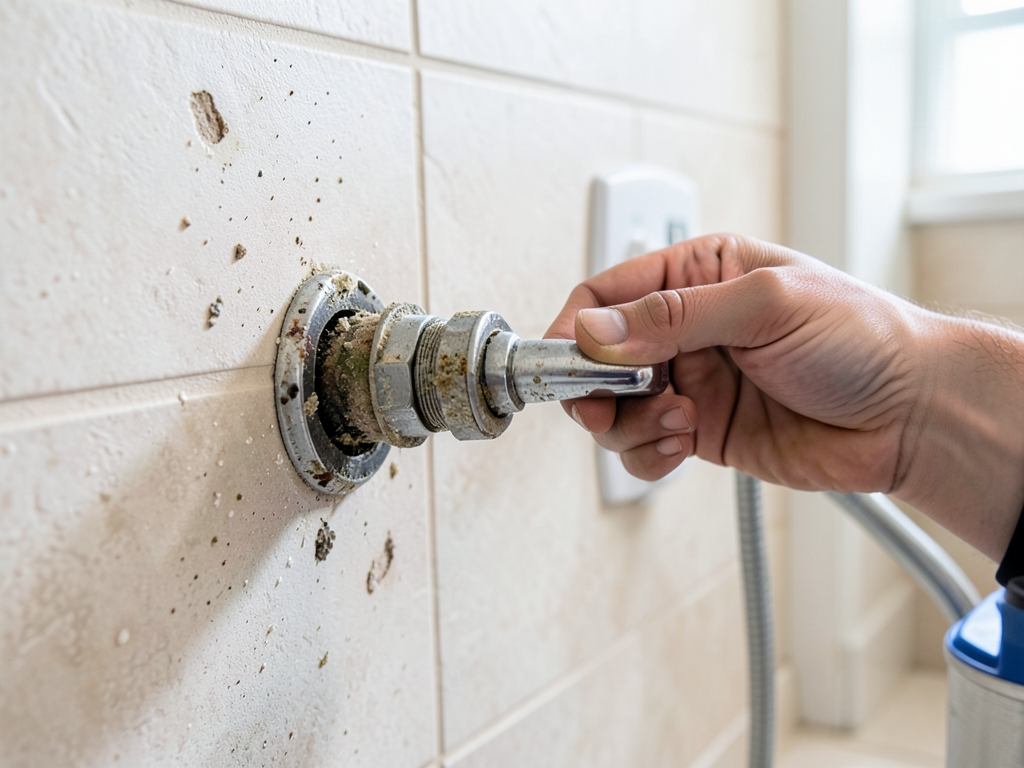
Your shower is running lukewarm and you’ve already checked the water heater. It’s heating fine. So what’s the problem? In Alta Vista homes, the culprit is often the shower mixing valve. This small but critical component blends hot and cold water to deliver the perfect temperature. When it fails, you get inconsistent or cold water no matter what the heater is doing.. Read more about Why your water heater is making a popping sound and how to fix it (Oakwell Farms).
The most common issue in San Antonio is mineral buildup from our notoriously hard water. The Edwards Aquifer water contains 15-20+ grains of hardness, which means calcium and magnesium deposits accumulate inside the valve cartridge over time. This causes the internal components to stick, wear out, or fail completely. You might notice the handle becoming harder to turn, or the temperature fluctuating wildly during use. Emergency San Antonio Plumbers Who Actually Answer the Phone at Night.
Another frequent problem is the pressure-balancing mechanism wearing out. Modern valves include this safety feature to prevent scalding when someone flushes a toilet elsewhere in the house. When this fails, the valve can’t maintain consistent pressure, resulting in lukewarm or cold water that never gets truly hot.
Here’s what to check before calling a plumber: First, try other faucets in your home. If they produce hot water but your shower doesn’t, that confirms the valve is the problem. Next, check if your shower has integral shut-off stops behind the handle plate. These small valves can get stuck closed, blocking hot water flow entirely.
If you’re comfortable with basic plumbing, you can attempt a cartridge replacement. Turn off the main water supply, remove the handle and trim plate, then unscrew the cartridge. Take it to a plumbing supply store to get an exact replacement for your valve brand (Moen, Delta, Kohler are most common in Alta Vista homes). But be warned: if the valve body itself is corroded or the problem is cross-over flow, you’ll need professional replacement. Safe and Professional Gas Line Repairs for Hollywood Park Residents.
Cross-over flow happens when a failed valve allows hot water to leak into cold lines or vice versa. You might notice warm water coming from your cold tap or the shower never getting fully cold. This requires valve replacement, not just a cartridge swap. Getting a Clogged Drain Cleared Fast Near the San Antonio Medical Center.
The cost to replace a shower valve in Alta Vista typically ranges from $350-$600 for a standard replacement, depending on valve type and accessibility. Thermostatic valves cost more but offer better temperature control. Always check if your home’s plumbing meets current San Antonio codes before replacement.
Call (210) 374-7773 today to schedule your inspection before the next cold shower hits. Our plumbers carry common cartridges on their trucks and can often fix the problem in a single visit.
5 Signs Your Shower Mixing Valve is Failing
Understanding the warning signs can help you decide whether to attempt a DIY fix or call a professional. Here are the five most common indicators that your shower valve needs attention. Early Warning Signs of a Slab Leak in Your Alamo Heights Home.
Temperature fluctuations are the most obvious sign. You might set the handle to what should be a hot shower, but the water temperature varies wildly during use. Sometimes it gets hot, then suddenly goes cold, or stays lukewarm no matter how you adjust the handle.
Drops in water pressure often accompany valve failure. The valve might restrict flow as it deteriorates, or you may notice pressure dropping significantly when you try to get hotter water. This happens because mineral buildup or worn components can’t maintain proper flow rates.
Leaks behind the wall indicate a more serious problem. If you notice water stains on the wall below your shower or hear dripping sounds, the valve body might be cracked or the seals have failed completely. This requires immediate attention to prevent water damage to your home’s structure.
Stuck or hard-to-turn handles suggest mineral buildup or internal component wear. The handle should move smoothly through its range. If you need to force it or it sticks in certain positions, the internal cartridge or stem is likely damaged.
Cross-over flow is a subtle but serious issue. You might notice warm water coming from your cold tap when the shower is running, or the shower never getting truly cold even when set to cold-only. This means hot and cold water are mixing somewhere they shouldn’t.
Image placeholder 1: Close-up photo of a corroded shower valve cartridge showing mineral deposits and O-ring degradation, with a comparison to a new cartridge side-by-side.
Why San Antonio Hard Water Destroys Mixing Valves
San Antonio’s water quality is both a blessing and a curse for plumbing systems. The Edwards Aquifer provides abundant water, but its mineral content creates unique challenges for homeowners throughout Alta Vista and surrounding neighborhoods.
The water in our region typically measures 15-20+ grains per gallon of hardness. That’s significantly higher than the national average of 7-10 grains. These dissolved minerals, primarily calcium and magnesium, are invisible when the water comes out of your tap but leave visible evidence everywhere they touch.
Inside your shower valve, these minerals precipitate out as the water heats and cools. Over time, they form a rock-like scale on internal components. The valve cartridge, which contains small springs, rubber seals, and precision-engineered parts, becomes encased in mineral deposits. This scale prevents the cartridge from moving freely and eventually causes it to seize completely.
The pressure-balancing mechanism is particularly vulnerable. This safety feature uses small pistons and springs to maintain consistent water pressure. When mineral scale builds up on these components, they can’t move properly to adjust for pressure changes. The result is the temperature fluctuations you experience during your shower.
O-ring seals are another casualty of hard water. These rubber components create watertight seals between moving parts. As minerals accumulate around them, they become compressed, distorted, or simply wear out faster than they should. Once O-rings fail, you get leaks that can damage surrounding materials and reduce water pressure.
Image placeholder 2: Photo of a shower valve disassembled on a workbench, showing the difference between a heavily calcified cartridge and a clean new one, with mineral deposits visible under magnification.
Common Causes: Cartridge Wear vs. Valve Body Corrosion
Understanding whether you need a simple cartridge replacement or a complete valve replacement can save you time and money. Here’s how to tell the difference between these two common failure scenarios.
Cartridge wear is the most common and least expensive problem to fix. The cartridge is the removable component inside your valve that controls water mixing and flow. It contains all the moving parts and is designed to be replaced when it wears out.
Signs of cartridge wear include: handle sticking but still moving, temperature fluctuations that respond somewhat to handle adjustments, and the ability to remove the cartridge without excessive force. If you can pull out the old cartridge and it looks intact (just dirty or worn), you probably just need a replacement cartridge.
Valve body corrosion is a more serious problem that requires complete valve replacement. The valve body is the permanent housing inside your wall that the cartridge fits into. When this becomes corroded, no new cartridge will work properly.
Signs of valve body corrosion include: the cartridge won’t come out even with proper tools, you see rust or severe mineral buildup inside the valve body, or you’ve already replaced the cartridge but still have problems. Sometimes you can see corrosion through the opening where the cartridge sits.
Cross-over flow often indicates valve body problems. If hot water is leaking into cold lines or vice versa, the internal pathways in the valve body have likely been compromised. This requires replacing the entire valve assembly, not just the cartridge.
Age matters. Most shower valves last 8-14 years in San Antonio’s hard water conditions. If your valve is older than this and showing problems, replacement is often more cost-effective than repeated repairs. Modern valves have better materials and designs that resist mineral buildup more effectively.
Image placeholder 3: Before and after photo series showing a complete shower valve replacement, with the old corroded valve body next to the new installation in an Alta Vista bathroom.
DIY vs. Professional Repair: The Risks of Scalding
Deciding whether to tackle shower valve repair yourself requires understanding the risks involved. While cartridge replacement is within reach for many homeowners, there are important safety considerations to keep in mind. EPA WaterSense.
The biggest risk is scalding. Modern pressure-balancing valves include anti-scald protection that prevents water from exceeding safe temperatures (typically capped at 120°F). When you remove these valves, you lose this protection temporarily. If someone accidentally turns on the hot water during your repair, you could be exposed to water hot enough to cause second-degree burns in seconds.
Water damage is another concern. Shower valves are installed inside walls, and removing them requires opening the wall. If you’re not careful with the installation or don’t properly seal everything, you could create leaks that damage your home’s structure. Water damage repairs often cost far more than the original valve replacement.
Code compliance matters. San Antonio plumbing codes require specific installation methods and materials. DIY repairs might not meet current code requirements, which can cause problems if you sell your home or need to file an insurance claim. Professional plumbers know the current codes and ensure your repair meets all requirements.
Tool requirements can be surprising. Cartridge removal often requires special tools like cartridge pullers or deep sockets. Without the right tools, you risk damaging the valve body or surrounding plumbing. A professional plumber carries these specialized tools and knows how to use them without causing additional damage.
Warranty considerations also play a role. Many valve manufacturers require professional installation for their warranties to remain valid. DIY installation might void the warranty, leaving you without protection if the new valve fails prematurely.
When to call a professional: If you’re dealing with valve body corrosion, cross-over flow, or if you’re unsure about any aspect of the repair. Also call a pro if you need to modify plumbing lines, work with gas water heaters, or if the valve is in a difficult-to-access location.
Estimated Costs for Valve Repair in San Antonio
Understanding the potential costs helps you make informed decisions about your shower repair. Here’s what you can expect to pay for various valve repair scenarios in the Alta Vista area. How We Repair Sewer Lines in King William Without Destroying the History.
Cartridge replacement is the most affordable option, typically ranging from $150-$250 including parts and labor. This assumes the cartridge is easily accessible and the valve body is in good condition. The cartridge itself usually costs $30-$80, with the rest being labor.
Complete valve replacement costs more, generally $350-$600 for standard installations. This includes removing the old valve, installing a new one, and any necessary wall repairs. Premium thermostatic valves can push the cost toward $700-$900.
Emergency service calls add to the cost, typically $100-$150 extra for after-hours or weekend service. Given that shower problems often become urgent when you can’t take a hot shower, many homeowners end up paying these premiums.
Additional costs to consider: wall repair and painting ($150-$300), water damage assessment if leaks are present ($100-$200), and potential plumbing modifications if your home’s plumbing doesn’t meet current code requirements ($200-$500).
DIY cost comparison: If you do it yourself, you’ll pay only for parts ($30-$200 for the cartridge or valve) but risk additional costs if something goes wrong. Water damage from a failed DIY repair can easily cost thousands to fix.
Factors affecting cost: Valve brand (Moen, Delta, Kohler have different part costs), valve accessibility (harder-to-reach valves take more labor time), whether wall repair is needed, and whether any plumbing modifications are required to meet current codes.
Insurance considerations: Some homeowners insurance policies cover sudden plumbing failures, but gradual wear and tear typically isn’t covered. Check your policy details before deciding on repair options.
Cost-saving tips: Get multiple quotes, ask about off-peak pricing, and consider scheduling repairs during regular business hours rather than emergencies. Some plumbers offer discounts for first-time customers or military personnel.
Call (210) 374-7773 today for a free estimate on your shower valve repair. We’ll diagnose the problem and provide upfront pricing before any work begins.
Frequently Asked Questions
Why does my shower only get lukewarm even when I turn it all the way to hot?
This usually indicates a failing mixing valve cartridge. The internal components that control hot water flow are likely worn or clogged with mineral deposits. In San Antonio’s hard water conditions, calcium buildup is the most common cause. The valve can’t properly mix or allow hot water to flow, resulting in consistently lukewarm temperatures.
Can I replace just the cartridge instead of the whole valve?
Yes, if the valve body is in good condition and you can remove the old cartridge without damage. Cartridge replacement is much less expensive than full valve replacement. However, if the valve body is corroded or you’re experiencing cross-over flow, you’ll need to replace the entire valve assembly for a proper fix.
How long should a shower mixing valve last in San Antonio?
Most shower mixing valves last 8-14 years in San Antonio’s hard water conditions. The high mineral content from the Edwards Aquifer accelerates wear on internal components. You might get longer life with water softening systems, but eventually all valves need replacement due to mineral buildup and normal wear.
Is it dangerous to shower if my mixing valve is failing?
While not immediately dangerous, failing valves can create scalding risks. If the pressure-balancing mechanism fails completely, you could be exposed to water temperatures exceeding 140°F, which can cause burns in seconds. Also, leaks from failing valves can lead to mold growth and structural damage behind walls.
What’s the difference between a pressure-balancing and thermostatic valve?
Pressure-balancing valves maintain consistent water pressure to prevent scalding when other fixtures are used. Thermostatic valves maintain consistent water temperature regardless of pressure changes. Thermostatic valves are more expensive but offer better temperature control and additional safety features, making them worth considering for new installations or replacements. For more information, visit SAWS Water Quality.
{
“@context”: “https://schema.org”,
“@type”: “BlogPosting”,
“headline”: “Why your shower stays lukewarm even when the water heater is working (Alta Vista)”,
“description”: “Discover why your shower stays lukewarm despite a working water heater. Learn about San Antonio’s hard water impact, mixing valve failures, and when to call a plumber.”,
“wordCount”: 2373,
“datePublished”: “2026-06-01T07:07:00.000Z”,
“dateModified”: “2026-06-01T07:07:00.000Z”,
“inLanguage”: “en-US”,
“mainEntityOfPage”: {
“@type”: “WebPage”,
“@id”: “https://alphaplumbingsanantonio.com”
},
“publisher”: {
“@type”: “LocalBusiness”,
“name”: “Alpha Plumbing San Antonio”,
“url”: “https://alphaplumbingsanantonio.com”
},
“author”: {
“@type”: “Organization”,
“name”: “Alpha Plumbing San Antonio”,
“url”: “https://alphaplumbingsanantonio.com”
},
“image”: {
“@type”: “ImageObject”,
“url”: “https://alphaplumbingsanantonio.com/wp-content/uploads/2026/03/why-your-shower-stays-lukewarm-even-when-the-water-1.png”
}
}
{
“@context”: “https://schema.org”,
“@type”: “Plumber”,
“name”: “Alpha Plumbing San Antonio”,
“url”: “https://alphaplumbingsanantonio.com”,
“address”: {
“@type”: “PostalAddress”,
“addressLocality”: “San Antonio”
},
“areaServed”: {
“@type”: “City”,
“name”: “San Antonio”
}
}
{
“@context”: “https://schema.org”,
“@type”: “FAQPage”,
“mainEntity”: [
{
“@type”: “Question”,
“name”: “Why does my shower only get lukewarm even when I turn it all the way to hot?”,
“acceptedAnswer”: {
“@type”: “Answer”,
“text”: “This usually indicates a failing mixing valve cartridge. The internal components that control hot water flow are likely worn or clogged with mineral deposits. In San Antonio’s hard water conditions, calcium buildup is the most common cause. The valve can’t properly mix or allow hot water to flow, resulting in consistently lukewarm temperatures.”
}
},
{
“@type”: “Question”,
“name”: “Can I replace just the cartridge instead of the whole valve?”,
“acceptedAnswer”: {
“@type”: “Answer”,
“text”: “Yes, if the valve body is in good condition and you can remove the old cartridge without damage. Cartridge replacement is much less expensive than full valve replacement. However, if the valve body is corroded or you’re experiencing cross-over flow, you’ll need to replace the entire valve assembly for a proper fix.”
}
},
{
“@type”: “Question”,
“name”: “How long should a shower mixing valve last in San Antonio?”,
“acceptedAnswer”: {
“@type”: “Answer”,
“text”: “Most shower mixing valves last 8-14 years in San Antonio’s hard water conditions. The high mineral content from the Edwards Aquifer accelerates wear on internal components. You might get longer life with water softening systems, but eventually all valves need replacement due to mineral buildup and normal wear.”
}
},
{
“@type”: “Question”,
“name”: “Is it dangerous to shower if my mixing valve is failing?”,
“acceptedAnswer”: {
“@type”: “Answer”,
“text”: “While not immediately dangerous, failing valves can create scalding risks. If the pressure-balancing mechanism fails completely, you could be exposed to water temperatures exceeding 140°F, which can cause burns in seconds. Also, leaks from failing valves can lead to mold growth and structural damage behind walls.”
}
},
{
“@type”: “Question”,
“name”: “What’s the difference between a pressure-balancing and thermostatic valve?”,
“acceptedAnswer”: {
“@type”: “Answer”,
“text”: “Pressure-balancing valves maintain consistent water pressure to prevent scalding when other fixtures are used. Thermostatic valves maintain consistent water temperature regardless of pressure changes. Thermostatic valves are more expensive but offer better temperature control and additional safety features, making them worth considering for new installations or replacements. For more information, visit SAWS Water Quality.”
}
}
]
}
{
“@context”: “https://schema.org”,
“@type”: “BreadcrumbList”,
“itemListElement”: [
{
“@type”: “ListItem”,
“position”: 1,
“name”: “Home”,
“item”: “https://alphaplumbingsanantonio.com”
},
{
“@type”: “ListItem”,
“position”: 2,
“name”: “Blog”,
“item”: “https://alphaplumbingsanantonio.com/blog”
},
{
“@type”: “ListItem”,
“position”: 3,
“name”: “Why your shower stays lukewarm even when the water heater is working (Alta Vista)”
}
]
}
{
“@context”: “https://schema.org”,
“@type”: “Service”,
“serviceType”: “Plumbing”,
“provider”: {
“@type”: “LocalBusiness”,
“name”: “Alpha Plumbing San Antonio”,
“url”: “https://alphaplumbingsanantonio.com”
},
“areaServed”: {
“@type”: “City”,
“name”: “San Antonio”
},
“description”: “Discover why your shower stays lukewarm despite a working water heater. Learn about San Antonio’s hard water impact, mixing valve failures, and when to call a plumber.”
}