
Why Is My Water Heater Making a Popping Sound? (San Antonio Guide)
Your water heater is making a popping sound because sediment from San Antonio’s hard water is building up at the bottom of the tank. This is a common issue in Oakwell Farms homes where the Edwards Aquifer water contains high levels of calcium and magnesium. The popping noise happens when steam bubbles form under the sediment layer and burst through creating that distinctive sound. Edwards Aquifer Authority.
If you hear this noise your water heater is working harder than it should and could fail prematurely. The good news is that in most cases this problem can be fixed with professional maintenance. But first let’s understand exactly what’s happening inside your tank. Safe and Professional Gas Line Repairs for Hollywood Park Residents.
The Science Behind the ‘Popping’ (Sediment & Limescale)
The popping sound you hear is called ‘kettling’ in the plumbing industry. Here’s what’s actually happening inside your water heater: Plumbing Boerne.
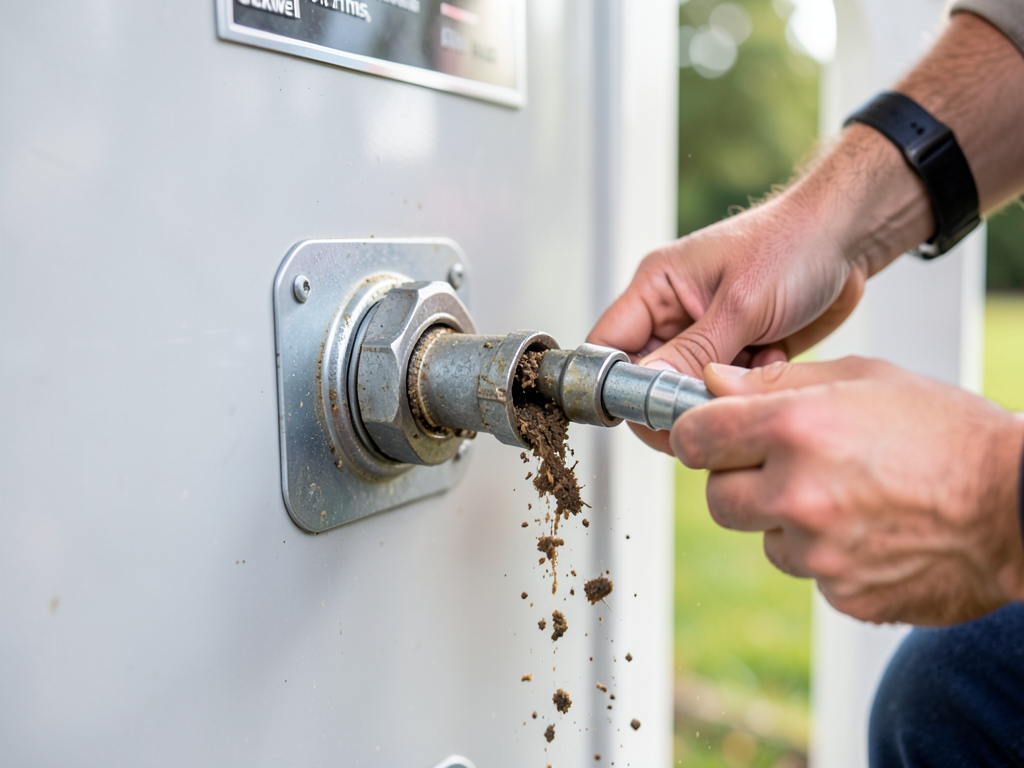
As San Antonio’s mineral-rich water heats up calcium carbonate and magnesium settle to the bottom of your tank. Over months and years this sediment layer grows thicker. When the burner fires beneath this layer water trapped under the sediment superheats and turns to steam. These steam bubbles have to force their way through the sediment creating the popping or crackling noise you hear. Emergency San Antonio Plumbers Who Actually Answer the Phone at Night.
Think of it like water boiling under a layer of sand at the bottom of a pot. The steam builds pressure until it bursts through making that popping sound. The harder your water the faster this sediment builds up.
San Antonio’s water hardness levels are among the highest in the country typically measuring 15-20 grains per gallon in Oakwell Farms. For comparison water is considered ‘hard’ at 7-10 grains per gallon. This means Oakwell Farms homes accumulate sediment in their water heaters much faster than homes in other regions.
Is a Popping Water Heater Dangerous?
While the popping sound itself isn’t immediately dangerous it signals conditions that can lead to serious problems. The sediment layer acts like insulation between the burner and the water forcing your water heater to work much harder to heat the same amount of water.
This inefficiency can cause several issues:
- Overheating: The burner runs hotter and longer potentially damaging the tank lining
- Pressure problems: Sediment can clog the temperature and pressure relief valve
- Corrosion: Trapped moisture accelerates tank deterioration from the bottom up
- Energy waste: Your utility bills increase as the heater works overtime
The most serious risk is tank failure. When sediment builds up enough it can cause hot spots on the tank bottom. These hot spots weaken the steel eventually leading to leaks or even tank rupture. In extreme cases a failed pressure relief valve combined with sediment blockage could create a dangerous pressure situation.
If you notice the popping sound along with rusty water fluctuating water temperatures or visible leaks around the base of your heater call a professional immediately. These are warning signs that your tank may be failing. Early Warning Signs of a Slab Leak in Your Alamo Heights Home.
Why San Antonio’s Water Makes This Problem Worse
San Antonio’s water comes from the Edwards Aquifer which naturally contains high levels of dissolved minerals. As water travels through limestone formations underground it picks up calcium and magnesium. This gives our water its characteristic ‘hardness’ but also creates problems for water heaters.
The Edwards Aquifer Authority monitors water quality across different zones. In Oakwell Farms the water typically measures 17-19 grains per gallon of hardness. This is significantly higher than the national average of 5-7 grains per gallon.
Local plumbers report that water heaters in San Antonio neighborhoods like Oakwell Farms Alamo Heights and Terrell Hills need flushing every 12-18 months compared to every 3-5 years in areas with softer water. The difference is dramatic and directly tied to our unique geology.
Another factor specific to Oakwell Farms is the age of many homes. Many houses in this area were built in the 1960s-1980s and still have their original water heaters. These older tanks have already accumulated years of sediment buildup making them more susceptible to the popping sound and related problems.
How to Fix a Popping Water Heater
The most effective solution for a popping water heater is professional flushing. This process removes the sediment buildup and restores your heater’s efficiency. Here’s what the process involves:
- Safety Preparation
Turn off power to electric heaters or set gas heaters to ‘pilot’ mode. Close the cold water supply valve.
- Drain the Tank
Connect a garden hose to the drain valve and route it to a floor drain or outside. Open the valve and allow the tank to empty completely.
- Flush with Fresh Water
Open the cold water supply briefly to stir up remaining sediment then drain again. Repeat until the water runs clear.
- Inspect and Clean
Check the anode rod for corrosion. Clean the burner assembly and inspect for damage.
- Refill and Restart
Close the drain valve refill the tank and restore power or gas. Check for leaks.
While this process sounds straightforward it requires proper safety precautions and can be messy. The drain valve can break if it’s old or corroded and improper handling of gas lines or electrical components can be dangerous.
For most Oakwell Farms homeowners professional service is the safest and most effective option. A licensed plumber can complete the job in about an hour and will also check for other potential issues like valve function and tank integrity.
The cost of professional flushing in San Antonio typically ranges from $150-300 depending on your specific situation. This is significantly less than the $1000-2000 cost of replacing a failed water heater due to sediment damage.
Preventative Maintenance: The Anode Rod and Water Softeners
Beyond flushing two strategies can help prevent the popping sound from returning: anode rod maintenance and water softening.
The anode rod is a sacrificial metal rod inside your water heater that attracts corrosive elements in the water. In San Antonio’s mineral-rich water the anode rod typically lasts 2-3 years before needing replacement. A corroded anode rod can’t protect your tank effectively leading to faster deterioration.
During a professional service visit your plumber should inspect the anode rod. If it’s less than half its original thickness or heavily corroded replacement is recommended. This simple $50-100 part can extend your water heater’s life by several years.
Water softeners offer a more comprehensive solution. These systems remove calcium and magnesium before water enters your home preventing sediment buildup entirely. For Oakwell Farms homes a whole-house water softener can:
- Reduce water hardness to near-zero levels
- Extend water heater life by 5-10 years
- Improve soap and detergent effectiveness
- Prevent scale buildup in pipes and fixtures
The initial investment for a quality water softener system ranges from $1500-3000 installed. However when you factor in extended appliance life reduced energy costs and eliminated maintenance needs most homeowners recoup this investment within 3-5 years.
According to the Texas State Board of Plumbing Examiners proper water softener installation must comply with local plumbing codes. In San Antonio this includes proper drainage for the regeneration cycle and backflow prevention devices. Texas State Board of Plumbing Examiners.
When to Call a Professional
While some homeowners attempt DIY water heater maintenance certain situations warrant professional service:
- Your water heater is over 8 years old
- You notice rusty water or metallic taste
- The popping sound is accompanied by leaks
- You’re unsure about handling gas or electrical components
- Your water heater is in a finished area of your home
Professional plumbers in Oakwell Farms understand the specific challenges of our local water quality and can provide targeted solutions. They also carry proper insurance and follow all local building codes including the City of San Antonio plumbing code amendments that govern water heater installations and modifications. City of San Antonio.
Don’t wait until your water heater fails completely. The popping sound is your early warning system. Addressing it promptly can save you from the inconvenience and expense of emergency replacement.
Call (210) 374-7773 today to schedule your water heater inspection and stop that annoying popping sound before it leads to bigger problems. Our licensed plumbers serve Oakwell Farms and all surrounding San Antonio neighborhoods with prompt professional service.
Frequently Asked Questions
How often should I flush my water heater in San Antonio?
In Oakwell Farms and most San Antonio neighborhoods you should flush your water heater every 12-18 months due to our high mineral content water. Homes with water softeners may extend this to every 2-3 years.
Can I prevent the popping sound entirely?
Yes installing a whole-house water softener can prevent sediment buildup entirely. However if you don’t want a softener regular professional flushing is your best prevention method.
Is the popping sound covered by warranty?
Most manufacturer warranties don’t cover sediment damage because it’s considered a maintenance issue. However if your heater is under warranty and making unusual noises contact the manufacturer as some may cover diagnostic visits.
How long can I wait before fixing a popping water heater?
Don’t wait more than a few weeks once you notice the sound. While it’s not immediately dangerous sediment damage accelerates over time and can lead to premature tank failure or inefficient operation that costs you money on utility bills.
Should I replace my old water heater or repair it?
If your water heater is over 10 years old and making popping sounds replacement is often more cost-effective than repair. New units are more energy-efficient and come with better warranties. Your plumber can help you decide based on your specific situation. How We Repair Sewer Lines in King William Without Destroying the History.
{
“@context”: “https://schema.org”,
“@type”: “BlogPosting”,
“headline”: “Why your water heater is making a popping sound and how to fix it (Oakwell Farms)”,
“description”: “Fix the popping sound from your Oakwell Farms water heater. Learn how San Antonio’s hard water causes sediment buildup and what you can do about it.”,
“wordCount”: 1631,
“datePublished”: “2026-05-27T10:55:00.000Z”,
“dateModified”: “2026-05-27T10:55:00.000Z”,
“inLanguage”: “en-US”,
“mainEntityOfPage”: {
“@type”: “WebPage”,
“@id”: “https://alphaplumbingsanantonio.com”
},
“publisher”: {
“@type”: “LocalBusiness”,
“name”: “Alpha Plumbing San Antonio”,
“url”: “https://alphaplumbingsanantonio.com”
},
“author”: {
“@type”: “Organization”,
“name”: “Alpha Plumbing San Antonio”,
“url”: “https://alphaplumbingsanantonio.com”
},
“image”: {
“@type”: “ImageObject”,
“url”: “https://alphaplumbingsanantonio.com/wp-content/uploads/2026/03/why-your-water-heater-is-making-a-popping-sound-an-1.png”
}
}
{
“@context”: “https://schema.org”,
“@type”: “Plumber”,
“name”: “Alpha Plumbing San Antonio”,
“url”: “https://alphaplumbingsanantonio.com”,
“address”: {
“@type”: “PostalAddress”,
“addressLocality”: “San Antonio”
},
“areaServed”: {
“@type”: “City”,
“name”: “San Antonio”
}
}
{
“@context”: “https://schema.org”,
“@type”: “FAQPage”,
“mainEntity”: [
{
“@type”: “Question”,
“name”: “Is a Popping Water Heater Dangerous?”,
“acceptedAnswer”: {
“@type”: “Answer”,
“text”: “While the popping sound itself isn’t immediately dangerous it signals conditions that can lead to serious problems. The sediment layer acts like insulation between the burner and the water forcing your water heater to work much harder to heat the same amount of water.”
}
},
{
“@type”: “Question”,
“name”: “How often should I flush my water heater in San Antonio?”,
“acceptedAnswer”: {
“@type”: “Answer”,
“text”: “In Oakwell Farms and most San Antonio neighborhoods you should flush your water heater every 12-18 months due to our high mineral content water. Homes with water softeners may extend this to every 2-3 years.”
}
},
{
“@type”: “Question”,
“name”: “Can I prevent the popping sound entirely?”,
“acceptedAnswer”: {
“@type”: “Answer”,
“text”: “Yes installing a whole-house water softener can prevent sediment buildup entirely. However if you don’t want a softener regular professional flushing is your best prevention method.”
}
},
{
“@type”: “Question”,
“name”: “Is the popping sound covered by warranty?”,
“acceptedAnswer”: {
“@type”: “Answer”,
“text”: “Most manufacturer warranties don’t cover sediment damage because it’s considered a maintenance issue. However if your heater is under warranty and making unusual noises contact the manufacturer as some may cover diagnostic visits.”
}
},
{
“@type”: “Question”,
“name”: “How long can I wait before fixing a popping water heater?”,
“acceptedAnswer”: {
“@type”: “Answer”,
“text”: “Don’t wait more than a few weeks once you notice the sound. While it’s not immediately dangerous sediment damage accelerates over time and can lead to premature tank failure or inefficient operation that costs you money on utility bills.”
}
},
{
“@type”: “Question”,
“name”: “Should I replace my old water heater or repair it?”,
“acceptedAnswer”: {
“@type”: “Answer”,
“text”: “If your water heater is over 10 years old and making popping sounds replacement is often more cost-effective than repair. New units are more energy-efficient and come with better warranties. Your plumber can help you decide based on your specific situation. How We Repair Sewer Lines in King William Without Destroying the History.”
}
}
]
}
{
“@context”: “https://schema.org”,
“@type”: “HowTo”,
“name”: “How to Flush a Water Heater”,
“step”: [
{
“@type”: “HowToStep”,
“position”: 1,
“name”: “Safety Preparation”,
“text”: “Turn off power to electric heaters or set gas heaters to ‘pilot’ mode. Close the cold water supply valve.”
},
{
“@type”: “HowToStep”,
“position”: 2,
“name”: “Drain the Tank”,
“text”: “Connect a garden hose to the drain valve and route it to a floor drain or outside. Open the valve and allow the tank to empty completely.”
},
{
“@type”: “HowToStep”,
“position”: 3,
“name”: “Flush with Fresh Water”,
“text”: “Open the cold water supply briefly to stir up remaining sediment then drain again. Repeat until the water runs clear.”
},
{
“@type”: “HowToStep”,
“position”: 4,
“name”: “Inspect and Clean”,
“text”: “Check the anode rod for corrosion. Clean the burner assembly and inspect for damage.”
},
{
“@type”: “HowToStep”,
“position”: 5,
“name”: “Refill and Restart”,
“text”: “Close the drain valve refill the tank and restore power or gas. Check for leaks.”
}
],
“image”: “https://alphaplumbingsanantonio.com/wp-content/uploads/2026/03/why-your-water-heater-is-making-a-popping-sound-an-1.png”
}
{
“@context”: “https://schema.org”,
“@type”: “BreadcrumbList”,
“itemListElement”: [
{
“@type”: “ListItem”,
“position”: 1,
“name”: “Home”,
“item”: “https://alphaplumbingsanantonio.com”
},
{
“@type”: “ListItem”,
“position”: 2,
“name”: “Blog”,
“item”: “https://alphaplumbingsanantonio.com/blog”
},
{
“@type”: “ListItem”,
“position”: 3,
“name”: “Why your water heater is making a popping sound and how to fix it (Oakwell Farms)”
}
]
}
{
“@context”: “https://schema.org”,
“@type”: “Service”,
“serviceType”: “Plumbing”,
“provider”: {
“@type”: “LocalBusiness”,
“name”: “Alpha Plumbing San Antonio”,
“url”: “https://alphaplumbingsanantonio.com”
},
“areaServed”: {
“@type”: “City”,
“name”: “San Antonio”
},
“description”: “Fix the popping sound from your Oakwell Farms water heater. Learn how San Antonio’s hard water causes sediment buildup and what you can do about it.”
}