
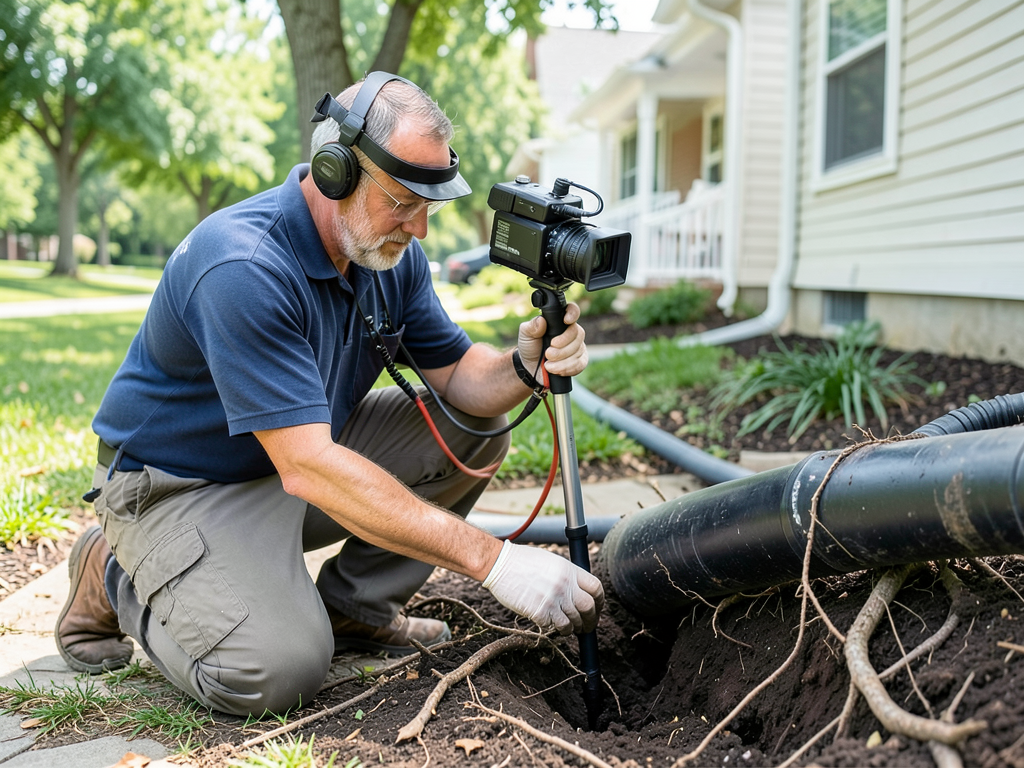
Tree roots are silently destroying sewer lines across Monticello Park. Mature oaks and pecans are sending roots deep into aging pipes, causing slow drains, backups, and expensive damage. If you hear gurgling from your toilet or notice water pooling near floor drains, you may already have a root invasion happening underground. How We Repair Sewer Lines in King William Without Destroying the History.
The problem is especially severe in Monticello Park because the neighborhood’s mature trees combined with San Antonio’s expansive clay soil create the perfect conditions for root intrusion. Roots seek moisture and can squeeze through tiny pipe cracks, then grow larger inside, blocking flow completely. San Antonio Water System.
We use specialized camera inspections to locate root intrusions without digging up your yard. Our hydro-jetting equipment cuts through roots without damaging pipes, and trenchless repair options can replace damaged sections with minimal disruption to your landscaping.. Read more about Sewer Camera Inspections for First-Time Buyers in Tobin Hill.
Call (210) 374-7773 today to schedule your inspection before the next backup floods your home.
Why San Antonio Trees (and Soil) Are Tough on Your Pipes
Monticello Park’s mature Live Oaks and Cedar Elms send roots searching for water during San Antonio’s hot summers. When roots find even a hairline crack in your sewer line, they grow inside, creating a tangled mass that traps debris and blocks flow. Emergency San Antonio Plumbers Who Actually Answer the Phone at Night.
The problem is worse in neighborhoods with older clay or cast iron pipes installed before 1980. These materials develop cracks from San Antonio’s expansive clay soil, which swells when wet and shrinks during droughts. This constant movement creates perfect entry points for roots.
SAWS data shows that tree root intrusion accounts for nearly 30% of sewer line failures in established San Antonio neighborhoods. The combination of mature trees, aging infrastructure, and reactive soil means Monticello Park homes face higher risk than newer developments. Early Warning Signs of a Slab Leak in Your Alamo Heights Home.
Common warning signs include multiple slow drains throughout the house, gurgling sounds from toilets, and sewage odors near floor drains. These symptoms often appear gradually, making early detection critical.. Read more about Drain Snaking vs Hydro Jetting – Which One Does Your Leon Valley Home Need?.
Regular camera inspections can catch root intrusions before they cause major damage. We recommend annual inspections for homes over 15 years old, especially those with large trees within 20 feet of the sewer line.
5 Warning Signs of Root Intrusion in Your Sewer Line
Early detection saves thousands in repair costs. Here are the five most common signs that tree roots have invaded your Monticello Park sewer line.
Gurgling toilets are often the first audible warning. When roots partially block the pipe, air gets trapped and released through water, creating distinctive bubbling sounds. This happens because the blockage forces air to escape through the toilet trap instead of flowing freely through the vent stack.
Slow drains throughout the house indicate a mainline blockage rather than a localized clog. If your kitchen sink, bathroom drains, and toilet all drain slowly, roots are likely blocking the main sewer line. This differs from a single slow drain, which usually indicates a localized pipe issue. Commercial Kitchen Plumbing.
Water backing up into floor drains or bathtubs during washing machine use suggests a severe blockage. When the washing machine drains, it sends a large volume of water through pipes quickly. If roots are blocking the line, this sudden surge has nowhere to go but back up through the lowest drains in your home.
Sewage odors near floor drains or in the yard indicate that wastewater is not flowing properly. When roots block the line, sewage can accumulate and create gases that escape through drains or surface through the ground near the sewer line.
Sudden lush patches in your yard often indicate a broken sewer line feeding plant roots. Tree roots grow aggressively toward the nutrient-rich wastewater, creating green spots that stand out from surrounding grass. This is especially noticeable during San Antonio’s dry summers when the rest of your lawn turns brown.
Our Specialized Root Removal Process: From Camera to Cleanout
We follow a proven process that removes roots completely while protecting your pipes and landscaping. Our method combines advanced diagnostics with targeted removal techniques.
The first step is video camera inspection. We insert a waterproof camera into your sewer line to locate exactly where roots have entered and how extensive the blockage is. This eliminates guesswork and allows us to provide accurate repair recommendations. The camera shows pipe material, root location, and any existing damage.
Based on the camera findings, we choose between mechanical snaking and hydro-jetting. Mechanical snaking uses rotating blades to cut through roots, effective for minor intrusions. Hydro-jetting uses high-pressure water (up to 4,000 PSI) to blast roots away and clean pipe walls thoroughly. This method is more effective for severe blockages and removes all debris that could cause future clogs.
After root removal, we apply root-killing foam that prevents regrowth for up to 12 months. This EPA-approved treatment kills remaining root fragments without harming trees or the environment. It’s crucial for preventing immediate regrowth that could undo our work.
Finally, we provide a post-cleaning camera inspection to verify complete root removal and assess pipe condition. This shows you exactly what we accomplished and helps determine if repairs are needed to prevent future intrusions. Safe and Professional Gas Line Repairs for Hollywood Park Residents.
Most root removal jobs in Monticello Park take 2-4 hours. We work efficiently to minimize disruption while ensuring thorough cleaning.
Hydro-Jetting vs. Mechanical Snaking
Choosing the right removal method affects both immediate results and long-term pipe health. Here’s how the two methods compare for tree root removal in San Antonio homes.
| Method | Effectiveness | Best For | Cost Range |
|---|---|---|---|
| Mechanical Snaking | Cuts through roots but leaves debris | Minor root intrusions, thin roots | $250-$450 |
| Hydro-Jetting | Completely removes roots and debris | Severe blockages, multiple entry points | $450-$800 |
Mechanical snaking uses a rotating cable with cutting blades to slice through roots. It’s effective for minor intrusions but leaves root fragments and debris that can cause immediate regrowth. This method works best for pipes with single entry points and minimal blockage.
Hydro-jetting uses pressurized water to blast roots away and clean pipe walls completely. The water pressure scours away all debris, grease, and mineral buildup, leaving pipes as clean as new. This method prevents immediate regrowth and is more effective for severe blockages or pipes with multiple root entry points.
For Monticello Park homes with mature trees, hydro-jetting typically provides better long-term results despite higher initial cost. The thorough cleaning prevents quick regrowth and extends time between maintenance visits.
Trenchless Sewer Line Repair: The No-Dig Solution
When roots cause severe pipe damage, traditional repair means digging up your yard. Trenchless technology offers a faster, less invasive alternative that preserves landscaping while providing permanent solutions.
Pipe bursting replaces damaged sections by pulling a new pipe through the old one while simultaneously breaking apart the damaged pipe. This method works well for collapsed pipes or severe root damage. The new pipe is seamless and root-resistant, typically HDPE material that lasts 50+ years.
Cured-in-place pipe lining (CIPP) creates a new pipe inside your existing one. We insert a felt liner soaked in epoxy resin, then inflate it to fit the pipe walls. After curing, you have a seamless, jointless pipe within your old pipe. This method works for pipes with minor damage but intact structure.
Both methods require only two small access holes rather than trenching the entire line. This means your driveway, landscaping, and hardscaping remain intact. Most trenchless repairs in Monticello Park complete in one day versus several days for traditional excavation.
Costs range from $3,000-$8,000 depending on pipe length and method chosen. While more expensive than simple cleaning, trenchless repair prevents recurring root problems and adds decades to your sewer system’s life.
Permits from the City of San Antonio are required for all sewer line repairs. We handle all permitting and inspections to ensure code compliance.
Preventing Future Root Growth in Bexar County Homes
Prevention costs far less than emergency repairs. Here are proven strategies to keep roots out of your Monticello Park sewer line.
Root barriers installed between trees and sewer lines create physical obstacles that force roots to grow around rather than toward pipes. These barriers, made of plastic or metal, extend 18-24 inches deep and should be installed when planting new trees or when replacing sewer lines.
Strategic tree placement prevents future problems. Plant new trees at least 20 feet from sewer lines, choosing species with less aggressive root systems. Good alternatives for San Antonio include Crape Myrtles, Vitex, and certain palm varieties that grow well in our climate without invasive roots.
Regular maintenance schedules catch problems early. Annual camera inspections for homes over 15 years old can identify root intrusions before they cause backups. We recommend bi-annual inspections for properties with large trees within 15 feet of sewer lines.
Root-killing treatments applied every 6-12 months prevent regrowth after cleaning. These foaming agents travel through pipes, killing roots on contact while being safe for trees and the environment. This maintenance extends time between professional cleanings from months to years.
Upgrading to root-resistant pipe materials during repairs prevents future intrusions. Modern PVC and HDPE pipes have watertight joints and smooth interiors that resist root penetration. These materials, while more expensive initially, eliminate recurring root problems.
Proper watering practices keep tree roots from seeking moisture in pipes. Deep, infrequent watering encourages roots to grow downward rather than horizontally toward sewer lines. This is especially important during San Antonio’s hot summers when trees search aggressively for water.
How Much Does Root Removal Cost in San Antonio?
Root removal costs in Monticello Park vary based on blockage severity, pipe material, and access difficulty. Here’s what to expect for common scenarios.
Basic snaking for minor root intrusions typically costs $250-$400. This works for small root masses in accessible locations with modern pipe materials. The job takes 1-2 hours and provides temporary relief.
Hydro-jetting severe blockages costs $450-$800. This thorough cleaning removes all roots and debris, preventing immediate regrowth. Most Monticello Park homes with mature trees need hydro-jetting rather than simple snaking for effective results.
Camera inspection with diagnosis runs $150-$250. This diagnostic step is essential for determining the right treatment approach. We include basic camera inspection with all major cleaning services.
Trenchless pipe repair costs $3,000-$8,000 depending on damage extent. This permanent solution replaces damaged sections without digging up your yard. Most Monticello Park homes built before 1980 benefit from this upgrade due to aging pipe materials.
Emergency services after hours or weekends cost 1.5x standard rates. We maintain 24/7 availability because sewer backups don’t wait for business hours. Emergency calls in Monticello Park average $350-$600 for immediate response.
Many homeowners’ insurance policies cover sudden sewer line damage but not gradual root intrusion. Check your policy details, as coverage varies significantly between providers.
Preventive maintenance contracts cost $200-$400 annually and include twice-yearly inspections and treatments. These contracts save money long-term by preventing emergency calls and extending pipe life.
Call (210) 374-7773 today to get a free estimate for your specific situation. We provide upfront pricing with no hidden fees.
Frequently Asked Questions
How do I know if tree roots are causing my sewer problems?
Multiple slow drains, gurgling toilets, and sewage odors are the most common signs. A professional camera inspection provides definitive diagnosis by showing root location and extent inside your pipes.
Can I use chemical root killers myself?
Consumer root killers are less effective than professional treatments and can damage pipes if misused. Professional foaming agents are EPA-approved and target roots specifically without harming pipes or the environment.
How long does root removal take?
Basic snaking takes 1-2 hours. Hydro-jetting severe blockages takes 2-4 hours. Trenchless repairs require 1-2 days including permits and inspections. Most Monticello Park jobs complete same-day.
Will removing roots kill my trees?
Professional root removal targets only sewer line roots while preserving the tree’s overall root system. The trees remain healthy while preventing pipe damage. We use methods that protect both your plumbing and landscaping.
How often should I have my sewer line inspected?
Homes over 15 years old need annual inspections. Properties with large trees within 20 feet of sewer lines benefit from bi-annual inspections. Preventive maintenance costs less than emergency repairs.
Don’t wait for a sewage backup to flood your Monticello Park home. Tree roots grow silently until they cause major damage. Call (210) 374-7773 now for professional inspection and removal before the next backup occurs. For more information, visit Texas State Board of Plumbing Examiners.
You may also find this helpful. Transitioning from Septic to Public Sewer in Timberwood Park.
{
“@context”: “https://schema.org”,
“@type”: “BlogPosting”,
“headline”: “Stopping Tree Roots from Invading Your Monticello Park Sewer Line”,
“description”: “Protect your Monticello Park sewer line from invasive tree roots. Learn warning signs, removal methods, and prevention tips from San Antonio plumbing experts.”,
“wordCount”: 2087,
“datePublished”: “2026-03-05T12:51:00.000Z”,
“dateModified”: “2026-03-05T12:51:00.000Z”,
“inLanguage”: “en-US”,
“mainEntityOfPage”: {
“@type”: “WebPage”,
“@id”: “https://alphaplumbingsanantonio.com”
},
“publisher”: {
“@type”: “LocalBusiness”,
“name”: “Alpha Plumbing San Antonio”,
“url”: “https://alphaplumbingsanantonio.com”
},
“author”: {
“@type”: “Organization”,
“name”: “Alpha Plumbing San Antonio”,
“url”: “https://alphaplumbingsanantonio.com”
},
“image”: {
“@type”: “ImageObject”,
“url”: “https://alphaplumbingsanantonio.com/wp-content/uploads/2026/03/stopping-tree-roots-from-invading-your-monticello-1.png”
}
}
{
“@context”: “https://schema.org”,
“@type”: “Plumber”,
“name”: “Alpha Plumbing San Antonio”,
“url”: “https://alphaplumbingsanantonio.com”,
“address”: {
“@type”: “PostalAddress”,
“addressLocality”: “San Antonio”
},
“areaServed”: {
“@type”: “City”,
“name”: “San Antonio”
}
}
{
“@context”: “https://schema.org”,
“@type”: “FAQPage”,
“mainEntity”: [
{
“@type”: “Question”,
“name”: “How Much Does Root Removal Cost in San Antonio?”,
“acceptedAnswer”: {
“@type”: “Answer”,
“text”: “Root removal costs in Monticello Park vary based on blockage severity, pipe material, and access difficulty. Here’s what to expect for common scenarios.”
}
},
{
“@type”: “Question”,
“name”: “How do I know if tree roots are causing my sewer problems?”,
“acceptedAnswer”: {
“@type”: “Answer”,
“text”: “Multiple slow drains, gurgling toilets, and sewage odors are the most common signs. A professional camera inspection provides definitive diagnosis by showing root location and extent inside your pipes.”
}
},
{
“@type”: “Question”,
“name”: “Can I use chemical root killers myself?”,
“acceptedAnswer”: {
“@type”: “Answer”,
“text”: “Consumer root killers are less effective than professional treatments and can damage pipes if misused. Professional foaming agents are EPA-approved and target roots specifically without harming pipes or the environment.”
}
},
{
“@type”: “Question”,
“name”: “How long does root removal take?”,
“acceptedAnswer”: {
“@type”: “Answer”,
“text”: “Basic snaking takes 1-2 hours. Hydro-jetting severe blockages takes 2-4 hours. Trenchless repairs require 1-2 days including permits and inspections. Most Monticello Park jobs complete same-day.”
}
},
{
“@type”: “Question”,
“name”: “Will removing roots kill my trees?”,
“acceptedAnswer”: {
“@type”: “Answer”,
“text”: “Professional root removal targets only sewer line roots while preserving the tree’s overall root system. The trees remain healthy while preventing pipe damage. We use methods that protect both your plumbing and landscaping.”
}
},
{
“@type”: “Question”,
“name”: “How often should I have my sewer line inspected?”,
“acceptedAnswer”: {
“@type”: “Answer”,
“text”: “Homes over 15 years old need annual inspections. Properties with large trees within 20 feet of sewer lines benefit from bi-annual inspections. Preventive maintenance costs less than emergency repairs.”
}
}
]
}
{
“@context”: “https://schema.org”,
“@type”: “BreadcrumbList”,
“itemListElement”: [
{
“@type”: “ListItem”,
“position”: 1,
“name”: “Home”,
“item”: “https://alphaplumbingsanantonio.com”
},
{
“@type”: “ListItem”,
“position”: 2,
“name”: “Blog”,
“item”: “https://alphaplumbingsanantonio.com/blog”
},
{
“@type”: “ListItem”,
“position”: 3,
“name”: “Stopping Tree Roots from Invading Your Monticello Park Sewer Line”
}
]
}
{
“@context”: “https://schema.org”,
“@type”: “Service”,
“serviceType”: “Plumbing”,
“provider”: {
“@type”: “LocalBusiness”,
“name”: “Alpha Plumbing San Antonio”,
“url”: “https://alphaplumbingsanantonio.com”
},
“areaServed”: {
“@type”: “City”,
“name”: “San Antonio”
},
“description”: “Protect your Monticello Park sewer line from invasive tree roots. Learn warning signs, removal methods, and prevention tips from San Antonio plumbing experts.”
}