
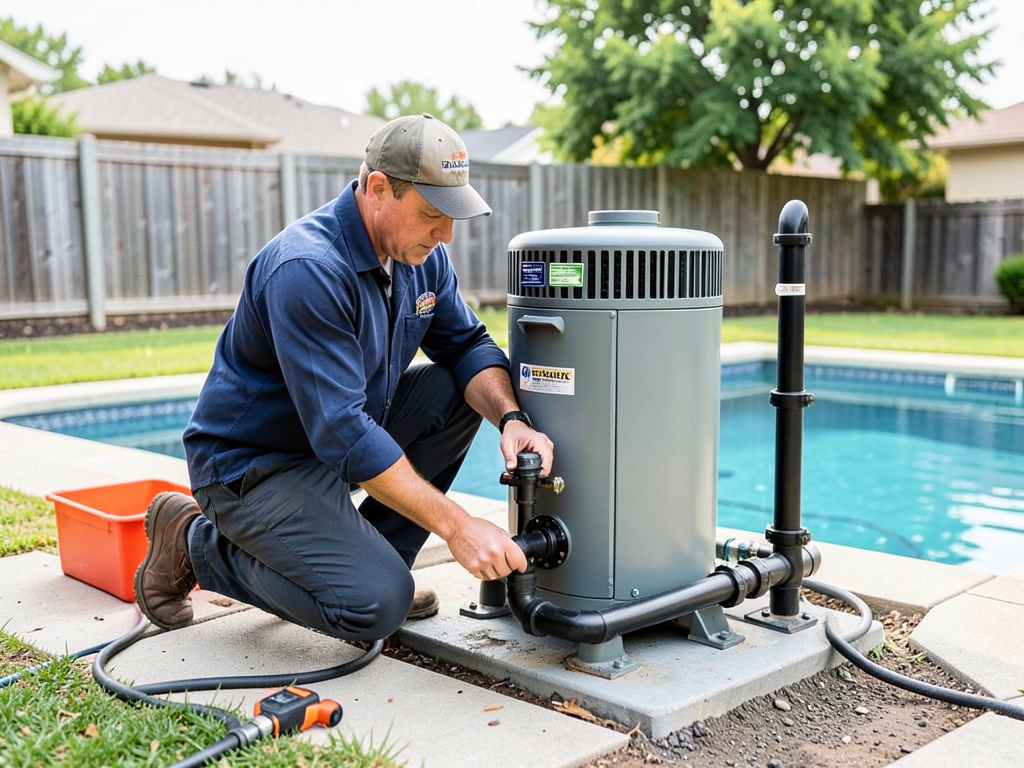
Installing a gas line for your Fair Oaks Ranch pool heater without ruining the landscaping
Homeowners in Fair Oaks Ranch know that a backyard pool represents more than a luxury. It is a year-round investment that brings enjoyment to families. When Texas Hill Country nights turn cool a properly sized gas line becomes the lifeline for your pool heater. This guide explains what it takes to run a gas line to your pool equipment pad without destroying your carefully maintained landscape.
The first step involves calculating BTU demand. A typical Hayward or Pentair heater for a Fair Oaks Ranch pool ranges from 200000 to 400000 BTU per hour. That demand determines pipe diameter. For example a 200000 BTU heater at a 50-foot run needs at least 1-inch black iron pipe to maintain the correct gas pressure. Undersized pipe causes the heater to short-cycle or fail to ignite.
Fair Oaks Ranch falls under Bexar County and Kendall County permitting. You must obtain a gas permit before trenching. The local inspector checks for proper pipe sizing pressure testing and compliance with NFPA 54 the National Fuel Gas Code. Skipping permits can result in fines and a failed heater warranty. NFPA 54 National Fuel Gas Code.
The terrain here consists mostly of limestone and caliche. That means trenching often requires a rock saw or mini excavator with a rock bucket. A 24-inch-deep trench protects the line from freeze-thaw cycles and meets code. We use yellow caution tape above the pipe as an extra safety layer.
Two main pipe types work for pool heaters. Black iron works for shorter runs and polyethylene PE works for longer or underground runs. PE offers flexibility corrosion resistance and easier installation through rocky soil. We transition to black iron at the equipment pad with a proper shut-off valve and sediment trap.
After installation we pressure-test the line with a manometer to verify no leaks. The city inspector then performs a final inspection before you can fire up the heater. This step protects your home and family from gas hazards.. Read more about Everything you need to know before running a gas line for a fire pit in The Dominion.
Call (210) 374-7773 today to schedule your gas line installation. We handle the permits the trenching and the final inspection so you can enjoy warm water without the hassle.
BTU sizing and pipe selection for Fair Oaks Ranch pool heaters
BTU demand drives every design decision. A 300000 BTU heater at a 75-foot run from the meter needs a 1.25-inch pipe minimum. If you go smaller gas pressure drops and the heater may not reach set temperature. Use this quick reference:
| Heater BTU Rating | Run Length (ft) | Required Pipe Size |
|---|---|---|
| 200000 | Up to 50 | 1 inch |
| 300000 | Up to 75 | 1.25 inches |
| 400000 | Up to 100 | 1.5 inches |
Always verify with a gas pipe sizing chart per NFPA 54 Table 402.4.
Navigating Fair Oaks Ranch permits and inspections
Permitting starts with a site plan showing the meter location pool heater location and trench path. Submit to the appropriate county office. Bexar handles most Fair Oaks Ranch addresses while Kendall covers the northwest edge. Expect a 3-5 day review.
Once approved trenching can begin. After pipe installation a pressure test at 1.5 times the maximum working pressure usually 10-15 psi for natural gas proves the line is leak-free. The inspector checks for:
- Proper pipe support and burial depth
- Shut-off valve within 5 feet of the heater
- Sediment trap installed per code
- Yellow caution tape above the line
Only after passing inspection can you connect the heater and restore gas service.
Protecting your Fair Oaks Ranch landscape during trenching
Limestone soil means trenching can tear up sod and damage tree roots. We use plywood walkways to protect turf and hand-dig near ornamental beds. For long runs we route the trench along fence lines or property edges to minimize visible disruption.
Backfill with a sand or screened soil mix to avoid sharp rocks contacting the pipe. Compact in 6-inch lifts to prevent future settling. This also keeps the trench from becoming a low spot that collects water.
Restoration includes replacing sod re-mulching beds and washing hardscape surfaces. The goal is to make the trench path disappear.
Polyethylene vs. black iron which pipe for your pool heater?
Black iron pipe offers code compliance for any gas line and easy threading at the heater. However it rusts if the exterior coating gets damaged and it weighs heavily in rocky soil.
Polyethylene PE offers flexibility and corrosion resistance. It comes in long coils reducing joints. Use a fusion-welded coupling for connections. The downside PE requires a steel riser at the meter and another at the heater pad.
For most Fair Oaks Ranch jobs we choose PE for the underground run and black iron for the final exposed section. This hybrid approach balances durability cost and ease of installation.
Pressure testing and final inspection steps
After pipe installation cap all ends and attach a pressure gauge. Pressurize to 15 psi and watch for 15 minutes. A drop over 0.5 psi indicates a leak. Use a gas leak detector or soap solution to pinpoint the source.
Once the line holds pressure call for the county inspection. The inspector will verify:
- Pressure test documentation
- Proper pipe sizing
- Valve and trap placement
- Trench depth and protection
Only after final approval can you connect the heater and turn on the gas.
Cost factors for gas line installation in Fair Oaks Ranch
Several variables affect price:
- Trench length and depth: longer runs need more pipe and labor
- Soil type: limestone increases excavation time
- Permitting fees: county fees range from $75 to $150
- Inspection costs: often included in the permit fee
- Restoration work: sod replacement and mulch add to the total
A typical 50-foot run with minimal restoration might start around $1800. Complex jobs with long runs or heavy rock excavation can exceed $3500.
Safety features every pool heater gas line must have
Safety starts with a proper shut-off valve within 5 feet of the heater. This allows quick gas shutoff in an emergency. A sediment trap captures debris before it enters the heater. Both are required by NFPA 54. Emergency San Antonio Plumbers Who Actually Answer the Phone at Night.
We also install a flexible gas connector at the heater to absorb vibration and allow future servicing. All exposed black iron gets a protective coating to resist rust.
Finally we label the line at the meter and at the heater pad so anyone working on the system knows where the gas line runs.
Common mistakes to avoid when installing a pool heater gas line
Undersized pipe represents the most frequent error. A 3/4-inch line may work for a small grill but fails on a 300000 BTU heater. Always size per the gas code.
Skipping the pressure test represents another mistake. Even a tiny leak wastes gas and creates a hazard. Always test and document the results.
Finally ignoring permits leads to failed inspections and potential fines. The small upfront cost of a permit saves major headaches later.
Why choose a Master Plumber for your pool heater gas line
Gas line work is not a DIY job. A Master Plumber holds the required state license understands local codes and carries liability insurance. We also coordinate permitting and inspections saving you time and ensuring compliance.
Pool technicians may install heaters but rarely handle gas lines. Mixing roles can void warranties and create safety risks. Stick with a licensed professional for the entire scope. Safe and Professional Gas Line Repairs for Hollywood Park Residents.
Maintaining your pool heater gas line
After installation inspect the shut-off valve annually for corrosion or stiffness. Check the flexible connector for cracks or kinks. Keep the area around the heater clear of debris and mulch to prevent moisture buildup.
If you smell gas shut off the valve immediately and call your gas provider or a licensed plumber. Never ignore a gas odor.
Extending your outdoor living space with gas lines
Once you have a gas line to the pool consider adding a gas fire pit outdoor kitchen or patio heater. Run a branch line during the initial trenching to save on future excavation costs. Commercial Kitchen Plumbing.
Plan the layout with your plumber to ensure adequate BTU capacity for all appliances. A master plan avoids costly retrofits later.
Environmental considerations for gas line installation
Natural gas burns cleaner than propane in terms of CO2 emissions per BTU. However methane leaks during installation or from aging pipes contribute to greenhouse gases. That is why pressure testing and proper connections are critical.
Choose PE pipe for underground runs to reduce long-term corrosion and leak risk. This also minimizes excavation waste since PE comes in long coils.
Future-proofing your gas line installation
Install a larger line than you currently need if you plan to add appliances later. For example a 1.5-inch line now can support a heater and a future fire pit without replacement.
Also document the as-built layout with photos and a sketch. This helps future homeowners or service technicians locate the line without digging blindly.
Frequently Asked Questions
How long does it take to install a gas line for a pool heater?
Most installations take one to two days. Trenching and pipe installation happen the first day. Pressure testing and inspection occur the second day followed by heater connection.
Can I use my existing gas line for a new pool heater?
Only if the line is properly sized for the heater’s BTU demand. Many existing lines are too small. A plumber can measure pressure drop and confirm adequacy.
What is the difference between natural gas and propane for pool heaters?
Natural gas requires a utility connection and continuous supply. Propane needs a tank and periodic refills. Propane has slightly higher BTU content per cubic foot so pipe sizing differs. Check with your plumber which fuel is available at your Fair Oaks Ranch home.
Do I need a permit to install a gas line in Fair Oaks Ranch?
Yes. Both Bexar and Kendall counties require a permit and inspection for fuel gas piping. Skipping this step can result in fines and safety hazards.
How deep should the trench be for a gas line?
Code requires a minimum of 18 inches in residential areas but we typically go 24 inches to protect against freeze-thaw and future digging. In rocky soil maintain at least 18 inches of cover over the pipe.
What happens if I smell gas after installation?
Shut off the gas at the meter or nearest valve. Ventilate the area and call your gas provider or a licensed plumber immediately. Do not use any electrical switches or open flames.
Ready to enjoy a warm pool without ruining your landscape? Call (210) 374-7773 today to schedule your professional gas line installation. We handle every detail from permitting to final inspection so you can relax and enjoy your backyard oasis. For more information, visit ASSE Plumbing Standards.
You may also find this helpful. Is your automatic pool filler leaking and wasting thousands of gallons in Elm Creek?.
{
“@context”: “https://schema.org”,
“@type”: “BlogPosting”,
“headline”: “Installing a gas line for your Fair Oaks Ranch pool heater without ruining the landscaping”,
“description”: “Professional gas line installation for Fair Oaks Ranch pool heaters. Protect your landscape while meeting local codes and ensuring safe operation.”,
“wordCount”: 1809,
“datePublished”: “2026-05-17T10:53:00.000Z”,
“dateModified”: “2026-05-17T10:53:00.000Z”,
“inLanguage”: “en-US”,
“mainEntityOfPage”: {
“@type”: “WebPage”,
“@id”: “https://alphaplumbingsanantonio.com”
},
“publisher”: {
“@type”: “LocalBusiness”,
“name”: “Alpha Plumbing San Antonio”,
“url”: “https://alphaplumbingsanantonio.com”
},
“author”: {
“@type”: “Organization”,
“name”: “Alpha Plumbing San Antonio”,
“url”: “https://alphaplumbingsanantonio.com”
},
“image”: {
“@type”: “ImageObject”,
“url”: “https://alphaplumbingsanantonio.com/wp-content/uploads/2026/03/installing-a-gas-line-for-your-fair-oaks-ranch-poo-1.png”
}
}
{
“@context”: “https://schema.org”,
“@type”: “Plumber”,
“name”: “Alpha Plumbing San Antonio”,
“url”: “https://alphaplumbingsanantonio.com”,
“address”: {
“@type”: “PostalAddress”,
“addressLocality”: “San Antonio”
},
“areaServed”: {
“@type”: “City”,
“name”: “San Antonio”
}
}
{
“@context”: “https://schema.org”,
“@type”: “FAQPage”,
“mainEntity”: [
{
“@type”: “Question”,
“name”: “Polyethylene vs. black iron which pipe for your pool heater?”,
“acceptedAnswer”: {
“@type”: “Answer”,
“text”: “Black iron pipe offers code compliance for any gas line and easy threading at the heater. However it rusts if the exterior coating gets damaged and it weighs heavily in rocky soil.”
}
},
{
“@type”: “Question”,
“name”: “How long does it take to install a gas line for a pool heater?”,
“acceptedAnswer”: {
“@type”: “Answer”,
“text”: “Most installations take one to two days. Trenching and pipe installation happen the first day. Pressure testing and inspection occur the second day followed by heater connection.”
}
},
{
“@type”: “Question”,
“name”: “Can I use my existing gas line for a new pool heater?”,
“acceptedAnswer”: {
“@type”: “Answer”,
“text”: “Only if the line is properly sized for the heater’s BTU demand. Many existing lines are too small. A plumber can measure pressure drop and confirm adequacy.”
}
},
{
“@type”: “Question”,
“name”: “What is the difference between natural gas and propane for pool heaters?”,
“acceptedAnswer”: {
“@type”: “Answer”,
“text”: “Natural gas requires a utility connection and continuous supply. Propane needs a tank and periodic refills. Propane has slightly higher BTU content per cubic foot so pipe sizing differs. Check with your plumber which fuel is available at your Fair Oaks Ranch home.”
}
},
{
“@type”: “Question”,
“name”: “Do I need a permit to install a gas line in Fair Oaks Ranch?”,
“acceptedAnswer”: {
“@type”: “Answer”,
“text”: “Yes. Both Bexar and Kendall counties require a permit and inspection for fuel gas piping. Skipping this step can result in fines and safety hazards.”
}
},
{
“@type”: “Question”,
“name”: “How deep should the trench be for a gas line?”,
“acceptedAnswer”: {
“@type”: “Answer”,
“text”: “Code requires a minimum of 18 inches in residential areas but we typically go 24 inches to protect against freeze-thaw and future digging. In rocky soil maintain at least 18 inches of cover over the pipe.”
}
},
{
“@type”: “Question”,
“name”: “What happens if I smell gas after installation?”,
“acceptedAnswer”: {
“@type”: “Answer”,
“text”: “Shut off the gas at the meter or nearest valve. Ventilate the area and call your gas provider or a licensed plumber immediately. Do not use any electrical switches or open flames.”
}
}
]
}
{
“@context”: “https://schema.org”,
“@type”: “BreadcrumbList”,
“itemListElement”: [
{
“@type”: “ListItem”,
“position”: 1,
“name”: “Home”,
“item”: “https://alphaplumbingsanantonio.com”
},
{
“@type”: “ListItem”,
“position”: 2,
“name”: “Blog”,
“item”: “https://alphaplumbingsanantonio.com/blog”
},
{
“@type”: “ListItem”,
“position”: 3,
“name”: “Installing a gas line for your Fair Oaks Ranch pool heater without ruining the landscaping”
}
]
}
{
“@context”: “https://schema.org”,
“@type”: “Service”,
“serviceType”: “Plumbing”,
“provider”: {
“@type”: “LocalBusiness”,
“name”: “Alpha Plumbing San Antonio”,
“url”: “https://alphaplumbingsanantonio.com”
},
“areaServed”: {
“@type”: “City”,
“name”: “San Antonio”
},
“description”: “Professional gas line installation for Fair Oaks Ranch pool heaters. Protect your landscape while meeting local codes and ensuring safe operation.”
}