
Why your water smells like rotten eggs in the Brooks Base area
Your tap water should be clean and odorless. But if you’re catching a whiff of rotten eggs every time you turn on the faucet in your Brooks Base home, you’re not alone. This sulfur smell is a common issue in South San Antonio, and it’s more than just unpleasant—it can signal a problem with your water supply or plumbing system. Emergency San Antonio Plumbers Who Actually Answer the Phone at Night.
The good news? The sulfur smell in your water is usually not dangerous, but it does need attention. Whether it’s coming from your water heater, your pipes, or the Edwards Aquifer itself, identifying the source is the first step toward fresh, clean water again.. Read more about Why your water heater needs a thermal expansion tank in Marbach.
What causes the rotten egg smell in Brooks Base water?
The rotten egg odor is caused by hydrogen sulfide gas (H₂S), which can enter your water in several ways. In the Brooks Base area, the most common sources are sulfur-reducing bacteria in the water supply or a chemical reaction inside your water heater.
San Antonio’s water comes primarily from the Edwards Aquifer, a limestone formation rich in minerals. While the water is treated by SAWS (San Antonio Water System), trace amounts of sulfur can still make it through, especially in older neighborhoods or homes with well water.. Read more about How the mineral content of the Edwards Aquifer affects your plumbing.
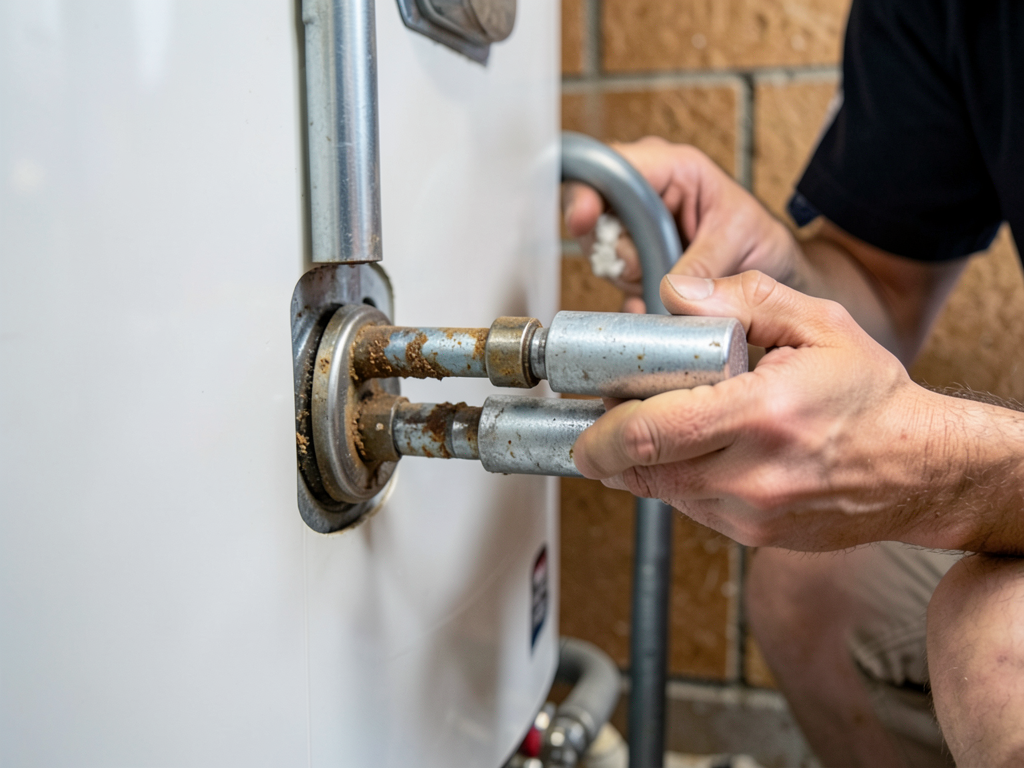
Inside your home, the magnesium anode rod in your water heater can react with sulfate in the water, producing hydrogen sulfide. This is especially common in homes with hard water, which is typical throughout Bexar County.
How to tell if the smell is coming from your water heater or the main supply
Before calling a plumber, you can do a simple test to pinpoint the source of the odor. This “hot vs. cold” test helps determine if the problem is isolated to your water heater or if it’s in your main water line.
First, turn on your cold water tap and smell it. Then, do the same with your hot water. If the smell is only in the hot water, the issue is likely your water heater’s anode rod. If both hot and cold water smell, the problem is probably in your main supply or pipes.. Read more about Getting rid of that lingering smell inside your Bulverde Village garbage disposal.
In Brooks Base, many homes built before 2000 have older plumbing systems that can harbor sulfur-reducing bacteria. If your home falls into this category, you may need a more comprehensive solution than just replacing an anode rod. Plumbing Boerne.
Is sulfur water dangerous to your health or home?
While hydrogen sulfide gas smells terrible, it’s generally not harmful at the low concentrations found in household water. The main concerns are aesthetic and practical rather than health-related.. Read more about Why you might smell sewer gas inside your Dignowity Hill bungalow.
The sulfur smell can cause your water to taste metallic or rotten, making it unpleasant to drink or cook with. It can also corrode metal pipes over time, leading to leaks and costly repairs. In severe cases, the gas can tarnish silverware and stain plumbing fixtures with a black residue. EPA Safe Drinking Water Act.
For most Brooks Base residents, the bigger issue is the psychological impact—no one wants to drink water that smells like rotten eggs. This often leads to buying bottled water, which creates unnecessary expense and waste.
Professional solutions for sulfur water in Brooks Base
Once you’ve identified the source, several solutions can eliminate the sulfur smell. The right approach depends on whether the problem is in your water heater, your pipes, or your main supply.
For water heater issues, replacing the magnesium anode rod with an aluminum-zinc rod often solves the problem. This is a relatively inexpensive fix that can make a dramatic difference. In some cases, raising the water heater temperature to 140°F for 6-8 hours can kill sulfur-reducing bacteria.
If the smell comes from your main supply, you might need a whole-house water filtration system. Activated carbon filters can remove hydrogen sulfide, while more advanced systems use oxidation followed by filtration. For homes with private wells in the Brooks Base area, shock chlorination might be necessary to eliminate bacteria.
According to the Texas Commission on Environmental Quality (TCEQ), water with hydrogen sulfide levels above 0.5 mg/L should be treated. Most Brooks Base homes fall below this threshold, but treatment is still recommended for comfort and to prevent pipe corrosion. Texas Commission on Environmental Quality.
When to call a Brooks Base plumber about sulfur water
If your DIY testing points to a persistent sulfur smell, it’s time to call a professional. A licensed plumber can perform water quality testing to measure hydrogen sulfide levels and recommend the most effective treatment. Safe and Professional Gas Line Repairs for Hollywood Park Residents.
You should also call a plumber if you notice any of these warning signs: black stains in sinks or toilets, metallic taste in addition to the smell, or if the odor suddenly worsens. These could indicate a more serious issue with your plumbing system. Early Warning Signs of a Slab Leak in Your Alamo Heights Home.
For Brooks Base residents, local plumbers understand the specific water quality challenges of the area. They can recommend solutions that work with San Antonio’s hard water conditions and comply with local building codes.
Call (210) 374-7773 today to schedule your inspection. We’ll test your water, identify the source of the sulfur smell, and recommend the most cost-effective solution for your home.
Preventing sulfur smells in your Brooks Base home
Once you’ve eliminated the sulfur smell, a few preventive measures can keep your water fresh. Regular maintenance of your water heater, including annual flushing, can prevent bacteria buildup. If you have a well, periodic testing and treatment can keep sulfur levels in check.
Consider installing a water softener if you haven’t already. Hard water not only contributes to sulfur smell problems but can also reduce the effectiveness of some water treatment systems. A quality water softener can extend the life of your plumbing and improve your water quality overall.
For new construction in Brooks Base, talk to your builder about water treatment options before finalizing your plans. The right system installed from the start can prevent years of frustration with water quality issues.
Remember, water quality can change over time. What works today might need adjustment in a few years. Stay proactive about testing and maintenance to ensure your family always has clean, odor-free water.
Understanding Brooks Base water quality
The Brooks Base area, located in Southeast San Antonio, has unique water characteristics due to its proximity to the Edwards Aquifer recharge zone. The water here tends to have higher mineral content than other parts of the city, which contributes to both hardness and occasional sulfur odors.
SAWS regularly tests water throughout its service area, and Brooks Base typically falls within acceptable standards for all contaminants. However, the “acceptable” range for hydrogen sulfide is quite broad, and even low levels can produce noticeable odors in some homes.
Local plumbers familiar with Brooks Base can provide valuable insights into neighborhood-specific water issues. They understand how factors like soil composition, pipe age, and even seasonal changes can affect water quality in different parts of the area.
Don’t let sulfur-smelling water ruin your daily routine. With the right diagnosis and treatment, you can enjoy fresh, clean water throughout your Brooks Base home. Call (210) 374-7773 now to speak with a water quality specialist and take the first step toward odor-free water.
Frequently Asked Questions
Is sulfur-smelling water safe to drink?
Yes, water with a sulfur smell is generally safe to drink at the levels typically found in household water. However, the unpleasant taste and odor often lead people to avoid drinking it. If you have concerns about your specific water quality, testing can provide peace of mind.
How much does it cost to fix sulfur-smelling water?
The cost varies depending on the source and solution. Replacing a water heater anode rod typically costs $200-$400, while whole-house filtration systems range from $1,500-$3,500. A professional diagnosis is the best way to determine the most cost-effective solution for your situation.
Can I fix sulfur-smelling water myself?
Some DIY solutions exist, like replacing your water heater’s anode rod or flushing the tank. However, if the problem is in your main supply or pipes, professional treatment is usually necessary. Incorrect DIY attempts can sometimes make the problem worse or damage your plumbing system.
How long does it take to eliminate the sulfur smell?
Simple fixes like anode rod replacement can eliminate the smell immediately. More complex solutions like whole-house filtration may take a few hours to install. If bacteria are the cause, you might notice improvement within 24-48 hours after treatment as the system flushes through your pipes.
Will a water softener fix sulfur-smelling water?
Water softeners primarily address hardness minerals like calcium and magnesium. While they can improve overall water quality, they don’t specifically target hydrogen sulfide. However, some combination systems include both softening and sulfur removal capabilities for comprehensive water treatment.
You may also find this helpful. Choosing Between Salt and Salt-Free Water Softeners in Cibolo Canyons.
{
“@context”: “https://schema.org”,
“@type”: “BlogPosting”,
“headline”: “Why your water smells like rotten eggs in the Brooks Base area”,
“description”: “Does your Brooks Base water smell like rotten eggs? Learn why San Antonio’s Edwards Aquifer causes sulfur odors and how to fix it. Call (210) 374-7773 for help.”,
“wordCount”: 1487,
“datePublished”: “2026-03-24T15:35:00.000Z”,
“dateModified”: “2026-03-24T15:35:00.000Z”,
“inLanguage”: “en-US”,
“mainEntityOfPage”: {
“@type”: “WebPage”,
“@id”: “https://alphaplumbingsanantonio.com”
},
“publisher”: {
“@type”: “LocalBusiness”,
“name”: “Alpha Plumbing San Antonio”,
“url”: “https://alphaplumbingsanantonio.com”
},
“author”: {
“@type”: “Organization”,
“name”: “Alpha Plumbing San Antonio”,
“url”: “https://alphaplumbingsanantonio.com”
},
“image”: {
“@type”: “ImageObject”,
“url”: “https://alphaplumbingsanantonio.com/wp-content/uploads/2026/03/why-your-water-smells-like-rotten-eggs-in-the-broo-1.png”
}
}
{
“@context”: “https://schema.org”,
“@type”: “Plumber”,
“name”: “Alpha Plumbing San Antonio”,
“url”: “https://alphaplumbingsanantonio.com”,
“address”: {
“@type”: “PostalAddress”,
“addressLocality”: “San Antonio”
},
“areaServed”: {
“@type”: “City”,
“name”: “San Antonio”
}
}
{
“@context”: “https://schema.org”,
“@type”: “FAQPage”,
“mainEntity”: [
{
“@type”: “Question”,
“name”: “What causes the rotten egg smell in Brooks Base water?”,
“acceptedAnswer”: {
“@type”: “Answer”,
“text”: “The rotten egg odor is caused by hydrogen sulfide gas (H₂S), which can enter your water in several ways. In the Brooks Base area, the most common sources are sulfur-reducing bacteria in the water supply or a chemical reaction inside your water heater.”
}
},
{
“@type”: “Question”,
“name”: “Is sulfur water dangerous to your health or home?”,
“acceptedAnswer”: {
“@type”: “Answer”,
“text”: “While hydrogen sulfide gas smells terrible, it’s generally not harmful at the low concentrations found in household water. The main concerns are aesthetic and practical rather than health-related.”
}
},
{
“@type”: “Question”,
“name”: “Is sulfur-smelling water safe to drink?”,
“acceptedAnswer”: {
“@type”: “Answer”,
“text”: “Yes, water with a sulfur smell is generally safe to drink at the levels typically found in household water. However, the unpleasant taste and odor often lead people to avoid drinking it. If you have concerns about your specific water quality, testing can provide peace of mind.”
}
},
{
“@type”: “Question”,
“name”: “How much does it cost to fix sulfur-smelling water?”,
“acceptedAnswer”: {
“@type”: “Answer”,
“text”: “The cost varies depending on the source and solution. Replacing a water heater anode rod typically costs $200-$400, while whole-house filtration systems range from $1,500-$3,500. A professional diagnosis is the best way to determine the most cost-effective solution for your situation.”
}
},
{
“@type”: “Question”,
“name”: “Can I fix sulfur-smelling water myself?”,
“acceptedAnswer”: {
“@type”: “Answer”,
“text”: “Some DIY solutions exist, like replacing your water heater’s anode rod or flushing the tank. However, if the problem is in your main supply or pipes, professional treatment is usually necessary. Incorrect DIY attempts can sometimes make the problem worse or damage your plumbing system.”
}
},
{
“@type”: “Question”,
“name”: “How long does it take to eliminate the sulfur smell?”,
“acceptedAnswer”: {
“@type”: “Answer”,
“text”: “Simple fixes like anode rod replacement can eliminate the smell immediately. More complex solutions like whole-house filtration may take a few hours to install. If bacteria are the cause, you might notice improvement within 24-48 hours after treatment as the system flushes through your pipes.”
}
},
{
“@type”: “Question”,
“name”: “Will a water softener fix sulfur-smelling water?”,
“acceptedAnswer”: {
“@type”: “Answer”,
“text”: “Water softeners primarily address hardness minerals like calcium and magnesium. While they can improve overall water quality, they don’t specifically target hydrogen sulfide. However, some combination systems include both softening and sulfur removal capabilities for comprehensive water treatment.”
}
}
]
}
{
“@context”: “https://schema.org”,
“@type”: “BreadcrumbList”,
“itemListElement”: [
{
“@type”: “ListItem”,
“position”: 1,
“name”: “Home”,
“item”: “https://alphaplumbingsanantonio.com”
},
{
“@type”: “ListItem”,
“position”: 2,
“name”: “Blog”,
“item”: “https://alphaplumbingsanantonio.com/blog”
},
{
“@type”: “ListItem”,
“position”: 3,
“name”: “Why your water smells like rotten eggs in the Brooks Base area”
}
]
}
{
“@context”: “https://schema.org”,
“@type”: “Service”,
“serviceType”: “Plumbing”,
“provider”: {
“@type”: “LocalBusiness”,
“name”: “Alpha Plumbing San Antonio”,
“url”: “https://alphaplumbingsanantonio.com”
},
“areaServed”: {
“@type”: “City”,
“name”: “San Antonio”
},
“description”: “Does your Brooks Base water smell like rotten eggs? Learn why San Antonio’s Edwards Aquifer causes sulfur odors and how to fix it. Call (210) 374-7773 for help.”
}